Digitalisering
Internet of Welding – reaching for the top of competitiveness
11. maj 2017
Internet of Things has been a buzz word among industry representatives for a few years now. It is discussed in various seminars and workshops every week. However, the topics covered have changed over time. In the beginning, the focus was on connecting devices to data networks. The next phase was adding sensors for various events and phenomena.
Kemppi marketing
During the past year, more and more people have started wondering about whether extensive investments make sense and what their payback time will be. It is, indeed, a valid concern, especially if the only reasons for adopting IoT were that it is a hot topic or that technology is seen as a must-have. IoT and digitalization are easy to talk about since they are "in". However, connecting devices to data networks in a cost-effective way is an extensive project that requires a good deal of new kind of know-how from a traditional device manufacturer.
Same technology, different needs
Today, it is possible to connect all kinds of things to the internet where it is possible to define receipts (IF-THEN-THEN-THAT) based on their status. An example of such a system is a meeting room that has air quality measurement connected to smart lighting. If the air quality gets poor, the decision-makers in the room get a visual cue and avoid making bad decisions due to low alertness. At home, you can have a weather station connected to the network, and after a freezing night, it can adjust your alarm to provide you enough time to scrape the windows of your car.
Technology companies seem to have different kinds of approaches to utilizing IoT. Manufacturing industries concentrate on developing their own processes, while entities driven by product development create tools for their customers. The technology is essentially the same, but the mentality is certainly different based on whether you concentrate on your own needs or your customer's needs. This difference in approaches is even seen in conversations on the national level. In Finland, general discussion has mostly revolved around IoT solutions developed for the customer. In Germany, the focus has been on increasing your own efficiency (Industry 4.0), because Germany's strong car industry has been actively involved.
What is Internet of Welding?
This is a question that so far remains without a definite answer. It is clear, however, that a cloud connection and advanced technology are not enough by themselves. Internet of Welding must enable a company to make their operational processes leaner or speed up existing processes in order to reduce waste. Quality management, internal logistics and device maintenance are excellent examples of processes that can be improved with IoW. New welding machines know when they are running short of filler wire, when a weld joint is ready for inspection or when a job is finished. Could such status data coming from a previous task automatically trigger actions or tasks in a welding workshop?
Will IoT investments pay off?
My answer is definitely yes. Over the years, I have looked at welding from the perspectives of research, manufacturing industries and product development. Based on my experience, it clear that productivity development has been modest in our industry. There are relatively few performance indicators in the welding industry that are actually useful. The most commonly used indicator seems to be the ratio of working hours to the weight of end products (h/ton). It is basically a good and useful indicator, but the problem is that as materials and their thicknesses evolve, history data cannot be utilized in designing and manufacturing lighter structures. There is much room for improvement. In some cases, it takes companies more time to eliminate unwanted phenomena related to welding than they spend actually welding.
Digitalization to improve profitability
Our industry has not been able to increase value added in the way the electronics or IT industries have. Our industry will not see a driving force pioneer like Nokia used to be, but it is now possible to use digitalization to fine-tune our order and supply chains also in the welding industry.
Digitalization will change ways of working, processes and systems. The collection and analysis of a wide pool of data will lead to findings that enable significant increases in value added. It is a long way to go from an average duty cycle (<15%) to a maximally optimized duty cycle (30 to 45%). Over the years, I have had the opportunity to visit companies where key tasks were planned and equipped with a great attention to detail. What all these advanced workstations have in common is that both the work done during welding and the work done outside of welding is carefully planned and optimized as a whole.
The Internet of Welding enabled by digitalization will bring a new set of tools for welding management.
Read more about the Internet of Things.
Mikko Veikkolainen, Director, Research & Innovation, Kemppi Oy

Kemppi marketing
Kemppi marketing
Kemppi marketing aims to evoke discussion on the transformation of modern welding and bring you the latest stories from within the global welding industry, told by true experts in their respective fields.
Relaterede produkter

Produktfamilie
WeldEye er en universalløsning til styring af din svejseproduktion.
Flere blogindlæg
Industry 4.0 in welding – myth or reality?
Industry 4.0 refers to the Fourth Industrial Revolution. What does it mean, and how does it fit into the conservative world of welding? Can the intelligence of a welding machine truly bring additional value to an organization and benefit welders as well?
Innovation
Hvad er de største trends inden for robotsvejsning, vi vil se i 2022?
Fra kollaborative robotter og uovertruffen præcisionskontrol til en gryende industri 4.0 – vi tager dig gennem de toptrends, som vores eksperter forudser vil få masser af opmærksomhed på robotsvejsemarkedet i 2022.
Automatisering af svejsning
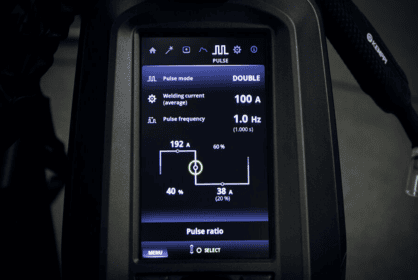
The double-pulse method makes TIG welding more efficient – even with demanding materials
TIG welding is a commonly used welding process for metals that are considered challenging to weld, such as titanium. It is the easiest and safest method for achieving high quality with small equipment investments. However, the number of weld passes required makes TIG welding slow and laborious, and productivity suffers. The double-pulse feature of Kemppi's new MasterTig has been developed to make TIG welding more efficient.
Innovation
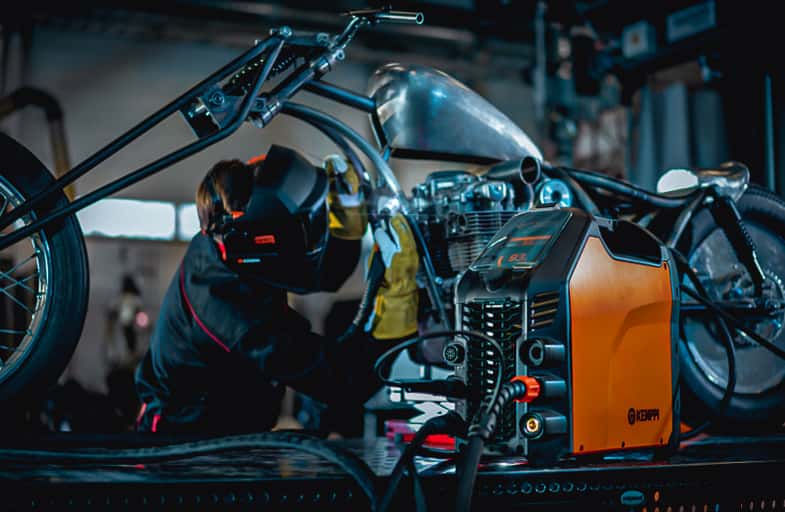
How Rapid Welding and Kemppi Built a Partnership That Lasts
Rapid Welding has worked with Kemppi since the company opened in 1990. Co-founder and Managing Director Roy Edwards highlighted the principles behind that 36-year partnership, from choosing the right welding solution and supporting equipment throughout its life to addressing the skills shortage and finding the right place for automation and laser welding.
Automatisering af svejsning, Manuel svejsning, Svejsningens ABC
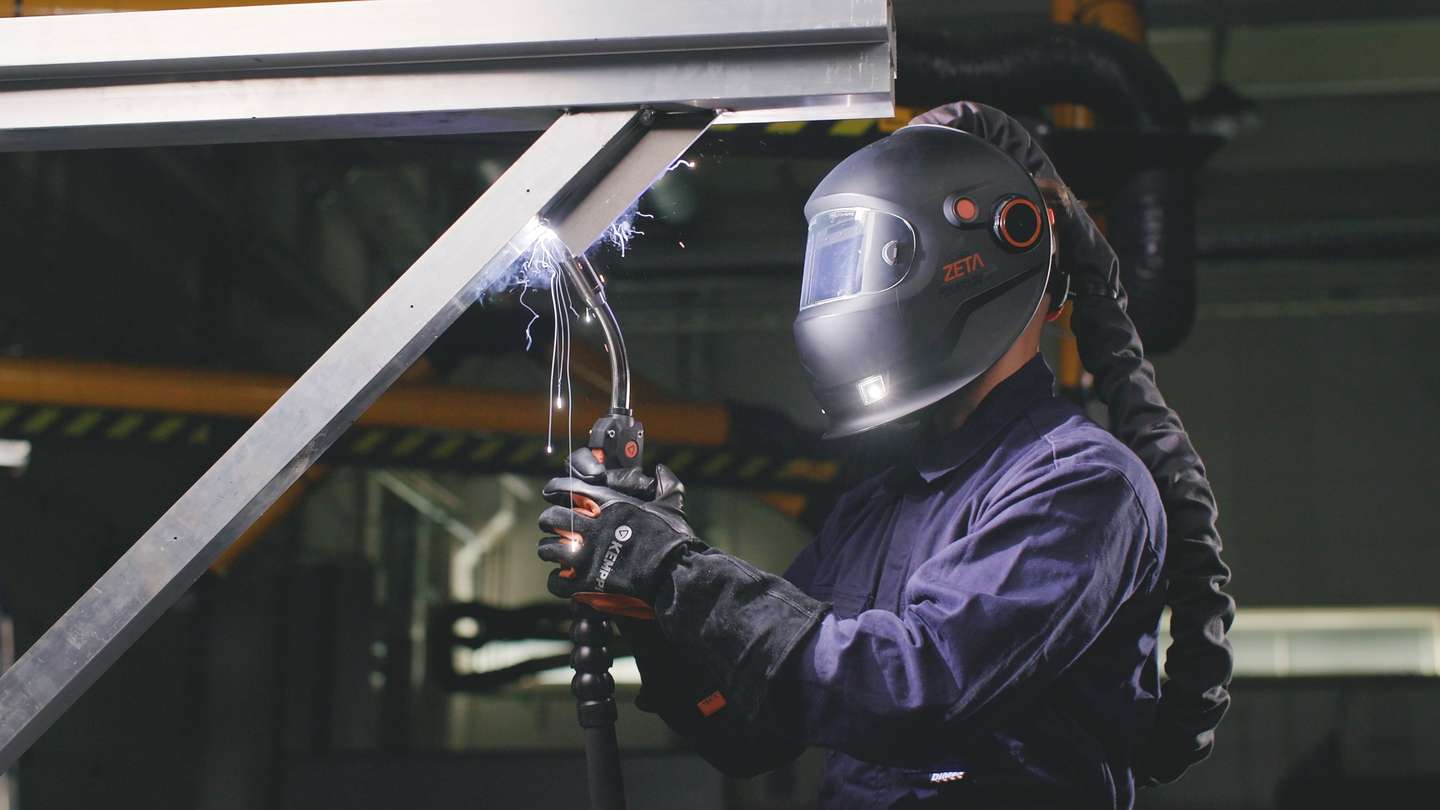
Sikkerhed, der holder trit med svejsernes udfordringer og skiftende risici
Svejsesikkerhed er blevet stadig mere krævende. Risikoen er den samme, men moderne arbejdsforhold betyder, at eksponeringen kan hobe sig op i løbet af længerevarende arbejdsskift og i trange indendørs rum. Det betyder, at personlige værnemidler til svejsning både skal ses som beskyttelse af svejseren og som overholdelse af regler. Hos Kemppi designes og valideres personlige værnemidler til svejsesikkerhed i praksis gennem klare krav, feedback fra svejsere og verificeret overholdelse af EU's PPE-forordning 2016/425, CE-mærkningsprocesser og relevante EN-standarder.
Sikkerhed, Svejsningens ABC
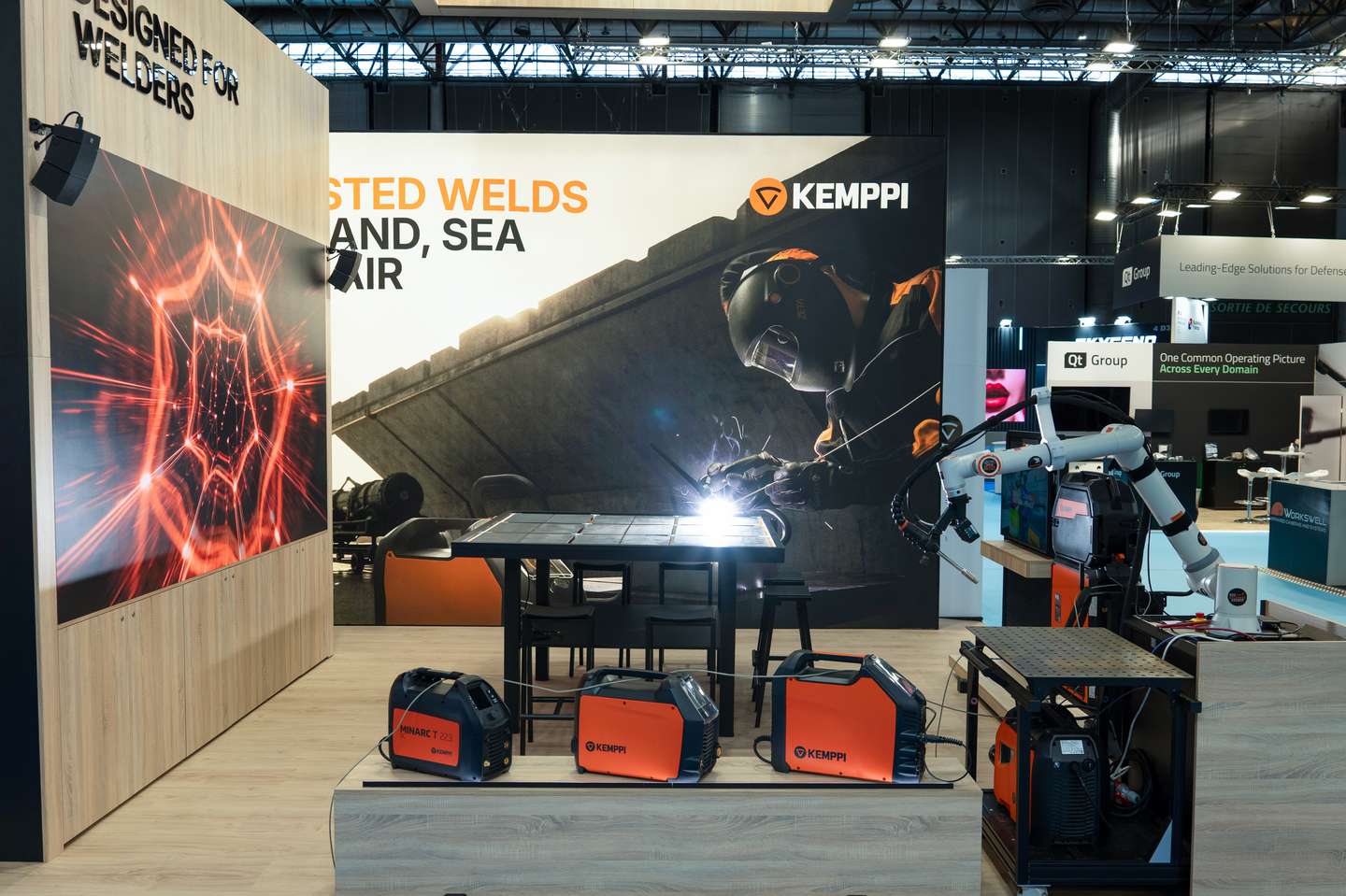
Eurosatory 2026 And the Future of Defence Manufacturing
Eurosatory 2026 highlighted a clear shift in modern defence manufacturing. While defence systems are becoming more digital, networked, and autonomous, their foundation remains physical. From armoured vehicles and artillery to industrial resilience, welding quality, steel structures, and production discipline remain paramount to defence readiness.
Digitalisering, Innovation