Mennesker
The diversity of welding
18. juli 2018
Joonas Innanen, 27, is one of the newer generation of welders. Although he studied traditional methods of welding from MIG to TIG, he has also adopted new technologies during his career.
Siiri Salo
Innanen worked as a welder and a welding teacher, before becoming a development engineer. His current position is Product Development and Engineering Manager at Tehomet, Finland. However, his interests are not totally work-related, and he won the bronze medal in Construction Metal Work at the international WorldSkills competition in 2013. And although his work life revolves around welding, he can’t get enough of it in his free time either. Over the years, he has worked on many car-building and other welding-related projects.
It's all about finding the balance
Despite his young age, Innanen has a broad background in welding, and that’s why we wanted to know his thoughts about what makes welding so great.
”A big part of building a car happens on the computer, not on the welding shop floor”, he says and that pretty much sums up his thoughts about modern welding. The welds are what keep the car together, but a lot of work is also done before assembly. Each piece has been planned and 3D-modeled in detail, and the welder has looked at it in a virtual reality environment in advance. This is a great example of the diverse skills needed in welding, and the balance that needs to be found between the planning and the actual welding on the shop floor.
Welding is cool and clean
One thing that worries him a bit is getting young, skillful people interested in welding.
Innanen thinks that the schools could do more to help youngsters see that welding can be, and is, more than aimless metal melting in a workshop. "In most cases when you go to a sheet metal welding shop, you’ll see the welders TIG welding stainless steel in a clean space with fresh air masks on”.
Innanen’s interest is specifically in TIG welding, not only because it’s well suited to building cars but also because it’s clean and it requires a lot of skill and precision, as well as an eye for design and a steady hand. Even though more time and effort need to be put into TIG welding, it’s worth it since the seams are neater and, in some cases, better quality.
”There’s a place for each welding process also in the future, but I’m personally drawn to TIG welding because that’s what I started with in school.”
The way to be a perfect welder
Planning and welding are both important, but a lot also depends on the welder. Innanen has a few words of encouragement for young people who are drawn to welding.
“A welder is never ready” he says.
To be a good welder, in his opinion, you need to have a level of professional pride. You have to be able and willing to admit your mistakes and learn from them. This comes from pure interest – the dexterity will come later.
And about the pure interest? Joonas Innanen does the same thing in his free time that he does at work and that’s what he sees as the core idea of welding as a whole. He plans and makes 3D models, and thinks each piece through carefully. And then he welds the pieces together. Why? Remember: A large part of building a car happens on the computer, not on the welding shop floor.
With his willingness to learn and test his skills, Innanen and his friend Tero Komulainen rebuilt a 1972 Fiat 600.
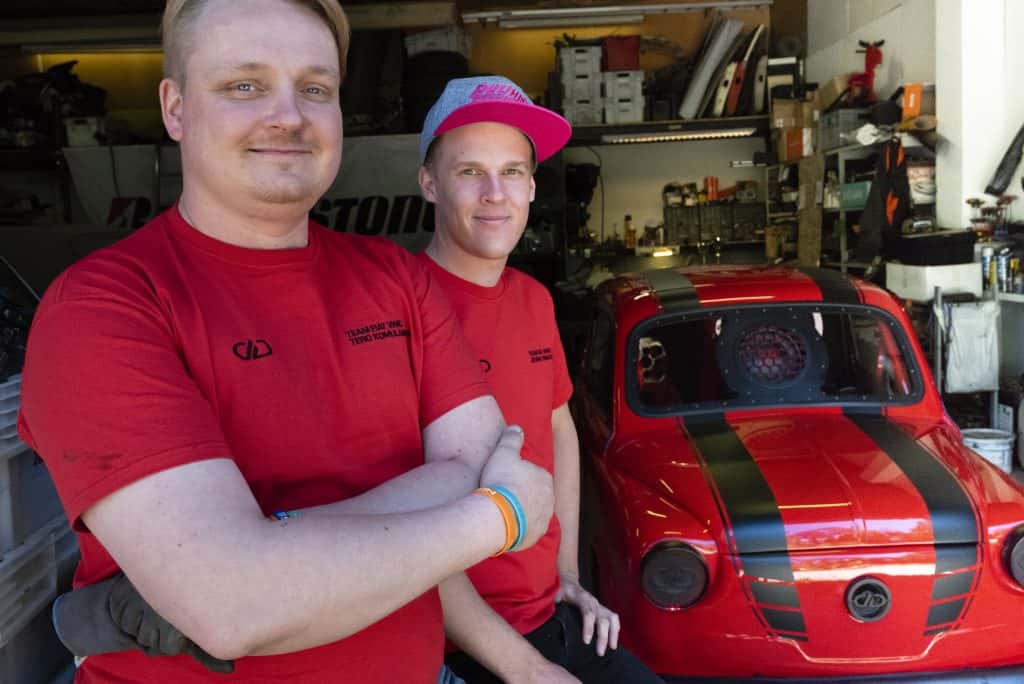
Tero Komulainen and Joonas Innanen have been building and repairing cars since their teen years.

Siiri Salo
Siiri Salo
Content Specialist at Mainostoimisto Ilme Oy. Organizational Communications expert and social media enthusiast who gets excited about inspirational stories and crisp brands. Plans to become an inbound marketing guru.
Flere blogindlæg
Future welding - as seen by the welders
In the world of welding, innovation is guided by the needs of both the industries using welding systems, and the individual welders who work with them from day to day. To draw a picture of the future of welding, we asked two welders to give us their insights on the road ahead.
Mennesker
Welder, dare to dream
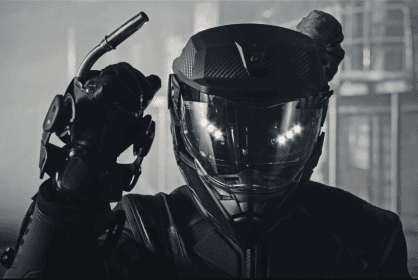
All innovations start with a dream. Whether it is the dream of a welder or an engineer, technology will always need visionaries who are able to see beyond the ordinary. The welding industry’s orientation is firmly forward, and a lot has happened even in the past few decades.
Innovation
50 years of partnership between a man and a welding machine
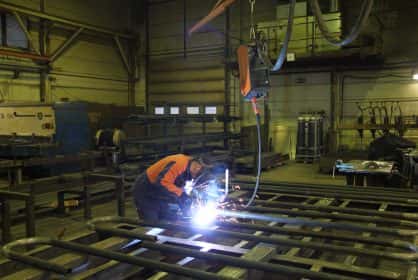
In the 1960s, there was a huge shortage of professional welders in Finnish growth centers. That is why Keijo Olkoniemi, whose career as a welder has lasted for almost 50 years, trained to become a welder, a profession which has offered him challenges throughout his career. ”I remember when they said at the dockyard in Hietaniemi, Helsinki that you can bring a train full of skillful employees, and we will hire them all,” Olkoniemi says, laughing.
Mennesker
How Rapid Welding and Kemppi Built a Partnership That Lasts
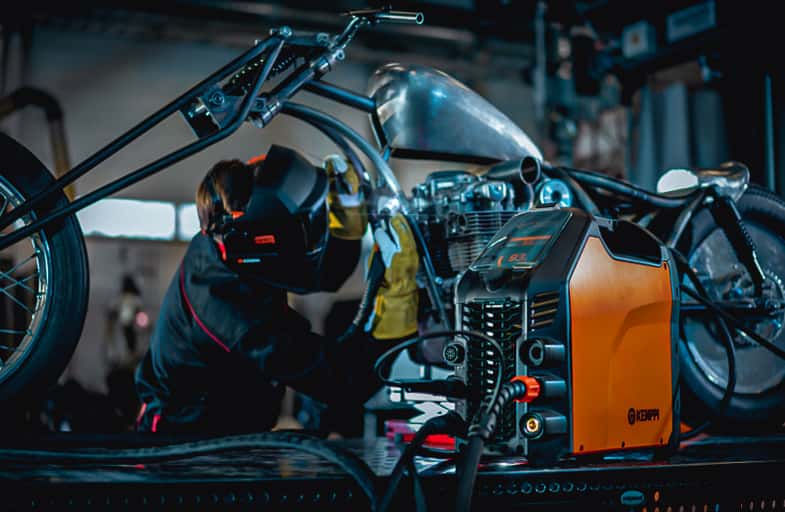
Rapid Welding has worked with Kemppi since the company opened in 1990. Co-founder and Managing Director Roy Edwards highlighted the principles behind that 36-year partnership, from choosing the right welding solution and supporting equipment throughout its life to addressing the skills shortage and finding the right place for automation and laser welding.
Automatisering af svejsning, Manuel svejsning, Svejsningens ABC
Sikkerhed, der holder trit med svejsernes udfordringer og skiftende risici
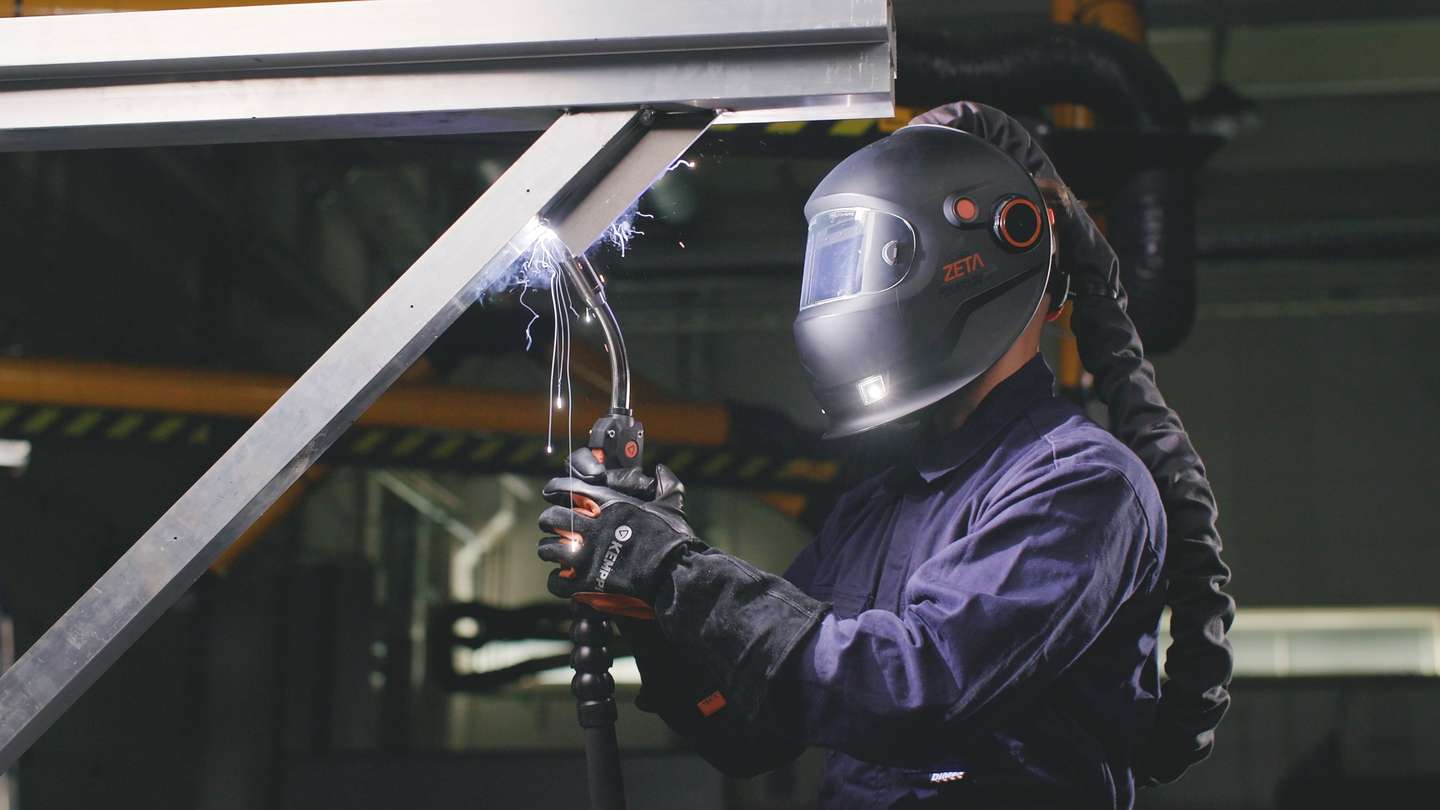
Svejsesikkerhed er blevet stadig mere krævende. Risikoen er den samme, men moderne arbejdsforhold betyder, at eksponeringen kan hobe sig op i løbet af længerevarende arbejdsskift og i trange indendørs rum. Det betyder, at personlige værnemidler til svejsning både skal ses som beskyttelse af svejseren og som overholdelse af regler. Hos Kemppi designes og valideres personlige værnemidler til svejsesikkerhed i praksis gennem klare krav, feedback fra svejsere og verificeret overholdelse af EU's PPE-forordning 2016/425, CE-mærkningsprocesser og relevante EN-standarder.
Sikkerhed, Svejsningens ABC
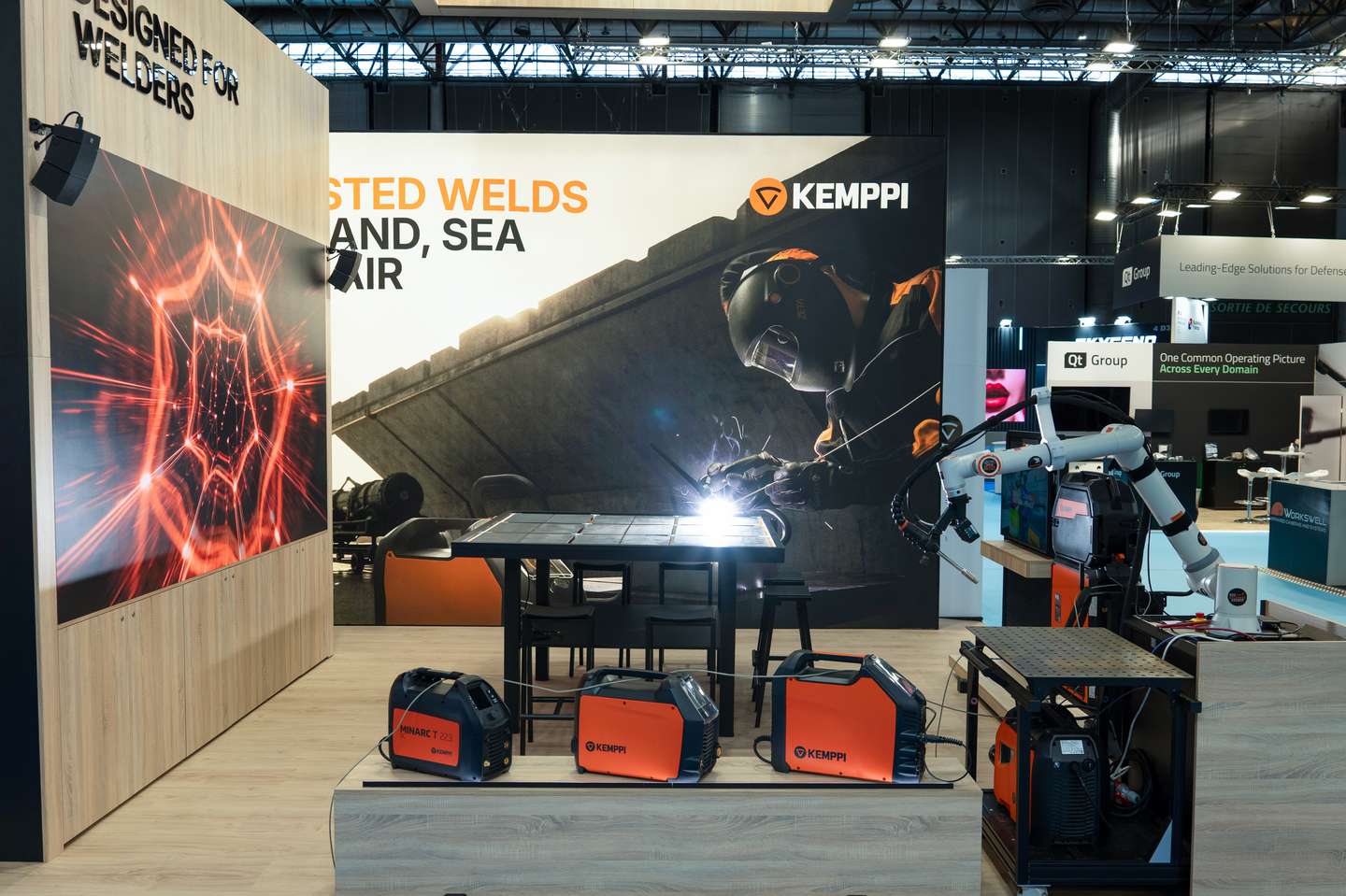
Eurosatory 2026 And the Future of Defence Manufacturing
Eurosatory 2026 highlighted a clear shift in modern defence manufacturing. While defence systems are becoming more digital, networked, and autonomous, their foundation remains physical. From armoured vehicles and artillery to industrial resilience, welding quality, steel structures, and production discipline remain paramount to defence readiness.
Digitalisering, Innovation