Seguridad
Safety that keeps up with welders' challenges and changing risks
7 de agosto de 2026
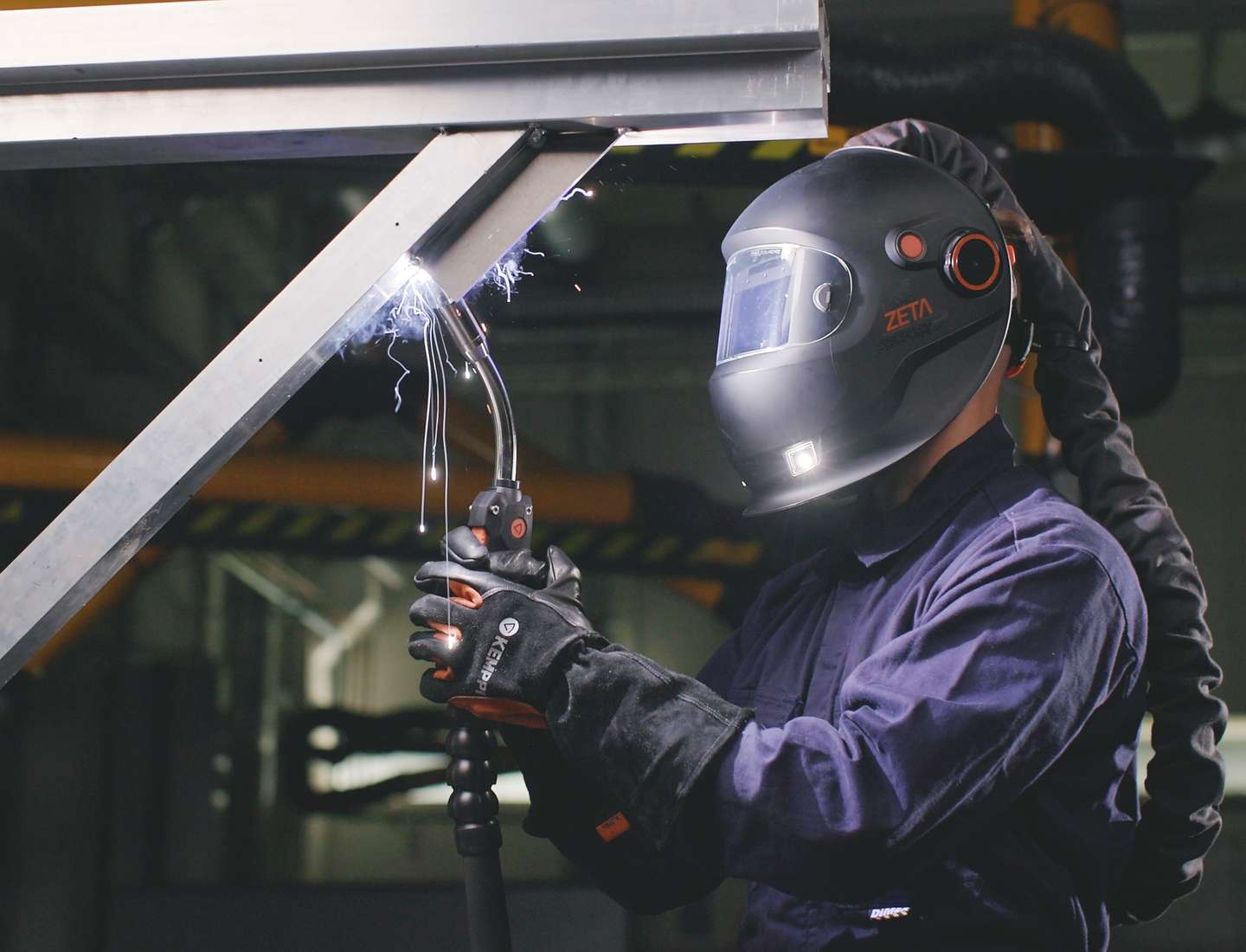
Welding safety has become increasingly demanding. The hazards at the arc remain constant, but modern working conditions mean exposure can accumulate over longer shifts and in tighter indoor spaces. As a result, welding PPE needs to be treated as both protection for the welder and proof of compliance. At Kemppi, welding safety PPE is designed and validated in practice through clear requirements, welder-led feedback, and verified compliance with EU PPE Regulation 2016/425, CE marking processes, and relevant EN standards.
Ask a welder their challenges at work and the answer still starts with the same fundamentals such as arc radiation, intense heat, spatter, and electrical energy. When Kemppi began in 1949 in Finland, these were the same problems every welder faced and still manages today. The arc will always generate powerful light and heat; current will always be present; molten metal will always behave like molten metal.
What has changed is the operating environment around the arc. More welding is carried out indoors and in confined spaces, where airborne exposure can accumulate over time. At the same time, expectations have tightened as the evidence base has strengthened. International health authorities have classified welding fumes as carcinogenic to humans (Group 1), reinforcing the importance of robust exposure control and correctly selected protective measures.
A credible safety approach entails a system of controls that begins with hazard reduction at source and ends with PPE as the final barrier. For PPE, the quality threshold is high: protective performance must remain stable during movement, maintain fit and sealing, and be wearable across long shifts.
Making safety measurable
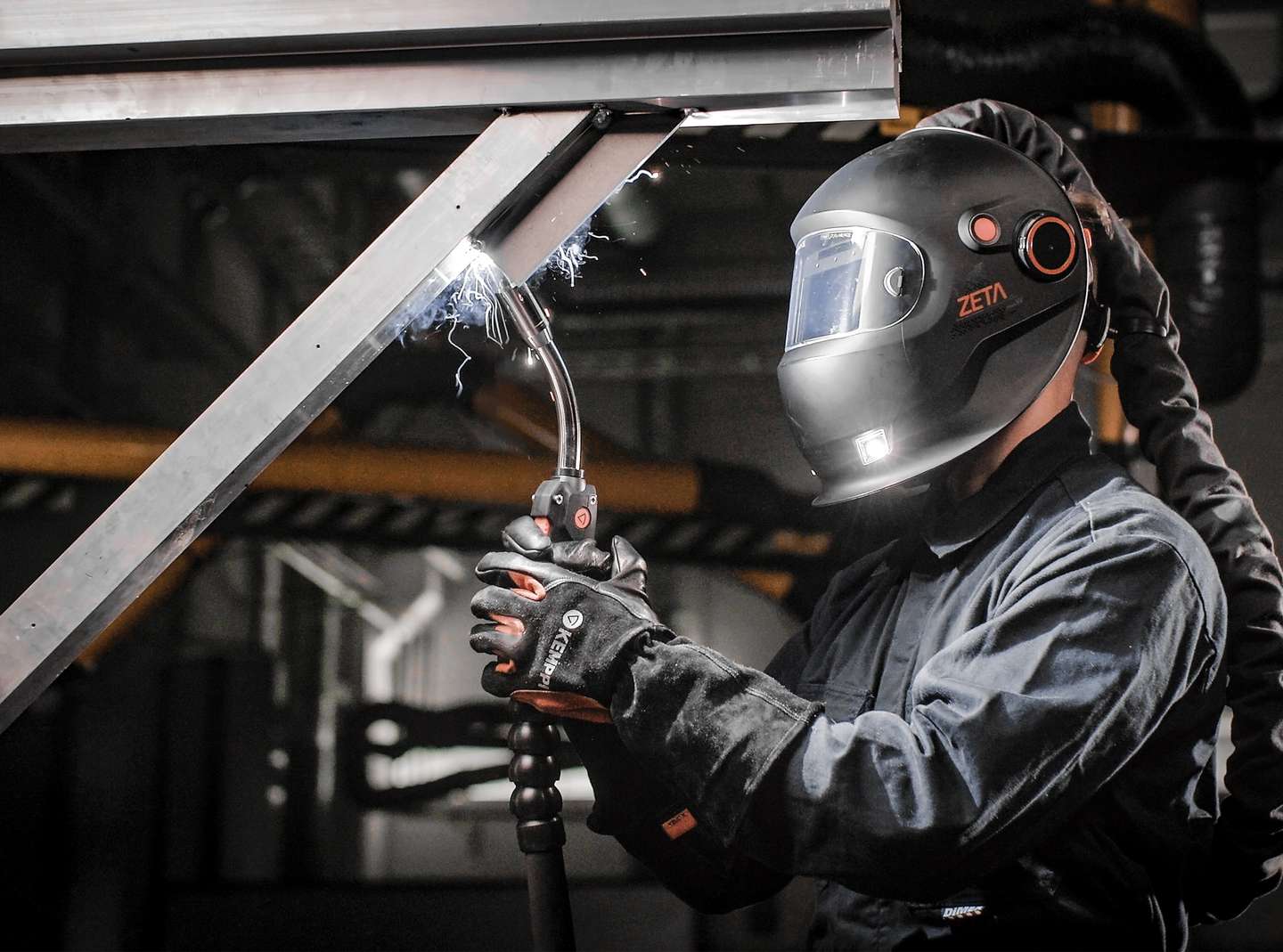
In the EU, PPE placed on the market must meet Regulation (EU) 2016/425 and follow defined conformity assessment procedures linked to CE marking and technical documentation. The practical value of this framework is transparency: it connects what a product claims to what it can be shown to do using standardised test methods.
At Kemppi, PPE performance is measured well before product certification. Our in-house R&D in Finland covers design, material selection, prototyping, laboratory testing, verification, and readiness for production. Early prototypes are typically produced using 3D printing to validate design, ergonomics and usability quickly. Once the design is sufficiently validated, development progresses to mass-produced parts after tools are manufactured. Keeping this loop in-house shortens iteration cycles and strengthens accountability, and design decisions can be evaluated directly against test outcomes.
This is where compliance becomes meaningful. For example, Kemppi’s glove documentation references Regulation (EU) 2016/425 and lists harmonised standards including EN 12477 (welders’ gloves), EN 407 (thermal risks), EN 388 (mechanical risks), and EN 511 (cold protection) and EN ISO 21420:2020 (Protective Gloves). This approach demonstrates how a field problem can be translated into engineered targets and anchored to defined requirements.
From welder feedback to engineering requirements
We constantly gather welder feedback through site visits, pilot users, test programs, distributor-led trials, and standardised feedback forms. It is then reviewed by R&D and Product Management and translated into measurable requirements.
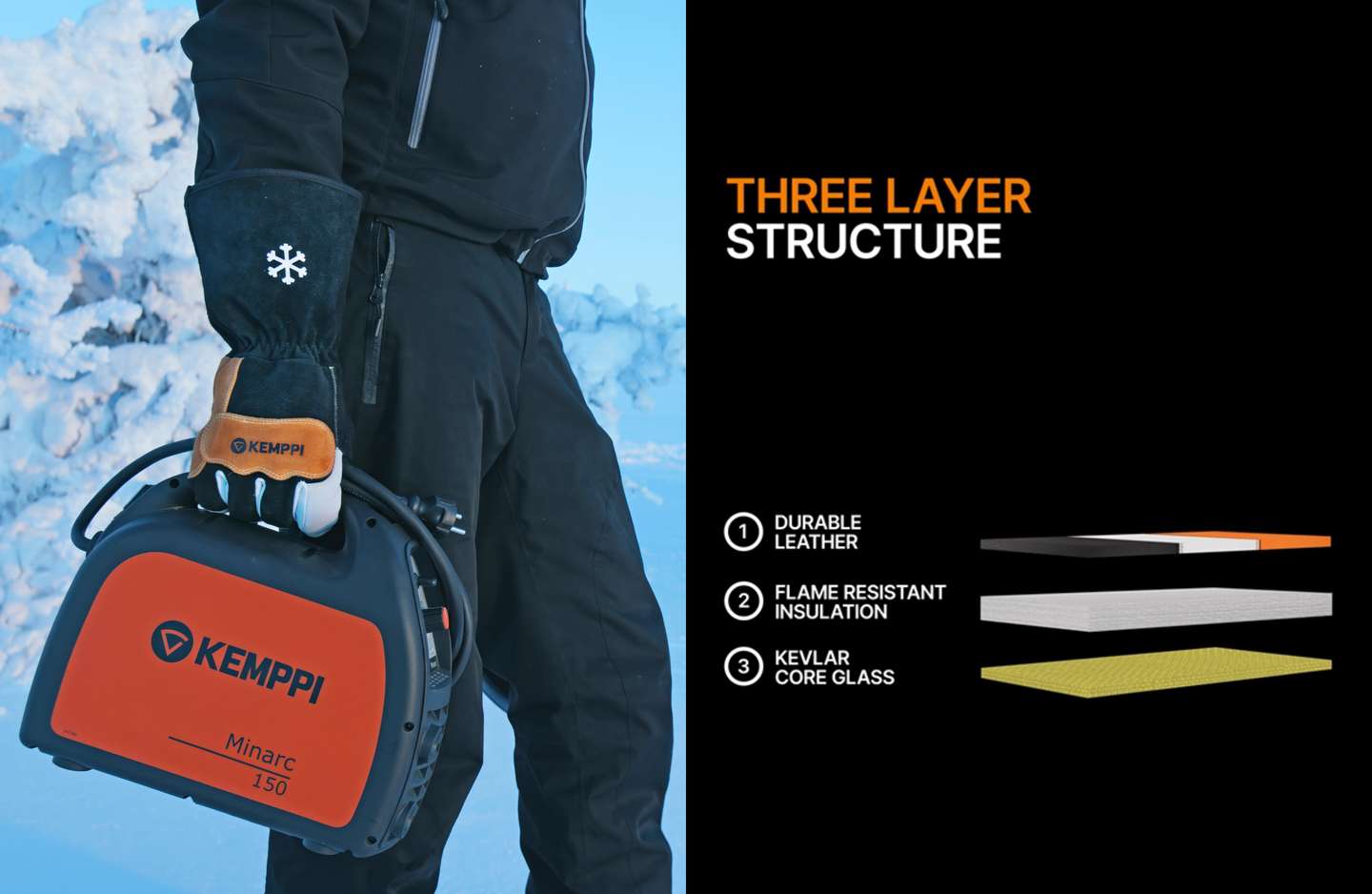
A clear example comes from harsh winter conditions, where an end user could not find a glove that was warm enough for sub-zero environments while remaining compliant for welding work. Existing options forced welders into trade-offs between warmth, dexterity, and certified protection. Kemppi worked with the end user to define real operating constraints such as temperature exposure, dexterity needs, and safety targets, and translated these into design requirements for insulation, materials, protection levels, and usability.
Designing Safety into welding
To validate outcomes, Kemppi tests safety products under conditions that reflect welding work. The performance criteria include resistance to heat and spatter without deformation, durability against impact and abrasion, reliable function in cold environments, stable fit and sealing during movement, and ergonomics that reduces strain over a full shift.
In practice, the difference between compliant equipment and effective protection is consistency. At Kemppi, welding safety relies on controls that are engineered and verified by welders.
Productos relacionados
SP9873066
Producto
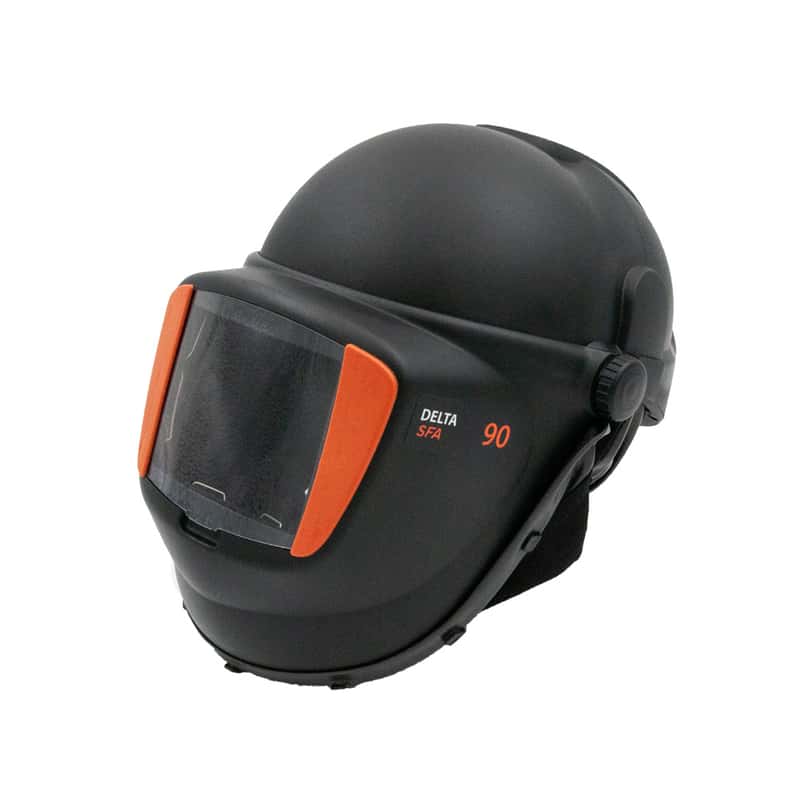
Pieza de repuesto para la máscara de soldadura Delta 90 SFA. La máscara se vende sin filtro de oscurecimiento automático (ADF).
Familia de productos
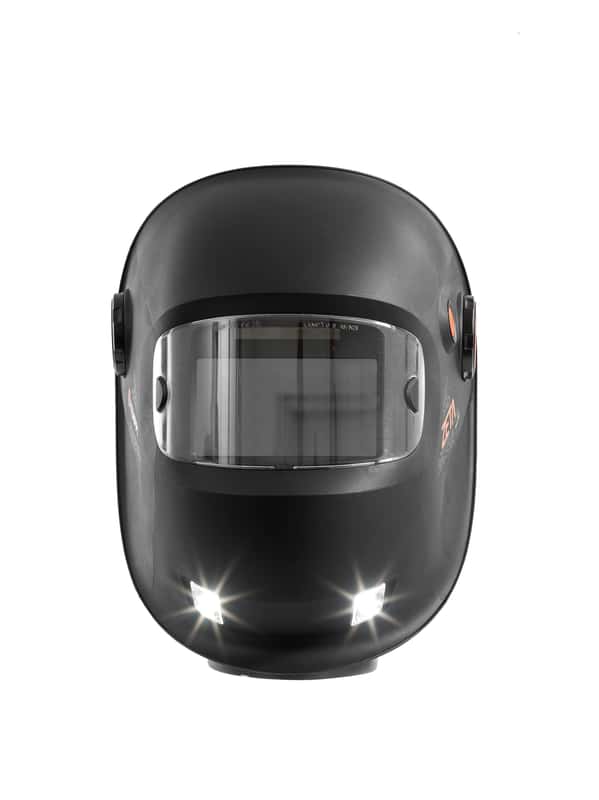
La nueva gama de máscaras de soldadura Zeta inauguran una nueva era en la protección facial integral, con un diseño ligero y unas características de visibilidad de alta gama.
Familia de productos
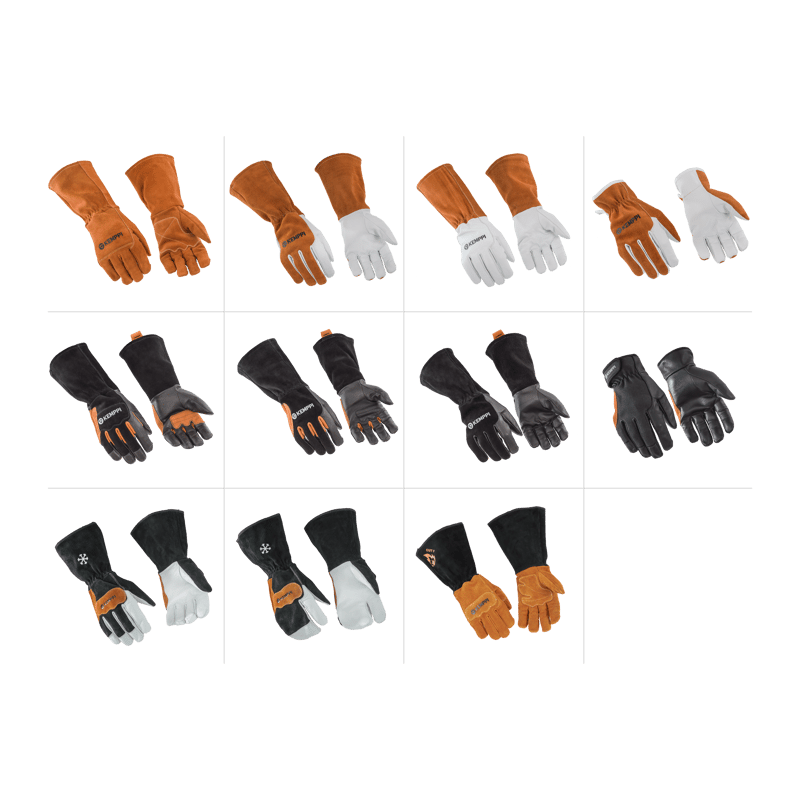
Los guantes de soldar de Kemppi se han desarrollado con las exigentes normas de seguridad e integridad de diseño de Kemppi, con materiales de alta calidad para ofrecer una funcionalidad excelente.
Más publicaciones del blog
Safety first: common welding hazards
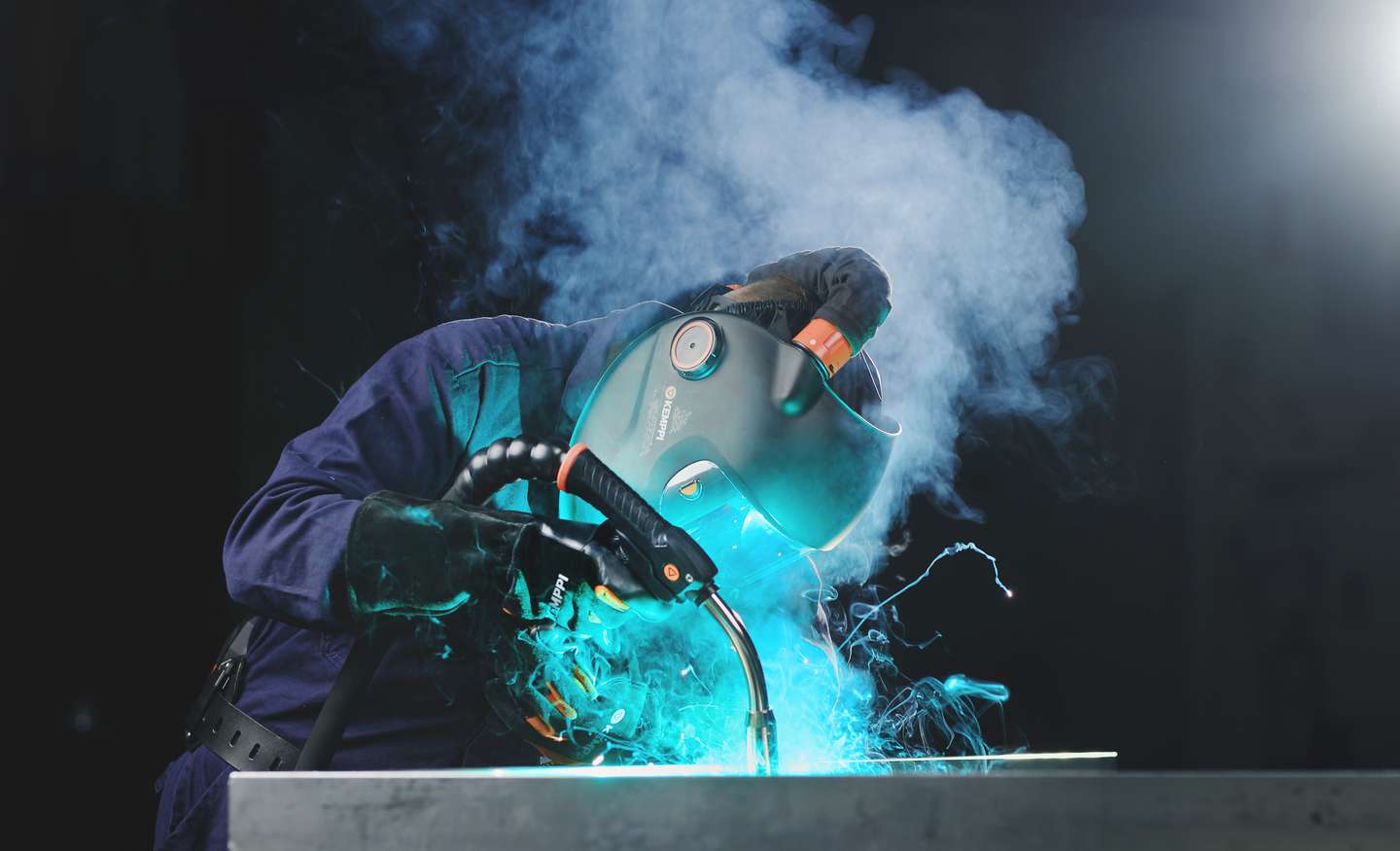
Welding is an important skill that shapes our world, from the vehicles we use to the buildings we live in. This essential process also has its dangers, making safety a top priority. Knowing and following safety measures can significantly reduce accidents and injuries. Here, we explore major safety issues and the steps that every welder should take.
Seguridad
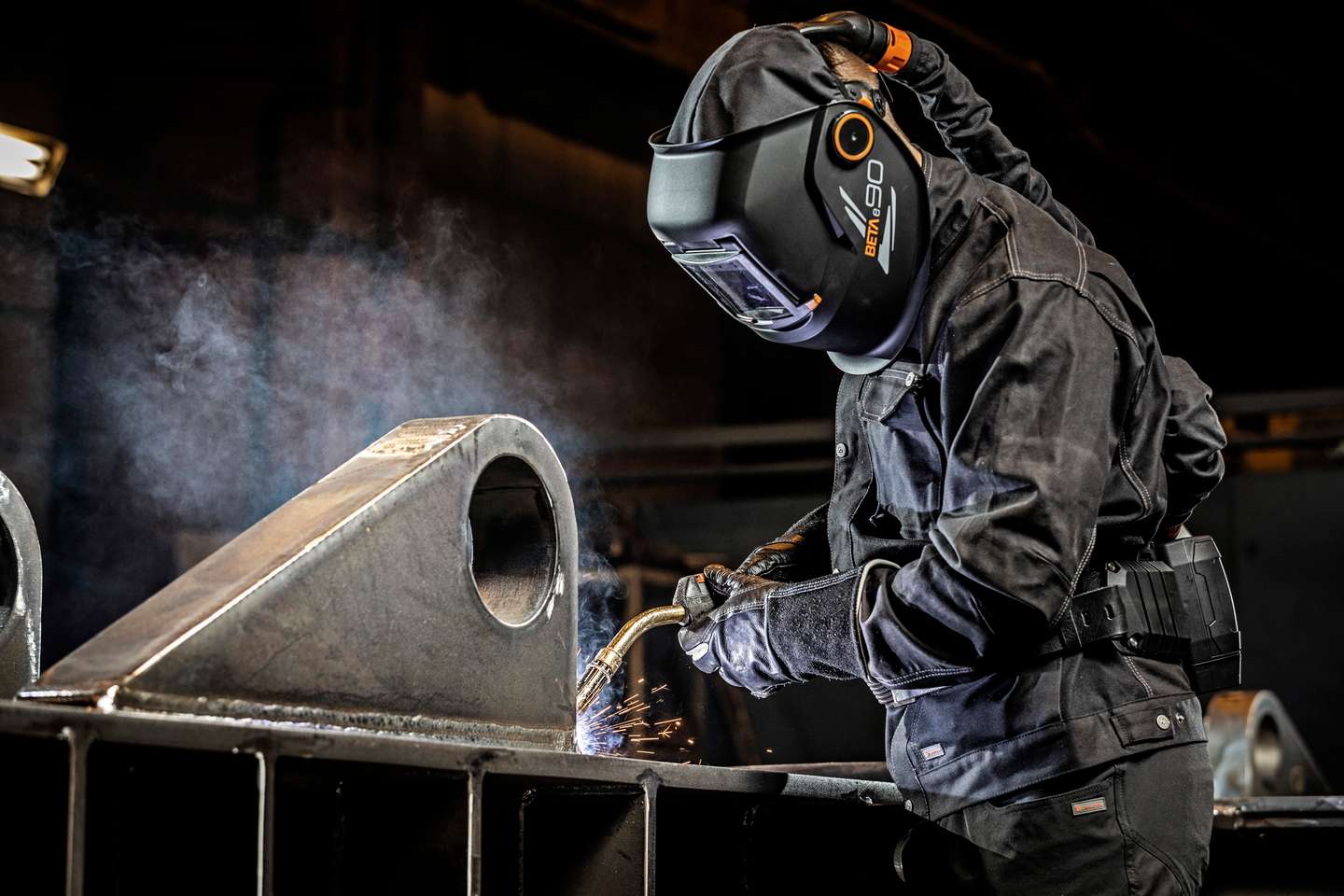
Seguridad y riesgos de la soldadura
Por qué la seguridad en la soldadura es importante y cómo evitar los peligros más comunes de la soldadura
Fundamentos de soldadura
There is something in the air – invest in welder's safety
You’ve probably seen pictures of contaminants? Those tiny little particles that can't be seen with the eye but look horrifying through the microscope lens. If you could actually see them floating around you, would you not use the maximum protection available?
Seguridad
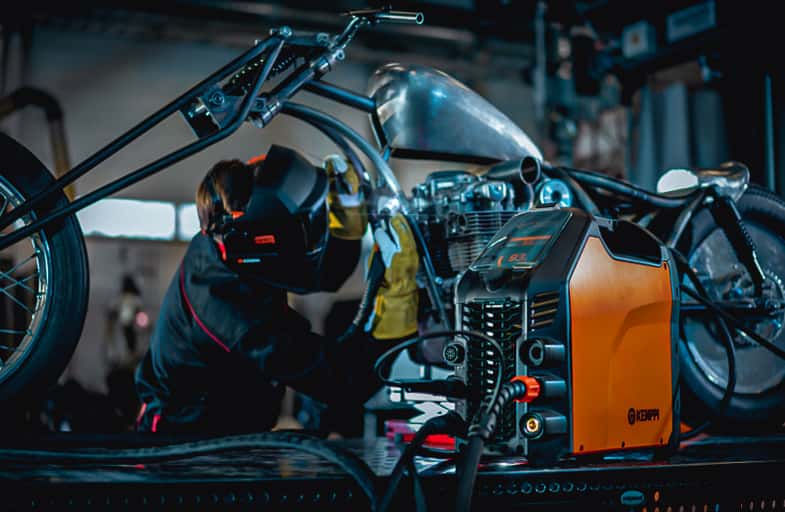
How Rapid Welding and Kemppi Built a Partnership That Lasts
Rapid Welding has worked with Kemppi since the company opened in 1990. Co-founder and Managing Director Roy Edwards highlighted the principles behind that 36-year partnership, from choosing the right welding solution and supporting equipment throughout its life to addressing the skills shortage and finding the right place for automation and laser welding.
Automatización de la soldadura, Soldadura manual, Fundamentos de soldadura
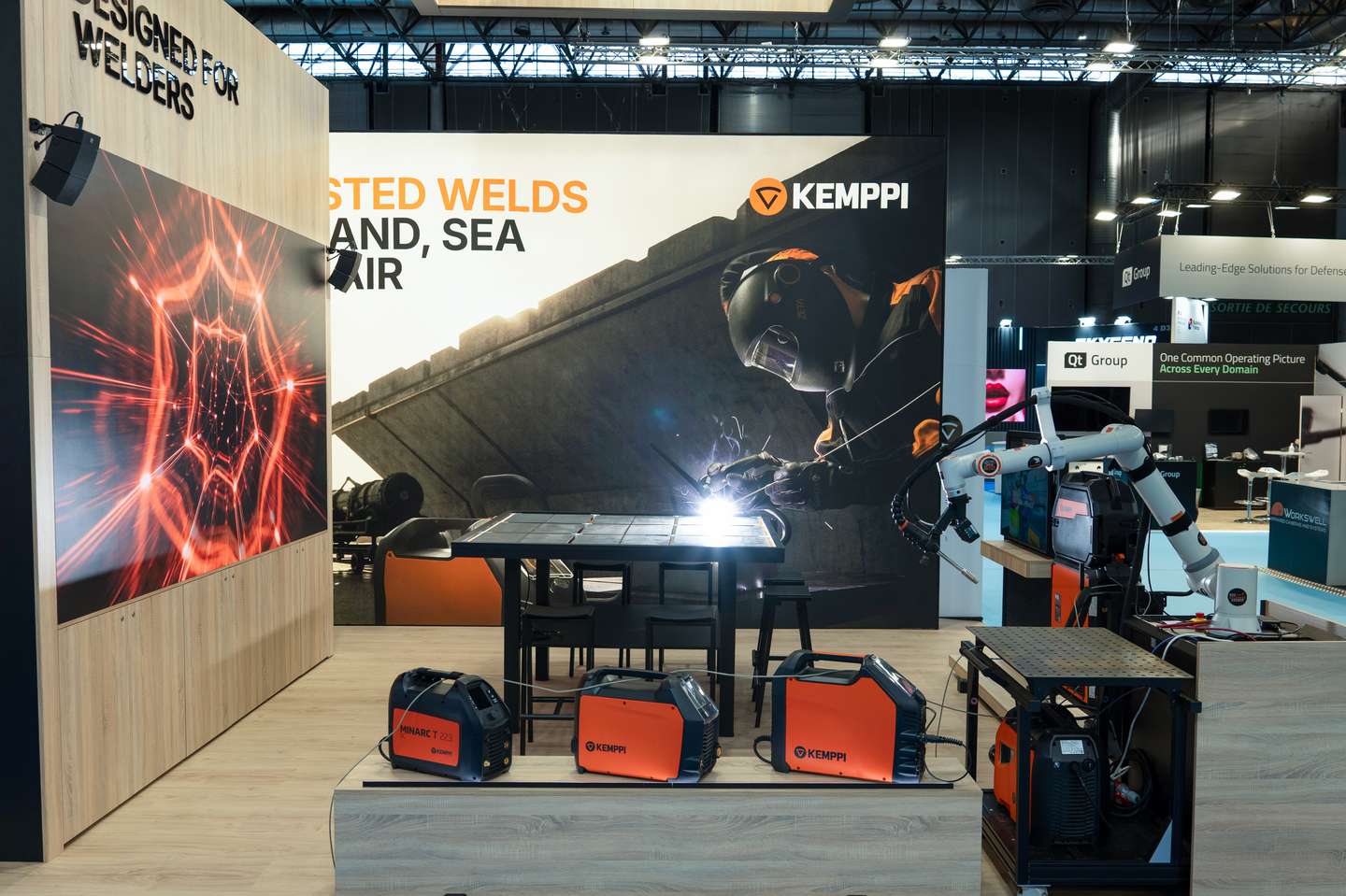
Eurosatory 2026 And the Future of Defence Manufacturing
Eurosatory 2026 highlighted a clear shift in modern defence manufacturing. While defence systems are becoming more digital, networked, and autonomous, their foundation remains physical. From armoured vehicles and artillery to industrial resilience, welding quality, steel structures, and production discipline remain paramount to defence readiness.
Digitalización, Innovación
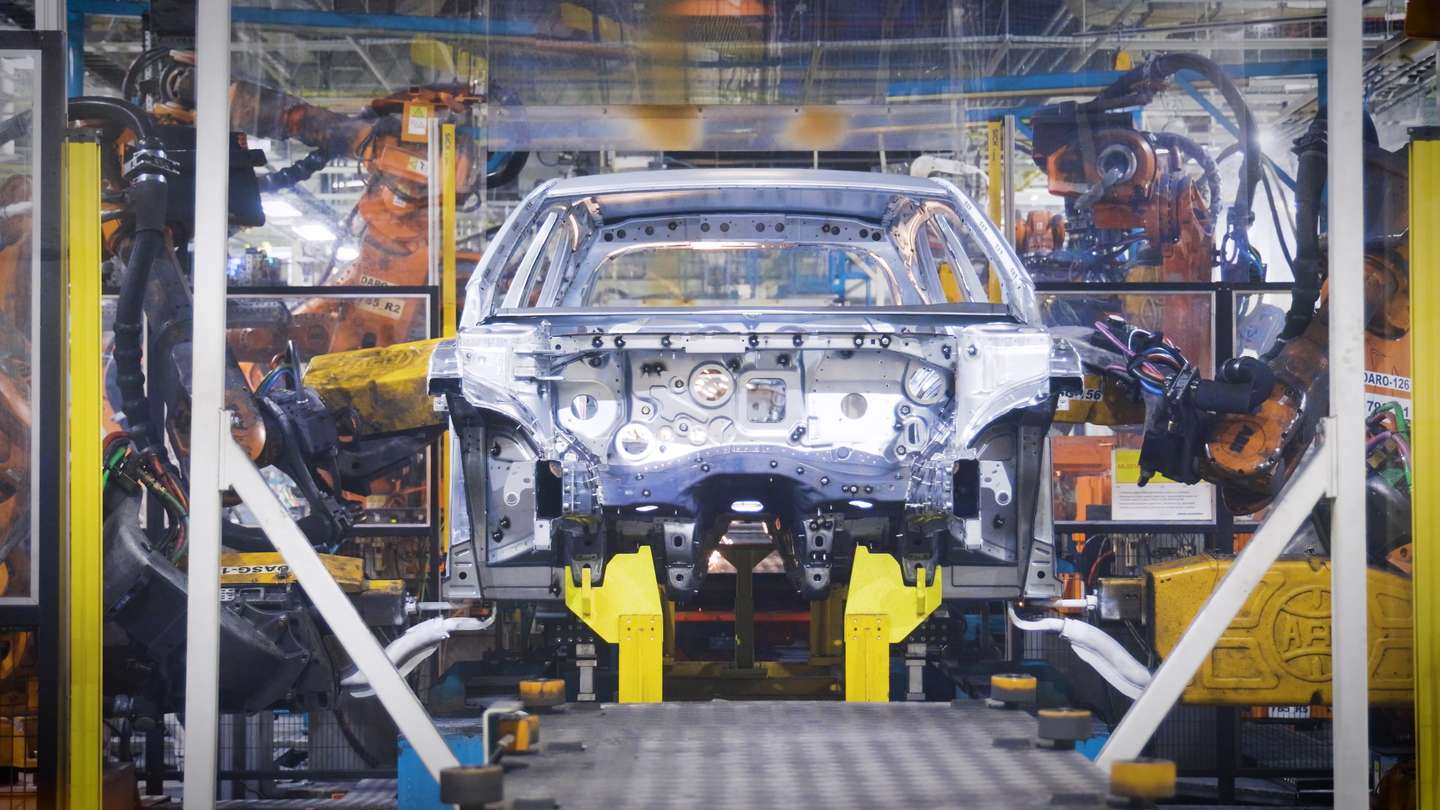
How AI Supports Quality, Traceability, and Flexibility in Robotic Welding
The AITOOLS1 webinar explored how AI-assisted process control, machine vision, synchronized data, and machine learning models are advancing robotic welding automation, improving quality management, traceability, and production flexibility for demanding industrial production.
Automatización de la soldadura, Innovación, Digitalización