Automatisering av svetsning
What Nordic Welding Expo 2026 revealed: robotics, laser welding and the future of fabrication
26 mars 2026
The Nordic Welding Expo 2026 highlighted where welding is heading. While automation and laser welding are accelerating, the real advantage lies in workflows that deliver repeatable results under real constraints and digital traceability is becoming part of everyday production
Varsha Saraogi
In the welding, robotic integration and manufacturing industries, the conversation is changing. At Nordic Welding Expo’s 20th edition in Tampere, that shift was impossible to miss: we’re moving from planning to implement automation to deploying technologies that can be integrated smoothly as well as survive production challenges such as changing variation, time pressure, mixed materials and the daily grind of getting consistent results.
We heard from some of the leading firms in robotics such as ABB, Yaskawa, Robomatik and Murri about what’s next in welding. Three themes came up: automation and laser welding with a refreshingly practical lens. And, how technology will change the role of the traditional welder.
1) Automation is no longer the question. Integration is the battleground.
Industrial robots are already scaling globally. Per the International Federation of Robotics, 542,000 industrial robots were installed in 2024 worldwide, and annual installations have stayed above 500,000 for four straight years. Admittedly, the consistent theme in conversations across the expo was that while the robot is crucial, the real challenge is integration. The most prominent issues facing companies are:
Fixturing and part variation: can the cell tolerate production reality?
Changeovers and programming time: is it flexible enough for high-mix production?
Operator adoption: can it be run confidently on the shop floor by welders and not just by specialists?
Traceability and proof: can one track the welds without creating admin overload?
Kemppi takeaway: Top priorities are repeatable arc performance, sensible parameter control, and tools that make it easier to standardize results across shifts and sites.
That’s why we design welding cells + workflows that tolerate the real production mess: part variation, awkward access, mixed batches, consumable wear. For Kemppi, helping customers turn automation and process choices into repeatable results, backed by traceability with WeldEye and training/services is what makes welding systems scalable.
2) Laser welding is moving from hype to strategy
Laser welding is already becoming a production strategy for manufacturers who chase tighter tolerances, higher throughput, and lower distortion, especially in high-volume environments where small improvements compound quickly.
Of course, arc processes remain the backbone of fabrication because they’re adaptable and more forgiving in the messy realities of gaps, variation, and positional work. Laser, by contrast, tends to win when the joint design and process control support it and where precision and low heat input translate into measurable gains.
Market signals back up that momentum. One major analysis values the laser welding machine market at USD 2.7B in 2024, projecting 5.2% CAGR through 2034, driven by advanced manufacturing needs, especially sectors like automotive, aerospace and medical devices.
3) Skills are still the multiplier
Even with automation rising, the craft isn’t going away, and neither is the need for skilled people. AWS-backed workforce data projects 320,500 new welding professionals needed in the U.S. by 2029, averaging 80,000 jobs to be filled annually by 2029. That shortage is exactly why companies should focus on: making quality repeatable, setups faster, and knowledge transferable across shifts.
The most exciting innovations go beyond new features. They are the things that help skilled welders scale quality so they can implement more stable results across positions and materials, better control the heat input, and get training in workflows that reduce variability and rework.
Kemppi takeaway: Modern welding systems demand disciplined setup, process understanding, and consistent execution. What we aim to solve through our structured training for welders: how quickly a new operator can produce a compliant weld; how consistently a team can follow WPS; how smoothly knowledge transfers across shifts and sites.
What stood out most was a clear north star: predictability. This means building welding systems defined by stable arc performance, intuitive parameter control, and digital workflows that remove friction from quality proof. Kemppi’s role sits right there - bringing equipment, WeldEye traceability, and hands-on support together so repeatable welding becomes repeatable output.

Varsha Saraogi
Varsha Saraogi
Hails from a background in journalism and editorial strategy and brings an international B2B perspective to content and communications at Kemppi. Passionate about creating stories that connect welding technology with the people and industries it serves, combining technical substance with a clear and engaging voice. Work has been published in specialist titles such as Airport Technology, Railway Technology, Ship Technology, FinTech Global, and RegTech Analyst, reflecting experience across a wide range of industrial and business sectors.
Relaterade produkter

MSM358G
Produkt
Kompakt MIG/MAG-utrustning med alternativ för Manuell, synergisk (Auto), puls (Auto Pulse) och dubbelpulssvetsning. Ger 350 A vid 40 % intermittens. Intelligent inställning av svetsparametrar med Weld Assist. TFT-färgskärm med inbyggd digital anslutning till WeldEye och LED-arbetsbelysning för en utmärkt användarupplevelse. Inkluderar Work Pack-svetsprogram för materialen Fe, Ss, Al, CuSi, CuAl, Fe metall, Fe rutil, FC-CrNiMo. Kan användas med generator.
MSM358GM
Produkt
Kompakt MIG/MAG-utrustning med alternativ för Manuell, synergisk (Auto), puls (Auto Pulse) och dubbelpulssvetsning. Ger 350 A vid 40 % intermittens. Intelligent inställning av svetsparametrar med Weld Assist. TFT-färgskärm med inbyggd digital anslutning till WeldEye och LED-arbetsbelysning för en utmärkt användarupplevelse. Inkluderar Work Pack-svetsprogram för materialen Fe, Ss, Al, CuSi, CuAl, Fe metall, Fe rutil, FC-CrNiMo. Elverks- och flerspänningsversion.
Produktfamilj
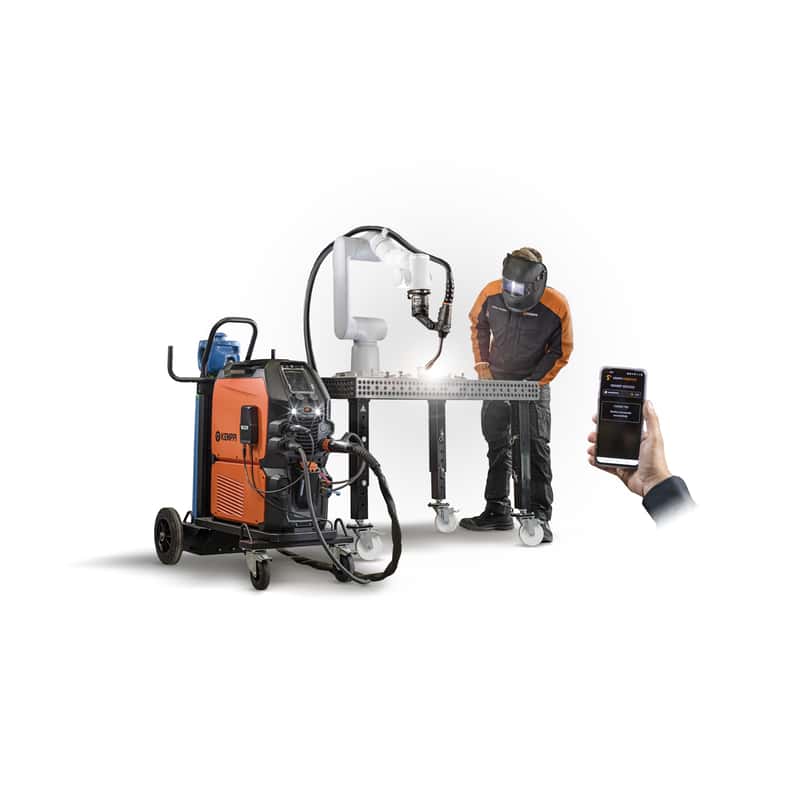
Kemppis lösningar för cobotsvetsning erbjuder smidig installation med flexibla alternativ för olika automatiserade svetstillämpningar. Vårt utbud är utformat för tillförlitlighet, precision och hög prestanda och omfattar modellerna Master M och X5 FastMig samt AX-cobotsvetsningssystemet med avancerade automatiseringsfunktioner för avancerade industriella tillämpningar.
Fler blogginlägg
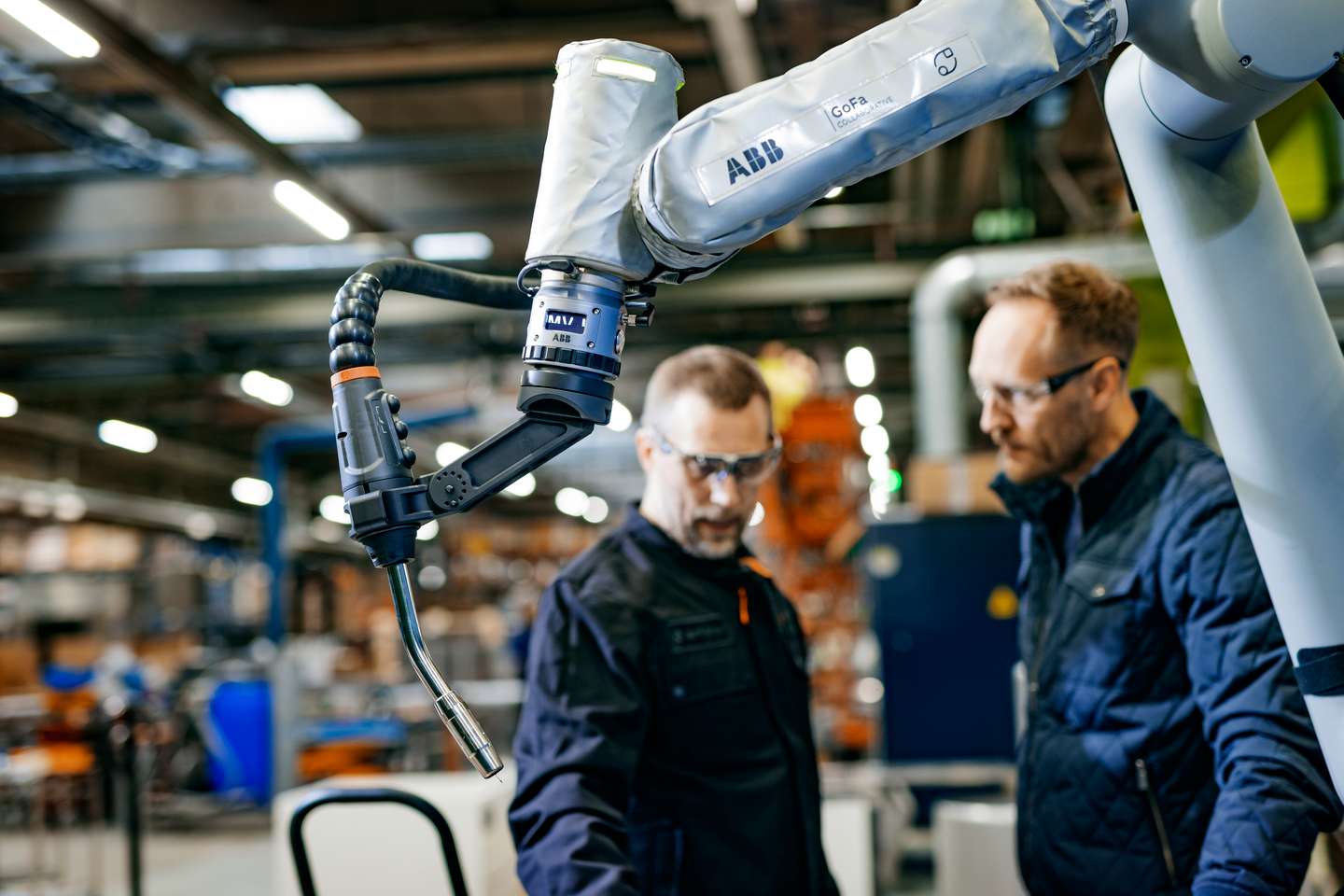
Så hjälper Kemppi sina partners att lyckas med cobotsvetsning
I den här artikeln diskuterar vi den snabba utvecklingen inom cobotsvetsning med två branschexperter: Alessio Cocchi, Global Cobot Sales & Marketing Manager på ABB, och Jakub Bancer, Key Account Manager på FANUC.
Automatisering av svetsning, Människor
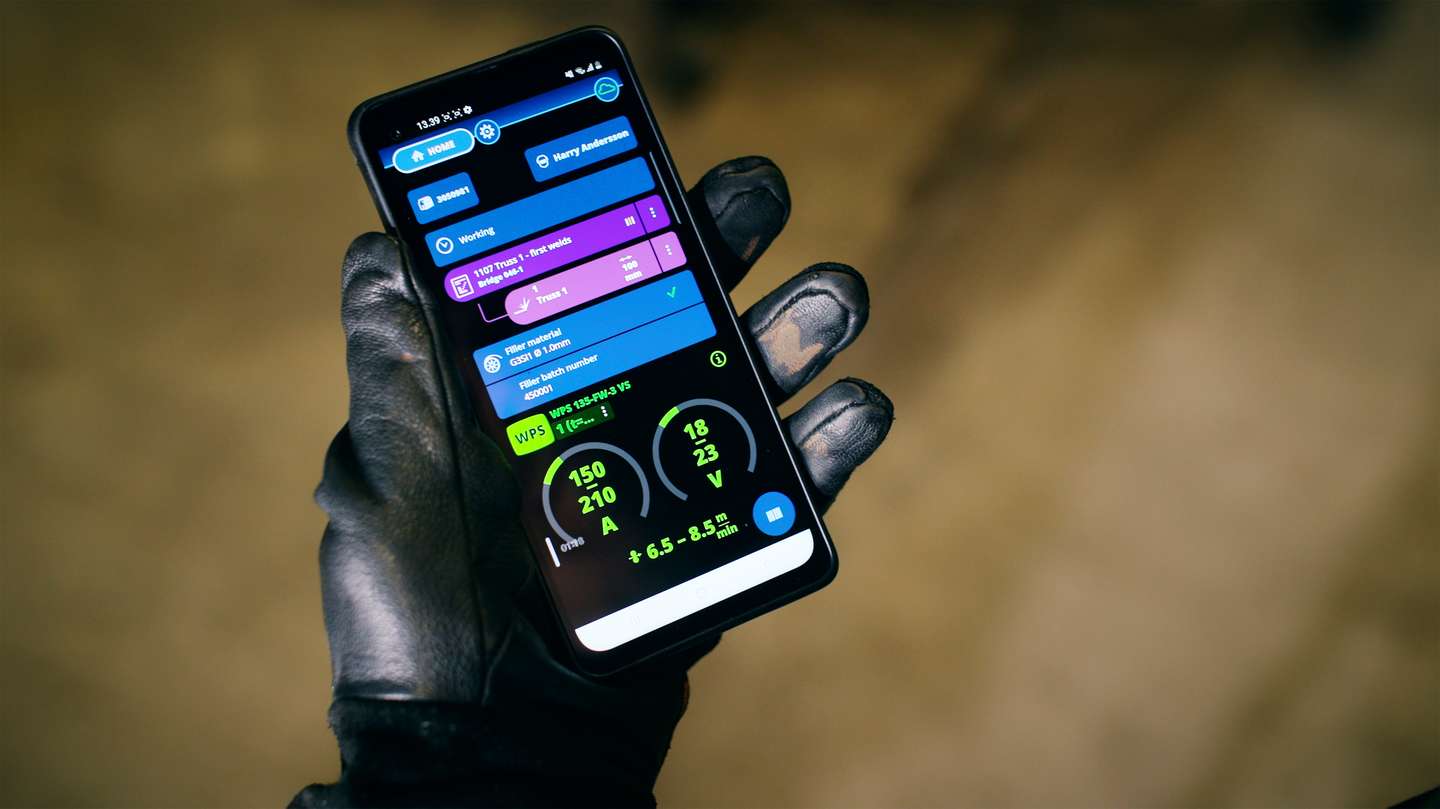
Hur WeldEye-programvaran för svetskoordinering och dokumentation sätter standarden för spårbarhet vid svetsning
Spårbarhet vid svetsning blir ett allt viktigare krav i branscher där säkerhet, kvalitet och efterlevnad är av största vikt.
Digitalisering
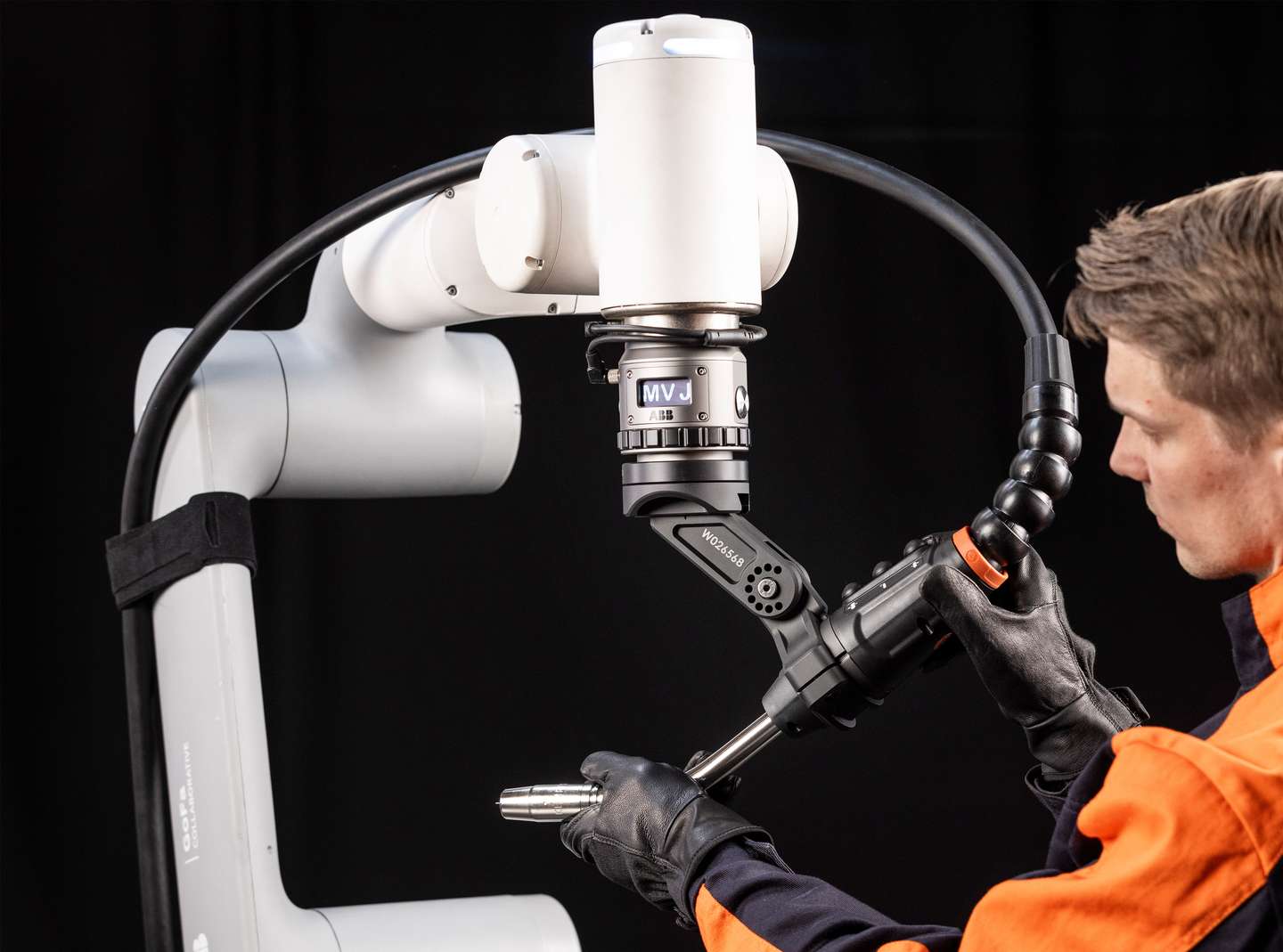
Kemppis cobotlösning: Praktisk automatisering för moderna svetsbehov
Svetsindustrin är under ständig press att höja produktiviteten, bibehålla hög kvalitet och hantera den ökande bristen på kvalificerad arbetskraft. Kollaborativa robotar, även kallade cobotar, är ett smidigt och effektivt sätt att automatisera svetsarbeten utan att helt ersätta den mänskliga operatören. Kemppis cobotlösning utmärker sig genom sitt unika koncept: en praktisk och kostnadseffektiv kombination av beprövad handsvetsningsteknik och smarta integreringsverktyg.
Automatisering av svetsning
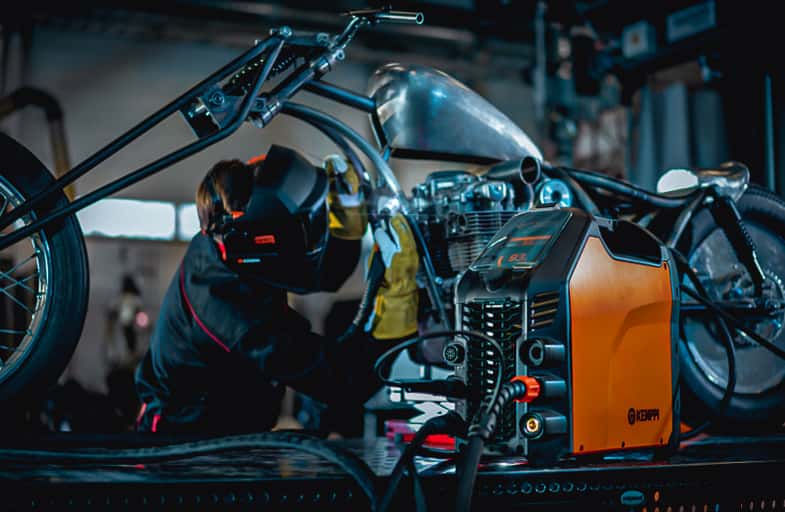
How Rapid Welding and Kemppi Built a Partnership That Lasts
Rapid Welding has worked with Kemppi since the company opened in 1990. Co-founder and Managing Director Roy Edwards highlighted the principles behind that 36-year partnership, from choosing the right welding solution and supporting equipment throughout its life to addressing the skills shortage and finding the right place for automation and laser welding.
Automatisering av svetsning, Manuell svetsning, Svetsning ABC
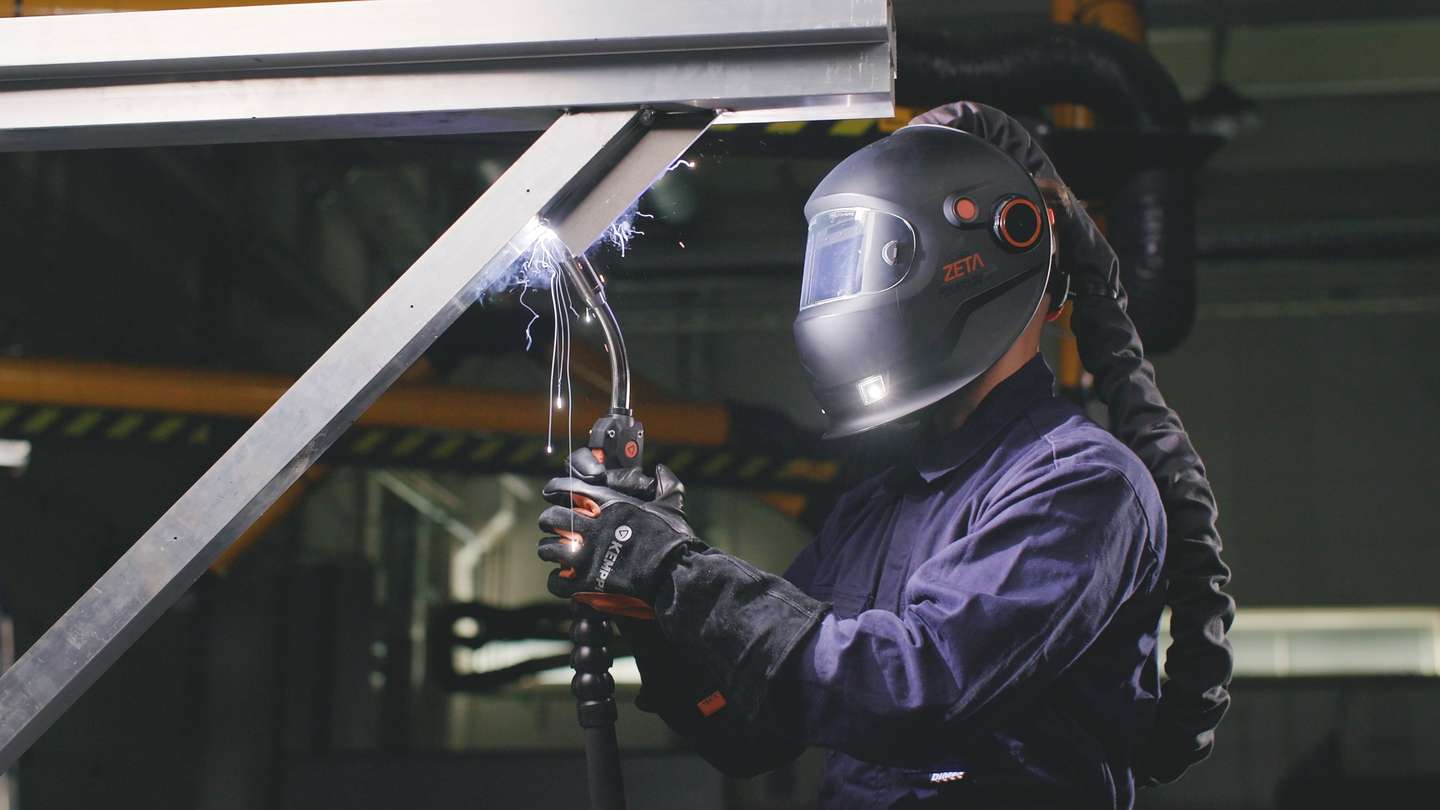
Säkerhet som anpassas efter svetsarens utmaningar och varierande risker
Svetssäkerheten ställer allt större krav. Riskerna vid ljusbågen är desamma, men moderna arbetsförhållanden innebär att exponering kan lagras under längre arbetspass och i begränsade inomhusutrymmen. Följaktligen måste personlig skyddsutrustning för svetsning betraktas både som ett skydd för svetsaren och som ett bevis på att kraven uppfylls. Hos Kemppi utformas och valideras personlig skyddsutrustning för svetsning i praktiken genom tydliga krav, synpunkter från svetsare samt verifierad överensstämmelse med EU:s förordning 2016/425 om personlig skyddsutrustning, CE-märkningsprocesser och relevanta EN-standarder.
Säkerhet, Svetsning ABC
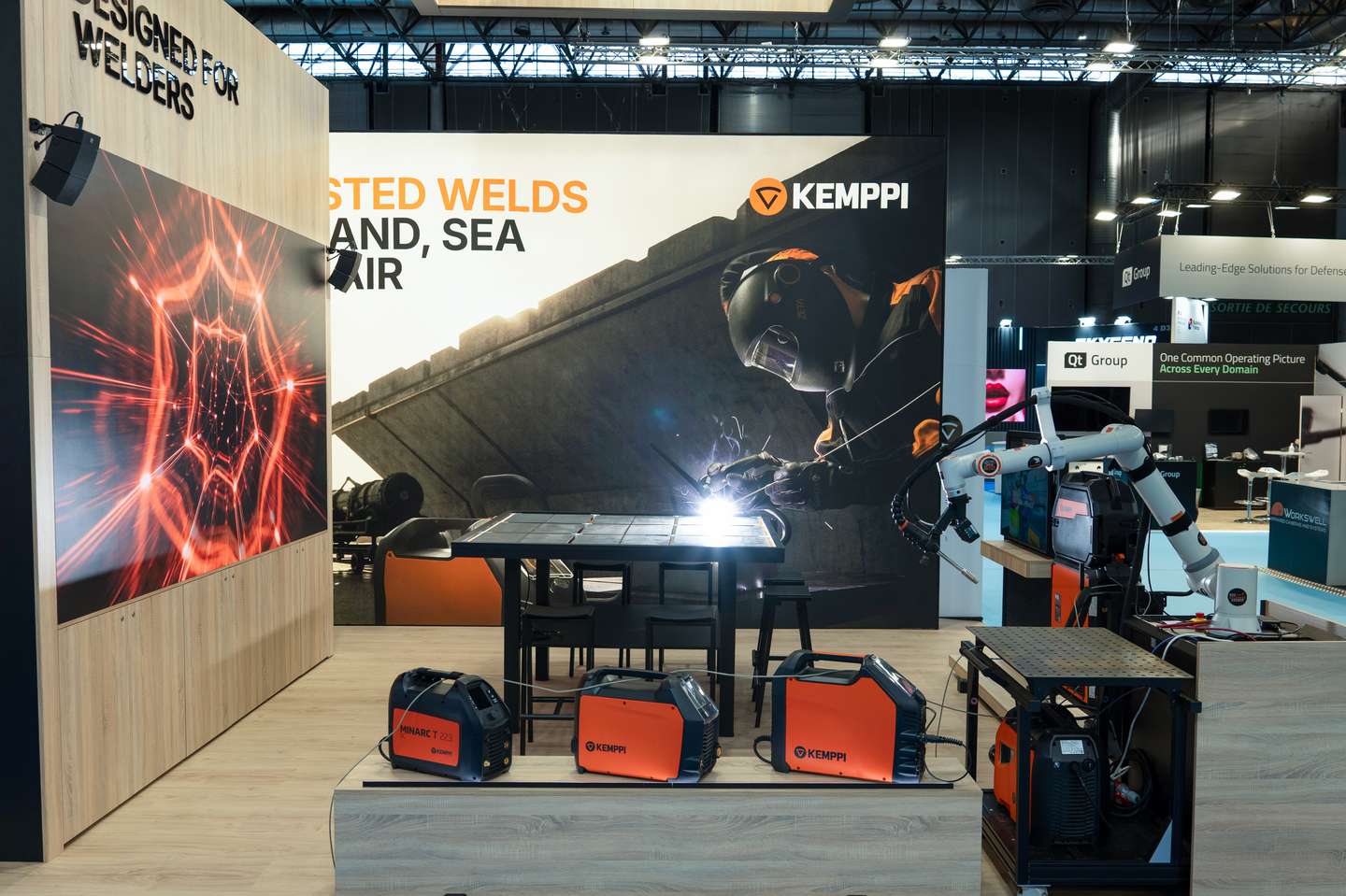
Eurosatory 2026 And the Future of Defence Manufacturing
Eurosatory 2026 highlighted a clear shift in modern defence manufacturing. While defence systems are becoming more digital, networked, and autonomous, their foundation remains physical. From armoured vehicles and artillery to industrial resilience, welding quality, steel structures, and production discipline remain paramount to defence readiness.
Digitalisering, Innovation