Innovation
Welding torch testing proves quality and durability
14. juli 2019
Kemppi's new Flexlite TX welding torch range offers cutting-edge features for precise TIG welding. The goal of the product development team was nothing less than to make the best TIG welding torches in the world, with compact neck design for demanding welding applications and consumables that guarantee the best welding quality and value. User experiences, tests, and measuring prove that the goal has been achieved successfully.
Paavo Sivula
The design of the Flexlite TX torches adapts to the position of the welder's hand and reduces wrist loading. A patent is pending for the innovative handle. The ergonomics of manual welding has also been taken into account in the materials: the torch handles are made of silicone rubber, which provides both flexibility and a firmer grip with leather gloves compared to plastic handles.
Measurements and heating test according to strict standards
Maximum durability of TIG welding torches and the safety of the welder are ensured with resistance and strength measurements in accordance with the standard IEC-60974-7. The standard defines the limits for torch heating. The handle temperature is allowed to be at maximum 30 Kelvins higher than the environment temperature. With the cable set, the limit is 40 Kelvins.
The heating test defines loads per specific torch, e.g. what welding current limit can be welded with the torch. In the heating test, a water-cooled copper block is being welded and the heating of the torch is measured with electronic sensors. The optimum points of the sensors are located with a thermal camera to ensure all the hot spots are included in the measurements. The temperature of the hottest point is reported. A standardized heating test guarantees that the torch welding efficiency is as promised. The heating test measurement cycle lasts for a minimum of 30 minutes, or until the temperature rises at maximum to two Kelvins per hour.
Testing welding torch materials and consumables
In addition to mandatory standard tests, Kemppi carries out a lot of additional testing to ensure top-quality products. The Flexlite TX welding torches were tested with several cables made of different materials from different manufacturers before the final choice. Cable materials have been selected with an emphasis on the optimum balance of durability and elasticity and, in the case of the gas cable, the purity of the shielding gas.
The consumables which have a significant role in the torch's welding quality, such as gas lens equipment, are tested through gas shielding tests. The gas flow is examined with Schlieren imaging technology in Kemppi's welding laboratory.
Kemppi's gas lenses have multiple layers of gas-diffusing mesh, which significantly improve laminar gas flow and makes the welding machine's operation extremely efficient. The video below shows a remarkable difference between the shielding gas flow from a Kemppi gas lens-equipped TIG torch and the performance from a market standard specification.
Maximum durability is assured in a tough robotic bending test
The robot bending test is the most demanding test for the entire torch assembly. The test method has been developed by Kemppi to ensure that the torch is mechanically durable through and through in terms of cable materials, copper cable, and water circulation in a water-cooled torch. The trajectories programmed in the robot include all possible welding positions. The robot bends the welding torch with one kilo's extra weight in every 40-second cycle. The test is one of the toughest tests on the TIG torches and thus ensures their maximum durability.
Discover the Flexlite TX welding torch range for TIG welding

Paavo Sivula
Paavo Sivula
Former Manager, TIG Torch Development at Kemppi Oy. Currently working as Manager, Mechanical Compliance at Kemppi torches. Several years of experience in product development with technical responsibility over TIG welding torches. Always questioning the conventional and finding new ways of creating better tools for the welders.
Relaterede produkter
Produktfamilie
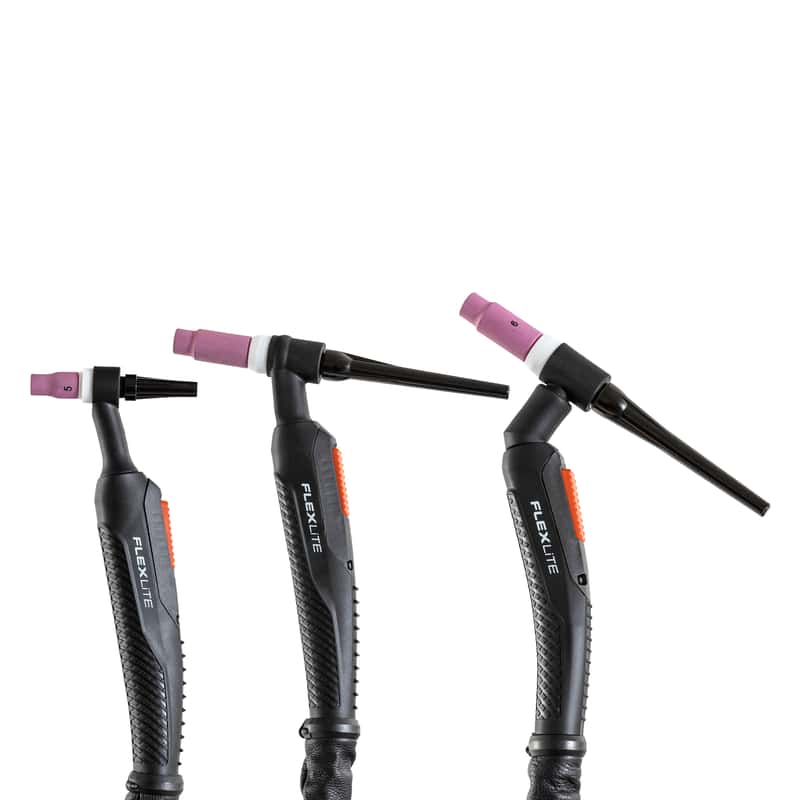
Flexlite TX-svejsebrændere er beregnet til brug sammen med Kemppis TIG-svejseudstyr. Brænderserien omfatter flere forskellige halsversioner, der giver en uovertruffen køling og adgang til svejsning på svært tilgængelige steder.
Flere blogindlæg
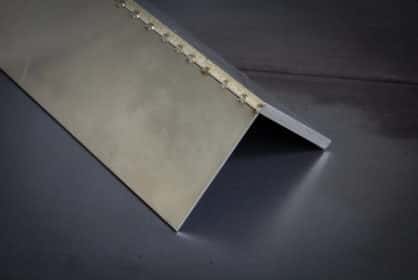
MicroTack revolutionizes the tack welding of thin sheet metal
Tack welding is one of the most important work phases before welding. In tacking, the structural parts are combined with short tack welds in preparation for the actual welding. The tack welds keep the parts in the correct position in relation to each other until the welding has been done.
Innovation
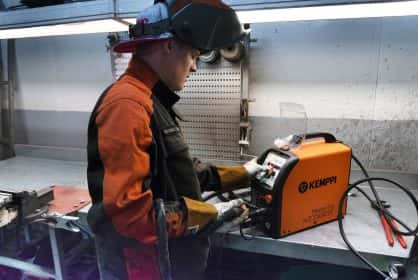
The diversity of welding
Joonas Innanen, 27, is one of the newer generation of welders. Although he studied traditional methods of welding from MIG to TIG, he has also adopted new technologies during his career.
Mennesker
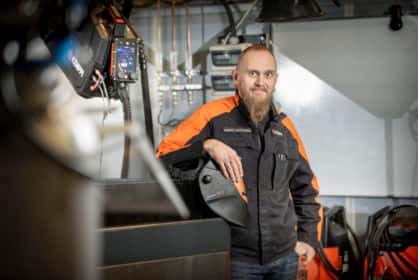
Welding instructors – true chameleons
From Slovakia to China, Saudi Arabia to Mexico, through Israel and all over Finland. These are some of the many places where his work has taken Jarkko Anttonen. Anttonen is one of the welding instructors in the Welding Services team at Kemppi. They're based in the Application Training Center at the Kemppi headquarters in Lahti, Finland. But as you can see, Anttonen's list of travel destinations is long. You could say that a welding instructors' actual workplace is basically the whole world.
Mennesker
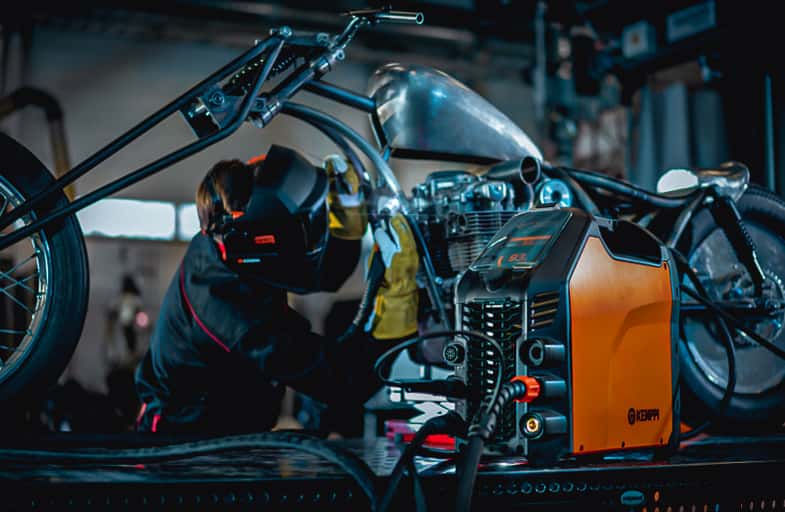
How Rapid Welding and Kemppi Built a Partnership That Lasts
Rapid Welding has worked with Kemppi since the company opened in 1990. Co-founder and Managing Director Roy Edwards highlighted the principles behind that 36-year partnership, from choosing the right welding solution and supporting equipment throughout its life to addressing the skills shortage and finding the right place for automation and laser welding.
Automatisering af svejsning, Manuel svejsning, Svejsningens ABC
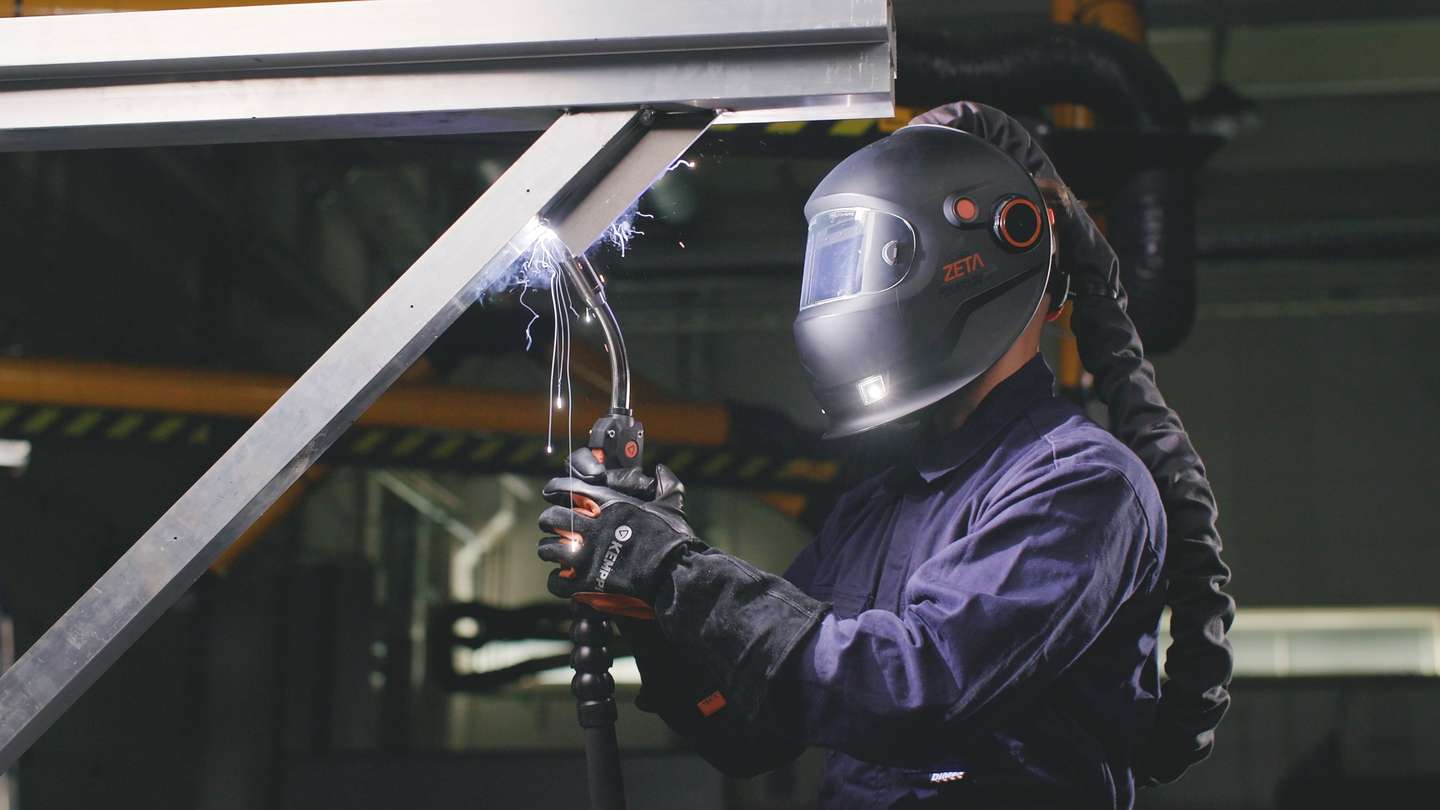
Sikkerhed, der holder trit med svejsernes udfordringer og skiftende risici
Svejsesikkerhed er blevet stadig mere krævende. Risikoen er den samme, men moderne arbejdsforhold betyder, at eksponeringen kan hobe sig op i løbet af længerevarende arbejdsskift og i trange indendørs rum. Det betyder, at personlige værnemidler til svejsning både skal ses som beskyttelse af svejseren og som overholdelse af regler. Hos Kemppi designes og valideres personlige værnemidler til svejsesikkerhed i praksis gennem klare krav, feedback fra svejsere og verificeret overholdelse af EU's PPE-forordning 2016/425, CE-mærkningsprocesser og relevante EN-standarder.
Sikkerhed, Svejsningens ABC
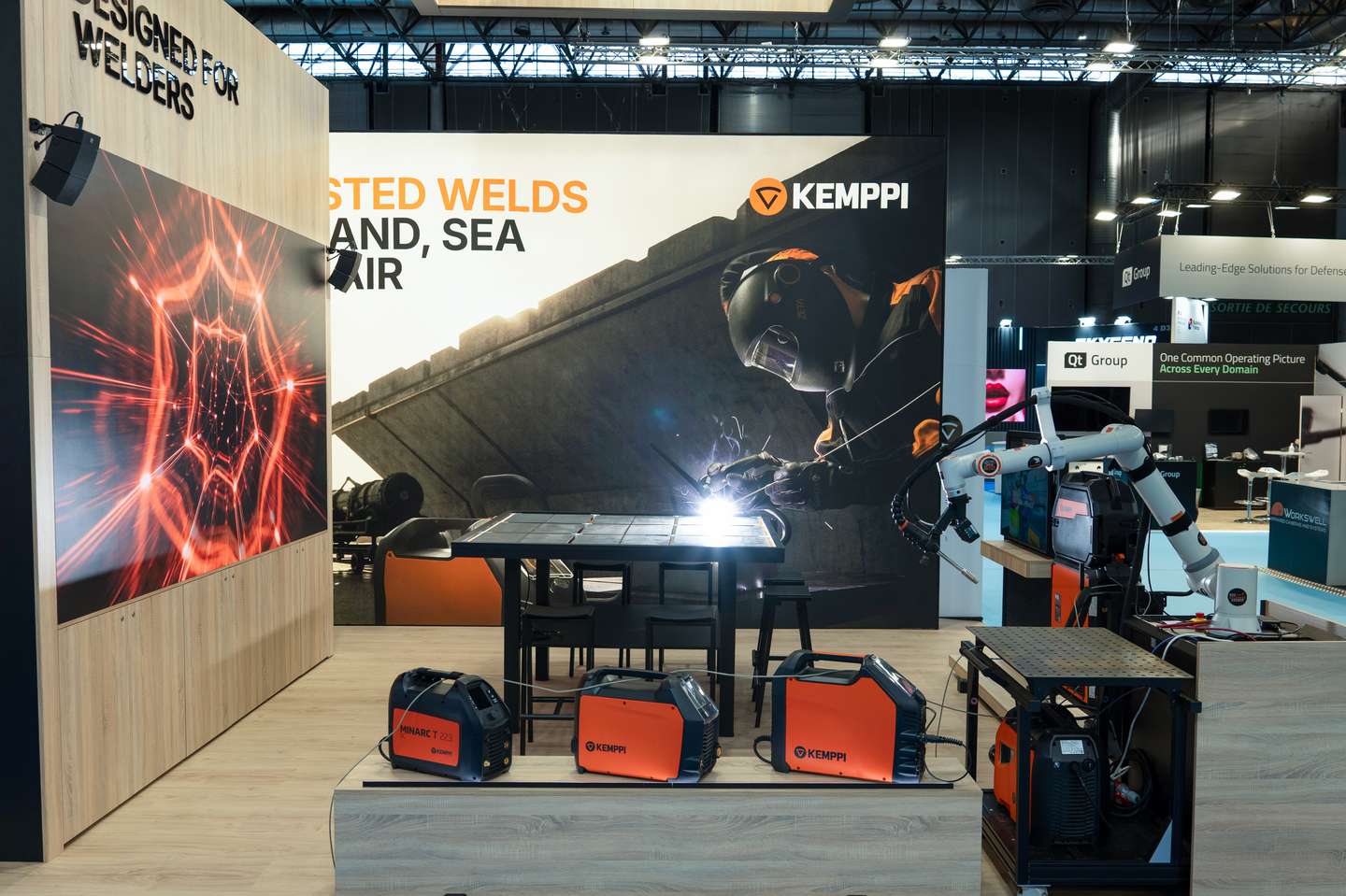
Eurosatory 2026 And the Future of Defence Manufacturing
Eurosatory 2026 highlighted a clear shift in modern defence manufacturing. While defence systems are becoming more digital, networked, and autonomous, their foundation remains physical. From armoured vehicles and artillery to industrial resilience, welding quality, steel structures, and production discipline remain paramount to defence readiness.
Digitalisering, Innovation