Welding ABC
Robotic welding
February 18, 2024
Robotic welding applications, systems, and techniques
Kemppi marketing
ROBOTIC WELDING EXPLAINED IN DETAIL
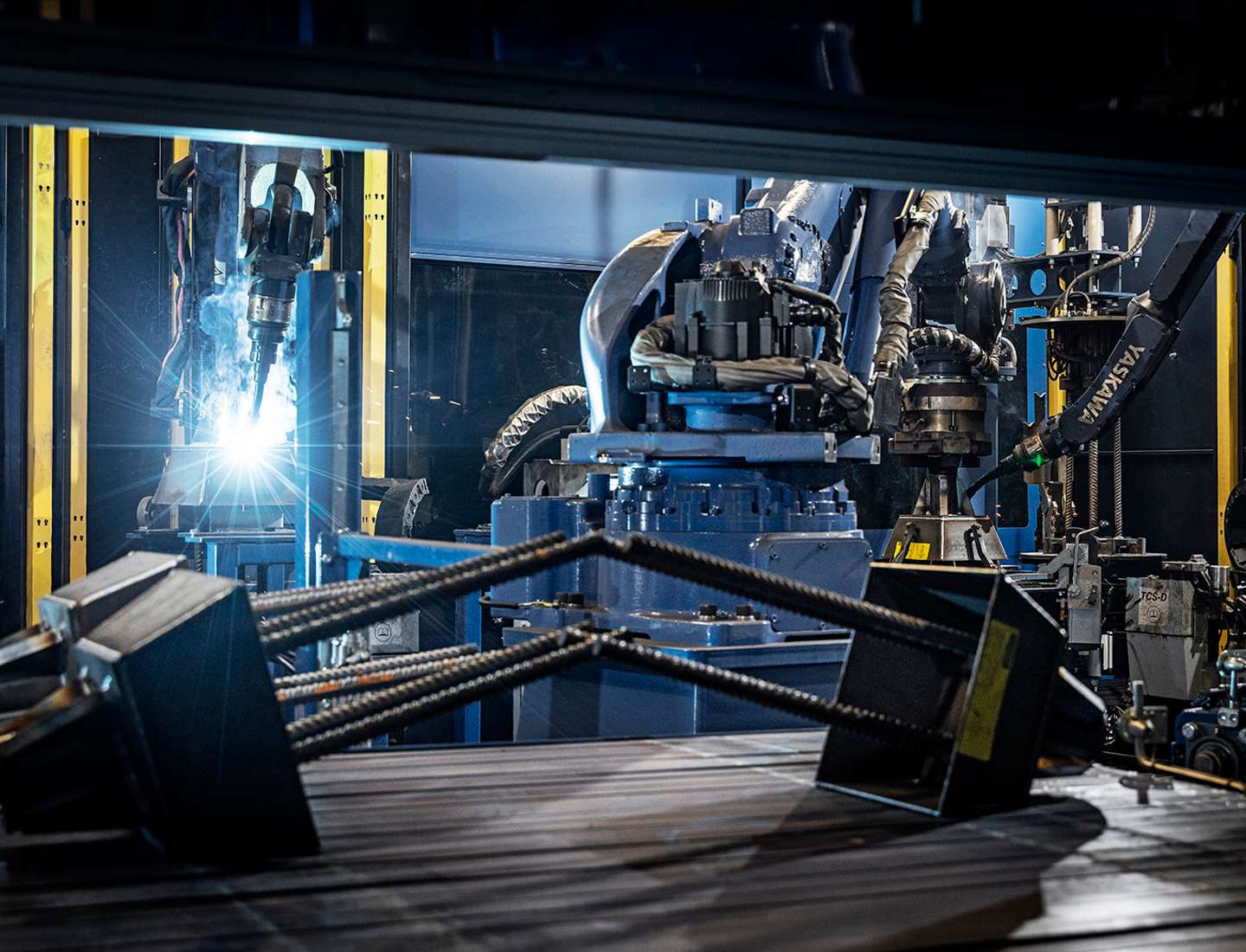
In robotic welding, the welding process is automated with robots, which perform and handle the welding based on a program, which can be reprogrammed to suit the intended project. Robotic welding is a highly advanced version of automated welding, in which machines conduct the welding, but welders still control and supervise the process.
The use of robotic technology allows for precise and quick results, less waste, and greater safety. The robots are capable of reaching otherwise inaccessible locations and can perform complicated and precise weld lines and welds more quickly than in manual welding. This frees time for manufacturing and allows for more flexibility.
With the range of machinery available, robots can adapt to a wide variety of welding processes including arc, resistance, spot, TIG, laser, plasma, and MIG welding. The main focus is on creating the right welding programs and jigs into the welding application.
ROBOTIC WELDING SAVES TIME AND INCREASES PRODUCTIVITY
Due to its time-saving benefits and high productivity, robotic welding has become important in metal and heavy industries, and especially in the automotive industry that employs spot and laser welding. It is best suited for short welds with curved surfaces and repeatable, predictable actions that don’t require continuous shifts and changes in the welding process. With the help of external axes, the robot is also suitable for long welds, for example in the shipbuilding industry.
Although robotic welding is mostly used in mass production, in which efficiency and quantity are essential, programs can be made to suit any needs, and robotics can be utilized for smaller and even one-off productions while maintaining high cost-effectiveness.
ROBOTIC WELDING COMBINES ROBOTICS, WELDING AND AI
Robotic welding combines welding, robotics, sensor technology, control systems, and artificial intelligence. The components include the software with specific programming, the welding equipment delivering the energy from the welding power source to the workpiece, and the robot using the equipment to conduct the welding. The robot’s process sensors measure the parameters of the welding process and its geometrical sensors the geometrical parameters of the welds. By acquiring and analyzing the input information from the sensors, the control system adapts the output of the robotized welding process based on the welding procedure specifications defined in the program.
Depending on the intended usage, robots can be robotic arms or robot portals. Normally, six-axis industrial robots comprising a three-axis lower arm and a three-axis wrist are used since they enable the welding torch to be mounted at the wrist to achieve all the positions necessary for three-dimensional welding.
The system needs to be integrated with the robot, and the welding equipment needs to be compatible with and preferably specifically designed for robotic welding because then, all processes can be controlled by the robot.
Browse Kemppi robotic welding systems for MIG/MAG welding
ROBOTIC WELDING TECHNIQUE FOCUSES ON PROGRAMMING
In robotic welding, the main focus is on the software and correct programming. The main expenses consist of the equipment, testing, and training of the operators, which is why robotizing the welding process always requires precise planning. The current welding production, including all its operations and costs, needs to be analyzed. In addition, the equipment’s compatibility with robotics needs to be examined.
The specifications must be exact to ensure correct welding. In automated welding, welds are consistent, so they can be measured to be as small as possible. Consistent parts allow the robot to execute the weld in the same location repeatedly. All processes can be controlled thanks to the pre-planned programs, which will operate the robot.
Robots rely on the input of the operator to execute a given task. That task, however, doesn’t have to be limited to welding the same part every time because the robot can be reprogrammed. The robot can be made to repeat the same actions round-the-clock, but the program has to be modified once the task changes.

Kemppi marketing
Kemppi marketing
Kemppi marketing aims to evoke discussion on the transformation of modern welding and bring you the latest stories from within the global welding industry, told by true experts in their respective fields.
Related products
Product family
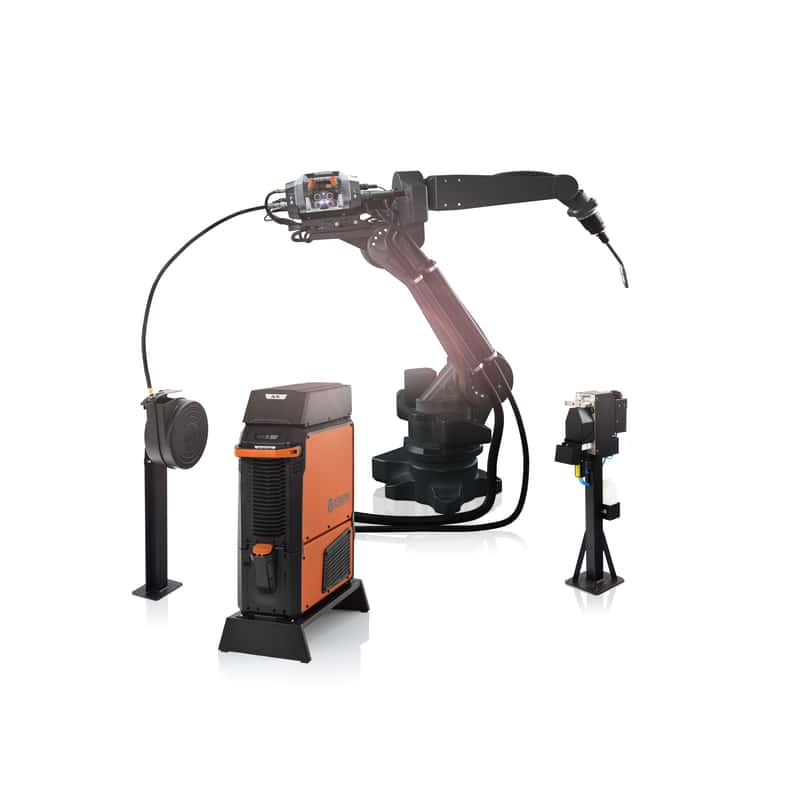
The Kemppi AX MIG Welder brings powerful performance and maximum productivity potential to your robotic welding system. Enjoy easy integration and ensure repeatable, high-quality welds with high-performance arc welding applications.
More blog posts
MIG/MAG welding
MIG welding applications, equipment, and techniques
Welding ABC

Other welding methods
MIG brazing and laser, submerged, plasma, spot, friction, and explosion welding
Welding ABC
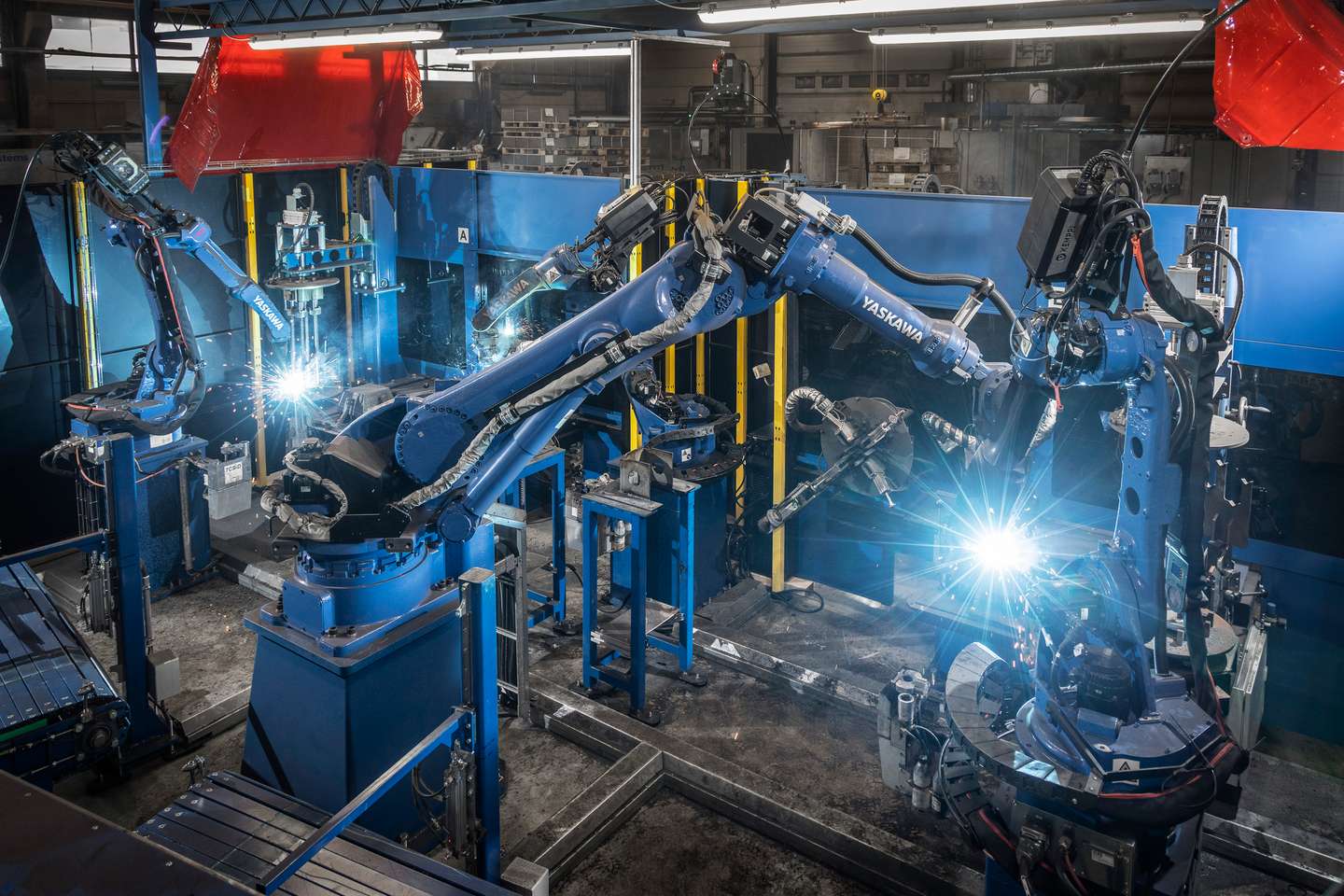
Power and Performance for Robotic Welding
Kemppi's new robotic welding machine is significantly more efficient and versatile than its predecessors. The AX MIG Welder is designed to maximize the potential of any robotic welding system – it offers powerful uninterrupted performance, an easy-to-use interface, and high-quality welds for more productive robotic arc welding operations.
Welding automation
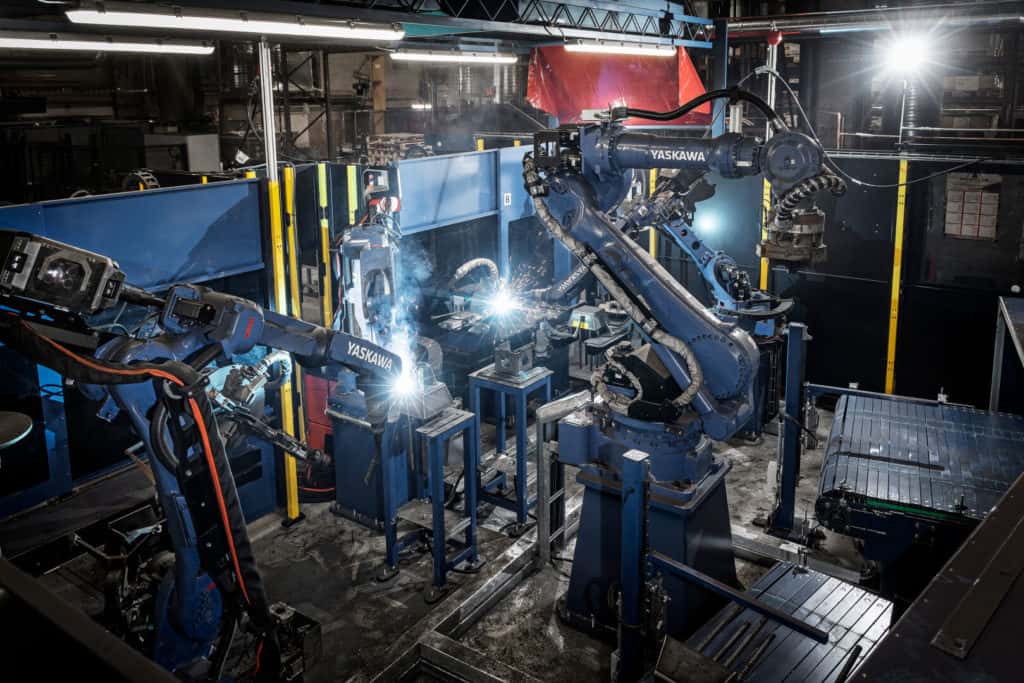
Smoothly integrating a welding power source into a robotic welding system
In today's advanced manufacturing processes, robotic welding systems have become increasingly common due to their precision, efficiency, and cost-effectiveness. However, the successful integration of a welding power source into a robotic welding system is crucial for achieving optimal performance. This article contains valuable insights and guidelines on how to smoothly integrate a welding power source into a robotic welding system for enhanced productivity and quality in welding operations.
Welding automation
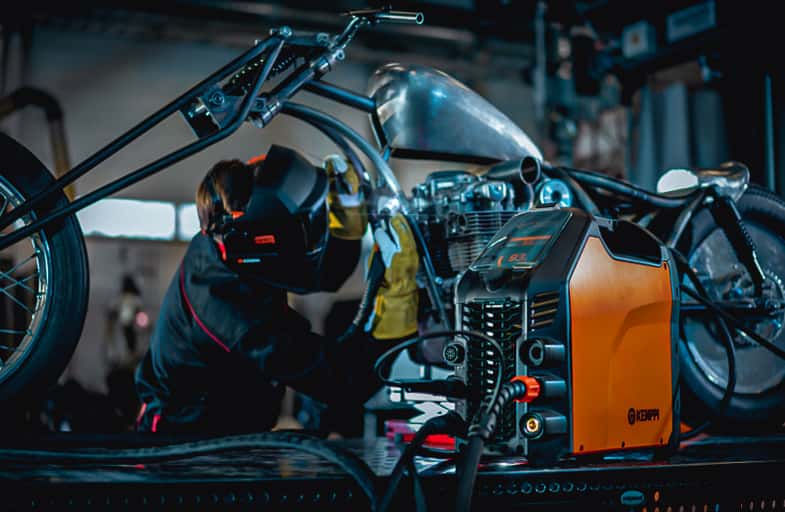
How Rapid Welding and Kemppi Built a Partnership That Lasts
Rapid Welding has worked with Kemppi since the company opened in 1990. Co-founder and Managing Director Roy Edwards highlighted the principles behind that 36-year partnership, from choosing the right welding solution and supporting equipment throughout its life to addressing the skills shortage and finding the right place for automation and laser welding.
Welding automation, Manual welding, Welding ABC
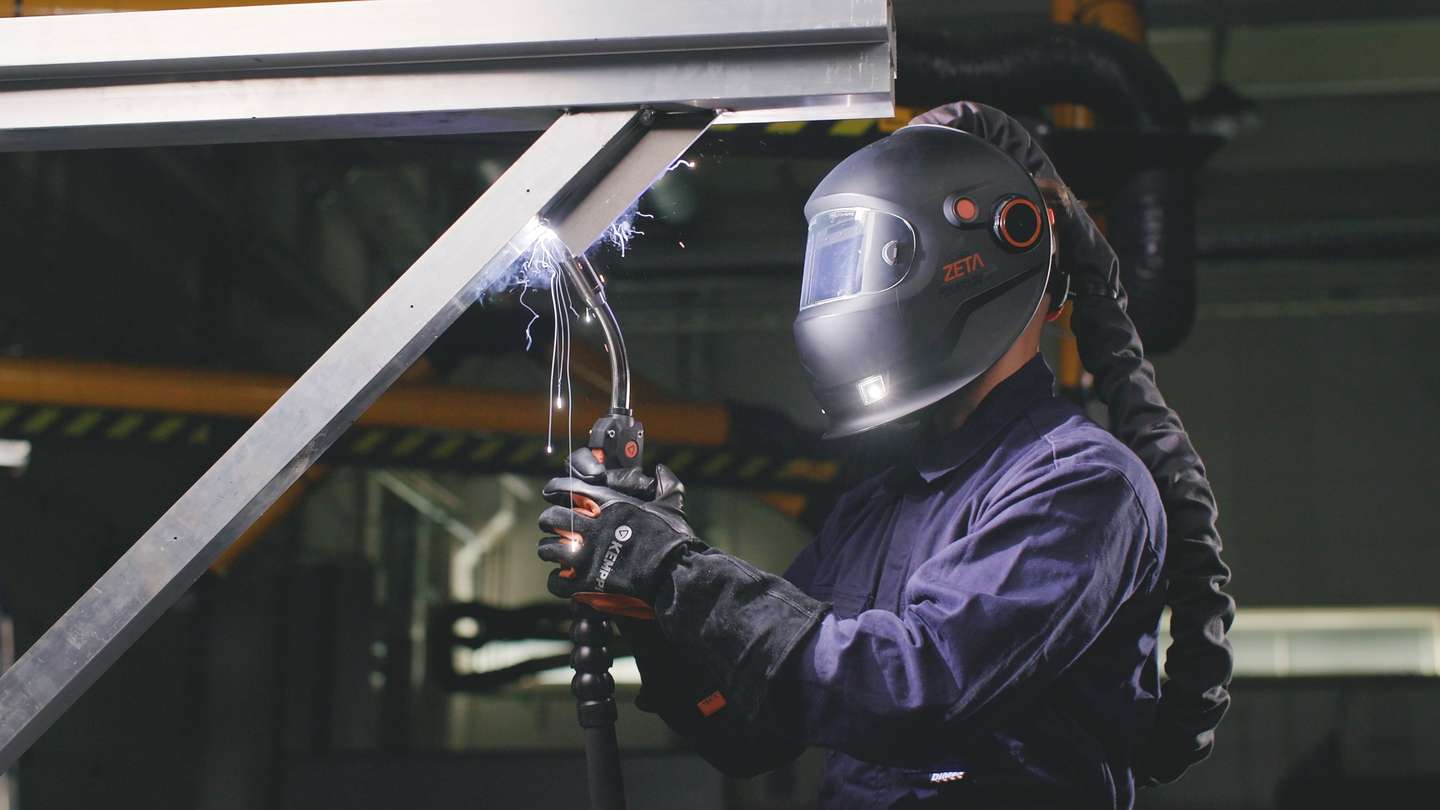
Safety that keeps up with welders' challenges and changing risks
Welding safety has become increasingly demanding. The hazards at the arc remain constant, but modern working conditions mean exposure can accumulate over longer shifts and in tighter indoor spaces. As a result, welding PPE needs to be treated as both protection for the welder and proof of compliance. At Kemppi, welding safety PPE is designed and validated in practice through clear requirements, welder-led feedback, and verified compliance with EU PPE Regulation 2016/425, CE marking processes, and relevant EN standards.
Safety, Welding ABC