Designed for welders

Designed for welders

New Products

GX-R System

Product family

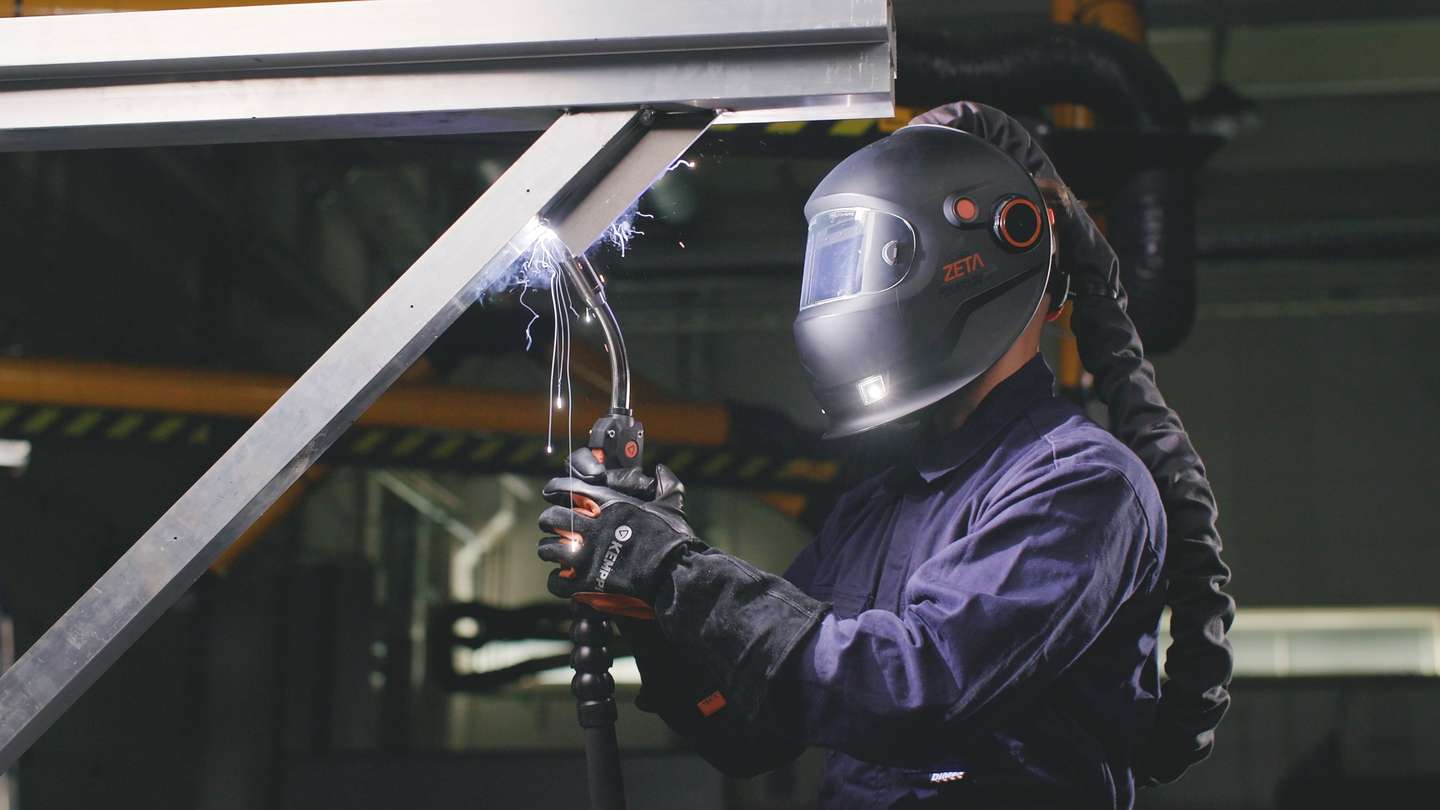
The GX-R robot welding torch system is built to plug in and perform in the most demanding automated MIG/MAG welding applications. Getting the best from your Kemppi AX robot welding solution, the GX-R system will meet the highest expectations of your robot and you.

Master T

Product family

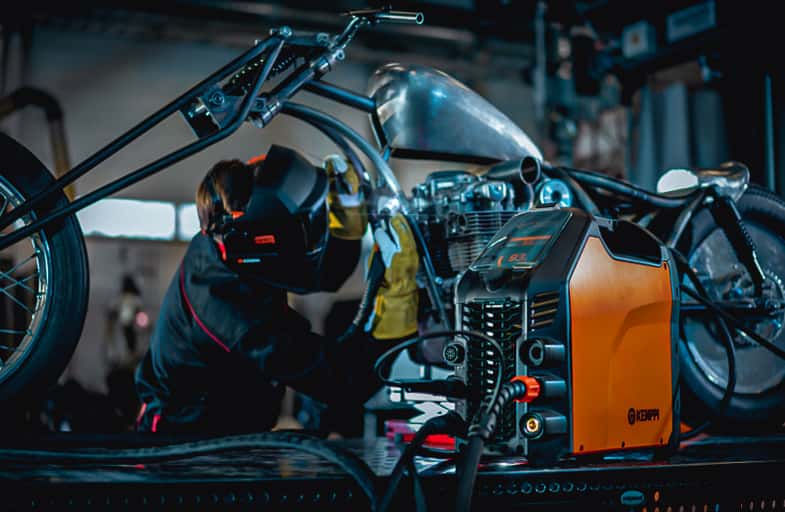
Master T is a premium TIG welding machine for professional AC DC TIG welding. It delivers exceptional weld quality, precision, and energy efficiency. With advanced features like MAX WeldClean and DeMagnetization mode, it boosts productivity while ensuring consistent results.

Master S 305

Product family

Master S 305 is a stylish and practical stick welding machine that guarantees optimal welding performance and fast parameter setting.

The iconic TIG welding machine, remastered capabilities

Highlight in TIG welding

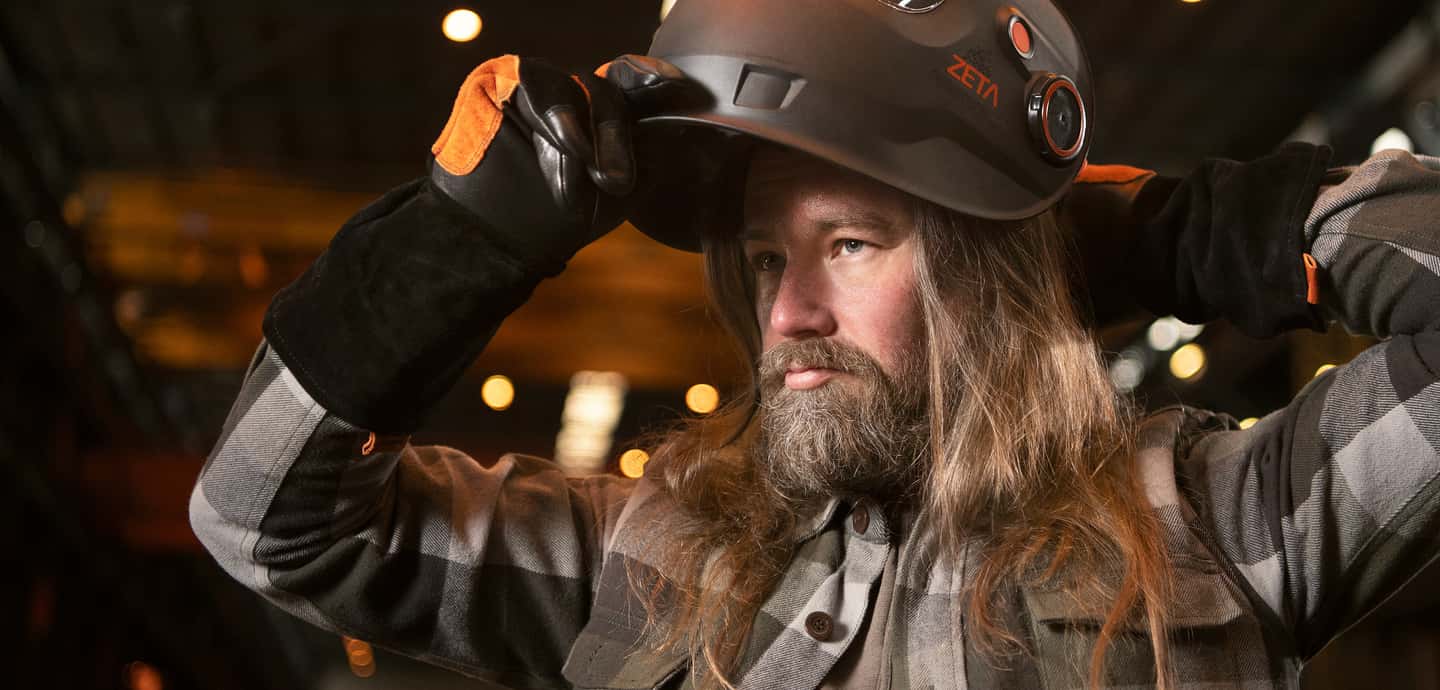
Master your craft with the new Master T. It has the same iconic look but more power, lower noise levels, and smoother ignition. The best part? Every ACDC model comes with two innovative features: MAX WeldClean electrolytic cleaning mode and DeMagnetization mode, which eliminates the material's magnetism. Whether you are welding stainless steel, titanium, or aluminium, enjoy precision and high-quality welds with the new Master T.

Discover the Master T
The iconic TIG welding machine, remastered capabilities

Reference cases

Unleash the full potential of robotic welding

Highlight in welding automation

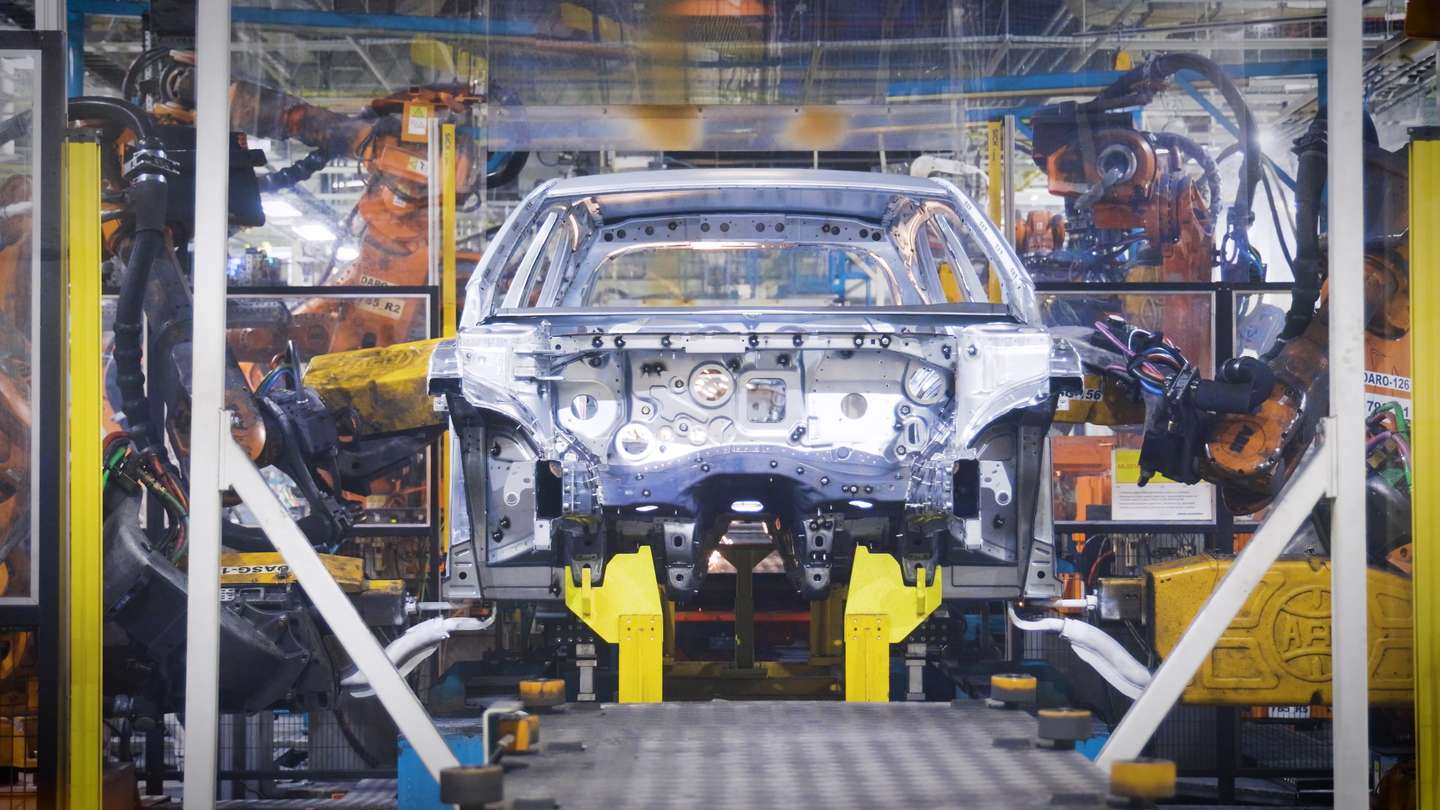
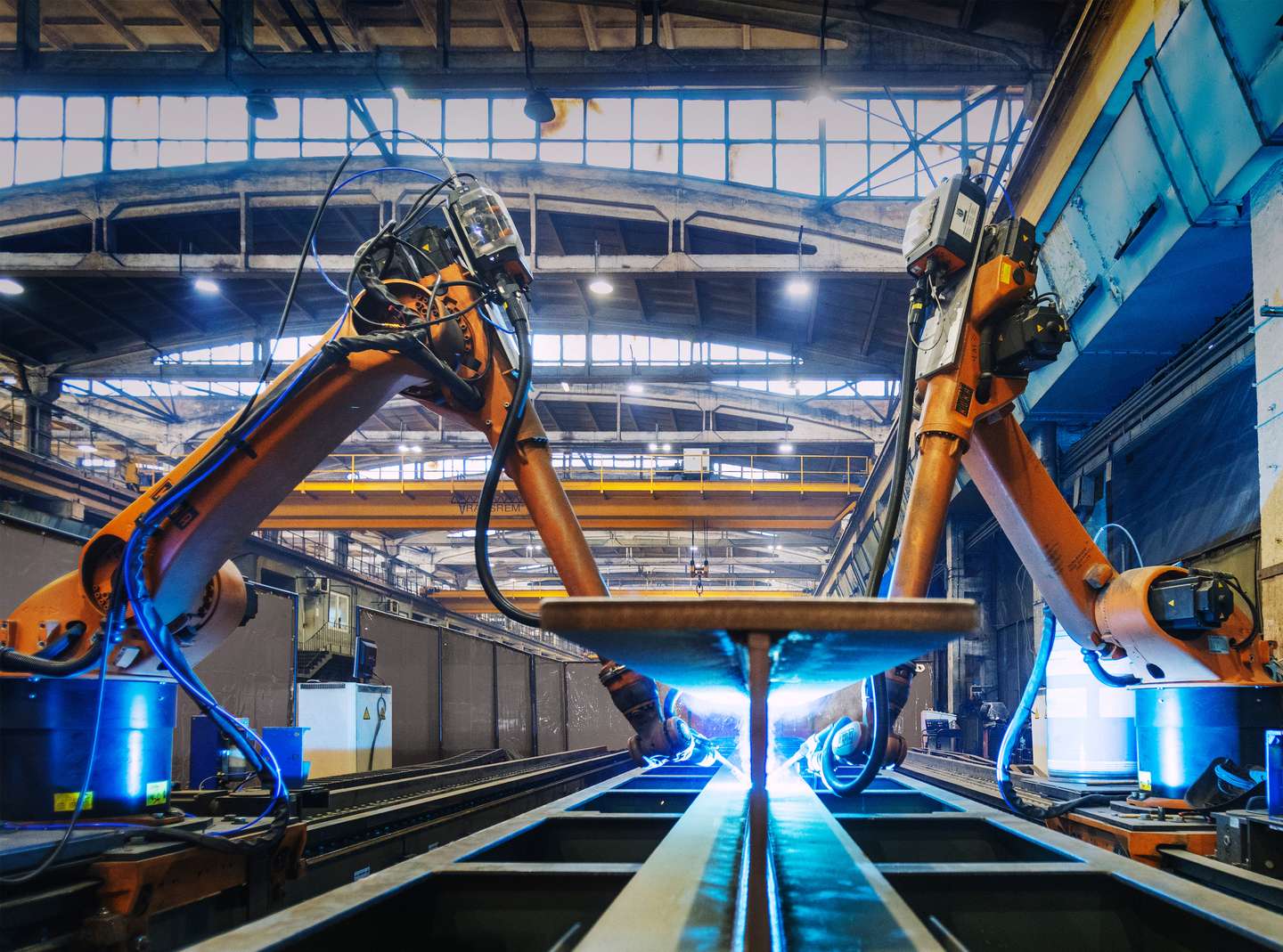
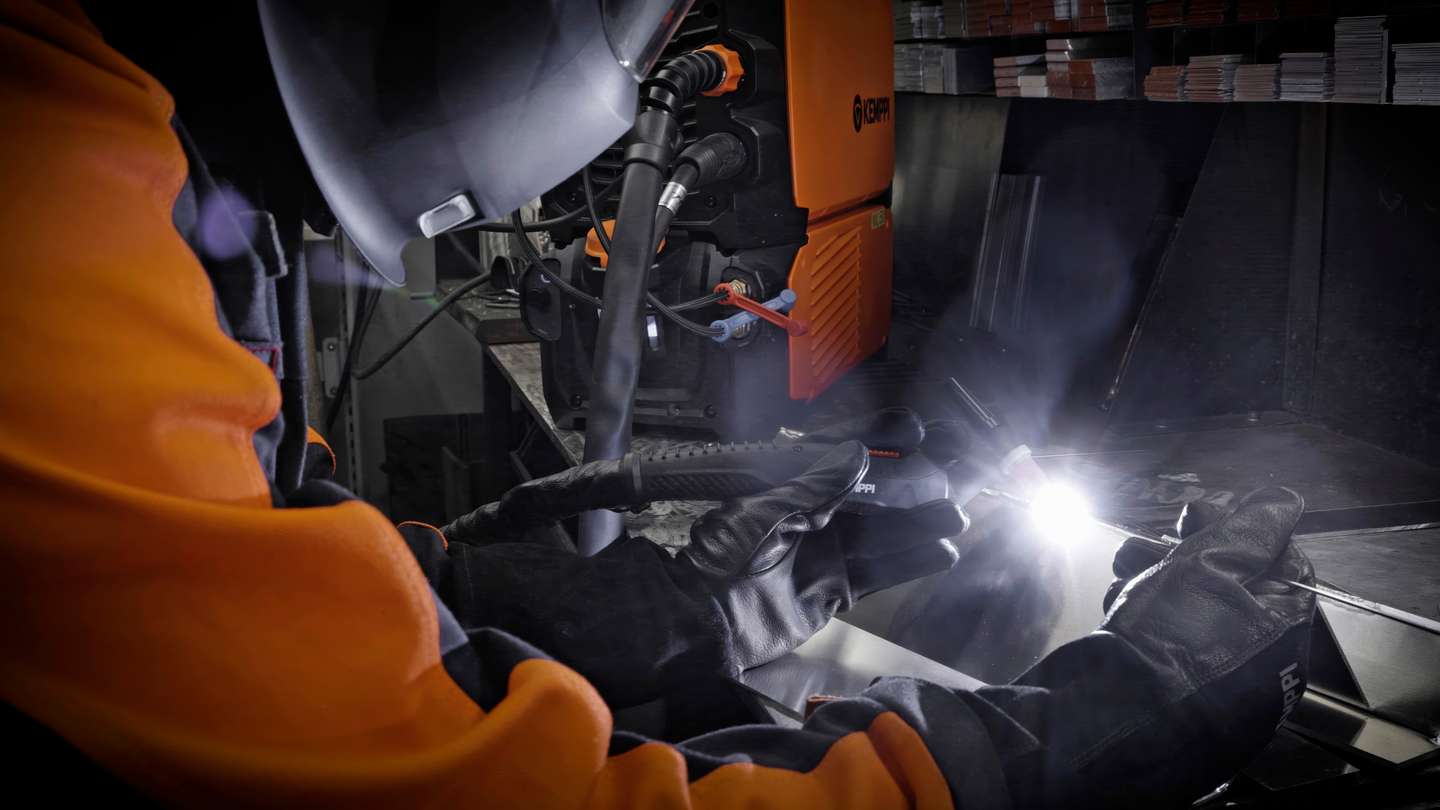
Built for 24/7 industrial performance, the AX MIG Welder ensures reliable, high-quality robotic welding across industries where productivity and precision are critical. Its versatile MAX and Wise arc processes improve welding speed, reduce heat input, and optimize productivity, making it the ultimate solution for automated manufacturing.
Go to the AX MIG Welder page
Unleash the full potential of robotic welding

Latest blogs from Kemppi

Kemppi's advanced welding processes: TIG and stick welding (MMA)
  • Blog
  • ·
  • 8 December 2025
  • ·

Kemppi's advanced welding processes: TIG and stick welding (MMA)

In TIG welding, process development has mainly focused on modifying the current modes in different situations. In practice, this means variations of pulse and AC welding, as well as ignition or tack welding. In the case of pulse welding, the welding machine user has numerous choices, as the adjustment possibilities for these process variations are highly versatile.

  • Blog
  • ·
  • 24 November 2025
  • ·

Magnetism in welding: how to deal with magnetic blow

  • Blog
  • ·
  • 17 October 2025
  • ·

Welding performance starts at the torch

  • Blog
  • ·
  • 1 September 2025
  • ·

How Kemppi helps its partners succeed in cobot welding

See all blog posts

Introducing the X3 FastMig

MIG Welding Highlight

Complete high-quality welds in any work environment. With easy-to-use controls and a durable design, the X3 FastMig is a brilliantly simple MIG/MAG welder that is perfect for heavy industrial welding. With 420–450 amps of power at a 60% duty cycle, the X3 is brutally effective without compromising quality. It's extremely powerful, but it's also precise enough for welds that just need to be done quickly.

Discover the X3 FastMig
Introducing the X3 FastMig
How to weld aluminum

How to weld aluminum

Blog

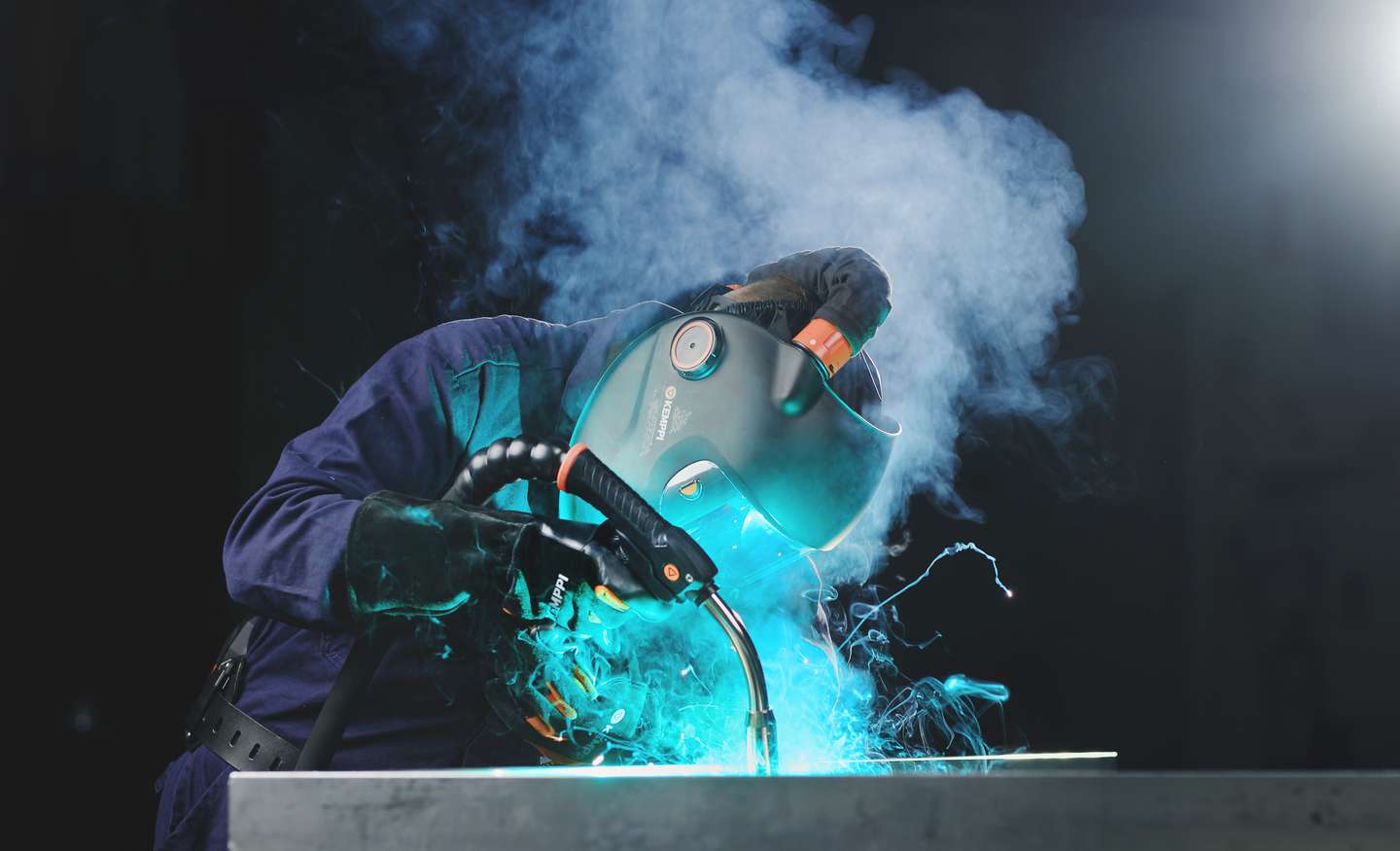
Some metals, like aluminum, have a naturally occurring, tough surface oxide layer. That surface oxide layer must be removed to enable successful welding. In the case of aluminum alloys, the surface oxide layer has a significantly higher melting temperature (approximately 2000°C) than the melting temperature of the aluminum base material (660°C).
Read the blog article
Common welding hazards

Common welding hazards

Blog

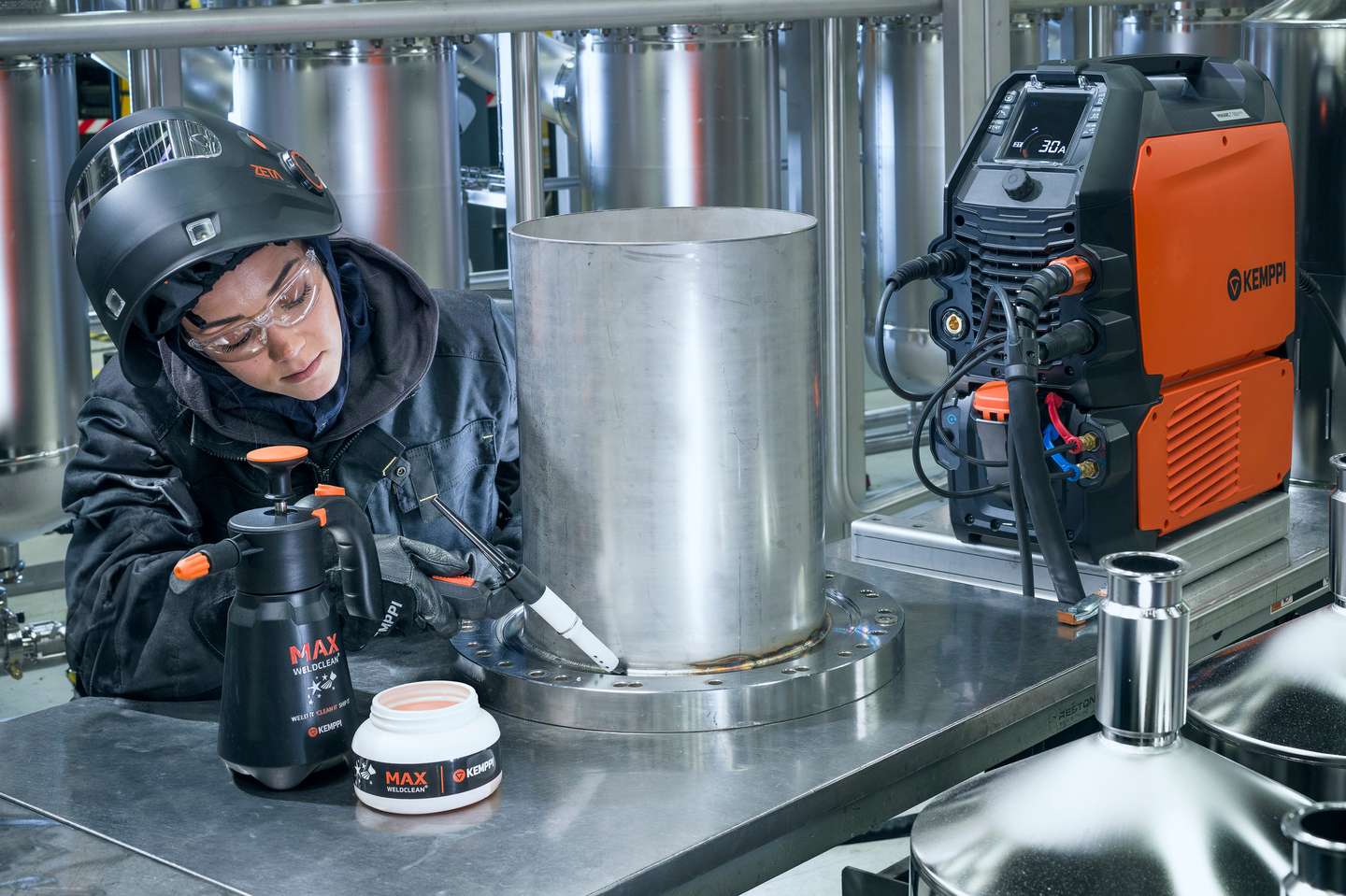
Welding is an important skill that shapes our world, from the vehicles we use to the buildings we live in. This essential process also has its dangers, making safety a top priority. Knowing and following safety measures can significantly reduce accidents and injuries. In this blog post, we explore major safety issues and the steps that every welder should take.
Read the blog article
Making weld cleaning easy and cost-efficient

Making weld cleaning easy and cost-efficient

Blog

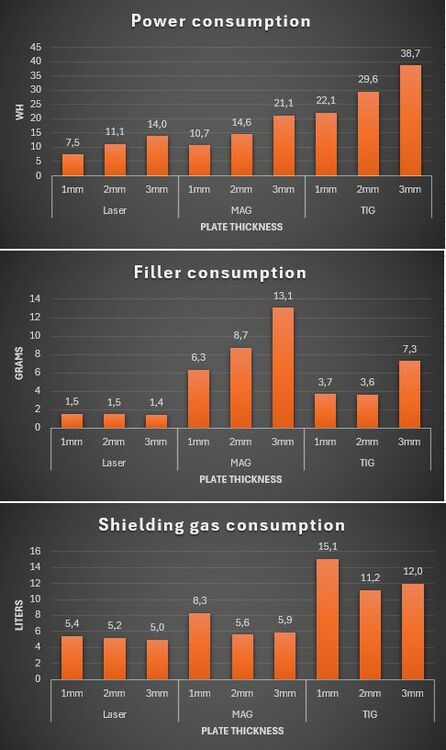
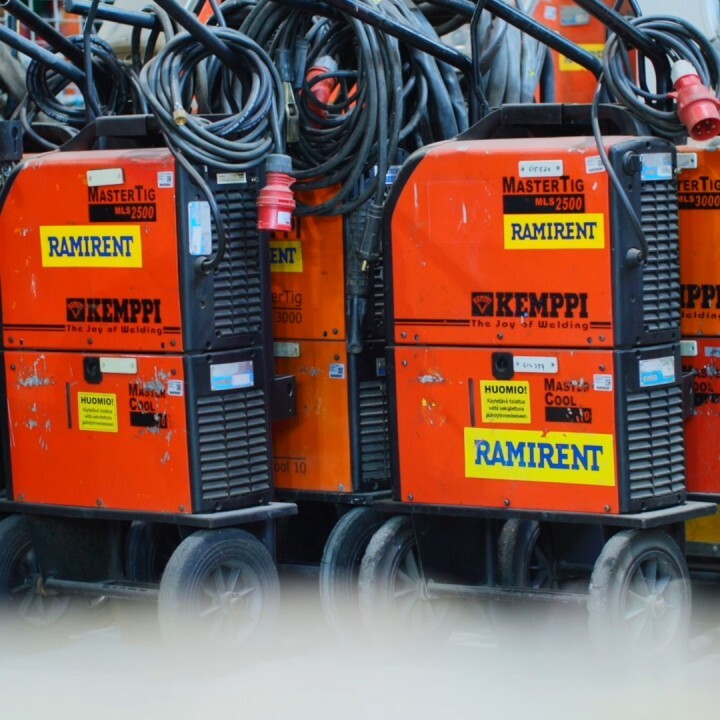
Welding is all around us. It binds together the metals to build structures essential to our everyday lives. However, beyond the visible sparks and strong connections, there's an aspect often underestimated: weld cleaning. Especially with stainless steels, proper weld cleaning not only improves the aesthetic appearance of the weld but also ensures its strength, durability, and overall quality.
Read the blog article

Kemppi on social media

Robots vs Cobots
Which one is the right path for your welding operations?

“Should we automate?” isn’t the question. It’s how you automate without losing quality, flexibility or uptime, and attract more young welders in business

Don’t start with hardware. Start with arc-on time. Most manual shops run 20–30% arc-on time once non-welding work is counted. What steals it? Handling, fit-up, repositioning, changeovers, finishing work such as grinding. With cobots, for instance, weld quality and appearance are highly consistent so the seams need little to no post-weld finishing.

Robots dominate when joints are repeatable, fixturing is rigid and runs are long. Once the weld path is taught and proven, you get cycle-time control, scalable output and typically 60–80% arc-on time, while small series can be slower to ramp up due to programming and trial-weld time.

Cobots win the flexibility range which entails high-mix work + frequent changeovers → redeploy fast without rebuilding the whole cell. A simple way to lift arc-on time with cobots is the two-fixture flow. Prep Part B while the cobot welds Part A and achieve 70%+ arc-on time in many setups.

Let's face it: skilled welders are not easily available.
Cobots help because they: handle basic, repeatable welding with consistent quality 
Give newcomers a modern path: operator → cobot operator → welding/automation specialist

So the real question is, what’s your #1 goal right now?
1) Throughput/scale
2) Flexibility/changeovers
3) Quality consistency
4) Workforce availability

#Kemppi #KemppiWelding #CobotWelding #RobotWelding

Robots vs Cobots Which one is the right path for your welding operations? “Should we automate?” isn’t the question. It’s how you automate without losing quality, flexibility or uptime, and attract more young welders in business Don’t start with hardware. Start with arc-on time. Most manual shops run 20–30% arc-on time once non-welding work is counted. What steals it? Handling, fit-up, repositioning, changeovers, finishing work such as grinding. With cobots, for instance, weld quality and appearance are highly consistent so the seams need little to no post-weld finishing. Robots dominate when joints are repeatable, fixturing is rigid and runs are long. Once the weld path is taught and proven, you get cycle-time control, scalable output and typically 60–80% arc-on time, while small series can be slower to ramp up due to programming and trial-weld time. Cobots win the flexibility range which entails high-mix work + frequent changeovers → redeploy fast without rebuilding the whole cell. A simple way to lift arc-on time with cobots is the two-fixture flow. Prep Part B while the cobot welds Part A and achieve 70%+ arc-on time in many setups. Let's face it: skilled welders are not easily available. Cobots help because they: handle basic, repeatable welding with consistent quality Give newcomers a modern path: operator → cobot operator → welding/automation specialist So the real question is, what’s your #1 goal right now? 1) Throughput/scale 2) Flexibility/changeovers 3) Quality consistency 4) Workforce availability #Kemppi #KemppiWelding #CobotWelding #RobotWelding

3 hours ago in Instagram

Robots vs Cobots
Which one is the right path for your welding operations?

“Should we automate?” isn’t the question. It’s how you automate without losing quality, flexibility or uptime, and attract more young welders in business

Don’t start with hardware. Start with arc-on time. Most manual shops run 20–30% arc-on time once non-welding work is counted. What steals it? Handling, fit-up, repositioning, changeovers, finishing work such as grinding. With cobots, for instance, weld quality and appearance are highly consistent so the seams need little to no post-weld finishing.

Robots dominate when joints are repeatable, fixturing is rigid and runs are long. Once the weld path is taught and proven, you get cycle-time control, scalable output and typically 60–80% arc-on time, while small series can be slower to ramp up due to programming and trial-weld time.

Cobots win the flexibility range which entails high-mix work + frequent changeovers → redeploy fast without rebuilding the whole cell. A simple way to lift arc-on time with cobots is the two-fixture flow. Prep Part B while the cobot welds Part A and achieve 70%+ arc-on time in many setups.

Let's face it: skilled welders are not easily available.
Cobots help because they: handle basic, repeatable welding with consistent quality 
Give newcomers a modern path: operator → cobot operator → welding/automation specialist

So the real question is, what’s your #1 goal right now?
1) Throughput/scale
2) Flexibility/changeovers
3) Quality consistency
4) Workforce availability

#Kemppi #KemppiWelding #CobotWelding #RobotWelding

Robots vs Cobots Which one is the right path for your welding operations? “Should we automate?” isn’t the question. It’s how you automate without losing quality, flexibility or uptime, and attract more young welders in business Don’t start with hardware. Start with arc-on time. Most manual shops run 20–30% arc-on time once non-welding work is counted. What steals it? Handling, fit-up, repositioning, changeovers, finishing work such as grinding. With cobots, for instance, weld quality and appearance are highly consistent so the seams need little to no post-weld finishing. Robots dominate when joints are repeatable, fixturing is rigid and runs are long. Once the weld path is taught and proven, you get cycle-time control, scalable output and typically 60–80% arc-on time, while small series can be slower to ramp up due to programming and trial-weld time. Cobots win the flexibility range which entails high-mix work + frequent changeovers → redeploy fast without rebuilding the whole cell. A simple way to lift arc-on time with cobots is the two-fixture flow. Prep Part B while the cobot welds Part A and achieve 70%+ arc-on time in many setups. Let's face it: skilled welders are not easily available. Cobots help because they: handle basic, repeatable welding with consistent quality Give newcomers a modern path: operator → cobot operator → welding/automation specialist So the real question is, what’s your #1 goal right now? 1) Throughput/scale 2) Flexibility/changeovers 3) Quality consistency 4) Workforce availability #Kemppi #KemppiWelding #CobotWelding #RobotWelding

10 hours ago in Facebook

Show more posts

Subscribe to our newsletter and be among the first to know the latest from Kemppi.

Select contact type

By subscribing, you agree to receive marketing emails from Kemppi.

The forerunners of arc welding

Kemppi is the design leader of the arc welding industry. Kemppi is the design leader in the arc welding industry. We are committed to boosting the quality and productivity of welding by continuous development of the welding arc and by working for a greener and more equal world. Kemppi supplies sustainable products, digital solutions, and services for professionals from industrial welding companies to single contractors. The usability and reliability of our products is our guiding principle. We operate with a highly skilled partner network covering over 70 countries to make its expertise locally available. Headquartered in Lahti, Finland, Kemppi employs over 650 professionals in 16 countries and has a revenue of 209 MEUR in 2023.

Kemppi – Designed for welders

Copyright © 2025 Kemppi Oy