Lasautomatisering
What Nordic Welding Expo 2026 revealed: robotics, laser welding and the future of fabrication
26 maart 2026
The Nordic Welding Expo 2026 highlighted where welding is heading. While automation and laser welding are accelerating, the real advantage lies in workflows that deliver repeatable results under real constraints and digital traceability is becoming part of everyday production
Varsha Saraogi
Onderwerpen:
In the welding, robotic integration and manufacturing industries, the conversation is changing. At Nordic Welding Expo’s 20th edition in Tampere, that shift was impossible to miss: we’re moving from planning to implement automation to deploying technologies that can be integrated smoothly as well as survive production challenges such as changing variation, time pressure, mixed materials and the daily grind of getting consistent results.
We heard from some of the leading firms in robotics such as ABB, Yaskawa, Robomatik and Murri about what’s next in welding. Three themes came up: automation and laser welding with a refreshingly practical lens. And, how technology will change the role of the traditional welder.
1) Automation is no longer the question. Integration is the battleground.
Industrial robots are already scaling globally. Per the International Federation of Robotics, 542,000 industrial robots were installed in 2024 worldwide, and annual installations have stayed above 500,000 for four straight years. Admittedly, the consistent theme in conversations across the expo was that while the robot is crucial, the real challenge is integration. The most prominent issues facing companies are:
Fixturing and part variation: can the cell tolerate production reality?
Changeovers and programming time: is it flexible enough for high-mix production?
Operator adoption: can it be run confidently on the shop floor by welders and not just by specialists?
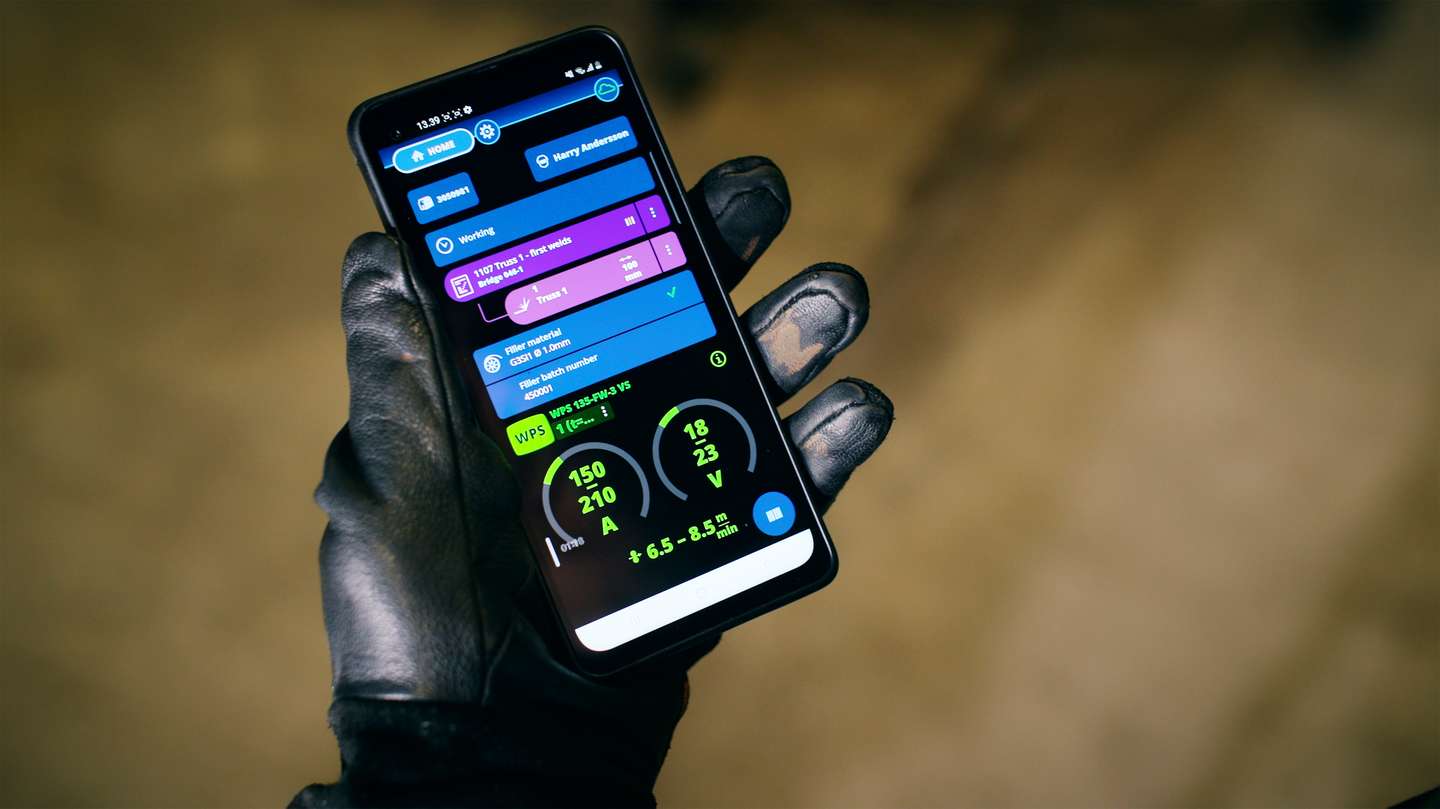
Traceability and proof: can one track the welds without creating admin overload?
Kemppi takeaway: Top priorities are repeatable arc performance, sensible parameter control, and tools that make it easier to standardize results across shifts and sites.
That’s why we design welding cells + workflows that tolerate the real production mess: part variation, awkward access, mixed batches, consumable wear. For Kemppi, helping customers turn automation and process choices into repeatable results, backed by traceability with WeldEye and training/services is what makes welding systems scalable.
2) Laser welding is moving from hype to strategy
Laser welding is already becoming a production strategy for manufacturers who chase tighter tolerances, higher throughput, and lower distortion, especially in high-volume environments where small improvements compound quickly.
Of course, arc processes remain the backbone of fabrication because they’re adaptable and more forgiving in the messy realities of gaps, variation, and positional work. Laser, by contrast, tends to win when the joint design and process control support it and where precision and low heat input translate into measurable gains.
Market signals back up that momentum. One major analysis values the laser welding machine market at USD 2.7B in 2024, projecting 5.2% CAGR through 2034, driven by advanced manufacturing needs, especially sectors like automotive, aerospace and medical devices.
3) Skills are still the multiplier
Even with automation rising, the craft isn’t going away, and neither is the need for skilled people. AWS-backed workforce data projects 320,500 new welding professionals needed in the U.S. by 2029, averaging 80,000 jobs to be filled annually by 2029. That shortage is exactly why companies should focus on: making quality repeatable, setups faster, and knowledge transferable across shifts.
The most exciting innovations go beyond new features. They are the things that help skilled welders scale quality so they can implement more stable results across positions and materials, better control the heat input, and get training in workflows that reduce variability and rework.
Kemppi takeaway: Modern welding systems demand disciplined setup, process understanding, and consistent execution. What we aim to solve through our structured training for welders: how quickly a new operator can produce a compliant weld; how consistently a team can follow WPS; how smoothly knowledge transfers across shifts and sites.
What stood out most was a clear north star: predictability. This means building welding systems defined by stable arc performance, intuitive parameter control, and digital workflows that remove friction from quality proof. Kemppi’s role sits right there - bringing equipment, WeldEye traceability, and hands-on support together so repeatable welding becomes repeatable output.

Varsha Saraogi
Varsha Saraogi
Hails from a background in journalism and editorial strategy and brings an international B2B perspective to content and communications at Kemppi. Passionate about creating stories that connect welding technology with the people and industries it serves, combining technical substance with a clear and engaging voice. Work has been published in specialist titles such as Airport Technology, Railway Technology, Ship Technology, FinTech Global, and RegTech Analyst, reflecting experience across a wide range of industrial and business sectors.
Gerelateerde producten

MSM358G
Product
Compact MIG/MAG-lasapparaat met manuele, synergische (auto), puls (autopuls) en dubbele pulslasopties. Levert 350 A met een inschakelduur van 40%. Intelligente lasparameterinstelling met Weld Assist. TFT-kleurendisplay met geïntegreerde digitale connectiviteit met WeldEye en led-werklampen voor een uitstekende gebruikerservaring. Inclusief Work pack lasprogramma's Fe, Ss, Al, CuSi, CuAl, Fe metaal, Fe rutiel, FC-CrNiMo materialen. Geschikt voor gebruik met generator.
MSM358GM
Product
Compact MIG/MAG-lasapparaat met manuele, synergische (auto) puls (autopuls) en dubbele pulslasopties. Levert 350 A met een inschakelduur van 40%. Intelligente lasparameterinstelling met Weld Assist. TFT-kleurendisplay met geïntegreerde digitale connectiviteit met WeldEye en led-werklampen voor een uitstekende gebruikerservaring. Inclusief Work pack lasprogramma's Fe, Ss, Al, CuSi, CuAl, Fe metaal, Fe rutiel, FC-CrNiMo materialen. Generator- en multi-spanning-gebruik.
Productfamilie
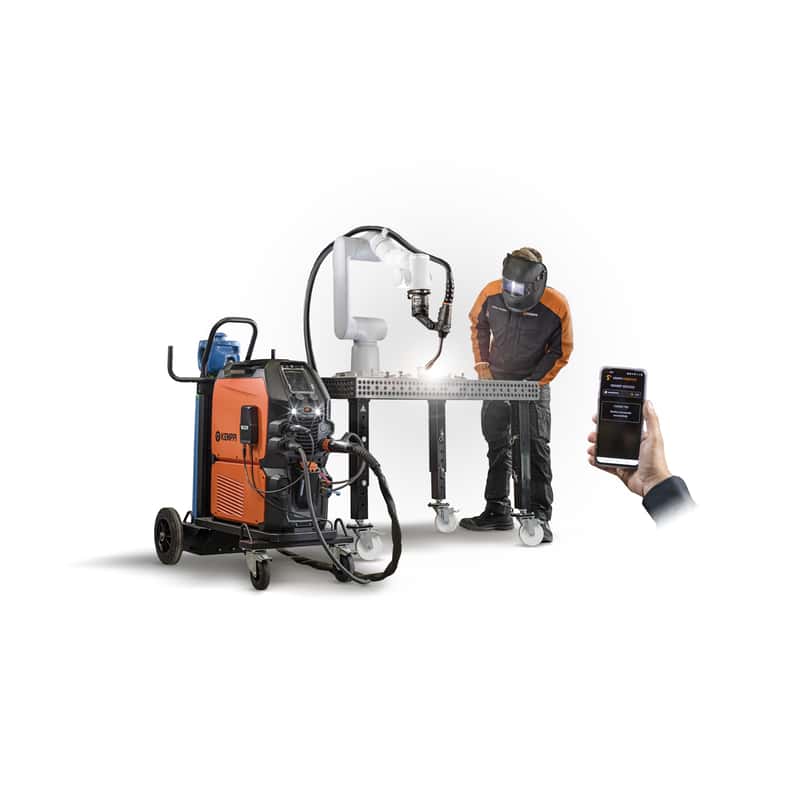
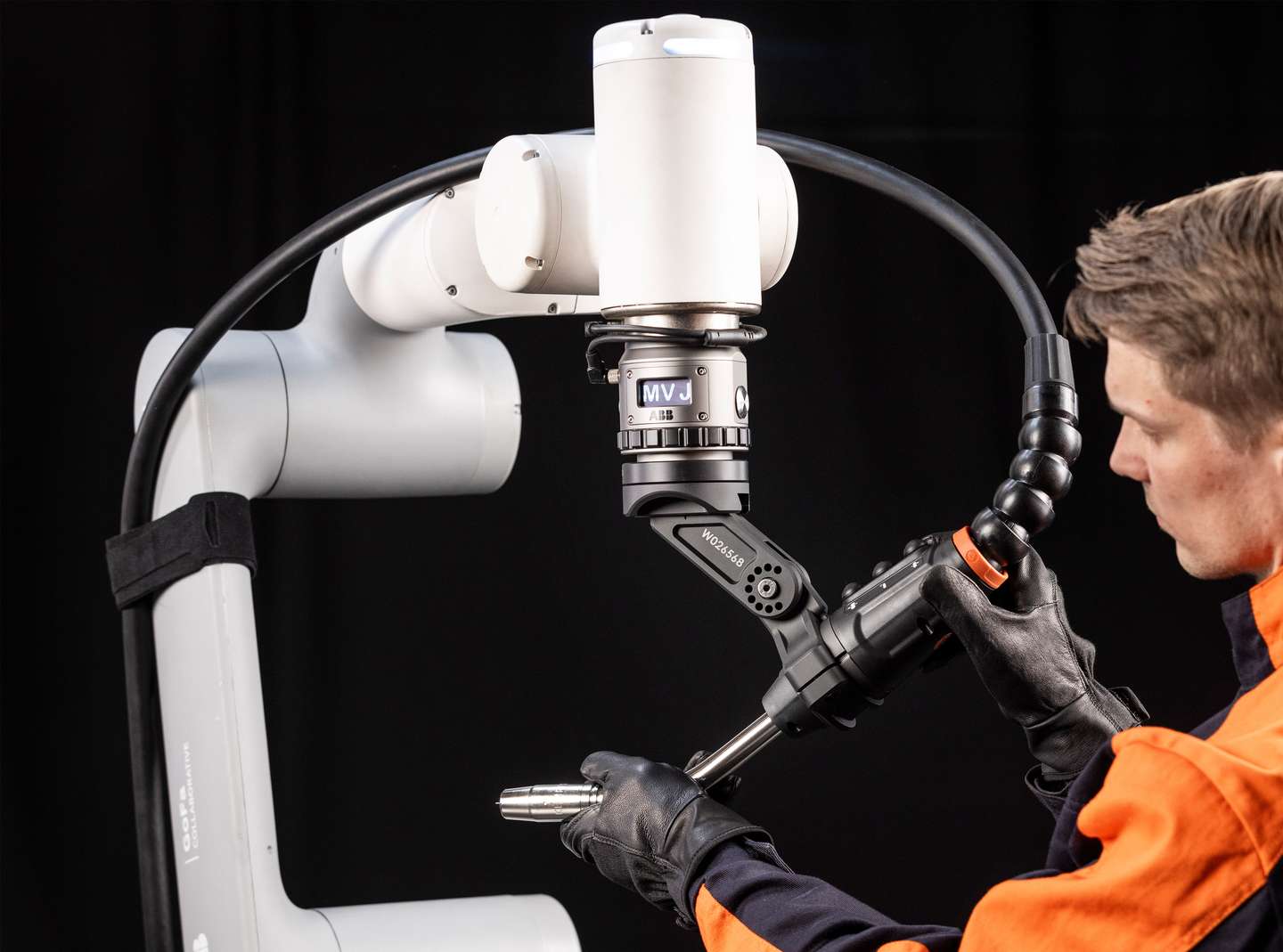
De cobotlasoplossingen van Kemppi bieden een gestroomlijnde installatie met flexibele opties voor diverse geautomatiseerde lastoepassingen. Ons aanbod is ontworpen voor betrouwbaarheid, precisie en hoge prestaties en omvat de Master M- en X5 FastMig modellen en, voor veeleisende industriële toepassingen, het AX cobotlassysteem met geavanceerde automatiseringsmogelijkheden.
Meer blogberichten
Hoe Kemppi zijn partners succesvol laat cobotlassen
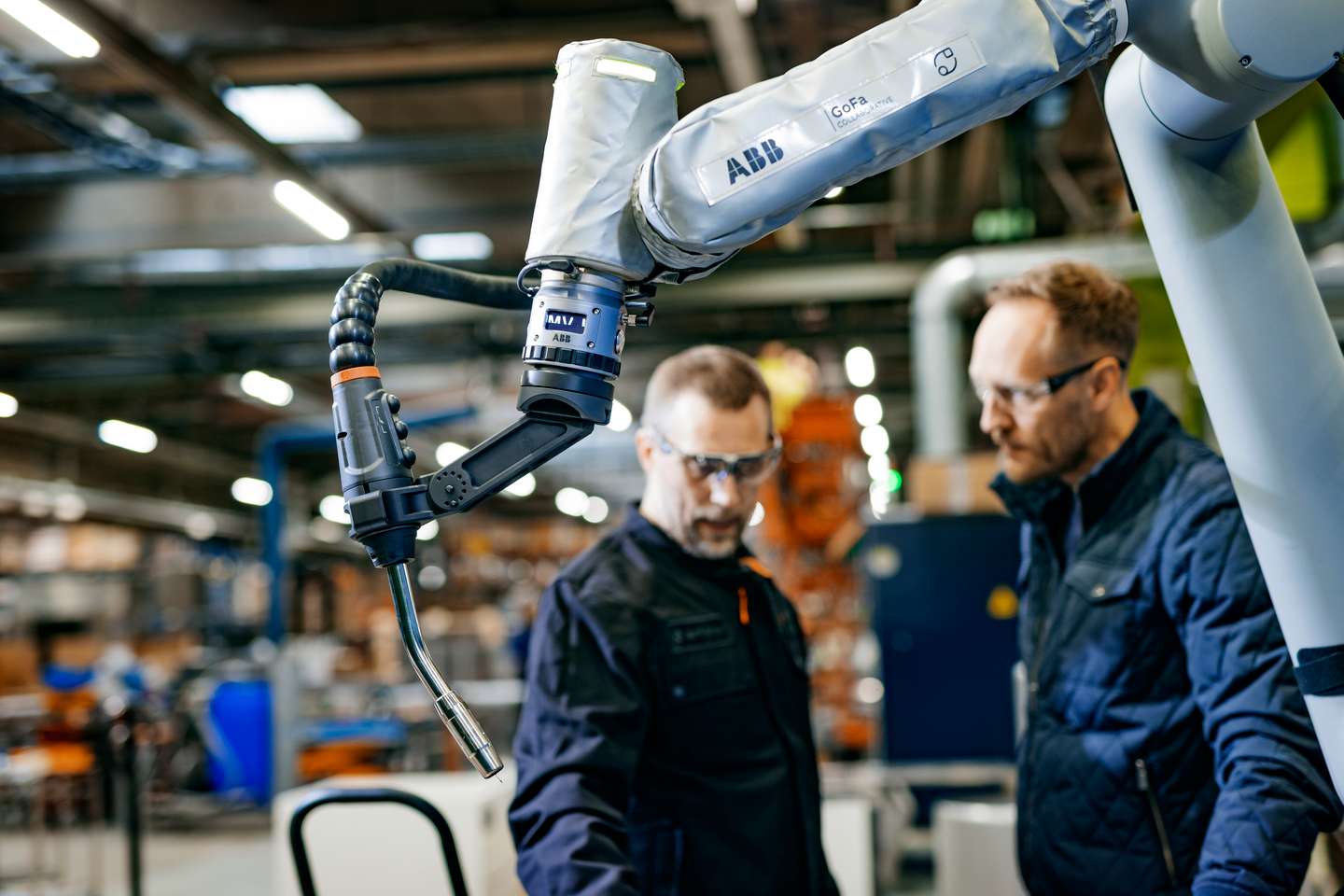
In dit artikel bespreken we de ontwikkelingen rondom het cobotlassen met twee experts uit de industrie: Alessio Cocchi, Global Cobot Sales & Marketing Manager bij ABB en Jakub Bancer, Key Account Manager bij FANUC.
Lasautomatisering, Mensen
Waarom WeldEye-lassoftware toonaangevend is in de traceerbaarheid van laswerk
Bepaalde sectoren vereisen steeds vaker een traceerbaarheid van ons laswerk, met name als veiligheid, kwaliteit en naleving boven alles gaan.
Digitalisering
Kemppi's cobot-oplossing: Praktische automatisering voor moderne lasbehoeften
De lasindustrie staat onder constante druk om productiever te worden, de hoge kwaliteit te behouden en een groeiend tekort aan vakmensen op te vangen. Samenwerkende robots, of cobots, zijn een flexibele en efficiënte manier om lastaken te automatiseren zonder onze vakmensen volledig te vervangen. Kemppi's cobot-oplossing heeft een ongekende, unieke aanpak: Een praktische en betaalbare combinatie van de bewezen handlas-technologie en slimme integratietools.
Lasautomatisering
How Rapid Welding and Kemppi Built a Partnership That Lasts
Rapid Welding has worked with Kemppi since the company opened in 1990. Co-founder and Managing Director Roy Edwards highlighted the principles behind that 36-year partnership, from choosing the right welding solution and supporting equipment throughout its life to addressing the skills shortage and finding the right place for automation and laser welding.
Lasautomatisering, Handmatig lassen, ABC van het lassen
Safety that keeps up with welders' challenges and changing risks
Welding safety has become increasingly demanding. The hazards at the arc remain constant, but modern working conditions mean exposure can accumulate over longer shifts and in tighter indoor spaces. As a result, welding PPE needs to be treated as both protection for the welder and proof of compliance. At Kemppi, welding safety PPE is designed and validated in practice through clear requirements, welder-led feedback, and verified compliance with EU PPE Regulation 2016/425, CE marking processes, and relevant EN standards.
Veiligheid, ABC van het lassen
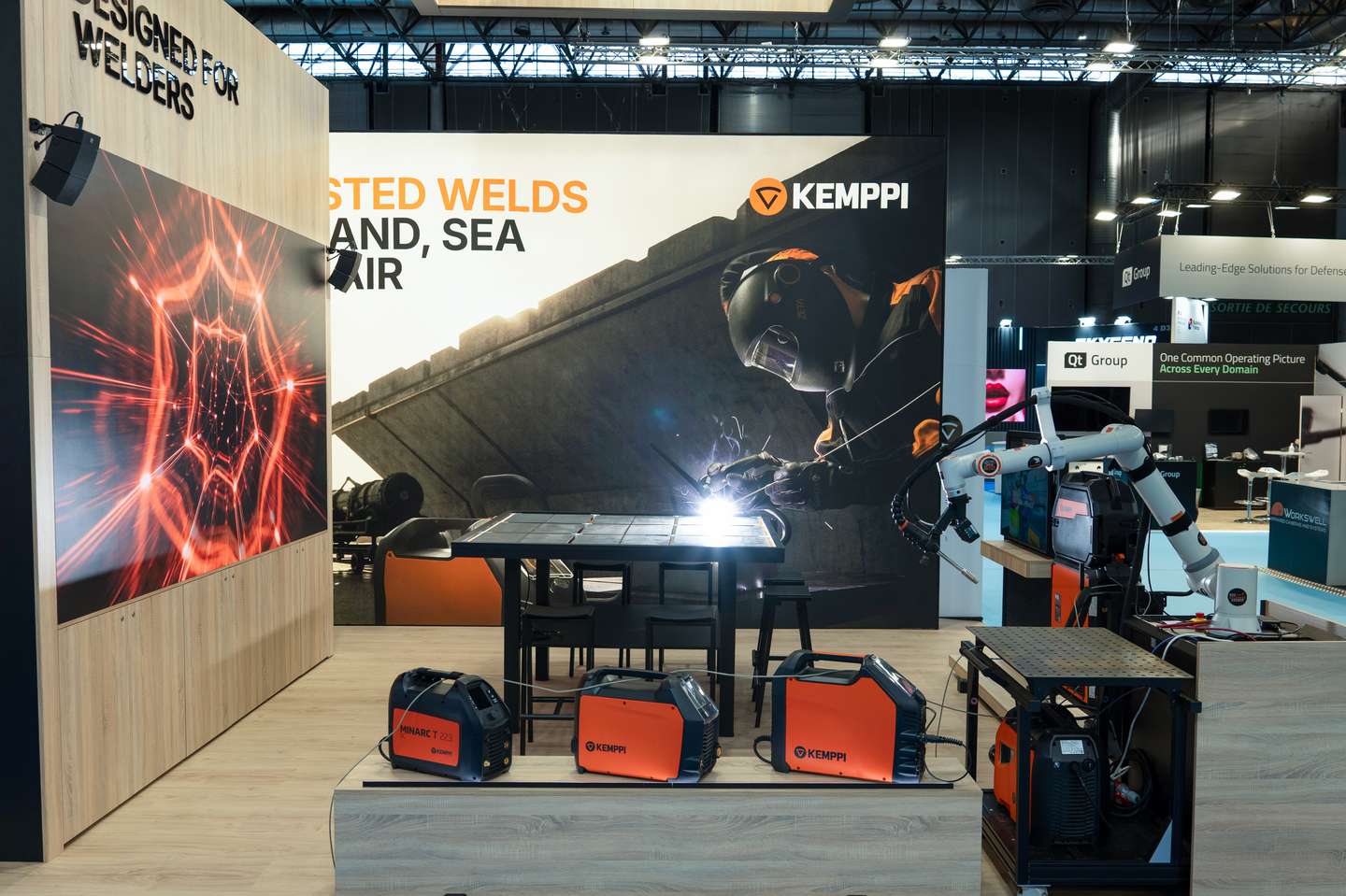
Eurosatory 2026 And the Future of Defence Manufacturing
Eurosatory 2026 highlighted a clear shift in modern defence manufacturing. While defence systems are becoming more digital, networked, and autonomous, their foundation remains physical. From armoured vehicles and artillery to industrial resilience, welding quality, steel structures, and production discipline remain paramount to defence readiness.
Digitalisering, Innovatie