Soudage manuel
Welding in hot conditions in Saudi Arabia
4 août 2019
Pipelines are built in many different places, from freezing cold Siberia to the plains of Central Asia and the scorching deserts in the Arabian peninsula and Africa. Every year, thousands of kilometers of pipelines are installed and maintained in extreme conditions that are incomparable to the steady, stable temperature conditions of the workshop. Pipelines may be installed and repaired at temperatures below -20°C or above +50°C.
Jani Kumpulainen
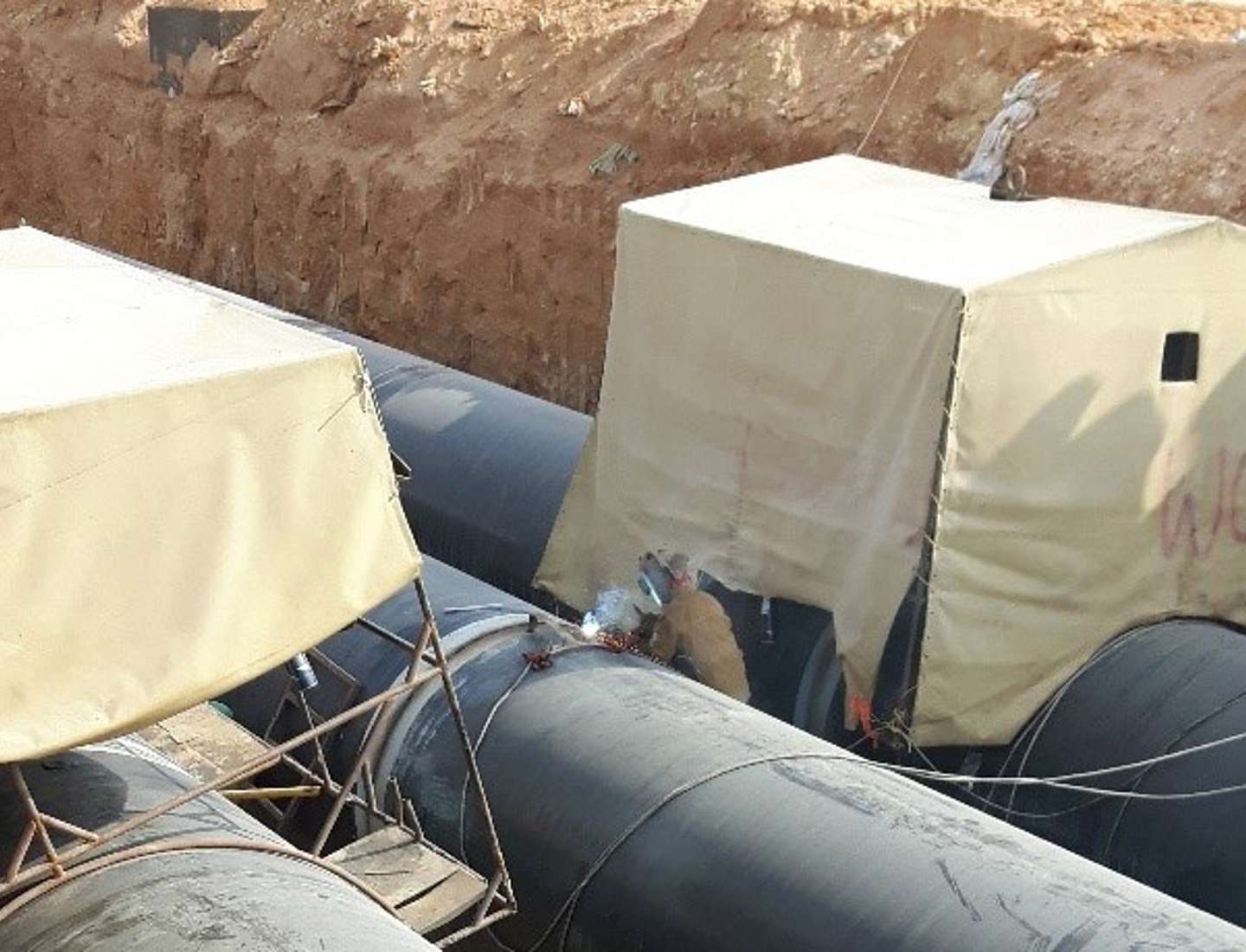
When welding is done outdoors, efforts are taken to provide protection using structures such as tents and portable welding cubicles, which are lifted into place to protect the welding site. These solutions protect the weld from snow, rain, and wind, and the welders are also provided with some protection from the weather while they are welding. However, tents are no help in the searing heat, which can reach temperatures of up to +50°C in Saudi Arabia.
Although the weather can cause difficulties, welding must always meet precise quality requirements. Welding is done in accordance with welding procedure specifications, which have been approved using prior welding procedure qualification. Highly demanding welding work is done in extreme conditions, which may impose requirements on monitoring, as well as on the functionality of the welding equipment.
Building the world's largest oil refinery in Saudi Arabia
Saudi Aramco is the world's largest oil and energy industry company. It is owned by the Saudi Arabian state, and its headquarters are in Dhahran, near the east coast of the country. Now the company is building the world's largest oil refinery in Jizan.
The pipelines are primarily being welded with TIG and MMA welding. The root passes and thin-walled pipes are being welded with TIG welding, and all of the filler passes are being done with MMA welding. Kemppi has supplied almost 1,000 MinarcTig Evo 200 devices for the TIG welding carried out by subcontractors on the project, as well as MasterTig MLS 4000 devices for TIG welding and Master S 400 devices for MMA welding.
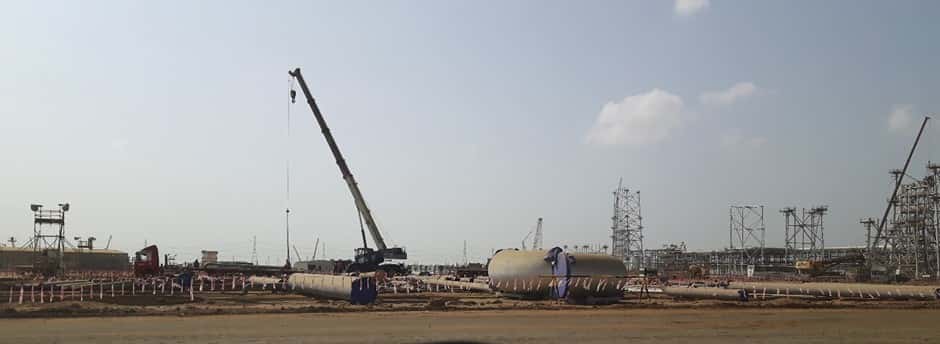
The construction site of the world's largest oil refinery in Jizan, Saudi Arabia.
Temperatures in Jizan are over +30°C all year round, and they can be as high as +50°C during the summer. The international IEC 60974-1 standard requires manufacturers of welding machines to measure and state the duty cycles of welding machines at +40°C. The same standard also requires welding machines to be able to withstand storage temperatures up to +55°C. Experience in Saudi Arabia has also shown that Kemppi's power sources function flawlessly in hot conditions.
Welders are put under greater strain in hot conditions. Welders' work can be made easier by using techniques such as mechanized MIG/MAG or TIG orbital welding. However, the problem is that new methods are slow and expensive to introduce. Saudi Aramco requires all welding procedure specifications to meet ISO and ASME requirements, as well as Saudi Aramco's own requirements.
Welding an 85-inch water pipeline in +40° conditions
In Riyadh, the capital of Saudi Arabia, a pipeline is being welded for the city's water supply. The conditions in Riyadh are also hot – during the summer, the average temperature is usually +40°C. The pipeline is being built from steel pipes with a diameter of 85 inches and a wall thickness of 15–20 mm (Figure 1). The sections are currently being welded with MMA welding (Figure 2).
However, the company carrying out the welding would like to use more productive methods. Kemppi presented MAG orbital welding to them (Figure 3). The equipment was a FastMig X 450 power source equipped with two WFX 300 P wire feeders and an A5 MIG Orbital System 1500 (Figure 4). The root pass was welded using the WiseRoot+ process with solid wire, and the filler passes were welded with rutile wire in spray arc. The change-over from welding the root pass to welding the filler pass was quick because one of the wire feeders had solid wire and the other had rutile wire.
Figure 1. 85-inch water pipes in Riyadh, Saudi Arabia.
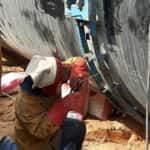
Figure 2. MMA welding of butt joints on the pipe.
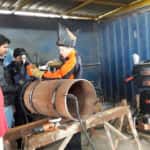
Figure 3. MAG orbital welding of butt joints on the pipe.
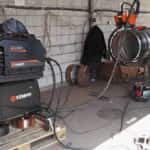
Figure 4. Kemppi's FastMig X and A5 MIG Orbital System 1500.
To summarize, welding in hot conditions is not normally a problem for the welding equipment if it has been manufactured in line with international quality standards. The IEC 60974-1 standard requires the duty cycle of power sources to be tested at a temperature of +40°C, and the power source must be able to withstand being stored at +55°C.
However, welders are put under greater strain when they work in hot conditions. Switching from manual welding to mechanized welding whenever possible is one way of easing the work of welders while improving quality and productivity. However, this is not always possible due to the precision of prefabrication. On the other hand, scheduling and budgetary constraints may not permit the use of new methods on every project.
Jani Kumpulainen
Jani Kumpulainen
Responsable technologie du soudage chez Kemppi Oy, Jani est aussi ingénieur international en soudage (IWE) et inspecteur international en soudage (IWI-C). Fort de plus de 15 ans d’expérience en tant qu’expert en soudage, il a développé une solide expertise dans le développement des procédés de soudage, la coordination du soudage pour les équipements sous pression et les ventes internationales. Passionné par l’ensemble de l’industrie du soudage, il s’intéresse particulièrement aux procédés de soudage, aux matériaux soudables et aux normes de qualité applicables au soudage.
Produits connexes
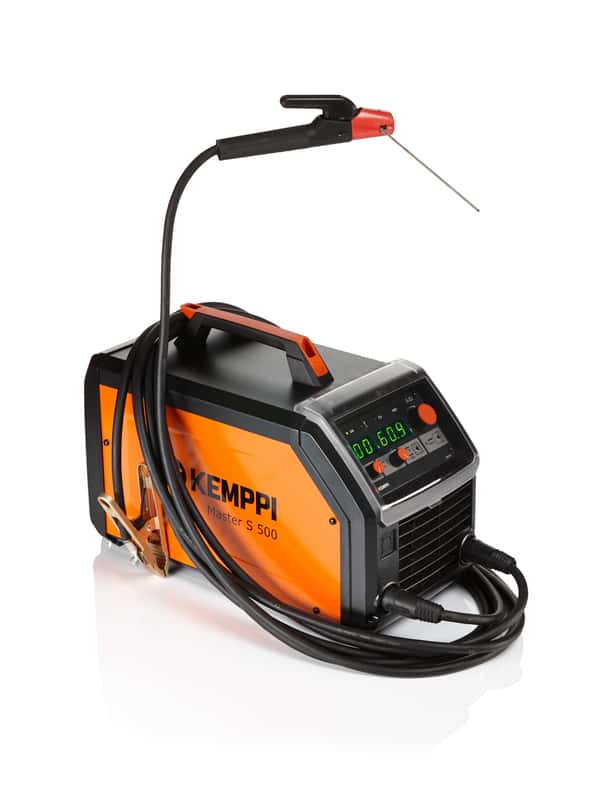
Famille de produits
Conçu pour le soudage MMA haute performance. Le poste à souder avec fonctionnalités de soudage aux électrodes de cellulose assure d'excellents résultats de soudage et une grande convivialité.
Famille de produits
WiseRoot est un procédé de soudage à l'arc court optimisé pour un soudage des passes de fond sans support envers.
Plus d'articles de blog
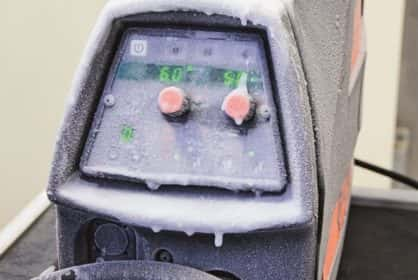
Welding in arctic conditions
Today, Arctic areas are attracting much attention due to the large oil and natural gas deposits located there. As much as 13% of the Earth's unexploited oil reserves and 30% of natural gas reserves may be located in Arctic areas. The energy industry's largest projects to build gas and oil distribution networks are essentially based on steel construction and welding technology.
Soudage manuel
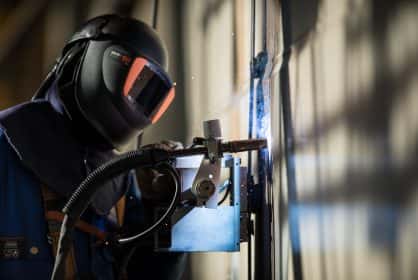
Up to 38 % savings with Reduced Gap Technology
The groove angle has a direct impact on the efficiency and productivity of welding heavy metal structures. Kemppi's new solution, Reduced Gap Technology (RGT) changes the understanding of narrow gap welding. The new technology challenges conventional joint design principles.
Innovation
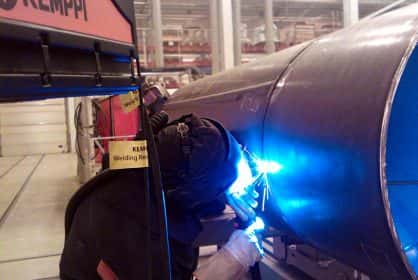
Wise pipe welding at IIW 2015
Once a year, all welding professionals in the world gather together to share their expertise and insights on the welding industry. The 68th IIW Annual Assembly and International Conference is currently in motion in Helsinki, Finland.
Soudage manuel
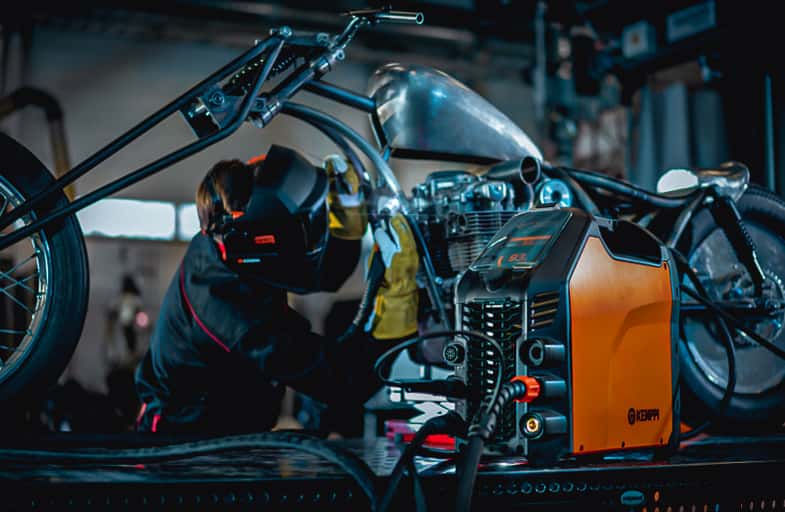
Comment Rapid Welding et Kemppi ont bâti un partenariat qui dure
Rapid Welding travaille avec Kemppi depuis la création de l'entreprise en 1990. Roy Edwards, cofondateur et directeur général, présente les principes qui sous-tendent ce partenariat de 36 ans : choisir la bonne solution de soudage, accompagner les équipements tout au long de leur durée de vie, répondre à la pénurie de compétences et déterminer la place appropriée de l'automatisation et du soudage laser.
Automatisation du soudage, Soudage manuel, ABC du soudage
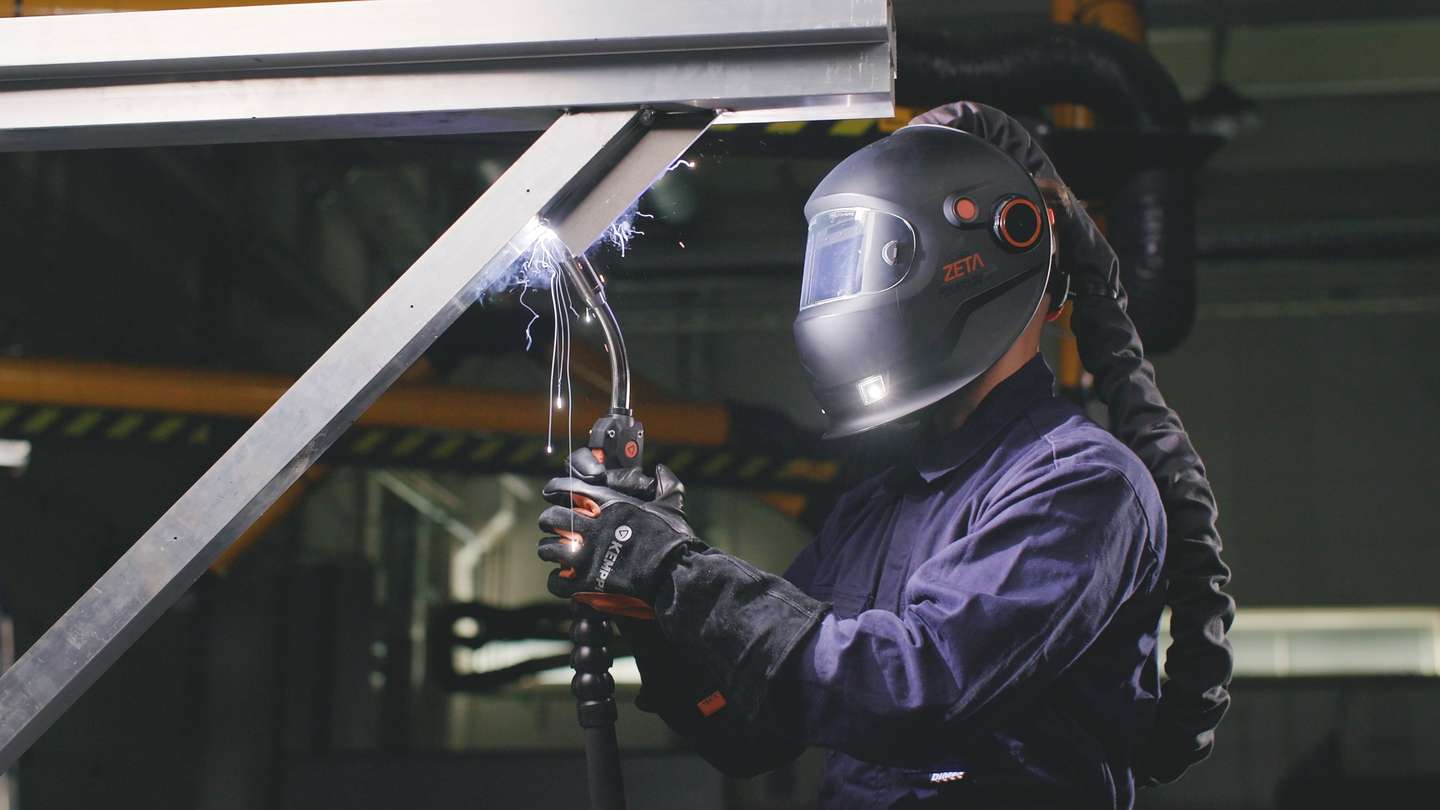
Une sécurité qui s'adapte aux défis des soudeurs et à l'évolution des risques
Les exigences en matière de sécurité dans le domaine de soudage sont de plus en plus strictes. Les dangers à l’arc restent constants, mais les conditions de travail modernes font que l’exposition peut s’accumuler sur des périodes de travail plus longues et dans des espaces intérieurs plus confinés. Par conséquent, les EPI de soudage doivent être considérés à la fois comme une protection pour le soudeur et comme une preuve de conformité. Chez Kemppi, les EPI de sécurité pour le soudage sont conçus et validés en conditions réelles, sur la base d’exigences claires, des retours d'expérience des soudeurs, ainsi que d’une conformité vérifiée au Règlement européen EPI 2016/425, aux processus de marquage CE et aux normes EN applicables.
Sécurité, ABC du soudage
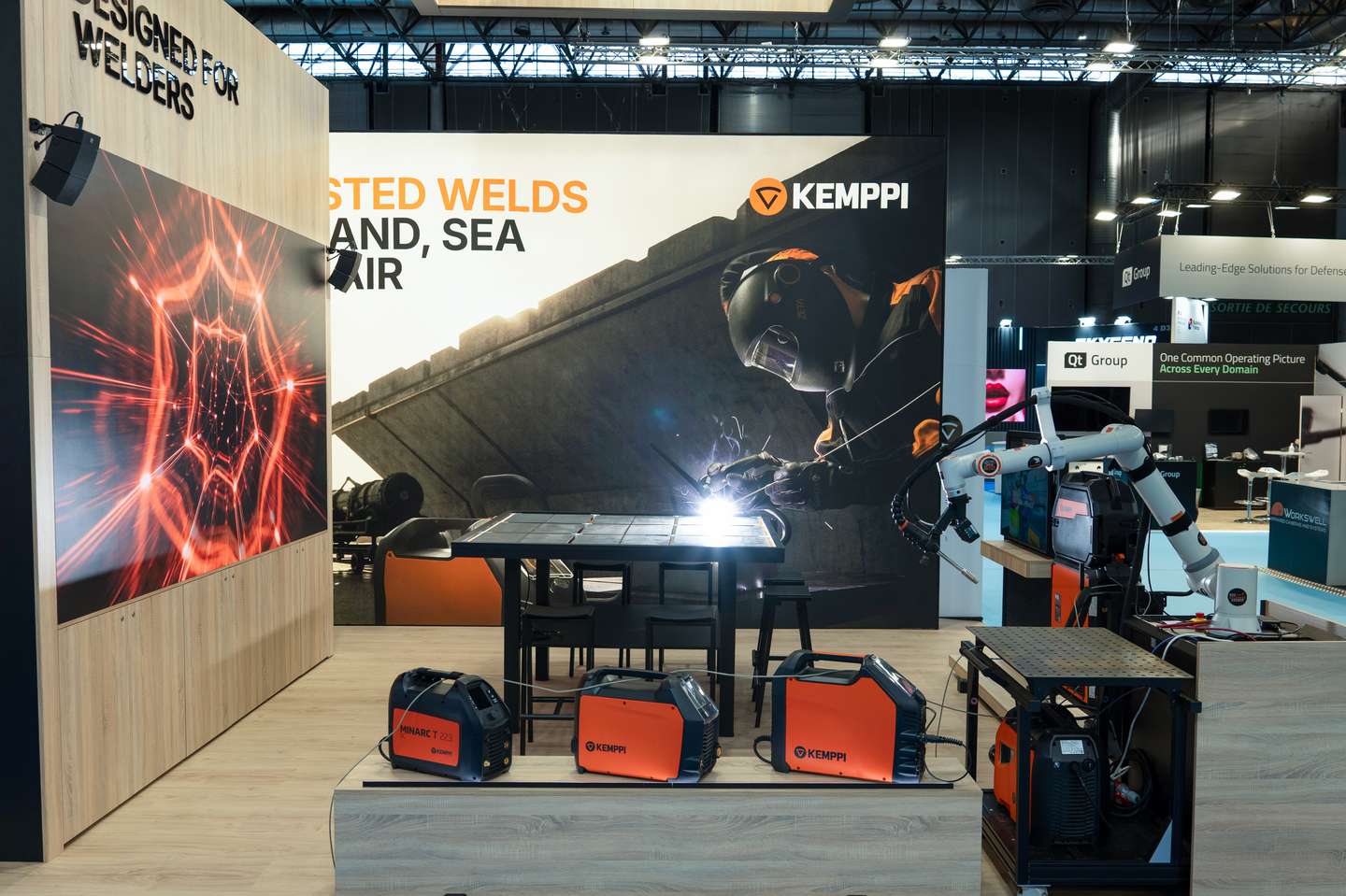
Eurosatory 2026 et l'avenir de l'industrie de la défense
Eurosatory 2026 a mis en lumière une évolution claire de l’industrie de défense moderne. Si les systèmes de défense deviennent de plus en plus numériques, connectés et autonomes, leur fondement reste profondément matériel. Des véhicules blindés aux systèmes d’artillerie, en passant par la résilience industrielle, la qualité des soudures et les structures métalliques, l’acier, les procédés de fabrication et la rigueur de production demeurent au cœur de la préparation opérationnelle.
Digitalisation, Innovation