Cyfryzacja
Eurosatory 2026 And the Future of Defence Manufacturing
30 czerwca 2026
Eurosatory 2026 highlighted a clear shift in modern defence manufacturing. While defence systems are becoming more digital, networked, and autonomous, their foundation remains physical. From armoured vehicles and artillery to industrial resilience, welding quality, steel structures, and production discipline remain paramount to defence readiness.
Varsha Saraogi
The future of defence will still be built in steel
At Eurosatory 2026, the armoured vehicles, artillery systems, launchers, ammunition, naval structures, mobility platforms, steel components, and support equipment on display told a bigger story than new technologies. While the future of defence is increasingly being shaped by software, sensors, and data, it will still be built through steel, welding, production discipline, and industrial resilience.
Echoing a similar sentiment during the Eurosatory keynote, European Defence Commissioner Andrius Kubilius described Ukraine’s rapid defence-industrial expansion as a “defence production big bang,” highlighting how production scale has become a strategic capability in itself. In a wider discussion around Europe’s defence industry, he also called for a more integrated European defence market to help Europe “outproduce Putin.”
For manufacturers, this shifts the conversation. Defence capability has to go beyond what a vessel or vehicle can do in the field. It is also measured by how quickly it can be produced, how reliably it can be documented, how consistently it can be repaired, and how well the supply chain behind it can respond under pressure. Here are the key takeaways from one of the biggest defense and security exhibition.
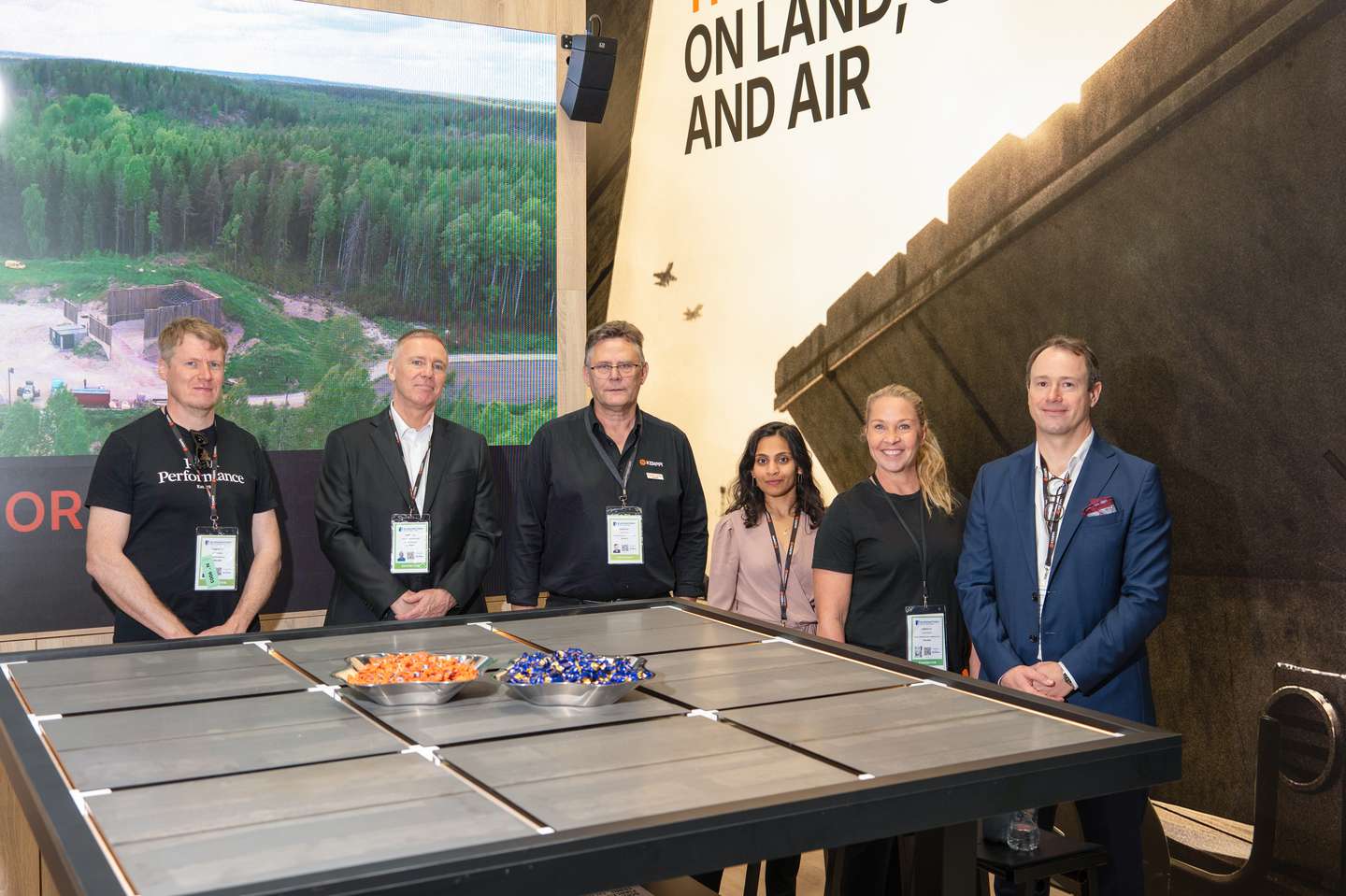
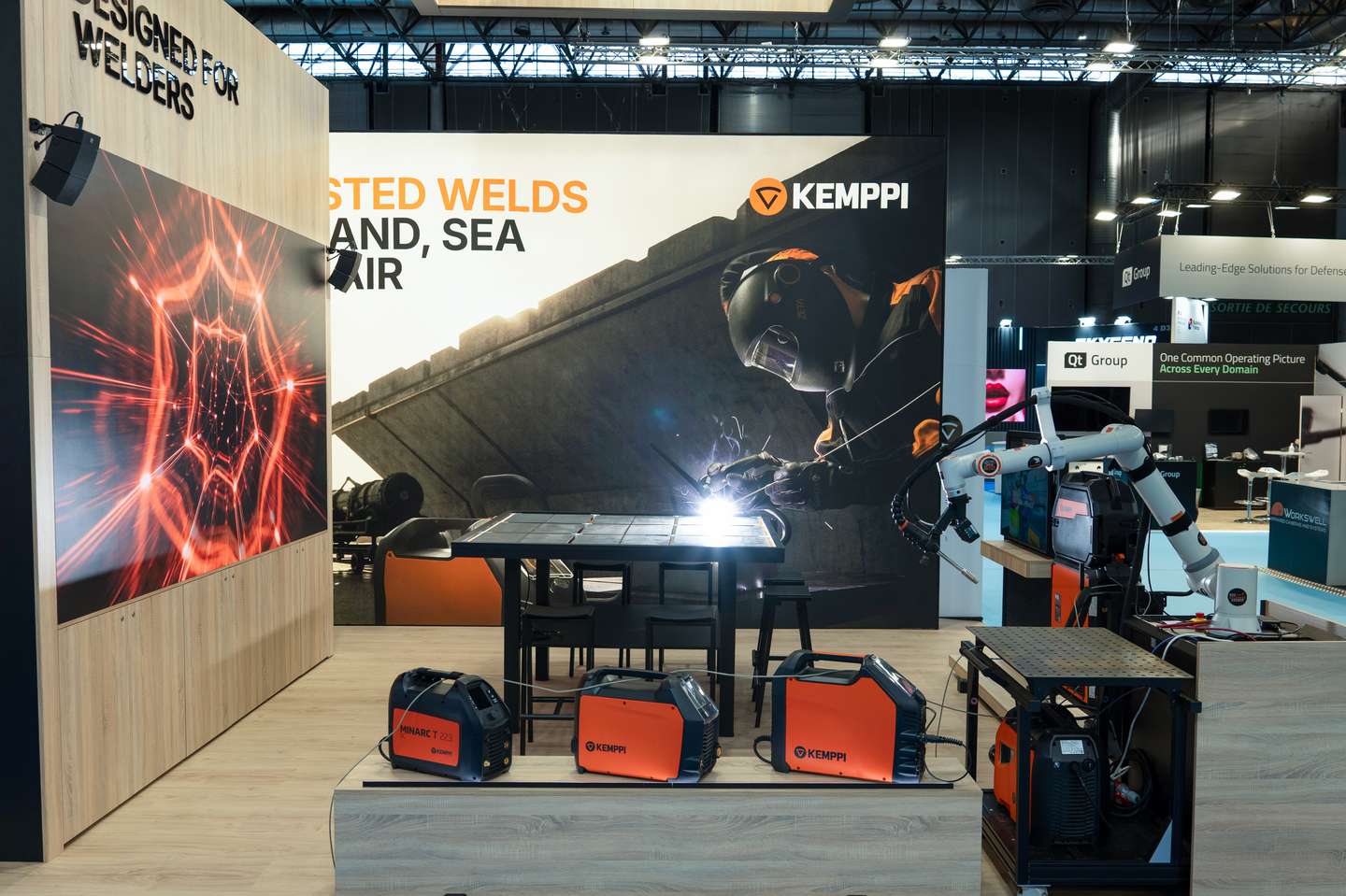
Heavy platforms are here to stay
One of the clearest takeaways from Eurosatory was the continued importance of metal-heavy land systems.
Patria showcased its defence offering across protected mobility, defence and weapon systems, and sustainment solutions, including Patria TRACKX with NEMO configuration. KNDS positioned itself around full land-domain integration, covering main battle tanks, artillery, infantry fighting vehicles, armoured carriers, robotics, ammunition, service, and support. Rheinmetall presented its all-domain portfolio, including armoured vehicles, logistics platforms, a 155 mm L60 gun system, and multiple integrated battlefield systems.
The pattern is clear. Armoured vehicles are expected to combine protection, mobility, modularity, digital integration, survivability, maintainability, and long lifecycle performance. That raises the bar for manufacturing. For a modern armoured vehicle, every structural choice matters. Every production process matters. Every weld carries more responsibility than it may appear to from the outside.
Firepower is becoming mobile, layered and industrial
Firepower was another major theme, especially in long-range strike, artillery, ammunition and integrated air defence.
MBDA described its Eurosatory portfolio through the idea of “smart mass,” combining high-performance systems with effectors designed for mass, cost-efficiency, and adaptability. Its display included deep precision strike capabilities, air defence, battlefield warfare systems, and a Land Cruise Missile system with a range of more than 1,000 km.
Rheinmetall’s 155 mm L60 gun system, KNDS’ artillery and ammunition portfolio, Hanwha Aerospace’s Chunmoo multiple rocket launch system, and Kalyani Strategic Systems’ truck-mounted 155 mm artillery concepts all reflected the same shift: firepower needs to move faster, reach further, integrate better, and remain available under demanding conditions.
This is where the line between weapons systems and manufacturing systems becomes thinner. Long-range artillery, launchers, missile systems, ammunition, and protected vehicles all have one thing in common that they depend on production capacity, material performance, repeatable quality, documentation, inspection, and the ability to scale in times of need.
As Eetu Kivioja, Kemppi's head of product put it, "In defence, the industrial base behind the weapons is part of the deterrent."
Industrial resilience is now a front-line requirement
Eurosatory placed “industrial resilience and war economy” among its key 2026 themes. The European Commission’s Eurosatory implementation dialogue focused on industrial ramp-up, supply chain resilience, long-term contracts, ever-warm facilities, SME participation, civilian-defence industrial synergies, and reducing non-EU dependencies in critical components and raw materials.
Companies echoed the same point. Liebherr presented extensively automated production lines for artillery ammunition, flexible production systems for military vehicle components, and gear technologies for transmissions and drivetrains. ArcelorMittal framed defence through advanced steels, short European supply chains, mechanical performance, durability, process optimisation, and quality consistency.
METLEN’s Vassilis Tsiamis put the wider strategic challenge clearly: “security and strategic autonomy require a strong and resilient defence industrial base.”
That may be one of the strongest summaries of Eurosatory 2026. Strategic autonomy is being built through factories, suppliers, skilled workers, qualified processes, traceability, inspection, maintenance, repair, and repeatable production quality.
What this means for welding
For Kemppi, the message from Eurosatory is highly relevant.
Advanced defence capability begins in production: in the welding procedure, in the parameter control, in the documentation trail, in the reliability of the equipment, and in the ability to produce consistent quality across shifts, sites, teams, and years.
As defence moves towards more integrated platforms, longer-range systems, greater mobility, faster production cycles, and stronger lifecycle requirements, welding quality becomes even more important. So do process control, usability, traceability, repairability, and equipment reliability.
When it comes to defence manufacturing, a weld is rarely just a weld. It is part of a vehicle’s protection, a launcher’s reliability, a structure’s endurance, a fleet’s lifecycle, and a country’s readiness.

Varsha Saraogi
Varsha Saraogi
Hails from a background in journalism and editorial strategy and brings an international B2B perspective to content and communications at Kemppi. Passionate about creating stories that connect welding technology with the people and industries it serves, combining technical substance with a clear and engaging voice. Work has been published in specialist titles such as Airport Technology, Railway Technology, Ship Technology, FinTech Global, and RegTech Analyst, reflecting experience across a wide range of industrial and business sectors.
Powiązane produkty
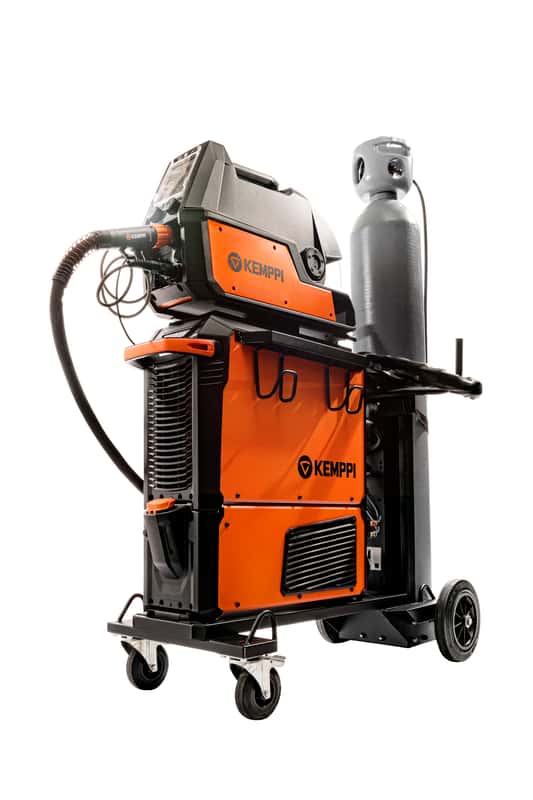
Rodzina produktów
Kompleksowa modułowa wieloprocesowa spawarka przeznaczona głównie do wydajnego spawania techniką MIG/MAG. X5 FastMig można skonfigurować do ręcznego, synergicznego i pulsacyjnego spawania. Bogata oferta akcesoriów zapewniają elastyczność i wydajność procesu produkcji spawalniczej.
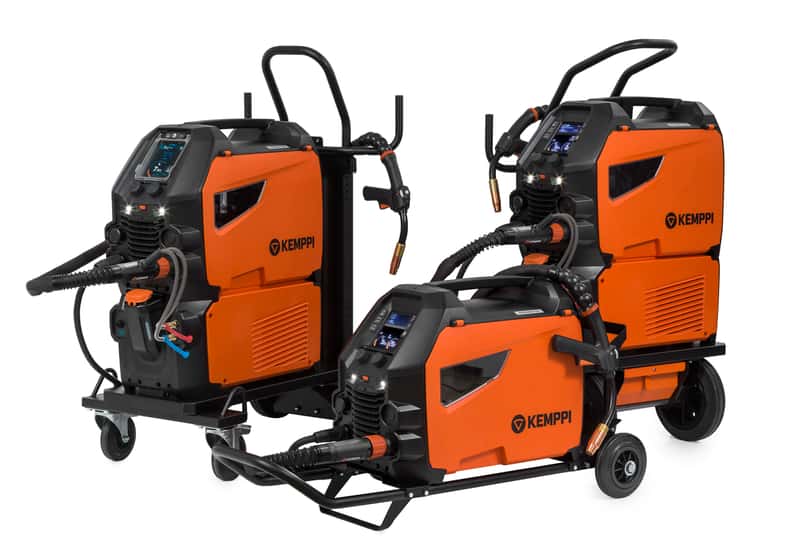
Rodzina produktów
Master M to kompaktowe, ale wydajne urządzenie spawalnicze MIG/MAG, które łączy najwyższą wydajność spawania z ogromną wszechstronnością i szybką konfiguracją — służy do ręcznego, synergicznego i impulsowego spawania MIG.
Rodzina produktów
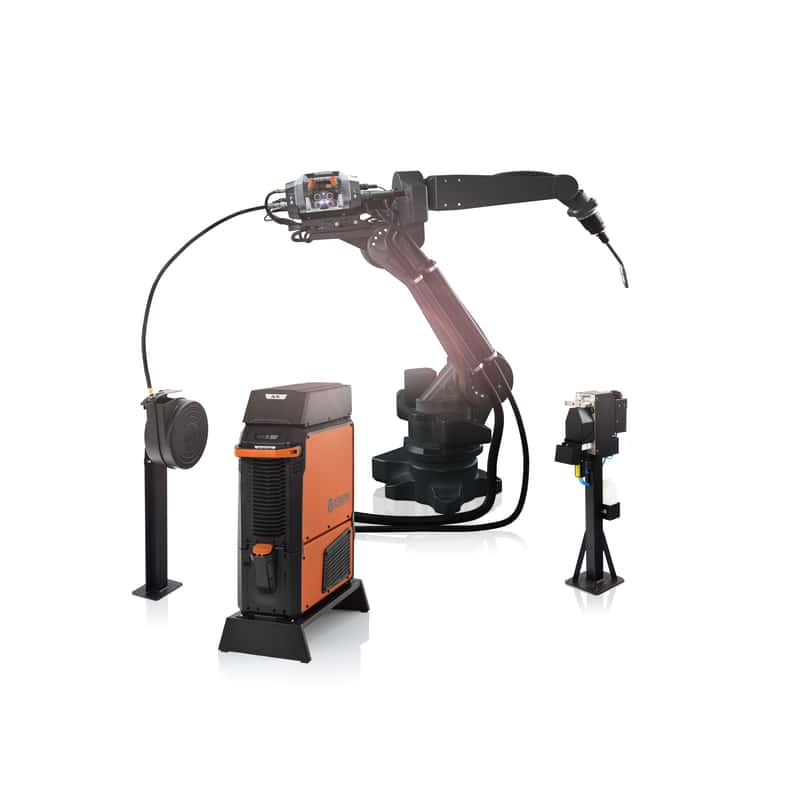
Urządzenie Kemppi AX MIG Welder może odczuwalnie poprawić jakość i szybkość pracy systemu spawania zrobotyzowanego. Ciesz się łatwą integracją i zapewnij powtarzalne, wysokiej jakości spoiny dzięki wysokowydajnym aplikacjom do spawania łukowego.
Więcej postów na blogu
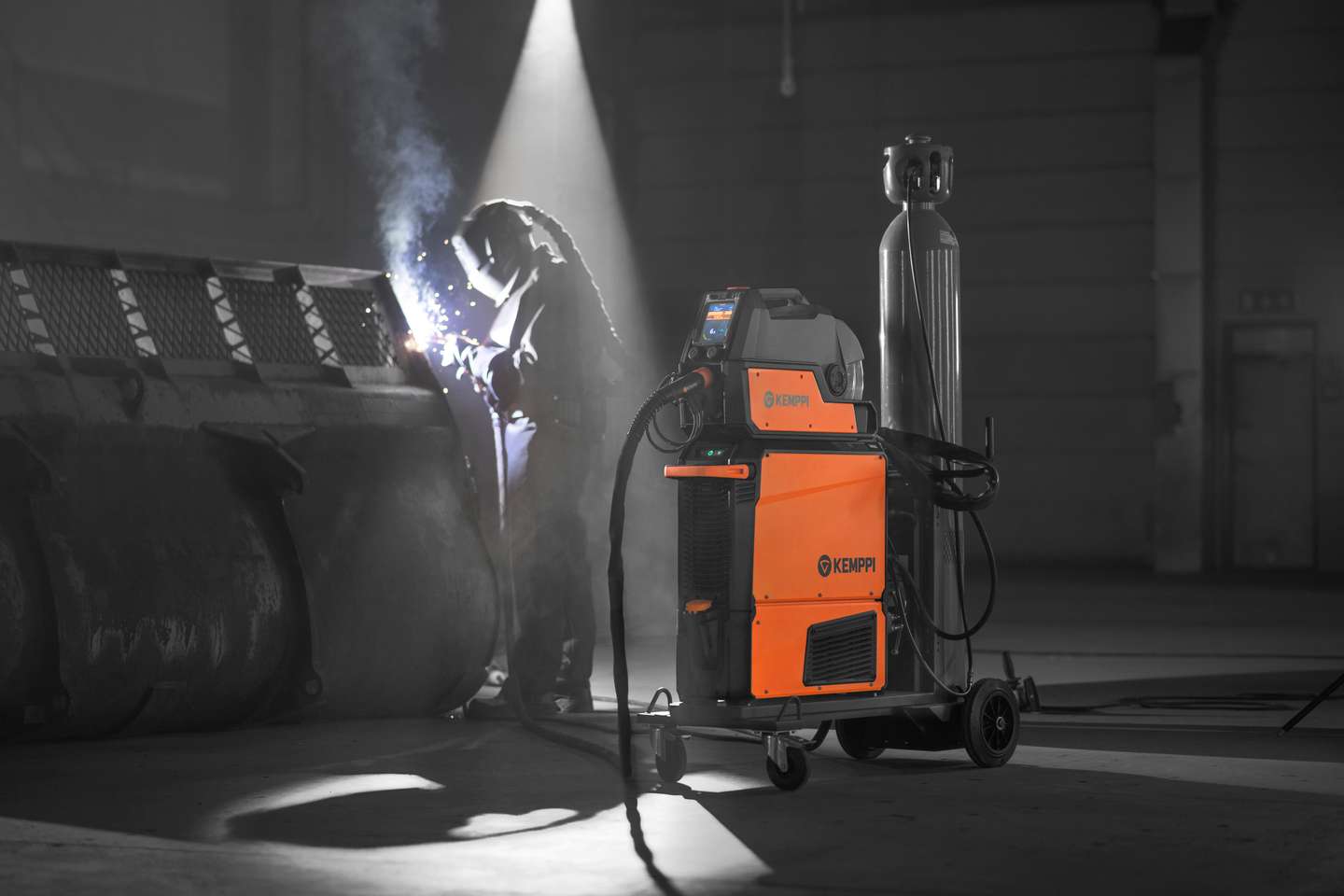
Jak Kemppi X5P wspiera spawanie okrętów dla sektora obronnego - od stali po aluminium
Kemppi X5 FastMig supports reliable MIG/MAG welding, controlled heat input, traceability, and repeatable weld quality across steel, aluminium, and challenging production conditions.
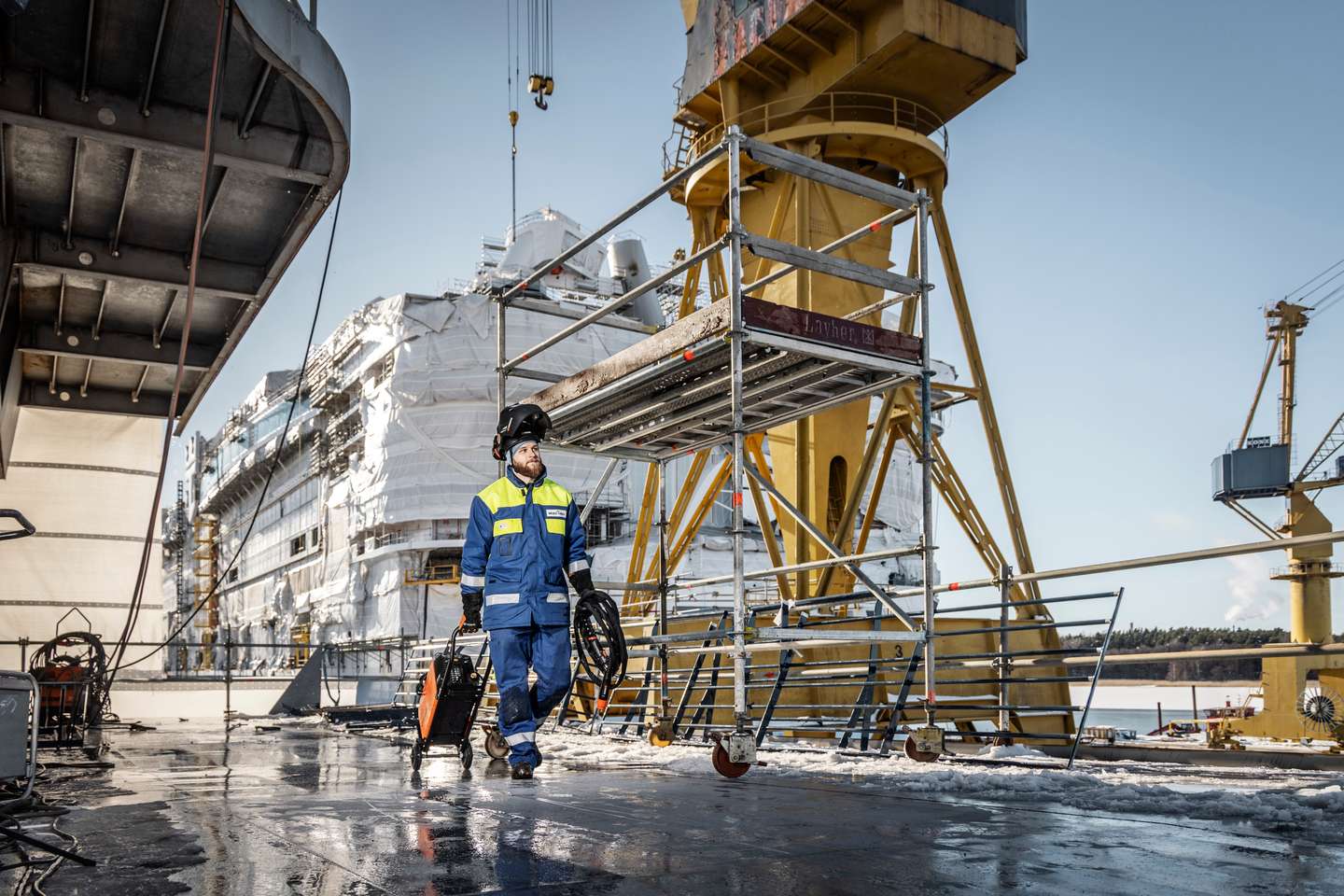
Co naprawdę oznacza “built to last” w spawaniu dla obronności i sektora morskiego
Critical defence and military vessels and marine structures are built for decades of demanding service. This article explores what 'built to last' means in welding, from harsh-condition reliability and repeatable weld quality to traceability across long vessel lifecycles.
Innowacja, Cyfryzacja
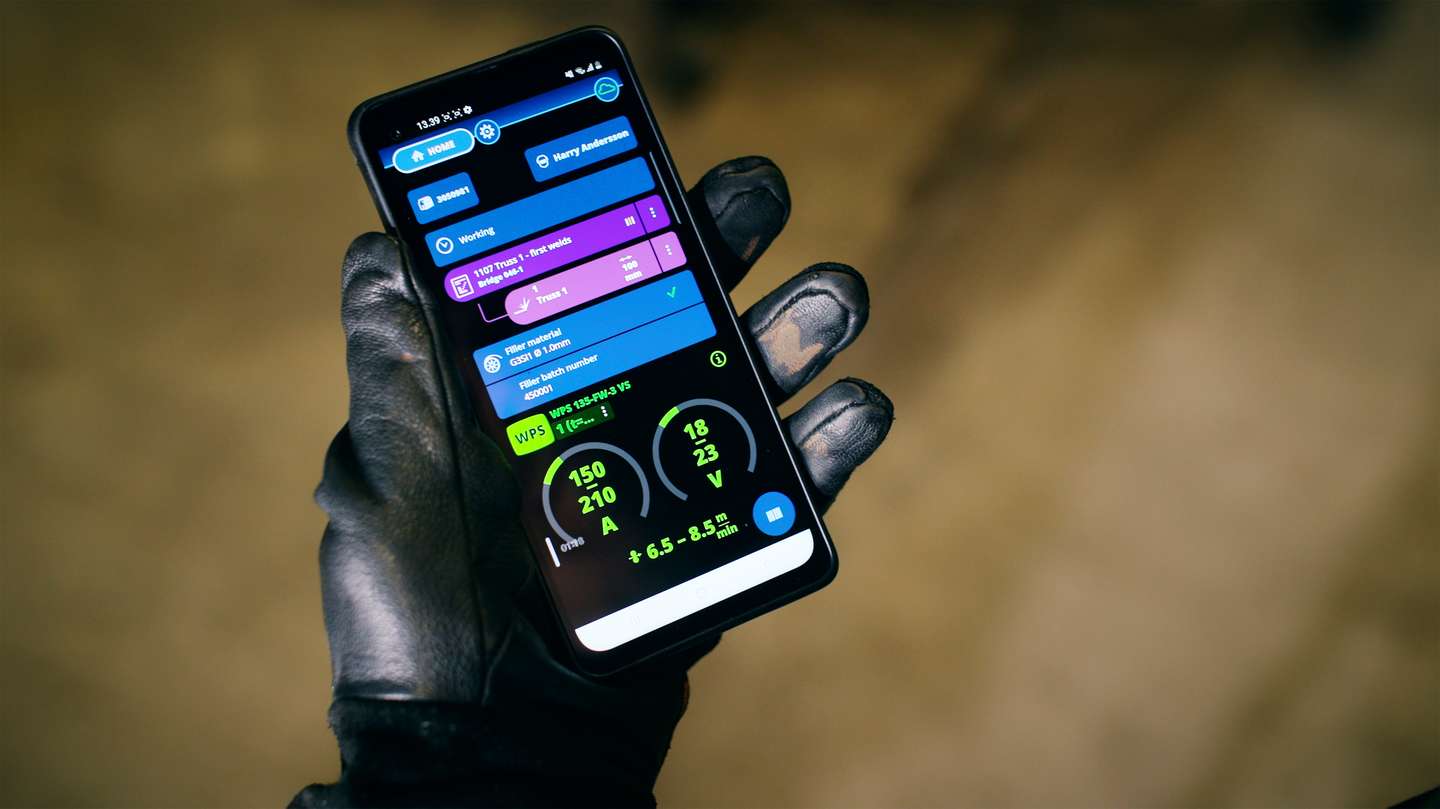
Jak oprogramowanie do zarządzania spawaniem WeldEye wyznacza standardy identyfikowalności spawania
Identyfikowalność spawania staje się coraz bardziej istotnym wymogiem w branżach, w których bezpieczeństwo, jakość i zgodność z przepisami są najważniejsze.
Cyfryzacja
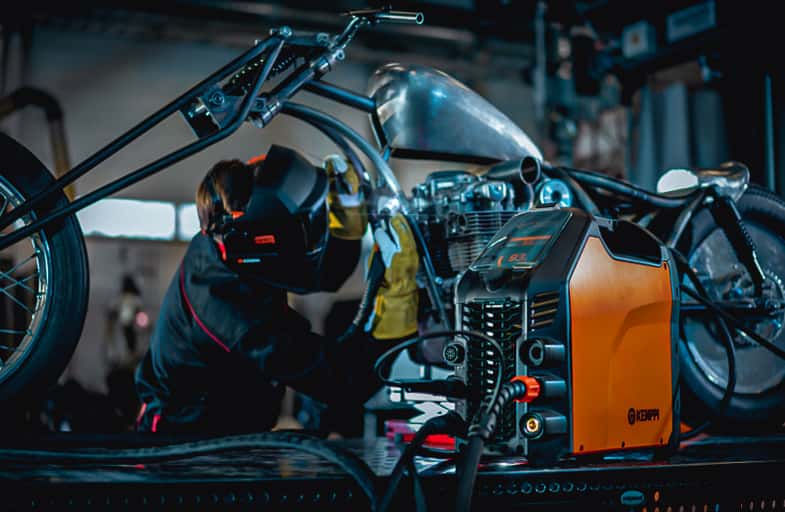
Jak Rapid Welding i Kemppi zbudowały partnerstwo na lata
Rapid Welding współpracuje z Kemppi od chwili założenia firmy w 1990 roku. Roy Edwards, współzałożyciel i dyrektor zarządzający, przedstawia zasady, na których opiera się to 36-letnie partnerstwo: od doboru właściwego rozwiązania spawalniczego i wsparcia urządzeń przez cały okres ich eksploatacji po przeciwdziałanie niedoborowi wykwalifikowanych pracowników oraz znajdowanie odpowiedniego miejsca dla automatyzacji i spawania laserowego.
Automatyzacja spawania, Spawanie ręczne, ABC spawania
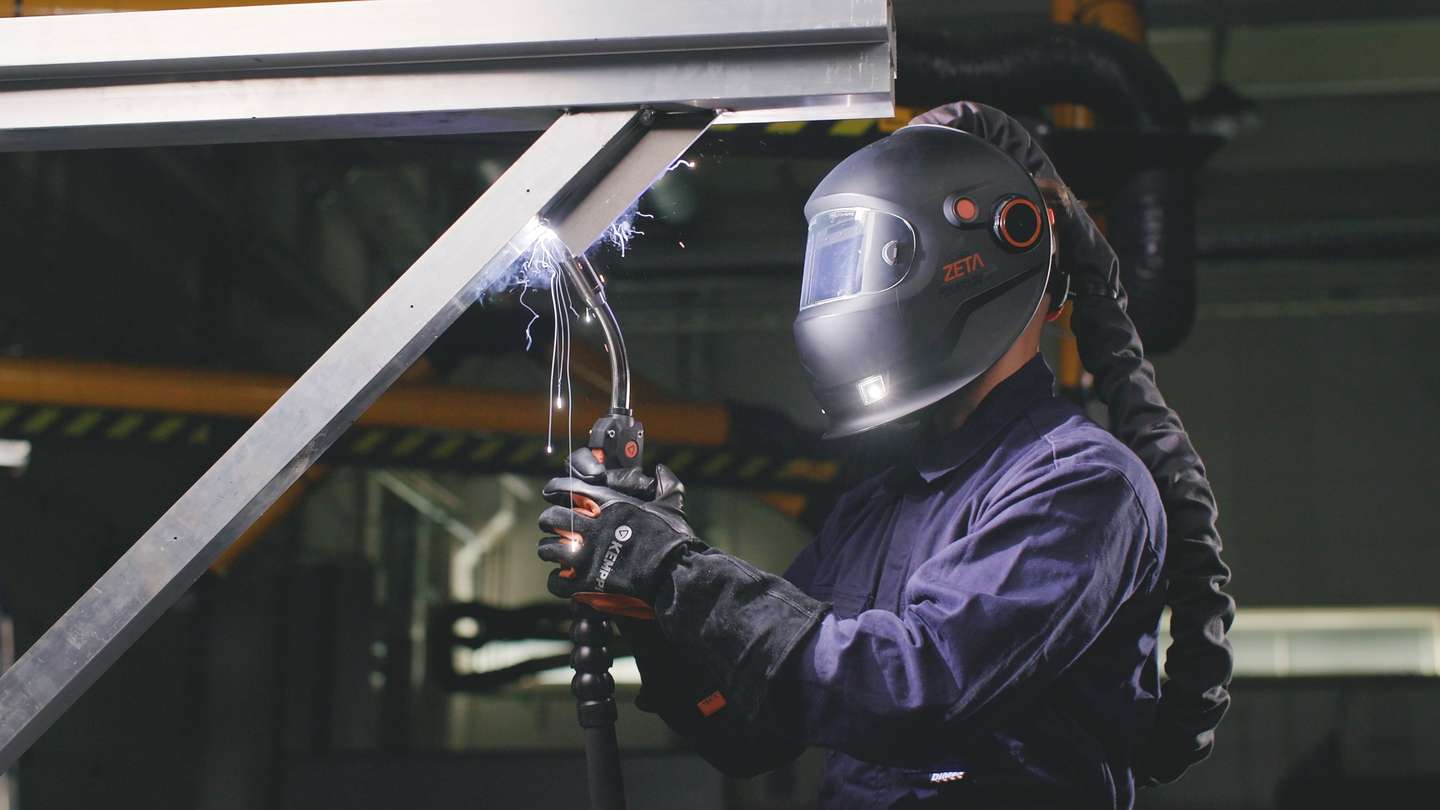
Bezpieczeństwo, które nadąża za wyzwaniami spawaczy i zmieniającymi się zagrożeniami
Bezpieczeństwo spawania staje się coraz bardziej wymagające. Choć same zagrożenia generowane przez łuk spawalniczy się nie zmieniają, to w dzisiejszych realiach przemysłowych ekspozycja na nie ulega kumulacji - głównie za sprawą dłuższych zmian roboczych oraz pracy w bardziej ograniczonych, zamkniętych przestrzeniach. W związku z tym, spawalnicze środki ochrony indywidualnej (ŚOI) należy traktować nie tylko jako bezpośrednie zabezpieczenie spawacza, ale również jako dowód zgodności z obowiązującymi normami. W Kemppi ŚOI zwiększające bezpieczeństwo spawania są projektowane i weryfikowane w praktyce na podstawie jasnych wymagań, opinii spawaczy oraz potwierdzonej zgodności z rozporządzeniem UE 2016/425 w sprawie ŚOI, procedurami oznakowania CE i odpowiednimi normami EN.
Bezpieczeństwo, ABC spawania
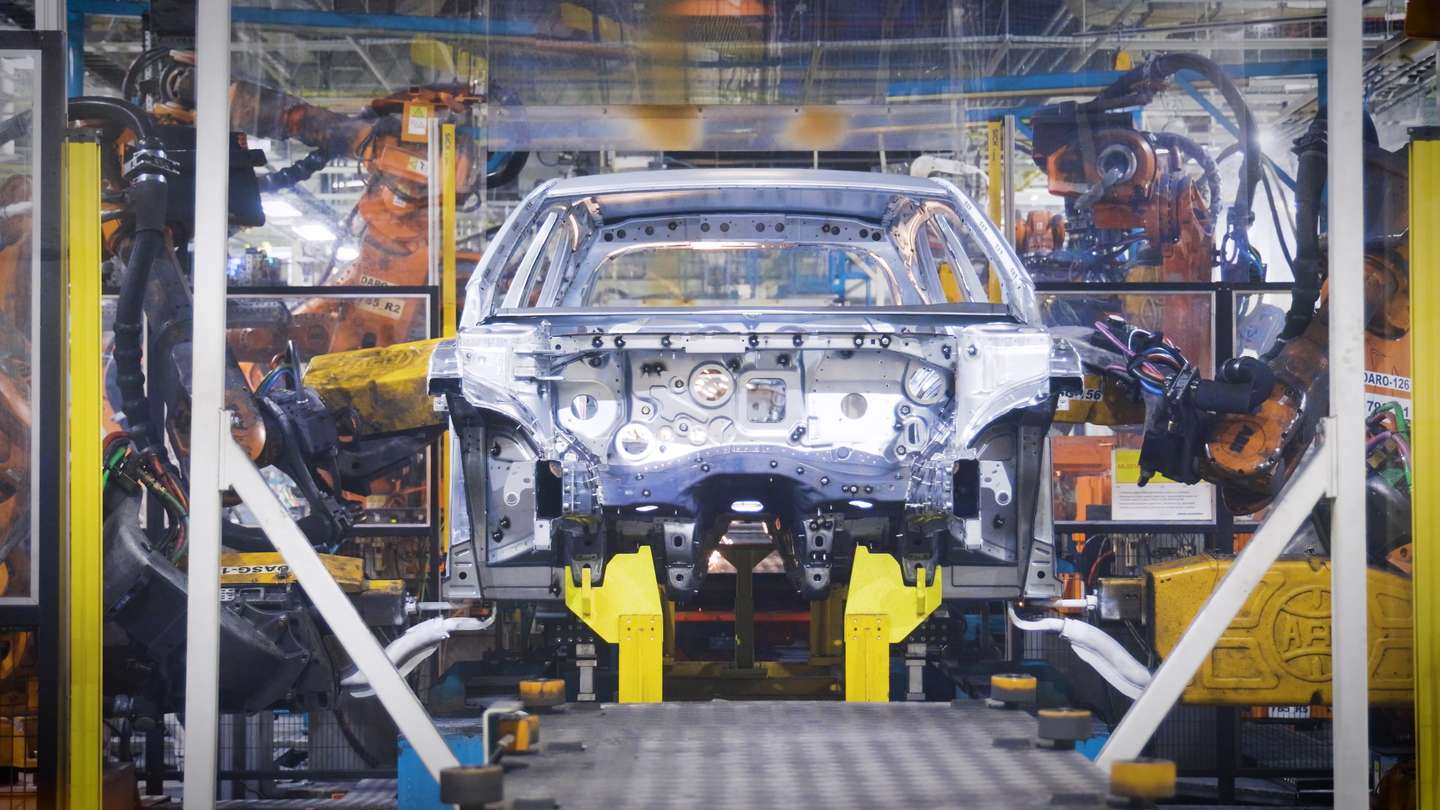
How AI Supports Quality, Traceability, and Flexibility in Robotic Welding
The AITOOLS1 webinar explored how AI-assisted process control, machine vision, synchronized data, and machine learning models are advancing robotic welding automation, improving quality management, traceability, and production flexibility for demanding industrial production.
Automatyzacja spawania, Innowacja, Cyfryzacja