Spawanie ręczne
Minarc M 223 Auto & 223P Auto vs MinarcMig Auto: key upgrades and when you’ll feel it at the arc
15 kwietnia 2026
The Minarc M 223 Auto and 223P Auto bring meaningful changes you’ll feel in production. This guide breaks down what’s new versus MinarcMig Auto, which model suits which work, and how the updates show up in arc stability, parameter control, and everyday efficiency across thin sheet to more demanding applications.
Varsha Saraogi
Tematy:
Choosing a portable MIG/MAG machine comes down to three factors: portability, process control, and repeatability. The new Kemppi Minarc M 223 Auto and Minarc M 223P Auto introduce notable upgrades over the previous MinarcMig 190/220 Auto generation, including a lighter design, wider wire diameter support, new synergic welding programs, and, on the 223P, pulse MIG/MAG plus Euro-connector and cooling compatibility. In this comparison, we outline what’s truly different and where it shows up in the weld.
1) The biggest differentiator: Pulse MIG/MAG
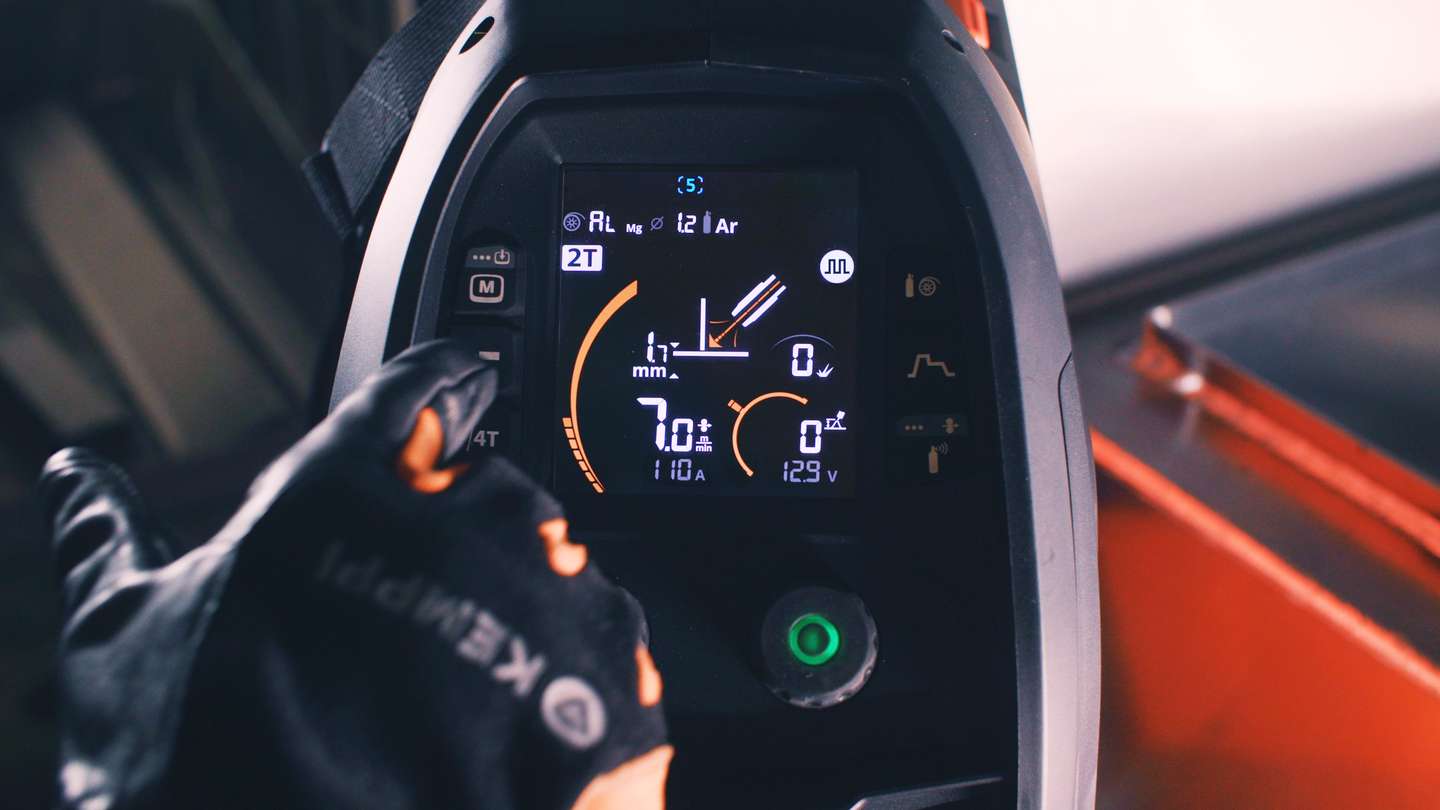
If you choose the Minarc M 223P Auto, the headline difference versus the previous MinarcMig Auto is the pulse MIG/MAG. Pulse shines where control matters most.
With Aluminium, pulse delivers a noticeably improved aluminium welding characteristic across the thicknesses the machine covers. When welding aluminium frames or repairs and you want the arc to feel controlled, pulse helps create a cleaner, more stable behaviour.
For Steel and stainless (2–4 mm), pulse can bring the most benefit in this range, often a tricky zone where transfer behaviour can get less stable if you push settings.
For instance, when welding 3 mm brackets, one wants consistency and good finish without chasing spatter or fighting an unstable arc. This is where pulse can make the result look cleaner. On the 223P Auto, the key operator lever here is pulse current adjustment so the welder is not buried in complexity.
2) Euro-connector + cooler path
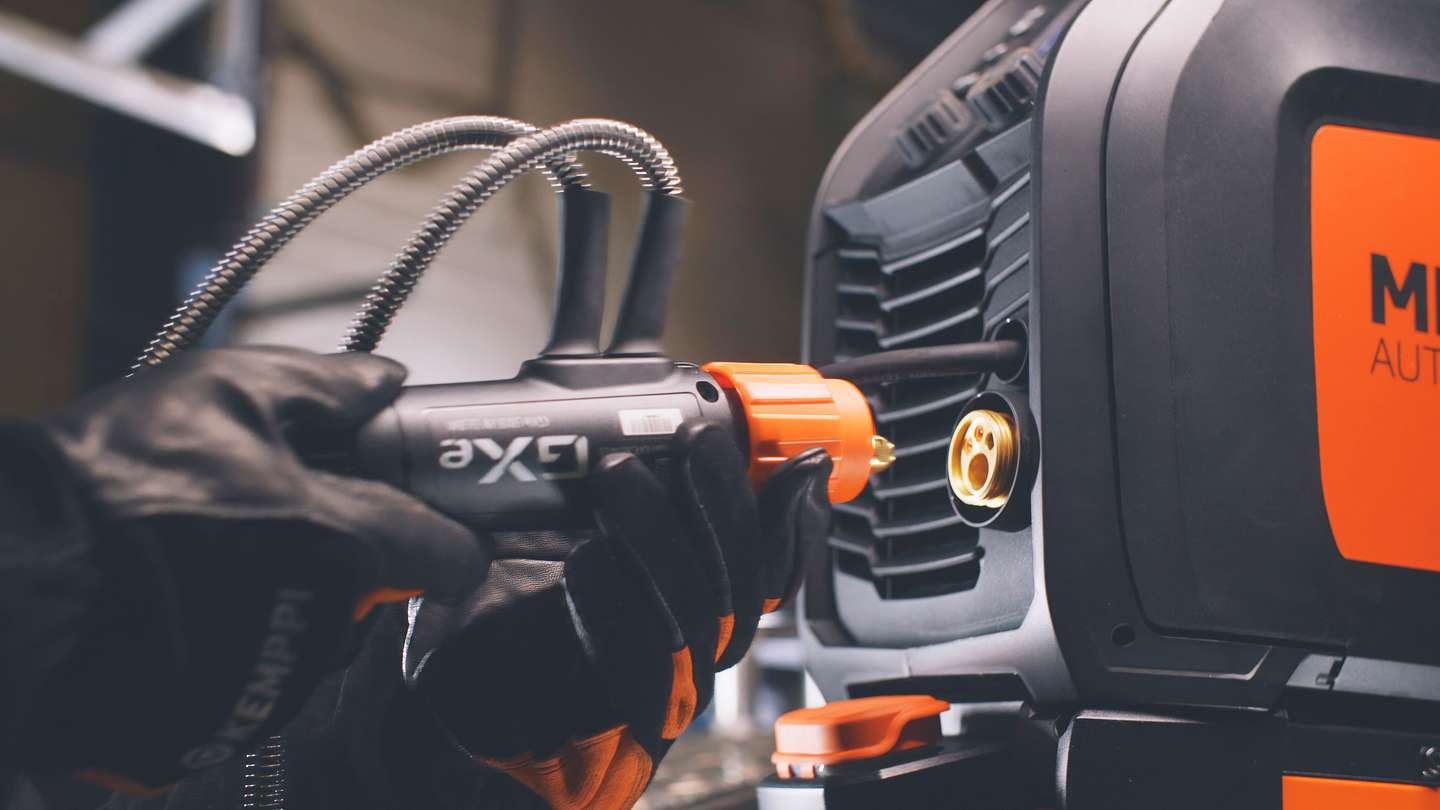
The Euro-connector on the 223P means you can use different torches including water-cooled torches and pair the setup with an optional cooler. This matters when you move from quick repairs to longer runs.
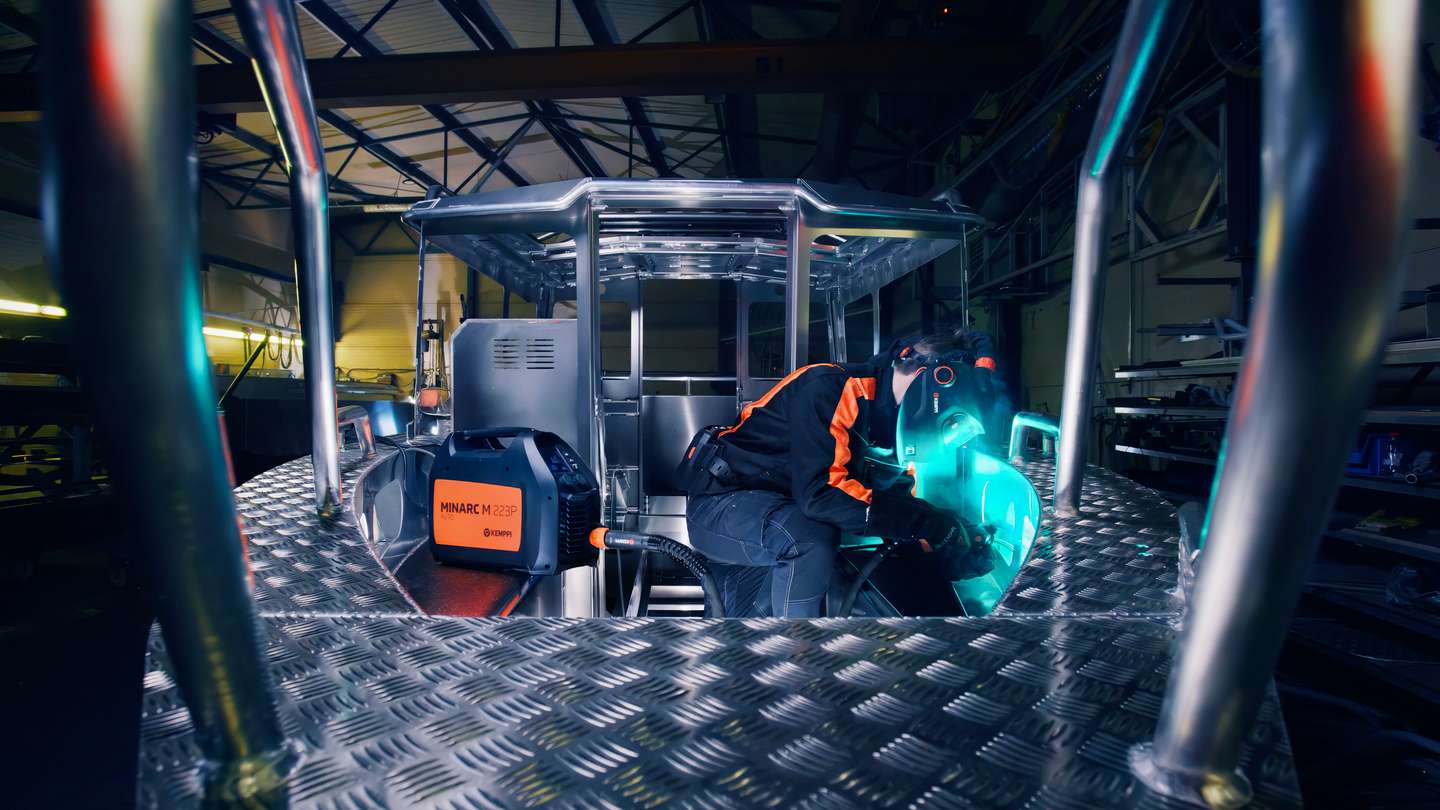
When doing longer seams at higher output in a small fabrication shop, pulse can be tougher on consumables, and cooling support helps maintain more optimal conditions - especially when you want consistent performance for longer stretches.
3) Wire diameter range (0.6–1.2 mm)
Minarc M expands usable wire options to 0.6 mm through 1.2 mm. That’s a big practical shift if your work isn’t one repeating material thickness. Let’s break it down:
0.6 mm wire is rarely used, but suitable for welding very thin sheet steel. 0.8–1.0 mm wires are ideal for welding steel and stainless steel. 0.9 mm is an imperial wire size popular in certain markets, like Australia. 1.0–1.2 mm wires are recommended for aluminum welding. 1.2 mm wire is commonly used for flux-cored steel welding.
If your old workflow felt locked into one safe wire diameter, this broader range makes the machine far more adaptable.
4) Flux-cored + gasless programs: a genuine stick-welding alternative
A standout addition is dedicated curves and welding program for flux-cored and gasless wires which is imperative for anyone who wants MIG convenience without shielding gas limitations.
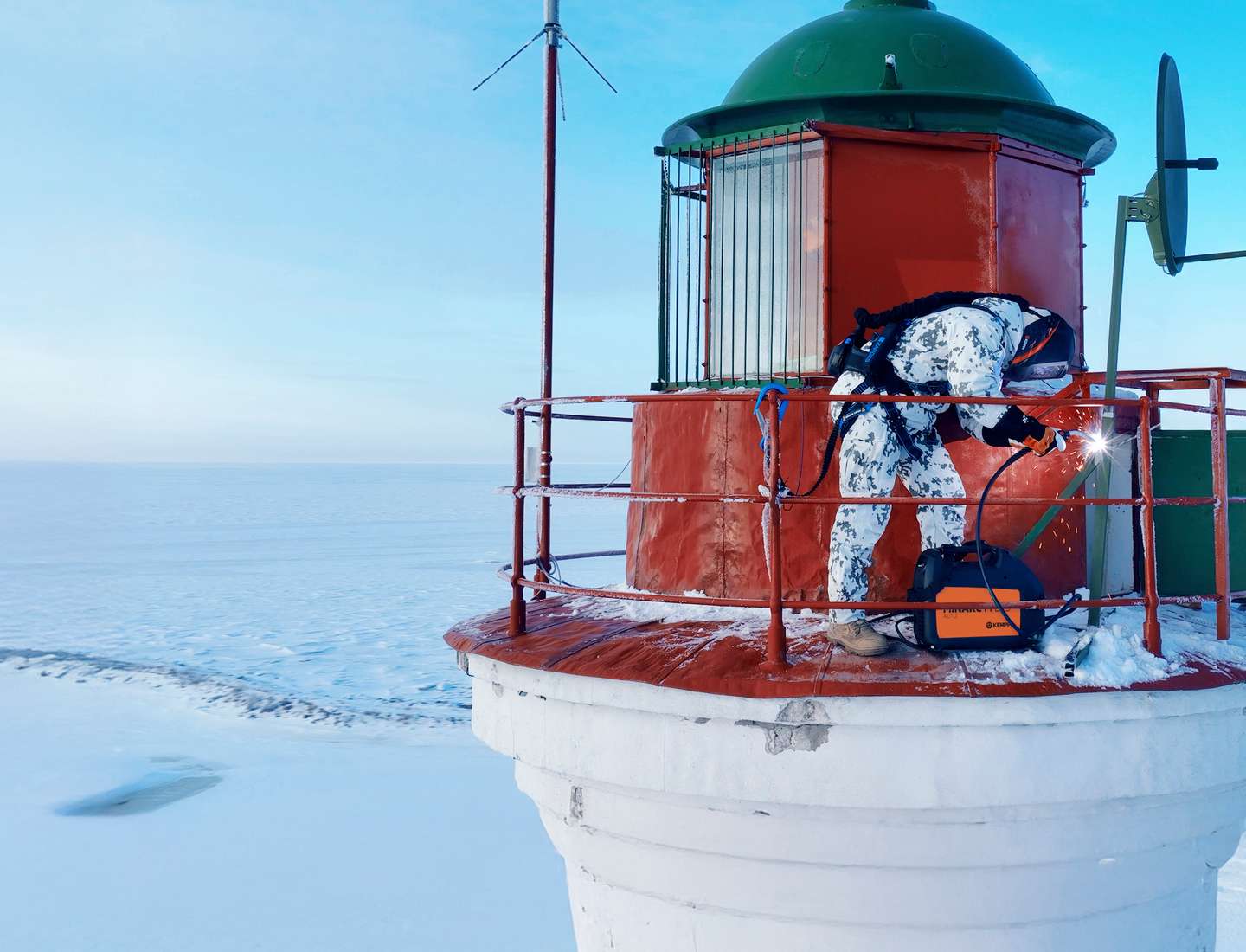
When welding outside either fixing a gate hinge, a trailer bracket, or doing yard maintenance, with shielding gas, wind can ruin your welds. With gasless wire, you can weld outdoors without bringing a cylinder and without stopping every two minutes to shield the weld from drafts.
5) The upgrade you notice before you even strike an arc: weight
One of the most meaningful improvements is also the simplest: the new Minarc M models are roughly 2 kg lighter than the previous MinarcMig Auto units. That matters more than people admit.
If a welder is doing repair work across multiple locations; for instance, a maintenance route in a plant or moving between bays in a workshop; 2 kg matters. Less fatigue, faster repositioning, and more willingness to bring the machine to the problem.
6) Wire feed control and the start
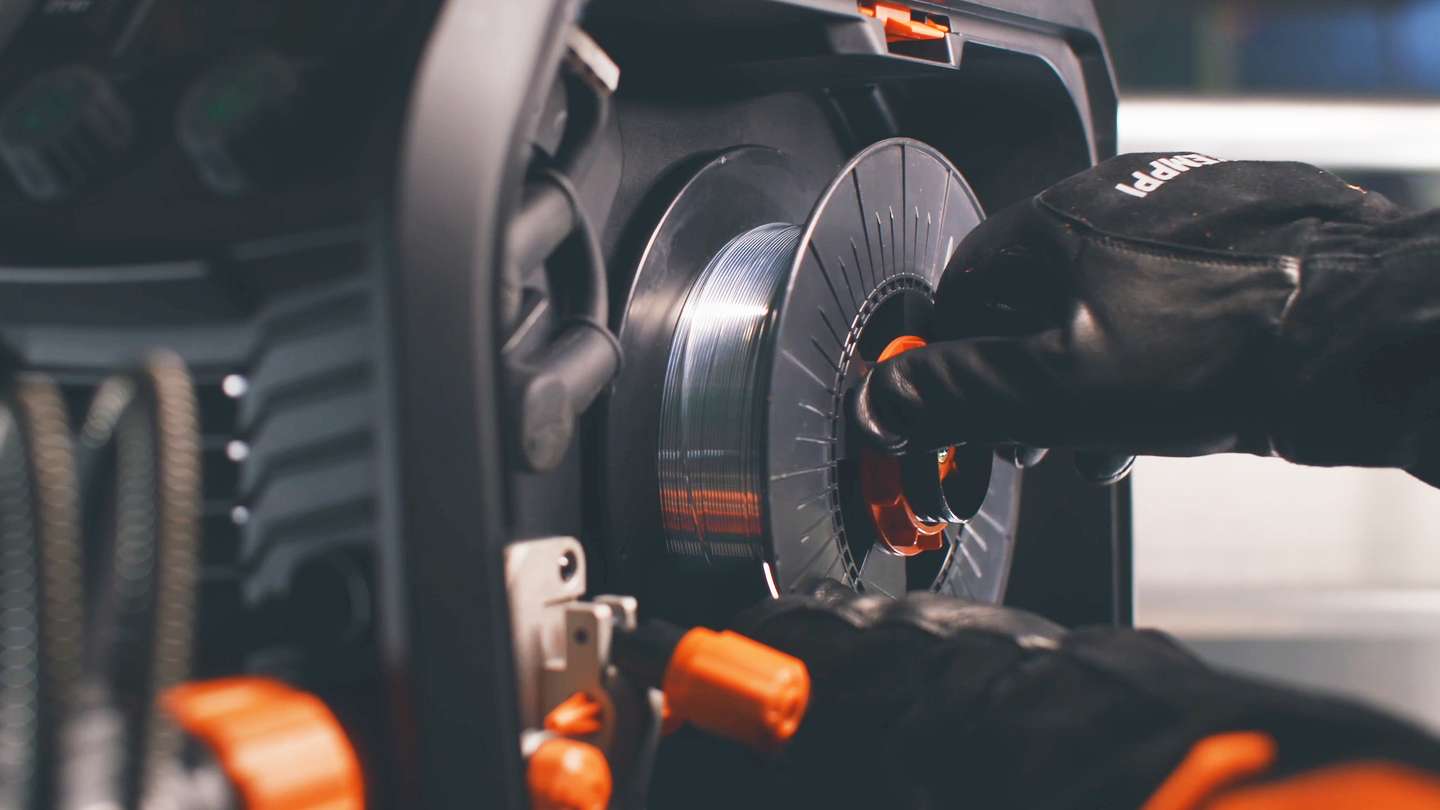
Most welders judge a portable MIG by two moments: the first start and the hundredth restart. Minarc M’s digital wire feed speed control is designed to stay stable under load and across parameter changes.
In an instance where there is lots of tack welding on a repair job, and if the wire feed is inconsistent, there will be erratic starts or burnback. With stable feed control, starts become repeatable and that’s where productivity quietly jumps. Mechanically, Minarc M also brings a more robust all-metal wire drive chassis.
7) From adaptive to more accurate synergy
MinarcMig Auto’s strength was simplicity: select material type, welding wire, shielding gas and plate thickness, and weld. The new Minarc M takes a more precise approach with synergic programs matched to each wire material, diameter, and shielding gas combination.
In welding work, people change wire types and shielding gas more often than they expect. More accurate program matching means less guesswork and settings that don’t cost extra time in cleanup or rework.
Conclusion
Modern welding is a game of context switching. One day it’s thin sheet for a bracket or enclosure; the next it’s a thicker repair plate; then a quick on-site fix where you’re working in cramped access, gloves on, and the wind is doing its best to ruin shielding.
This is where the new Minarc M generation becomes more relevant than a simple spec comparison. It’s designed to reduce friction in the work that actually consumes time: getting to the right setup quickly, keeping the arc predictable across common changes, and making it easier to reproduce a good weld without chasing the parameters every time something shifts.

Varsha Saraogi
Varsha Saraogi
Hails from a background in journalism and editorial strategy and brings an international B2B perspective to content and communications at Kemppi. Passionate about creating stories that connect welding technology with the people and industries it serves, combining technical substance with a clear and engaging voice. Work has been published in specialist titles such as Airport Technology, Railway Technology, Ship Technology, FinTech Global, and RegTech Analyst, reflecting experience across a wide range of industrial and business sectors.
Powiązane produkty
Rodzina produktów
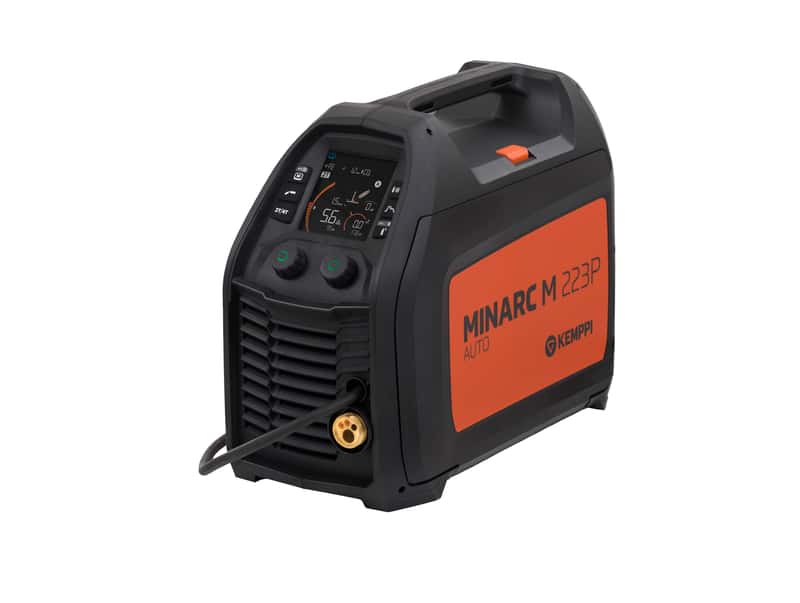
Minarc M to wysokiej klasy przenośne urządzenie spawalnicze MIG/MAG dla profesjonalistów, hobbystów i rzemieślników. Jest lekkie, oferuje moc 220 A, precyzyjne spawanie oraz dokładne zajarzanie łuku.
Więcej postów na blogu
What is pulsed MIG welding, and for what you can use it?
Pulsed MIG/MAG welding is a significant improvement in welding technology, offering accuracy, productivity, and flexibility that conventional welding methods can hardly compete with. This advanced process has become popular for professionals looking to improve weld quality, especially in demanding applications. Here's a closer look at how pulsed MIG/MAG welding works and the situations where it truly shines.
ABC spawania
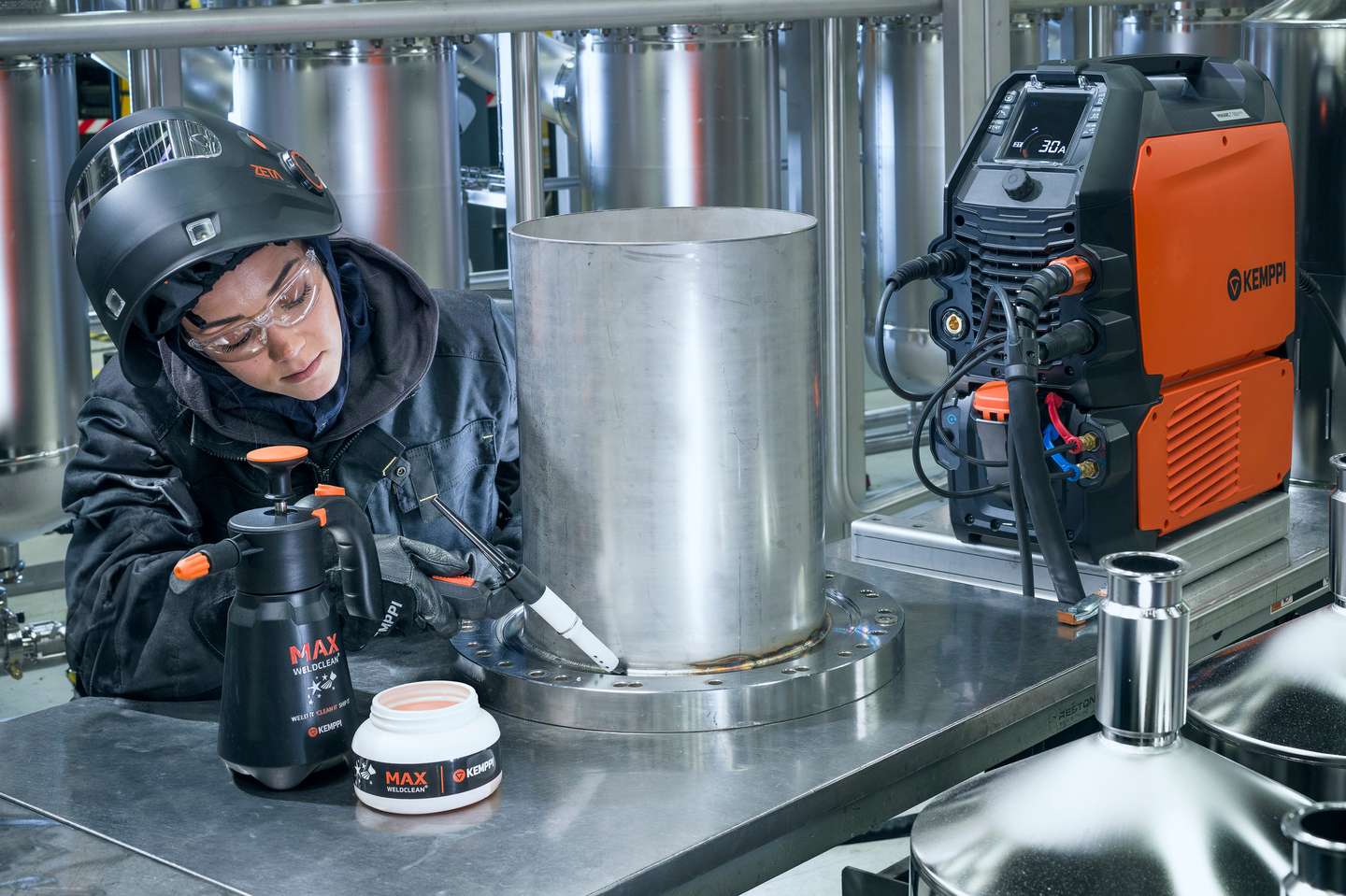
Łatwe i ekonomiczne czyszczenie spoin
Spawanie otacza nas ze wszystkich stron. Łączy ze sobą metale, tworząc konstrukcje potrzebne nam w codziennym życiu. Jednak poza widowiskowymi iskrami i mocnymi połączeniami występuje jeszcze proces, o którym często się zapomina: czyszczenie spoin. Szczególnie w przypadku stali nierdzewnych właściwie czyszczenie spoin nie tylko poprawia zewnętrzną estetykę, ale także podnosi wytrzymałość, trwałość i ogólną jakość.
Innowacja
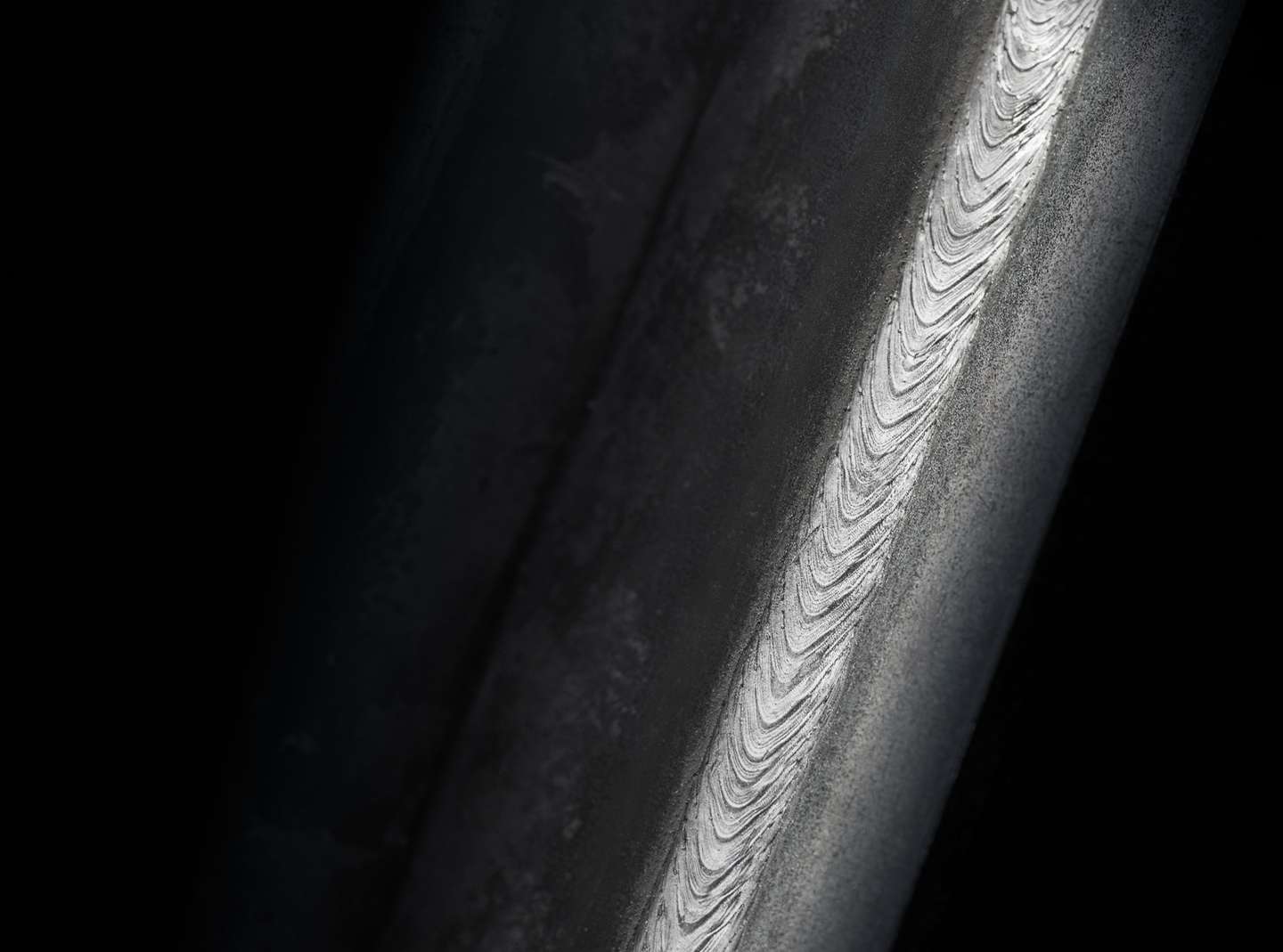
Zaawansowane procesy spawalnicze Kemppi: Spawanie MIG/MAG
Jednym z najważniejszych elementów rozwoju sprzętu spawalniczego od dawna jest ulepszanie procesów spawalniczych i tworzenie nowych wariantów procesów. Nowoczesne metody pomiaru i kontroli łuku spawalniczego umożliwiły stworzenie szerokiej gamy wariantów procesu spawania łukowego. Te zaawansowane procesy spawalnicze znacznie poprawiają wydajność produkcji spawalniczej i jakość spoin. W tym artykule przedstawiono specjalne procesy i operacje opracowane przez firmę Kemppi na potrzeby spawania MIG/MAG.
ABC spawania, Spawanie ręczne
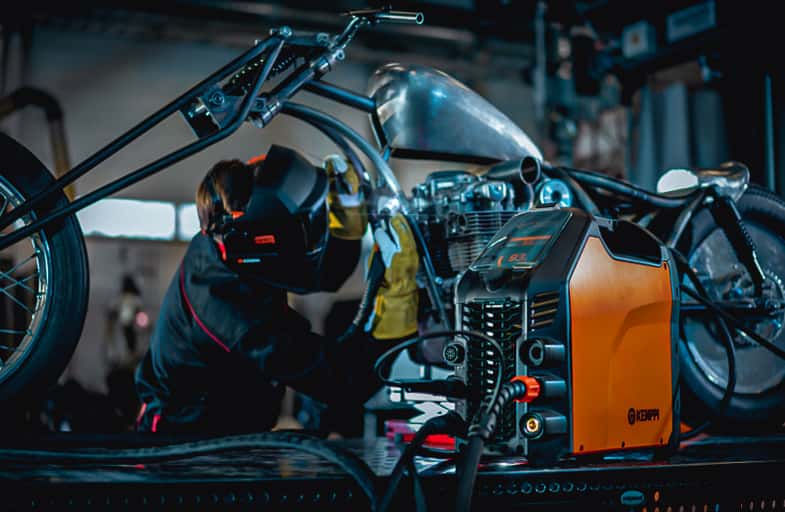
Jak Rapid Welding i Kemppi zbudowały partnerstwo na lata
Rapid Welding współpracuje z Kemppi od chwili założenia firmy w 1990 roku. Roy Edwards, współzałożyciel i dyrektor zarządzający, przedstawia zasady, na których opiera się to 36-letnie partnerstwo: od doboru właściwego rozwiązania spawalniczego i wsparcia urządzeń przez cały okres ich eksploatacji po przeciwdziałanie niedoborowi wykwalifikowanych pracowników oraz znajdowanie odpowiedniego miejsca dla automatyzacji i spawania laserowego.
Automatyzacja spawania, Spawanie ręczne, ABC spawania
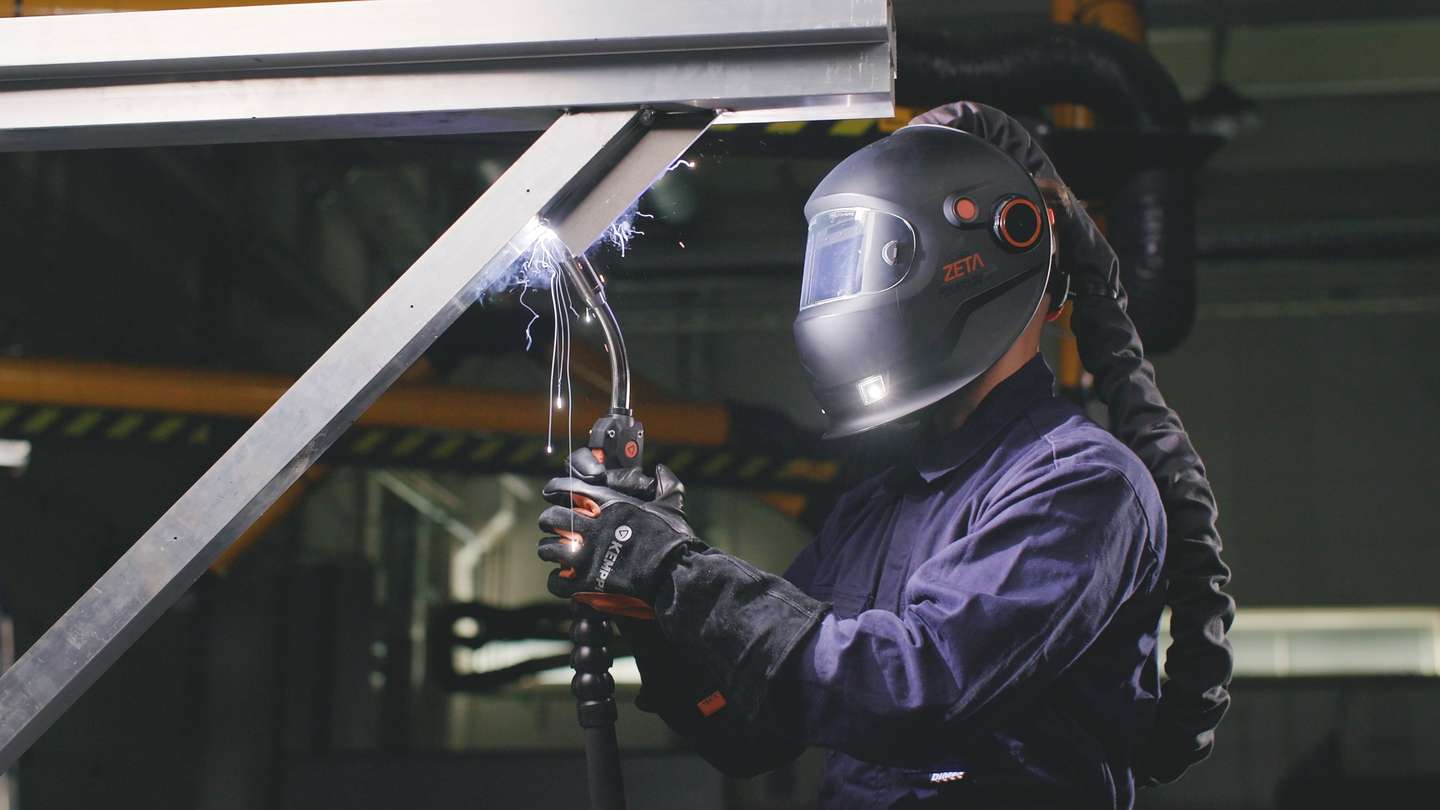
Bezpieczeństwo, które nadąża za wyzwaniami spawaczy i zmieniającymi się zagrożeniami
Bezpieczeństwo spawania staje się coraz bardziej wymagające. Choć same zagrożenia generowane przez łuk spawalniczy się nie zmieniają, to w dzisiejszych realiach przemysłowych ekspozycja na nie ulega kumulacji - głównie za sprawą dłuższych zmian roboczych oraz pracy w bardziej ograniczonych, zamkniętych przestrzeniach. W związku z tym, spawalnicze środki ochrony indywidualnej (ŚOI) należy traktować nie tylko jako bezpośrednie zabezpieczenie spawacza, ale również jako dowód zgodności z obowiązującymi normami. W Kemppi ŚOI zwiększające bezpieczeństwo spawania są projektowane i weryfikowane w praktyce na podstawie jasnych wymagań, opinii spawaczy oraz potwierdzonej zgodności z rozporządzeniem UE 2016/425 w sprawie ŚOI, procedurami oznakowania CE i odpowiednimi normami EN.
Bezpieczeństwo, ABC spawania
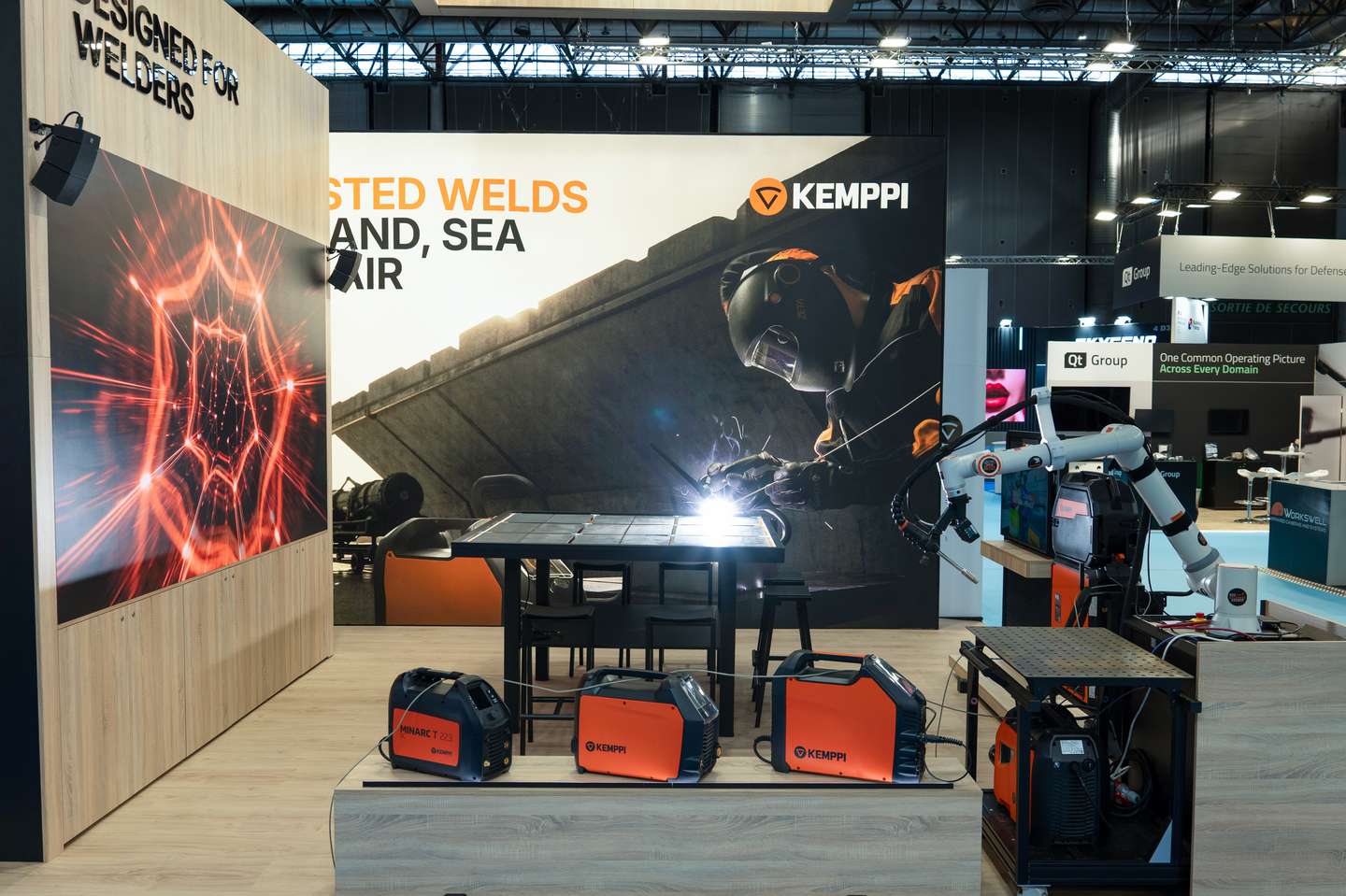
Eurosatory 2026 And the Future of Defence Manufacturing
Eurosatory 2026 highlighted a clear shift in modern defence manufacturing. While defence systems are becoming more digital, networked, and autonomous, their foundation remains physical. From armoured vehicles and artillery to industrial resilience, welding quality, steel structures, and production discipline remain paramount to defence readiness.
Cyfryzacja, Innowacja