Människor
50 years of partnership between a man and a welding machine
22 juni 2016
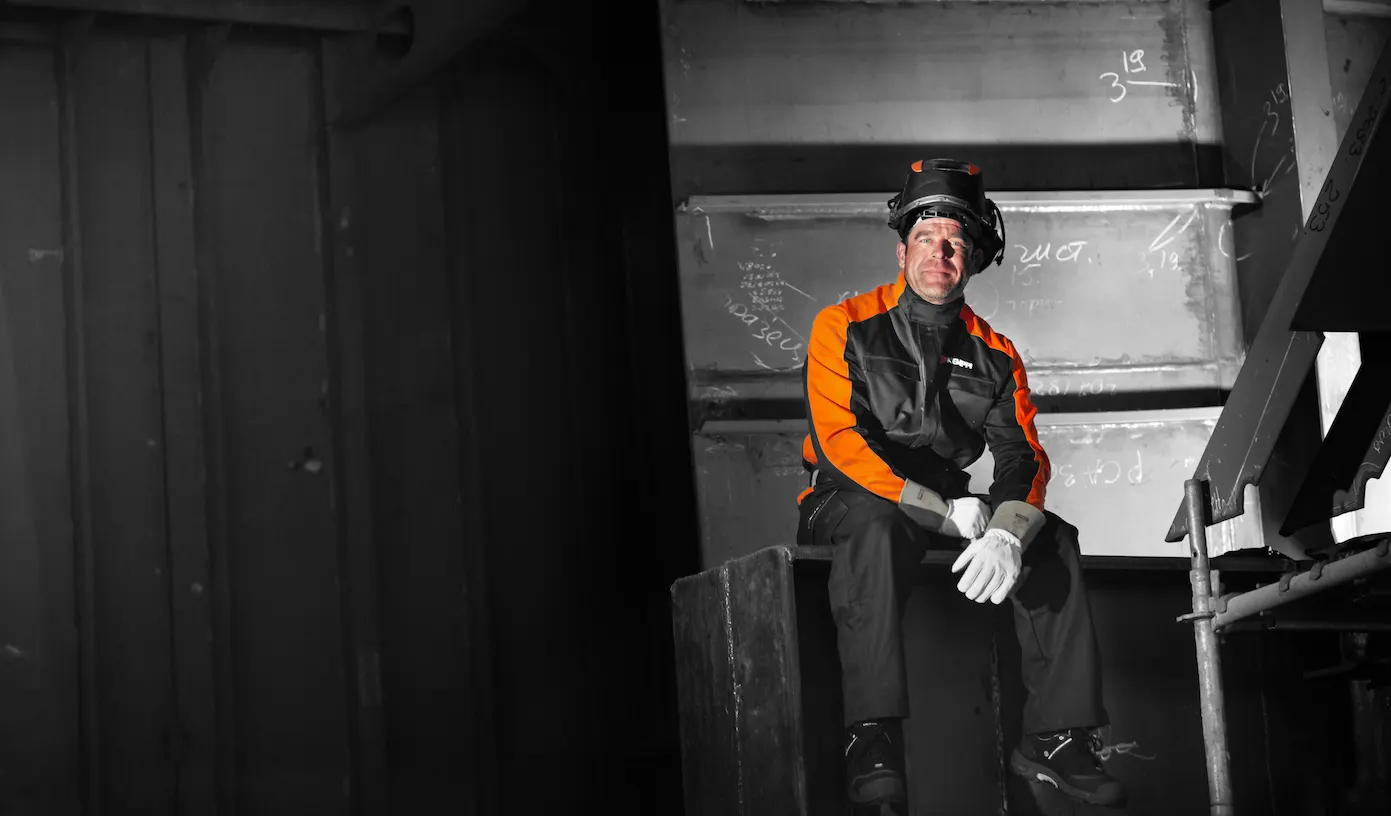
In the 1960s, there was a huge shortage of professional welders in Finnish growth centers. That is why Keijo Olkoniemi, whose career as a welder has lasted for almost 50 years, trained to become a welder, a profession which has offered him challenges throughout his career. ”I remember when they said at the dockyard in Hietaniemi, Helsinki that you can bring a train full of skillful employees, and we will hire them all,” Olkoniemi says, laughing.
Kemppi marketing
WHO?
Keijo Olkoniemi Welder Born in 1949, Finland
Lived during his career in Singapore, Iraq, Saudi Arabia, Sweden, Norway, Poland
Finnish quality work becomes more international
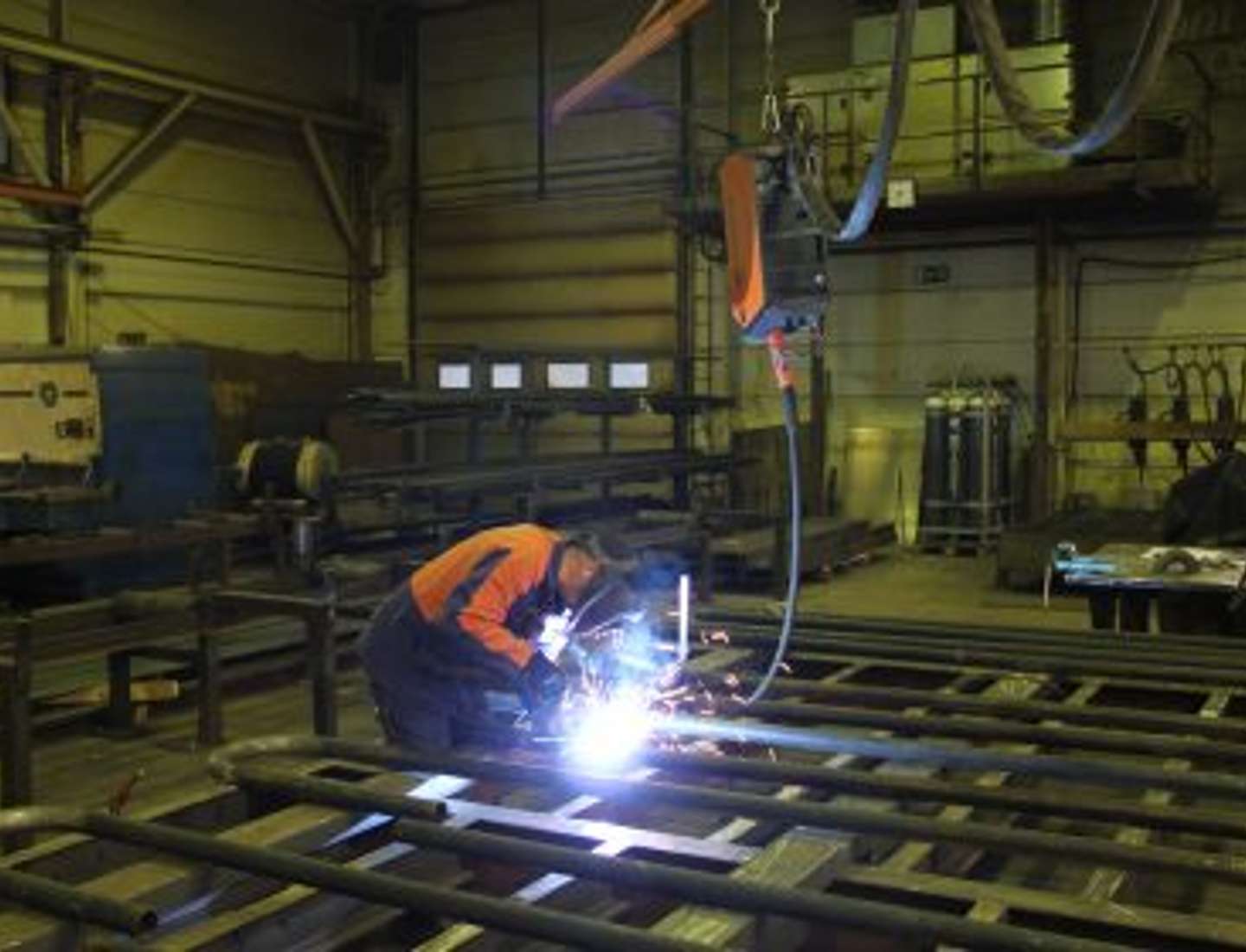
Gas welding machines were replaced with stick welding machines in the late 1970s. In the next decade, MIGs were already common and stick welding machines were only used in special cases. At that time, Olkoniemi worked in concrete mold manufacture. Walls, for example, were cast into the molds. Gradually, the business changed, and instead of separate parts, entire factories were sold around the world – including installations.
We brought almost everything with us, from, safety devices to welding machines. There were no equivalent machines available in other countries, and good tools were a requirement for high quality.
Kemppi's innovations are shifting welding towards precision work
Good welding machines ensure high quality and increase efficiency. Information travels between machines and even between continents. The machines have become more reliable, lighter and agile. "Based on my experience, I can say that Kemppi has proven to be the most progressive and reliable welding machine manufacturer," Olkoniemi describes.
Olkoniemi’s working methods have always been based on the client’s demands and high-quality results, not so much on standards. Machined parts are often prefabricated and the drawings of the products are marked with the exact welding points, seam thicknesses and lengths. With detailed parts, the welder’s skills and the properties of the welding machine become highlighted – the seamless cooperation between a man and a machine.
I’m not sure if I would still work as a welder now after 50 years if there had been no development in machine safety and ergonomics over the years. Today, the noise is the only reason why the work is physically exhausting.
Automation and robotics – the helping hand for future welders
In the future, robotics and automation will become increasingly more popular in welding. When welding large series of products, automation will surely be effective. There can be, however, major differences in raw materials, parts and conditions. There will certainly still be demand for manual welding in product development, customized product solutions and small series of products.
“I’m soon going to retire from Elematic, but I probably won’t stop welding because I happen to have a stick welding machine in my garage. My advice for future welders is to be brave and take up challenges. Welding provides plenty of opportunities and diverse career paths. Being international has become the rule rather than the exception, and everyone can affect their own career path. Finland has a long welding tradition, the profession is changing but it’s not going to disappear. The number one welding machine manufacturer in the world comes from our country so we might as well have the best welders in the world.“

Kemppi marketing
Kemppi marketing
Kemppi marketing aims to evoke discussion on the transformation of modern welding and bring you the latest stories from within the global welding industry, told by true experts in their respective fields.
Fler blogginlägg
What did it take to develop the first inverter power source?
In 2017, it has been 40 years since the inverter power source was developed. We sat down with Tapani Mäkimaa, an original member of the development team, and discussed what makes Kemppi a pioneer in its field, year after year.
Innovation
Future welding - as seen by the welders
In the world of welding, innovation is guided by the needs of both the industries using welding systems, and the individual welders who work with them from day to day. To draw a picture of the future of welding, we asked two welders to give us their insights on the road ahead.
Människor
The significance of usability in industrial welding
We asked two professional welders – Meyer’s Jukka Hahko and Dinolift’s Pasi Laakso – what good usability means in industrial welding.
Innovation
How Rapid Welding and Kemppi Built a Partnership That Lasts
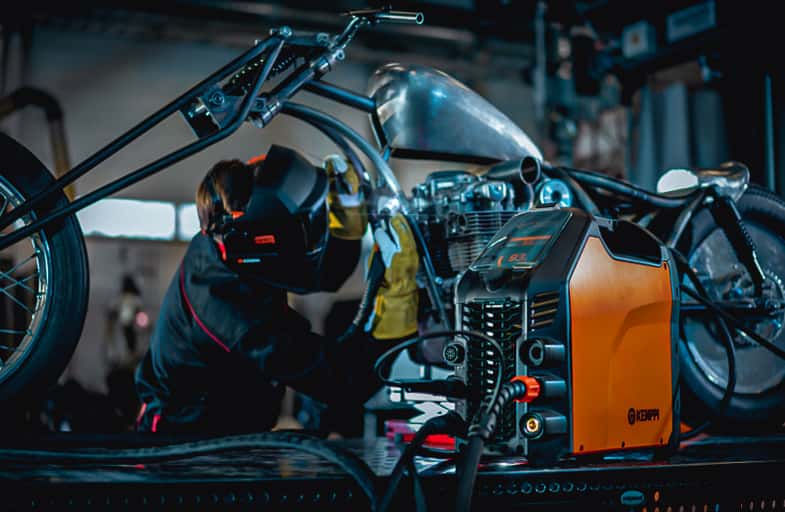
Rapid Welding has worked with Kemppi since the company opened in 1990. Co-founder and Managing Director Roy Edwards highlighted the principles behind that 36-year partnership, from choosing the right welding solution and supporting equipment throughout its life to addressing the skills shortage and finding the right place for automation and laser welding.
Automatisering av svetsning, Manuell svetsning, Svetsning ABC
Säkerhet som anpassas efter svetsarens utmaningar och varierande risker
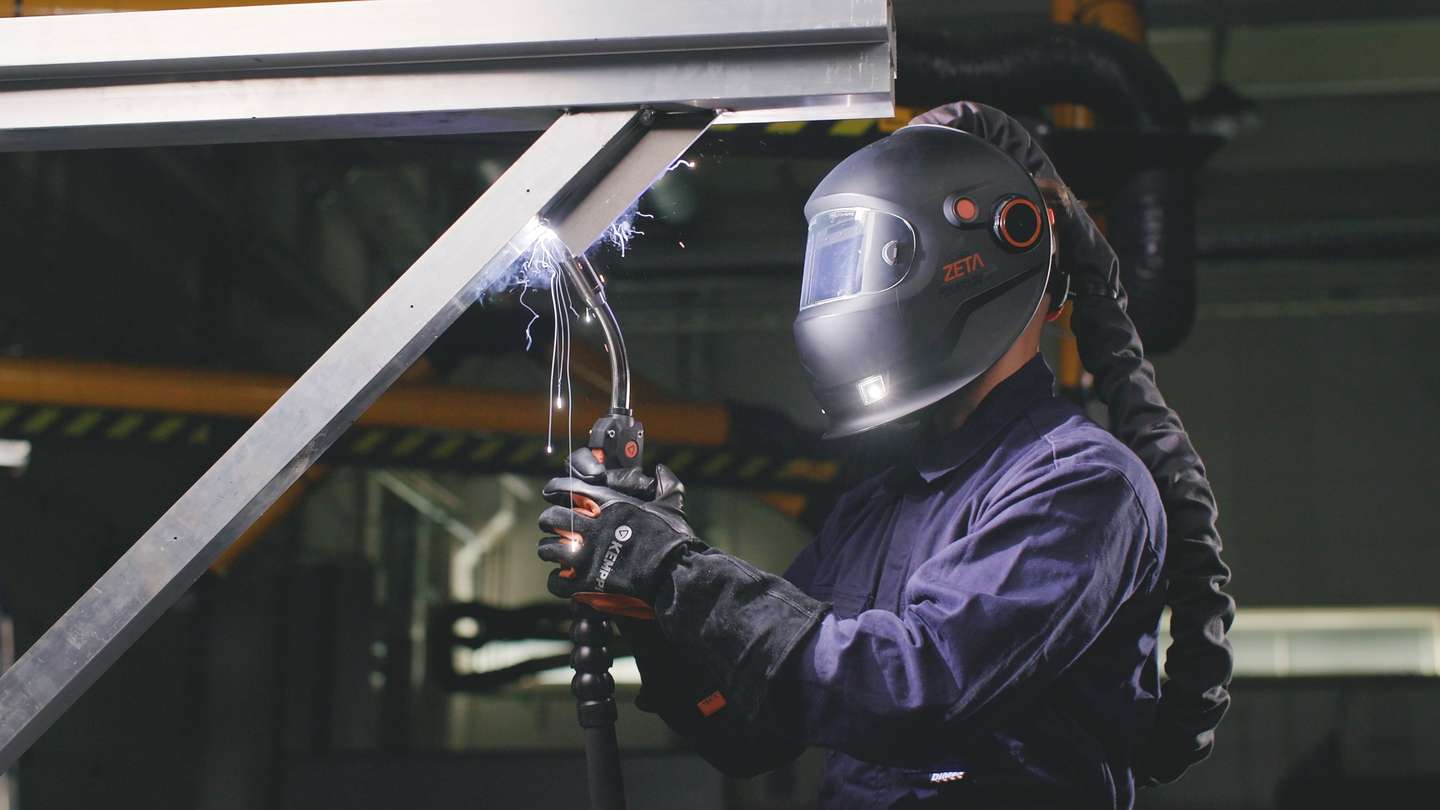
Svetssäkerheten ställer allt större krav. Riskerna vid ljusbågen är desamma, men moderna arbetsförhållanden innebär att exponering kan lagras under längre arbetspass och i begränsade inomhusutrymmen. Följaktligen måste personlig skyddsutrustning för svetsning betraktas både som ett skydd för svetsaren och som ett bevis på att kraven uppfylls. Hos Kemppi utformas och valideras personlig skyddsutrustning för svetsning i praktiken genom tydliga krav, synpunkter från svetsare samt verifierad överensstämmelse med EU:s förordning 2016/425 om personlig skyddsutrustning, CE-märkningsprocesser och relevanta EN-standarder.
Säkerhet, Svetsning ABC
Eurosatory 2026 And the Future of Defence Manufacturing
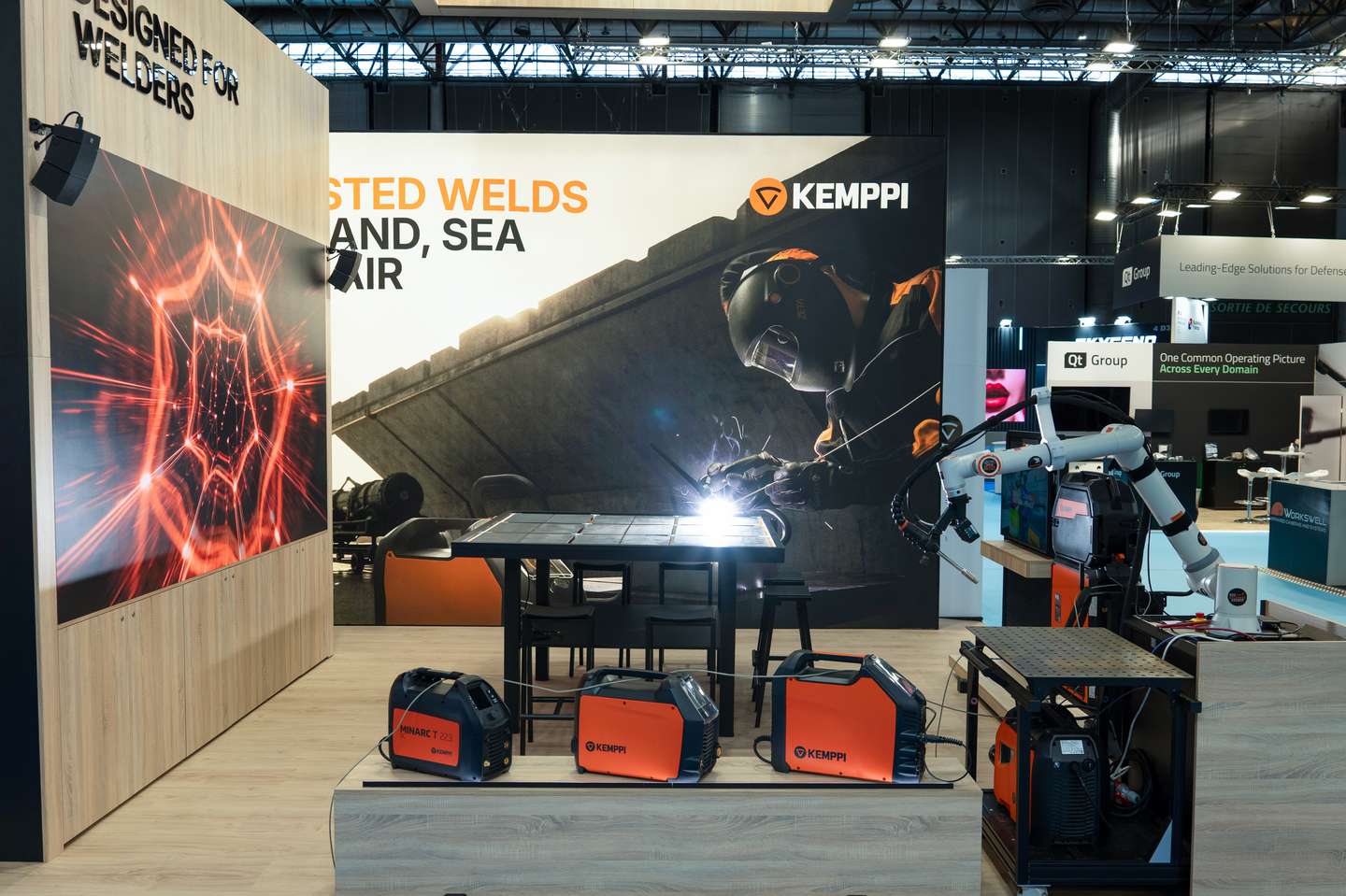
Eurosatory 2026 highlighted a clear shift in modern defence manufacturing. While defence systems are becoming more digital, networked, and autonomous, their foundation remains physical. From armoured vehicles and artillery to industrial resilience, welding quality, steel structures, and production discipline remain paramount to defence readiness.
Digitalisering, Innovation