Automatisering af svejsning
How Rapid Welding and Kemppi Built a Partnership That Lasts
28. august 2026
Rapid Welding has worked with Kemppi since the company opened in 1990. Co-founder and Managing Director Roy Edwards highlighted the principles behind that 36-year partnership, from choosing the right welding solution and supporting equipment throughout its life to addressing the skills shortage and finding the right place for automation and laser welding.
Varsha Saraogi
Emner:
Long before Rapid Welding became an international supplier, Roy Edwards was learning to weld aluminum on an old Quasi Arc oil-filled machine fitted with a high-frequency box. Cumbersome by today’s standards, it gave him the grounding for a career spanning nearly five decades.
Roy later built experience across MIG, TIG, stick, orbital, and plasma welding, after which, he moved from the workshop into equipment sales at ARC Welding Supplies – a shift that united technical judgment with commercial vision.
That combination became the foundation of Rapid Welding and Kemppi was among their suppliers from the outset. Fast forward 36 years, Rapid has grown into a team of more than 30 specialists, offering over 50,000 products, shipped more than 400,000 orders to 136 countries, and supports customers through technical sales, equipment hire and a dedicated service operation.
The technology has traveled a long way since Roy’s first oil-filled machine, through inverter power sources and digital systems to cobots and laser welding. His point of reference remains the same: the weld the customer needs to produce. We spoke with him about Rapid’s 36-year partnership with Kemppi, equipment longevity and the future of the trade.
Rapid Welding and Kemppi have worked together since 1990. How did the story begin?
Rapid Welding was established in 1990 as a family business, and we have worked with Kemppi from the very beginning. Kemppi equipment has been commercially successful for us, and customers who buy their first Kemppi very often stay with the brand. When we gain a new Kemppi customer, they have often used the equipment with a previous employer or in another industry. The reputation is already strong, and customers tend to stay with what they know and trust.
What has kept the partnership strong for more than three decades?
People don’t buy welding machines; they buy welds. The welds are where their profit is. We are interested in providing the best welding solution for them, and Kemppi helps us do that. Support and openness have played a major part. We work with Kemppi to find the most suitable solution for a customer, and the breadth of the product range usually gives us an answer for the application in front of us. We’ve enjoyed our 36 years of the Rapid and Kemppi marriage. A relationship lasting this long also has to be honest, and I will say when I believe something could be improved. That willingness to listen, challenge each other and find a way forward has made the relationship successful.
Which Kemppi solutions have been especially successful with your customers?
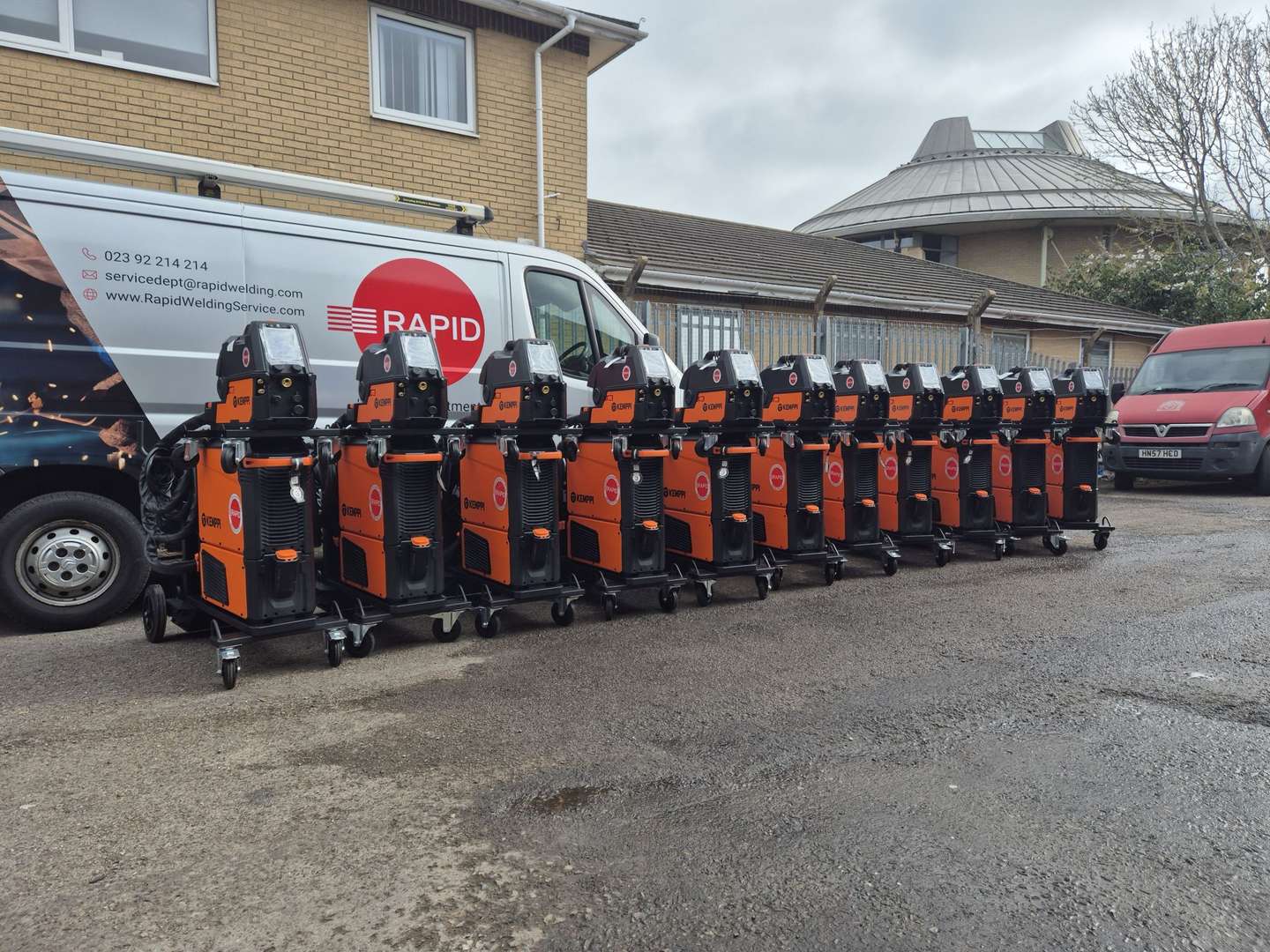
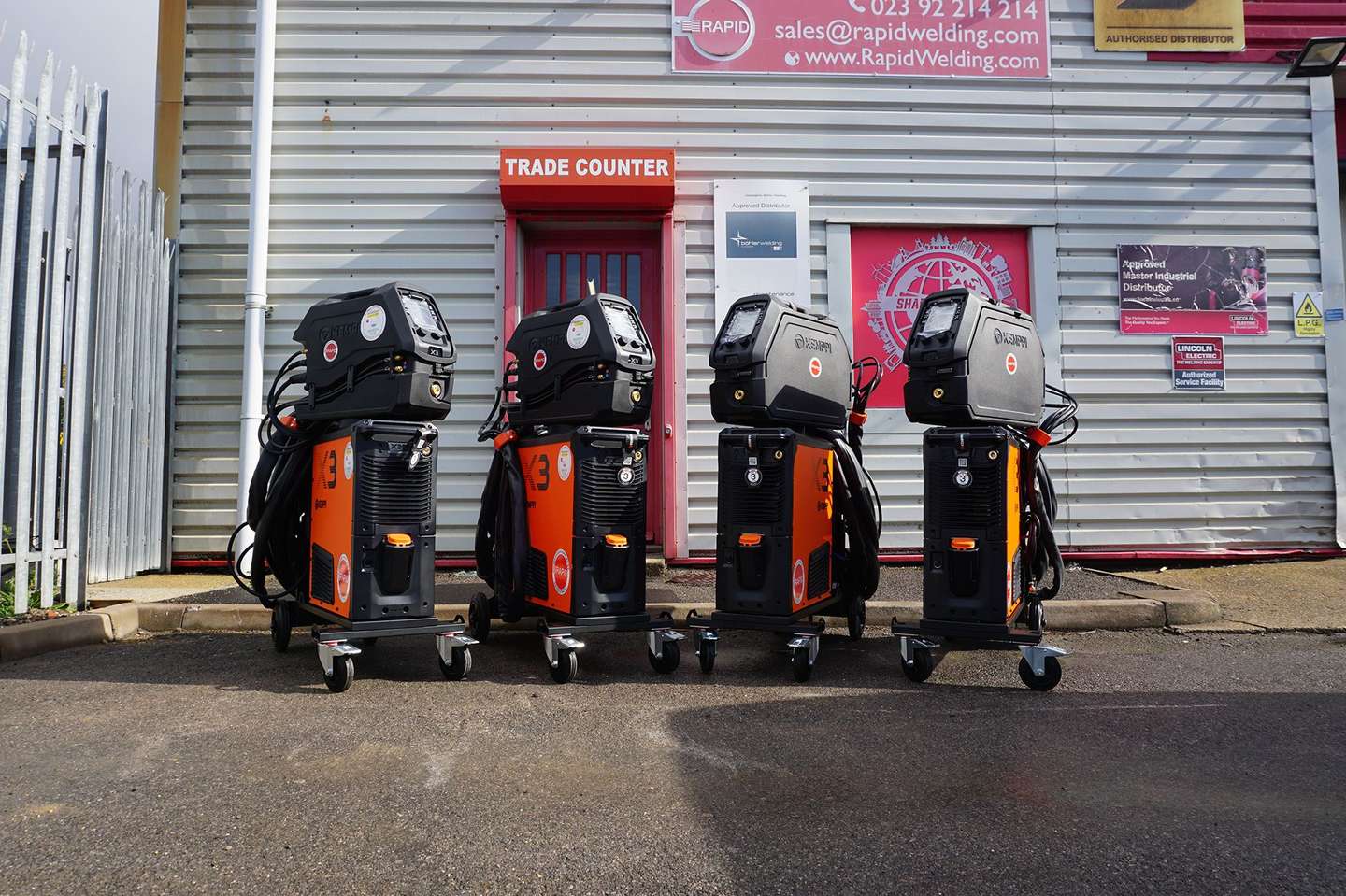
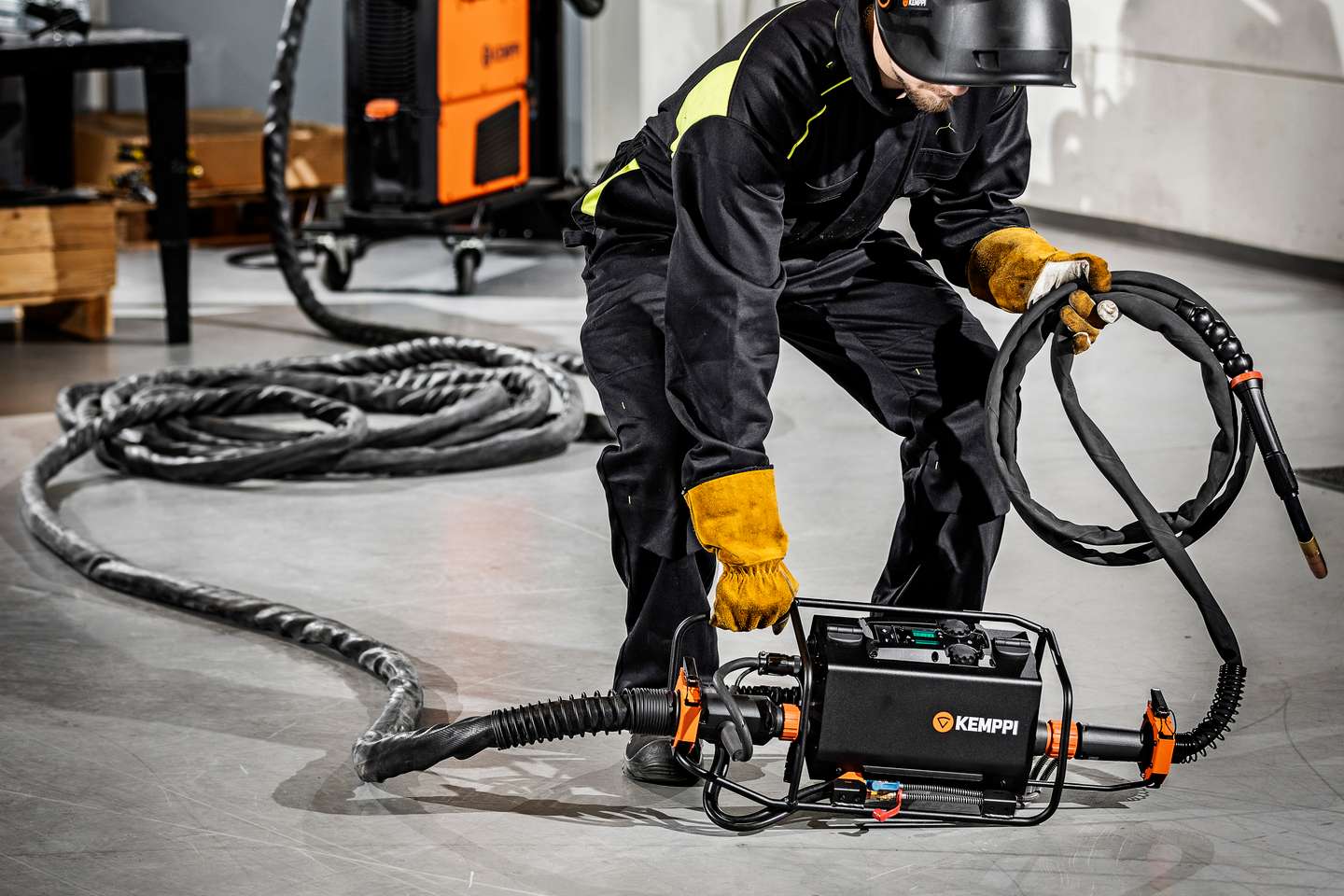
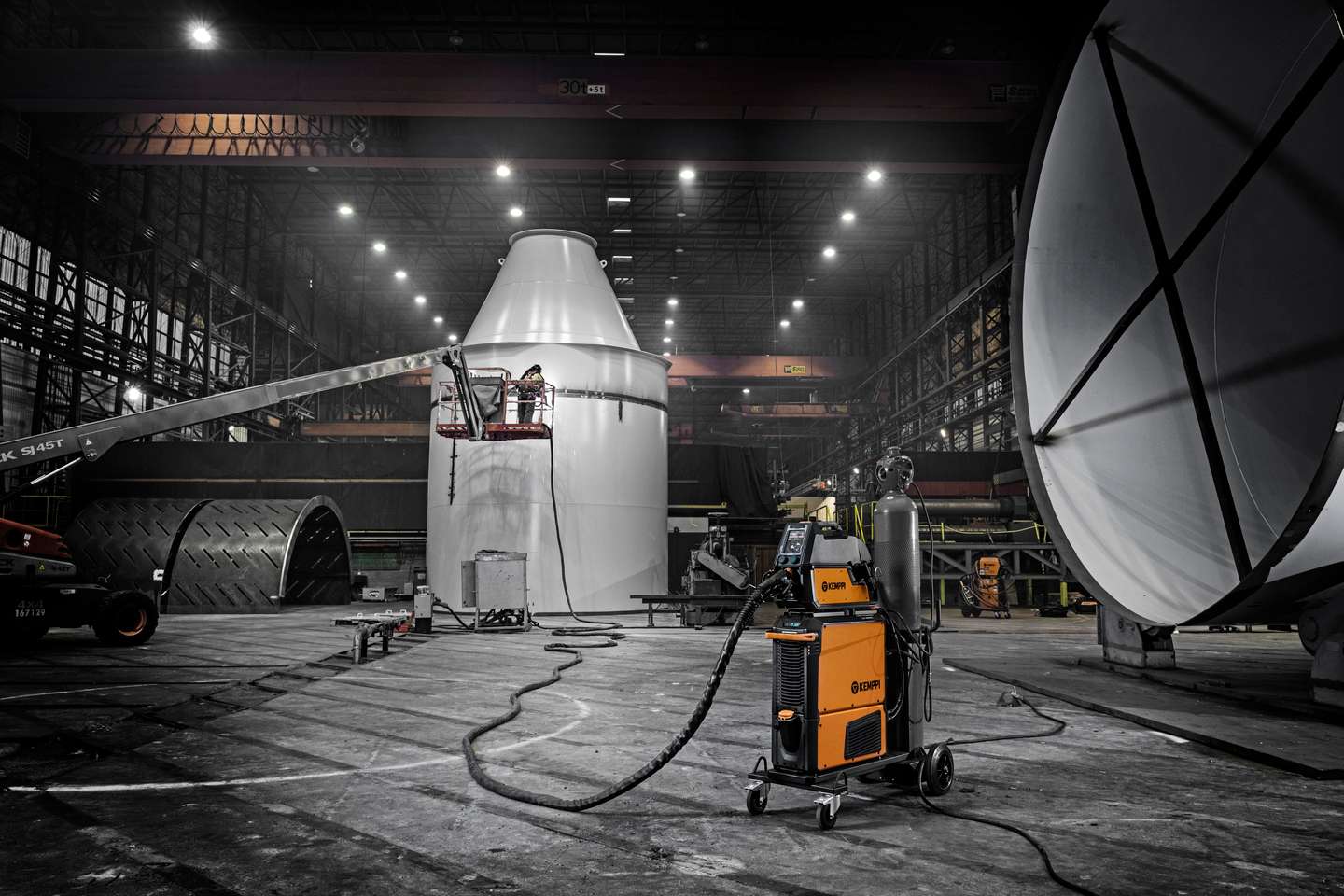
The X5 FastMig with SuperSnake has been a particularly successful combination. We are based on the south coast, where many of our customers work in boatbuilding and other marine applications. That includes companies building vessels for offshore wind farms in the North Sea, where structures and equipment need to be strong, resilient and dependable. Aluminum is important in that market, and SuperSnake is fairly unique in its ability to feed soft aluminum wire over long distances. It fits those marine applications very well. That is a good example of what I mean by selling the weld. The value lies in reliable wire feeding at the point where the work has to happen.
Kemppi SuperSnake systems were used for restricted-access welding during the fabrication of HMS Queen Elizabeth. What do projects of this scale demand?
I remember our involvement at the beginning of work connected with the two Royal Navy aircraft carriers. Modular construction created technical challenges, and some areas placed strict requirements on safe operating voltages. Projects on that scale make the importance of equipment selection, technical knowledge and cooperation very clear.
How important is after-sales service once a machine enters production?
It is essential. Rapid has its own service engineers, and they work closely with Kemppi’s technical team and digital support resources. We see ourselves as partners in keeping the equipment in the best possible condition so that it can continue producing the welds the customer needs for decades after.
You have customers still using Kemppi machines bought decades ago. What does longevity mean to them?
Some of the machines have lasted almost too long. Customers upgrade their equipment, yet they often keep the older Kemppi machines and bring them back into service when needed. I have customers still using machines I sold 25 years ago. One of my personal favorites is the MasterTig AC/DC 3500W. It’s a workhorse that just goes on and on and on. You forget what you paid for a machine once you have bought it. When it lets you down, you never say that it is acceptable because it was cheap; the failure has cost you money. Paying a little more at the beginning can give you equipment that lasts longer. We talk a great deal about recycling, and making things last is a very effective way to avoid waste.
You have worked in welding for around 50 years. How has it evolved?
The changes have been tremendous. In the early years, stick welding dominated many applications. I remember selling some of the first inverter power sources to local shipyards, followed by the move towards flux-cored wire and higher-deposition processes that helped fabricators improve productivity. Today we have the key issue being skills shortage. A recent UK government assessment reported 49,000 vacancies in manufacturing, with skills shortages accounting for 42% of them. We have not trained enough people, and many younger tradespeople enter the workplace without the benefit of years spent learning alongside experienced welders.
Equipment therefore needs to be straightforward, intuitive and supportive so people can achieve results quickly. In addition, welding competence needs proper training and experience. Unfortunately, YouTube doesn’t make a welder.
Will cobots and robots solve the shortage?
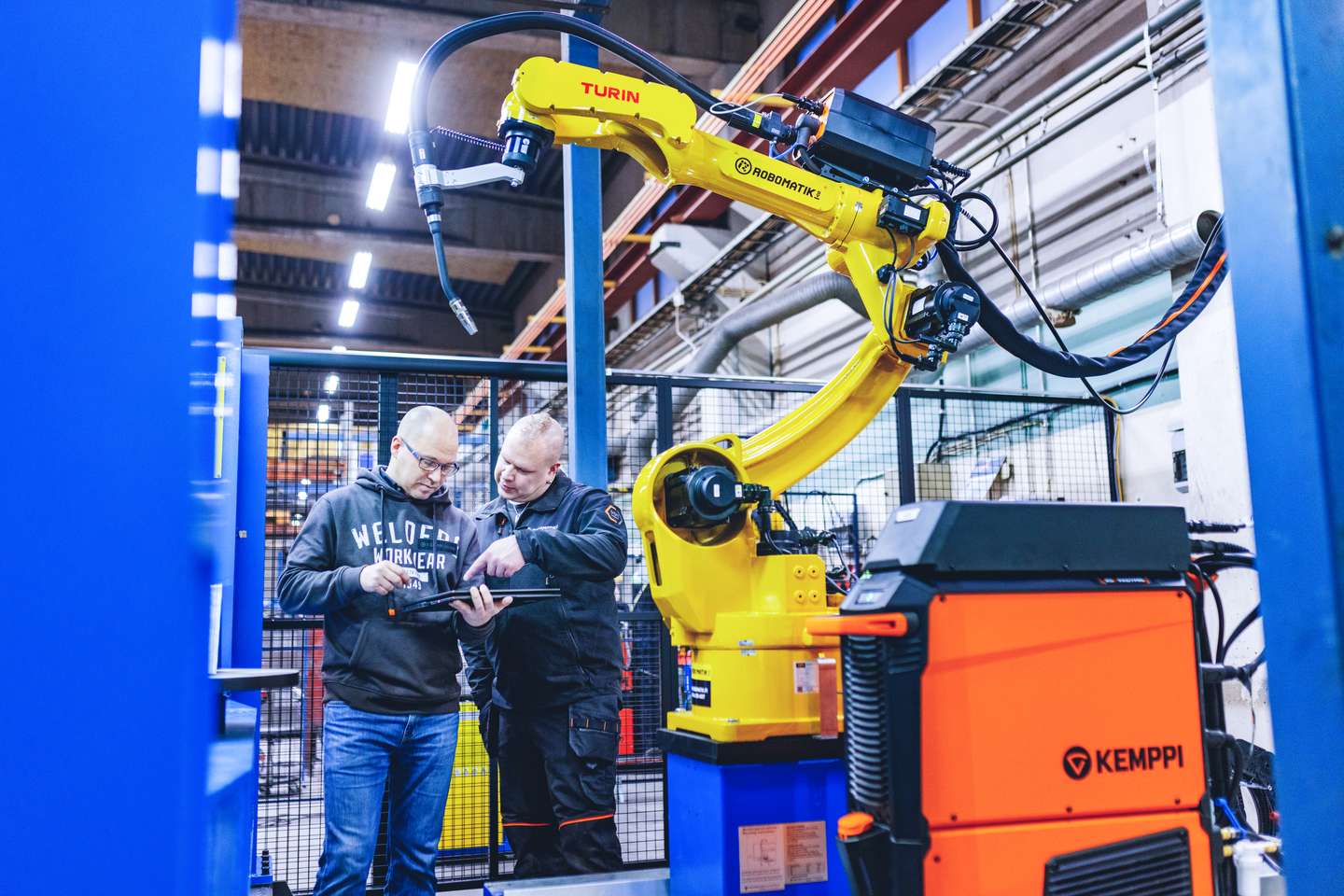
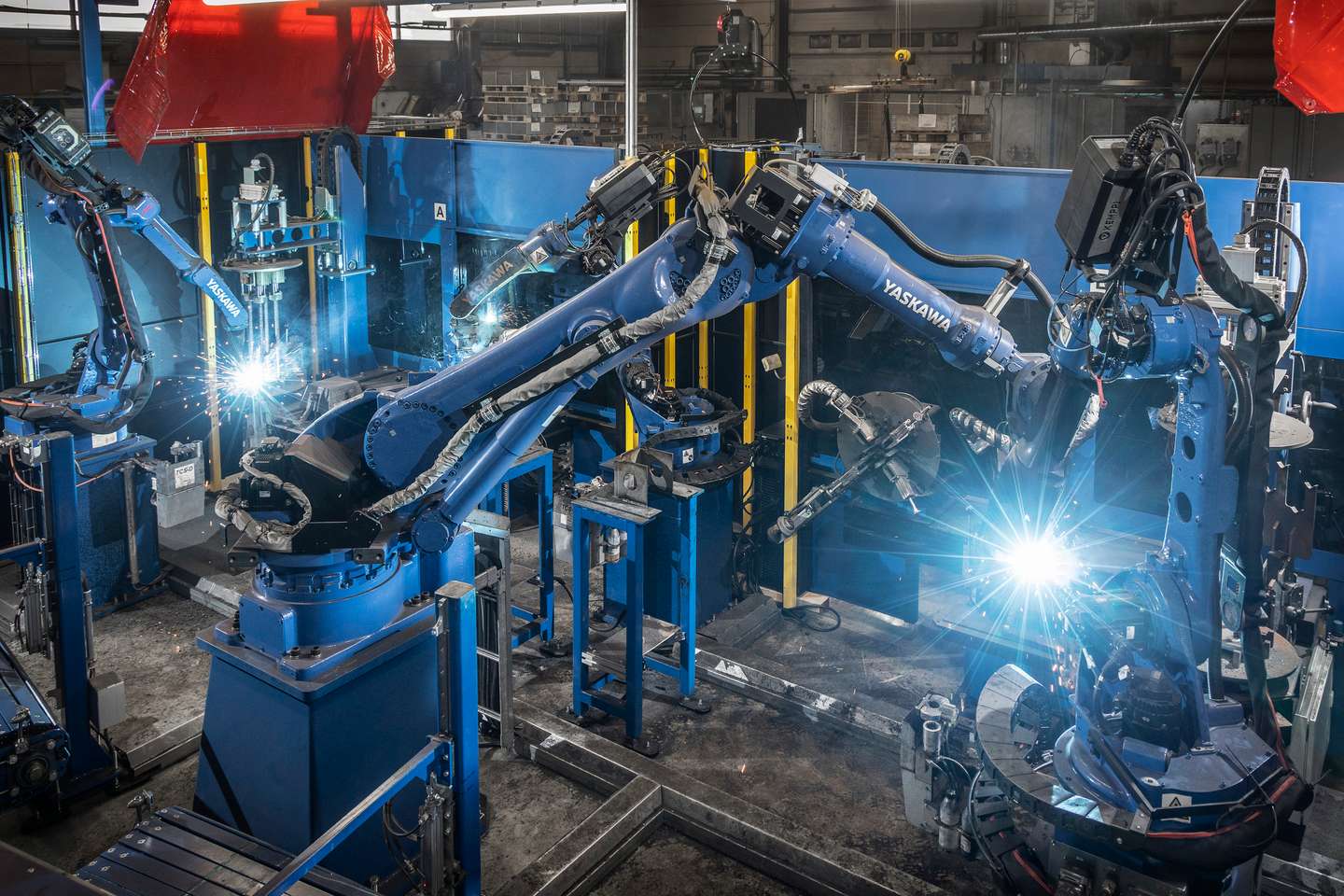
Automation has an important place. However, a successful robotic application still needs someone who understands welding to set it up properly. The person defining the parameters, process and sequence must be equipped with welding knowledge. The work must also suit automation. A robot delivers the greatest value when it has enough arc-on time and the components arrive with consistent fit-up. In shipyards and varied fabrication environments, joints and access conditions do not always give a robot the consistency it prefers. Robots have their place, but they will not replace the skilled tradesman or tradeswoman.
Where do you see laser welding fitting into the market?
We are seeing much more interest in laser welding. Operators can learn to use the process relatively quickly, and the travel speeds can be several times faster than TIG in suitable applications. That combination is attractive to companies facing production pressure and limited availability of skilled labor. Laser welding will expand the range of options available to manufacturers, and TIG will continue to be the right choice for many materials, joint types and quality requirements. The distributor’s role is to understand the application and help the customer select the process that fits the material, environment, production volume and available skills.
What role will distributors play as welding technology continues to change?
As welding distributors, we are buyers and sellers, so we rely on strong relationships with our suppliers. Those relationships are more important than ever, and we need to support each other and understand each other’s needs. I am very happy that we made the choice to work with Kemppi 36 years ago.
What keeps you optimistic about the future of welding?
We’re only ever a meter away from a weld. There is a weld in the chair you are sitting on, and every structure has a weld somewhere in it. Welding is one of the most important trades in the world. AI can handle many administrative tasks, it cannot lay a brick, weld, thatch a house or do plumbing. We need to think seriously about the trades and encourage people who enjoy working with their hands. Creating something tangible gives people a real sense of fulfillment and pride in a hard day’s work.

Varsha Saraogi
Varsha Saraogi
Hails from a background in journalism and editorial strategy and brings an international B2B perspective to content and communications at Kemppi. Passionate about creating stories that connect welding technology with the people and industries it serves, combining technical substance with a clear and engaging voice. Work has been published in specialist titles such as Airport Technology, Railway Technology, Ship Technology, FinTech Global, and RegTech Analyst, reflecting experience across a wide range of industrial and business sectors.
Relaterede produkter
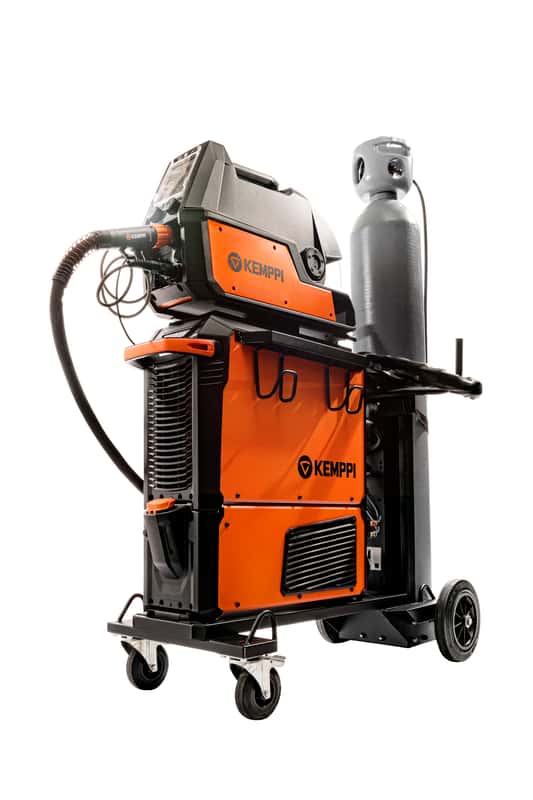
Produktfamilie
360-graders modulær multiproces-svejser, der primært anvendes med højtydende MIG/MAG-svejsning. X5 FastMig tilbyder opsætningsmuligheder for manuel, synergisk og pulssvejsning. Et omfattende udvalg af tilbehør er med til at gøre svejseproduktionsprocesserne fleksible og effektive.
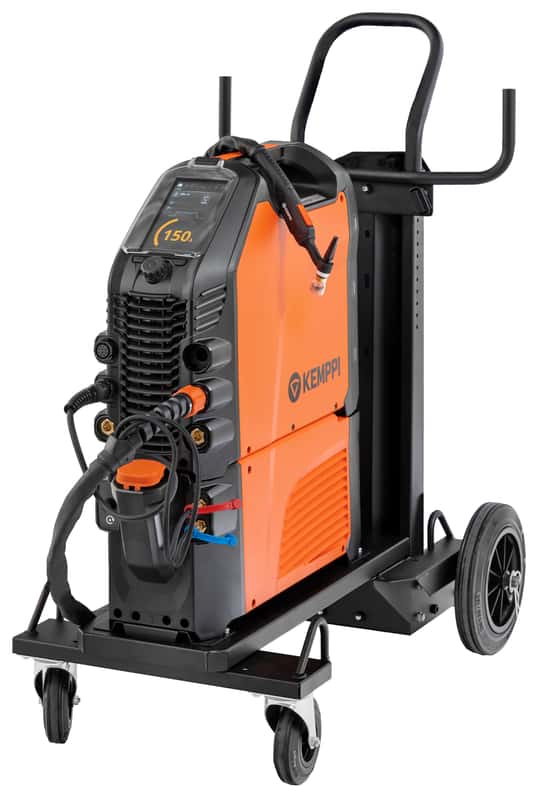
Produktfamilie
Master T er en førsteklasses TIG-svejsemaskine til professionel AC DC TIG-svejsning. Den leverer en enestående svejsekvalitet, præcision og energieffektivitet. Med avancerede funktioner som MAX WeldClean og afmagnetiseringstilstand øger den produktiviteten og sikrer ensartede resultater.
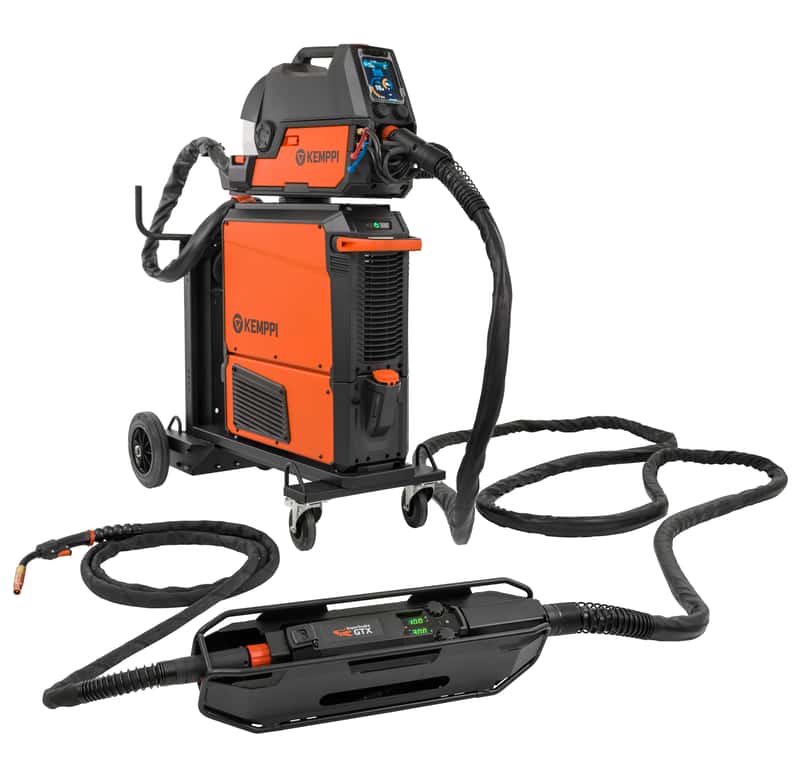
Produktfamilie
SuperSnake er det ultimative synkroniserede trådfødersystem, når det kommer til vanskeligt tilgængelige svejsesteder.
Flere blogindlæg
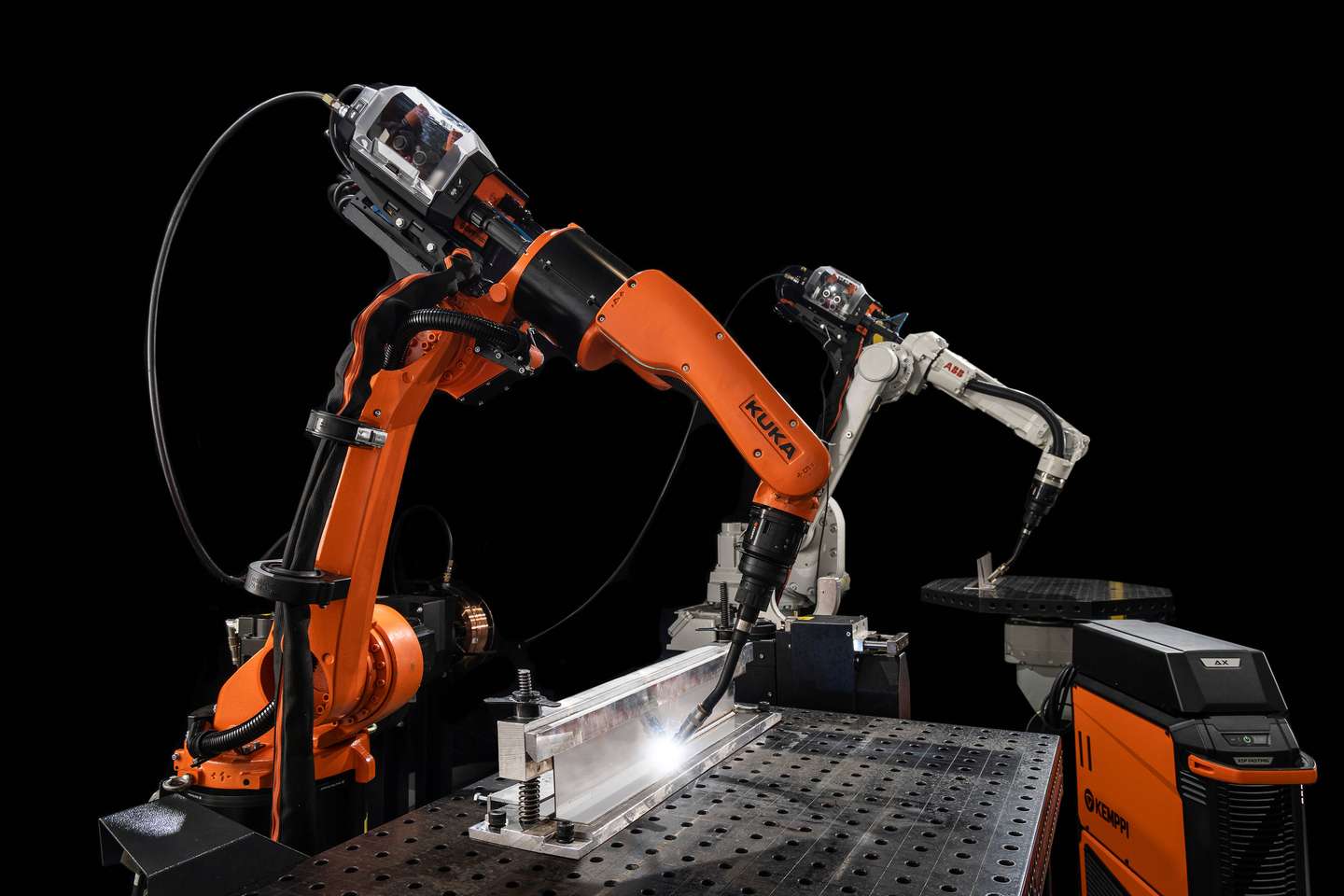
Cooperation helps Kemppi's partners succeed
Robomatik offers welding design, installation and training, while also professionally installing and integrating Kemppi welding equipment. They are a growing company that thrives together with Kemppi.
Automatisering af svejsning
50 years of partnership between a man and a welding machine
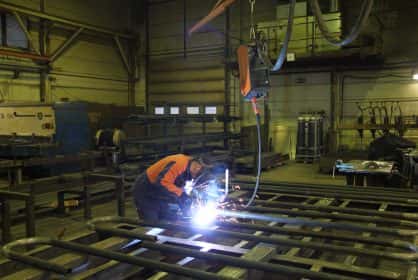
In the 1960s, there was a huge shortage of professional welders in Finnish growth centers. That is why Keijo Olkoniemi, whose career as a welder has lasted for almost 50 years, trained to become a welder, a profession which has offered him challenges throughout his career. ”I remember when they said at the dockyard in Hietaniemi, Helsinki that you can bring a train full of skillful employees, and we will hire them all,” Olkoniemi says, laughing.
Mennesker
Sådan hjælper Kemppi sine partnere til veludført cobot-svejsning
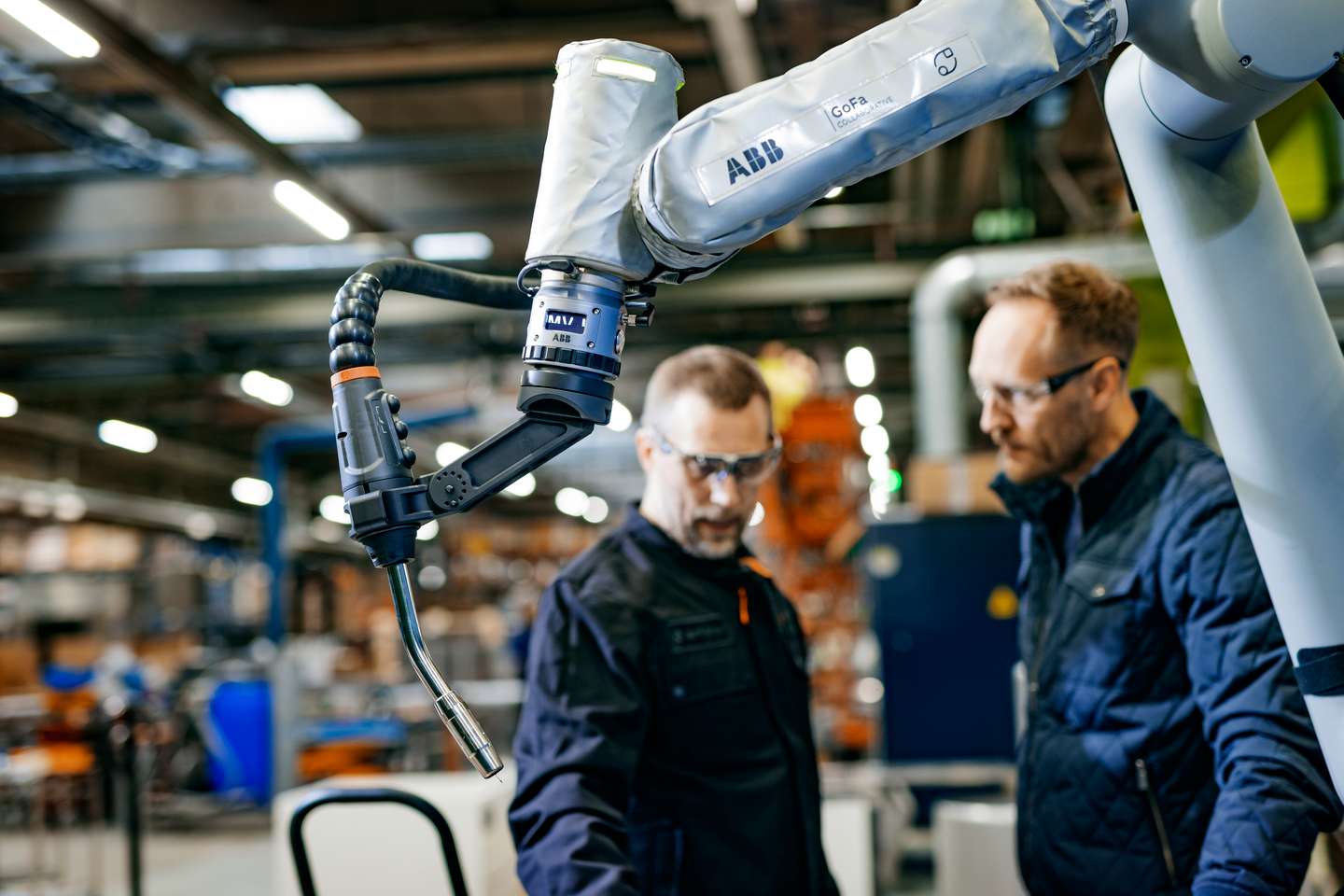
I denne artikel taler vi om udviklingen inden for cobot-svejsning med to brancheeksperter: Alessio Cocchi, Global Cobot Sales & Marketing Manager fra ABB, og Jakub Bancer, Key Account Manager fra FANUC.
Automatisering af svejsning, Mennesker
Sikkerhed, der holder trit med svejsernes udfordringer og skiftende risici
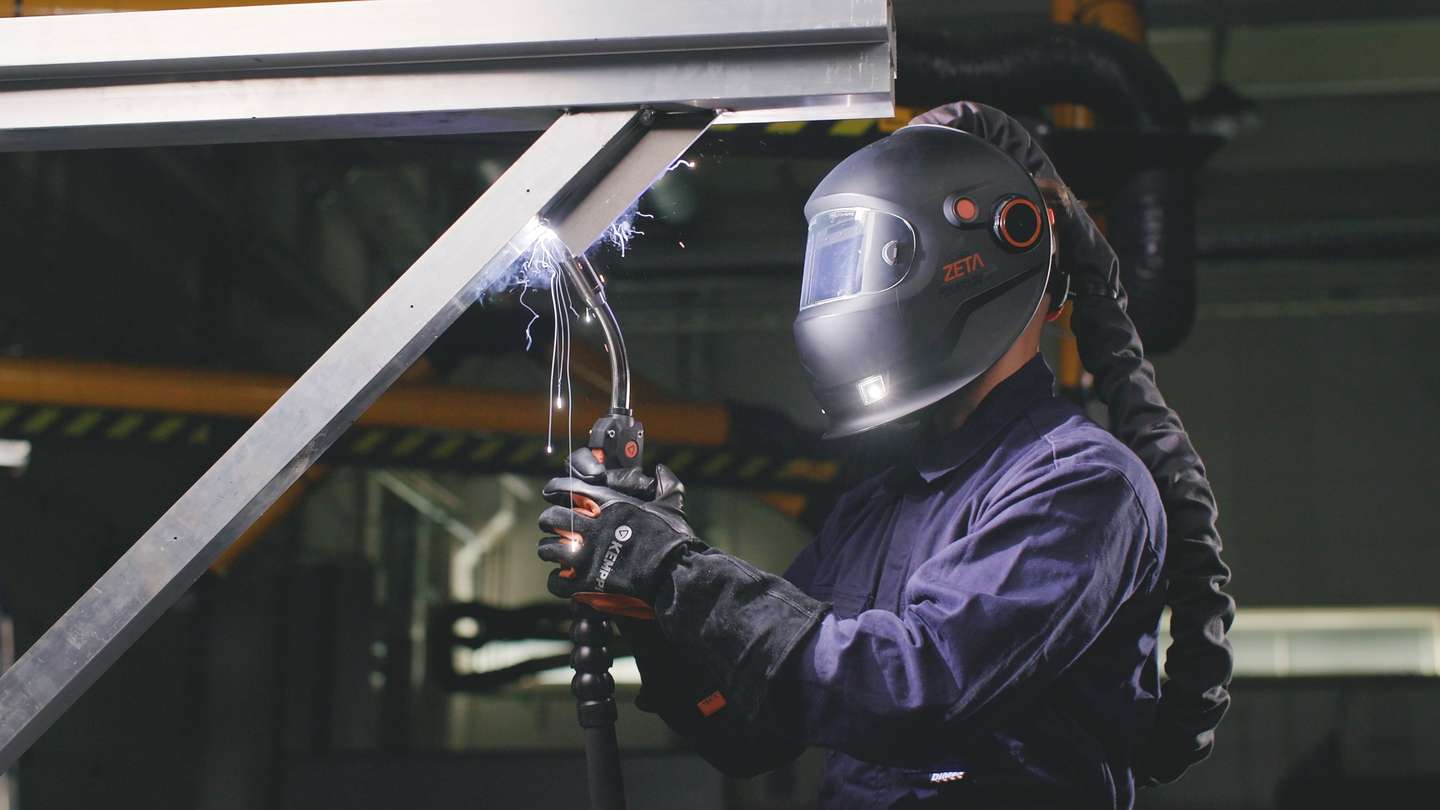
Svejsesikkerhed er blevet stadig mere krævende. Risikoen er den samme, men moderne arbejdsforhold betyder, at eksponeringen kan hobe sig op i løbet af længerevarende arbejdsskift og i trange indendørs rum. Det betyder, at personlige værnemidler til svejsning både skal ses som beskyttelse af svejseren og som overholdelse af regler. Hos Kemppi designes og valideres personlige værnemidler til svejsesikkerhed i praksis gennem klare krav, feedback fra svejsere og verificeret overholdelse af EU's PPE-forordning 2016/425, CE-mærkningsprocesser og relevante EN-standarder.
Sikkerhed, Svejsningens ABC
Eurosatory 2026 And the Future of Defence Manufacturing
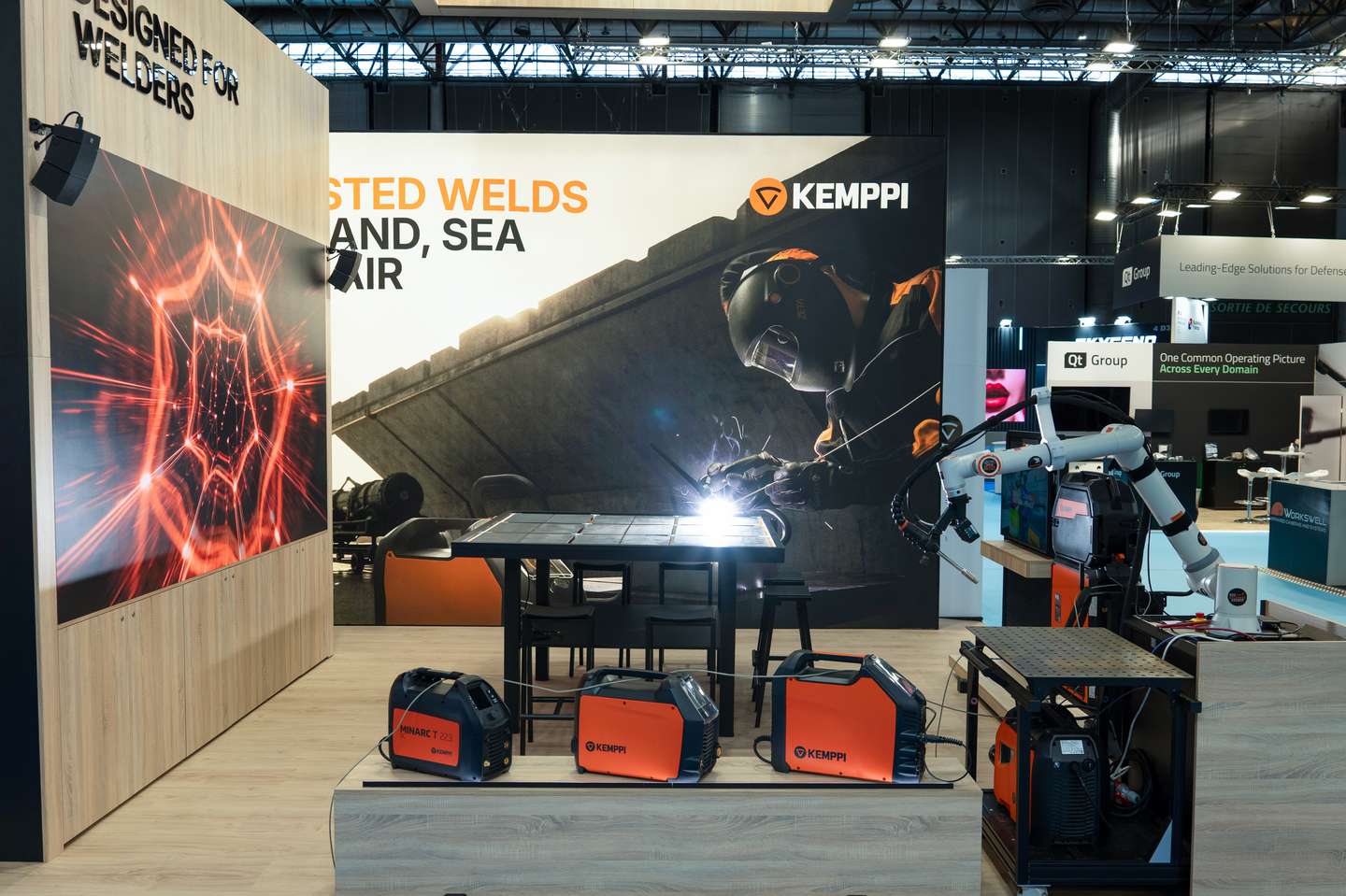
Eurosatory 2026 highlighted a clear shift in modern defence manufacturing. While defence systems are becoming more digital, networked, and autonomous, their foundation remains physical. From armoured vehicles and artillery to industrial resilience, welding quality, steel structures, and production discipline remain paramount to defence readiness.
Digitalisering, Innovation
How AI Supports Quality, Traceability, and Flexibility in Robotic Welding
The AITOOLS1 webinar explored how AI-assisted process control, machine vision, synchronized data, and machine learning models are advancing robotic welding automation, improving quality management, traceability, and production flexibility for demanding industrial production.
Automatisering af svejsning, Innovation, Digitalisering