Welding automation
Get ready for welding automation
17 January 2024
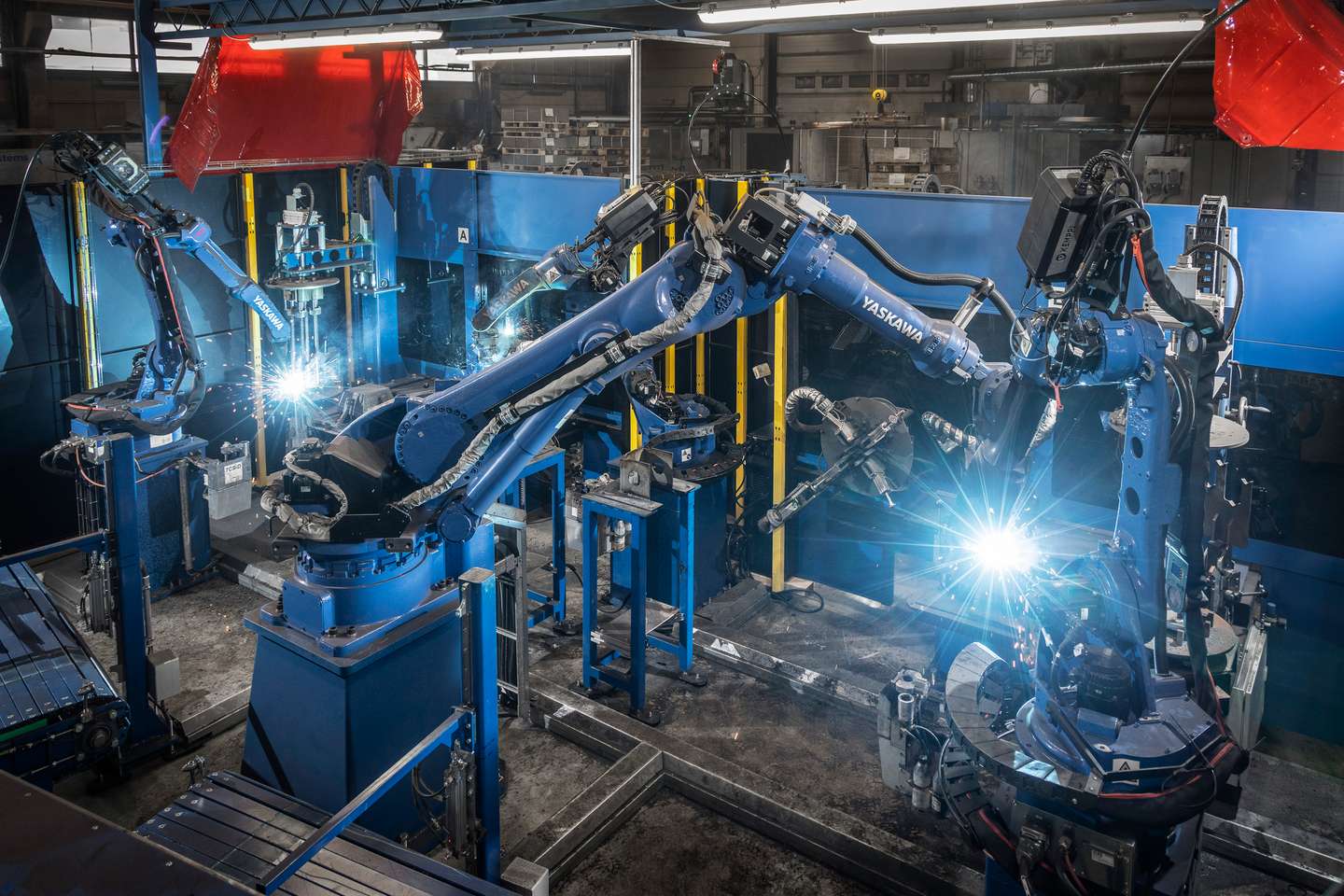
Robotic manufacturing technology is more capable than ever. To see how it impacts the welding industry, let's start by taking a closer look at some of the important trends and key considerations for anyone thinking about investing in welding automation.
Juha Mainio
Why is welding automation important?
It’s getting harder to find welders
As production requirements change rapidly in today’s world, manufacturers are having trouble finding the right talent at the right time, and traditional blue-collar tasks are becoming less appealing to younger workers. It is difficult to find welders now, and it could be even more difficult in the future as workforce demographics change.
Flexible manufacturing is the new normal
Global economic trends shift quickly these days. As a result, production needs have become more and more unique – if a manufacturer can’t adapt and offer effective offline programming for small welding batch sizes, it is likely that they will lose business to their competitors. Customers want flexible manufacturing capabilities.
Smaller margins
Competition is fierce. As margins continue to shrink, investing in welding automation technology sets you up for long-term success by lowering production costs while also giving you an effective way to increase production capacity quickly.
How will welding automation change manufacturing?
Welders must adapt to new roles
Demand for robot welding operators will grow, and using offline programming to optimize welding processes will become a critical core skill. In general, welders must shift from manually applying specialized welding skills to embracing a hybrid role that requires system-level knowledge. The ability to move between roles will be key – the person planning the integration might also be the one doing the offline programming.
Expert welding knowledge is still required. In fact, the best candidates for these new welding automation roles are often experienced welders who have a deep understanding of the conditions and parameters that influence weld quality.
How do you train welders for this new way of working? It is important to note that companies that make robotic manufacturing equipment typically offer in-depth training and support for getting up to speed with automated welding processes. The aim is to make workers comfortable moving between roles while emphasizing system-level knowledge to achieve synergy between software and hardware.
Technology is everywhere
Virtual tools will make transitioning to automated welding much easier – virtual reality is already being used to program welding robots, and it’s possible to go “inside” a robot welding cell with off-the-shelf VR glasses. VR allows you to “move” things around and check positions to grasp and optimize an automated welding system fully.
This is a huge shift away from a coordinates-based approach. Offline programming has been around for a while now, but VR raises the bar dramatically by allowing you to test configurations without actually setting up equipment. This approach taps into the skills of more visually oriented people while offering the technology that attracts a younger demographic group to welding. In fact, trade schools are actively embracing virtual reality to match the interests and expectations of younger people.
Cobot welding is a great place to start
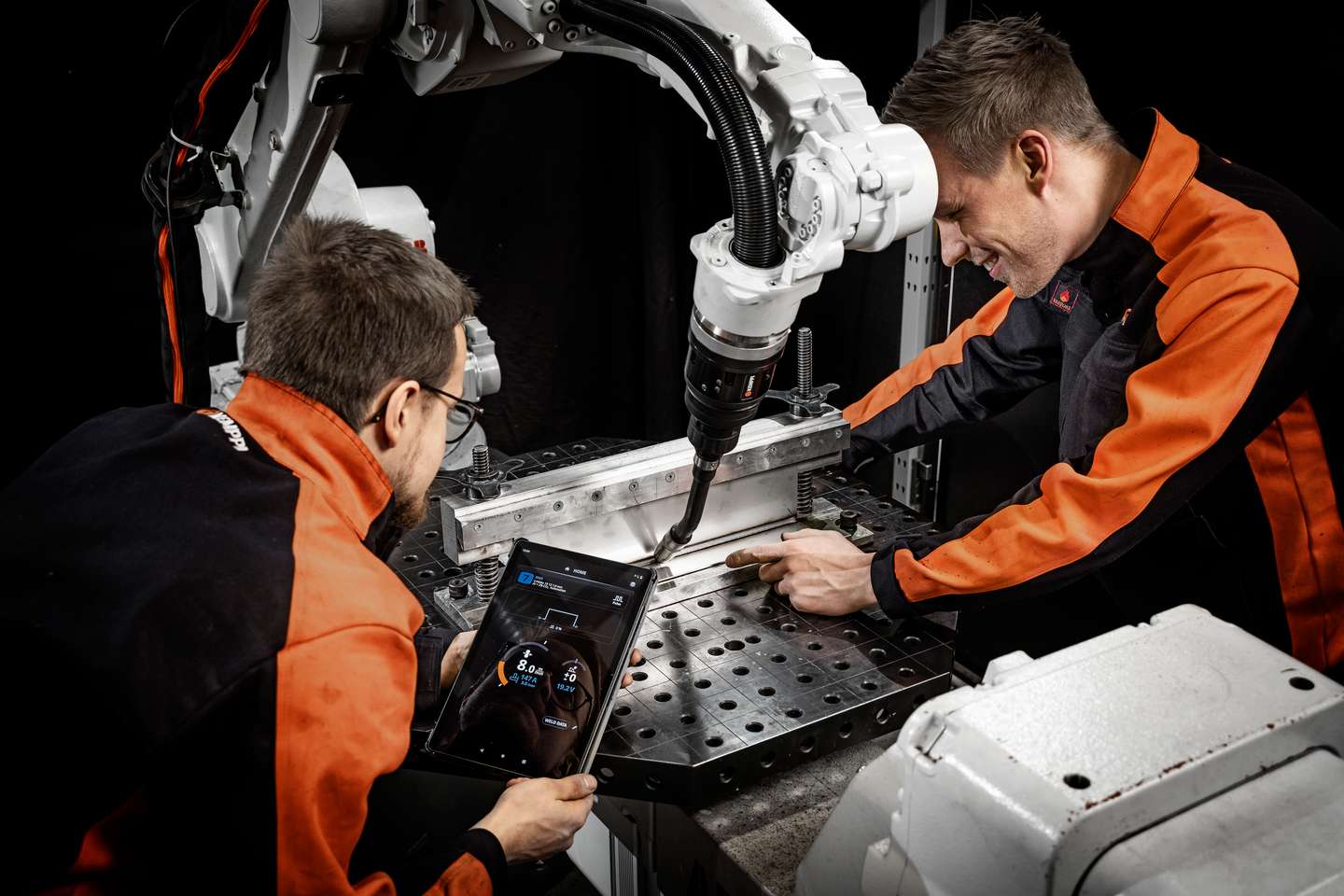
Welding automation is often associated with large robotic systems, but recently, we have noticed that demo session requests for cobot welding solutions are on the rise. Cobot solutions augment the abilities of a welder by working alongside him or her to automate important tasks. It is easy to use, and the programming is straightforward.
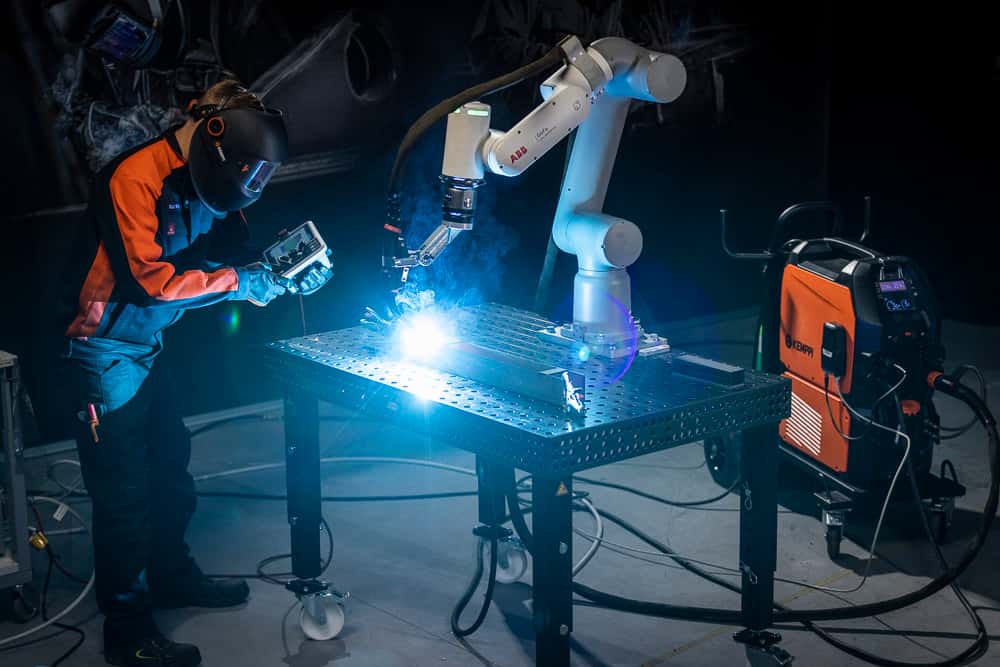
The ROI for cobot solutions is shorter and it’s a good way to introduce robotic welding solutions into the workplace. Younger workers are interested in collaborative robots, and cobot solutions can also be used alongside fully robotic systems.
Take a look at Kemppi’s Robotic welding solutions and Cobot welding solutions.

Juha Mainio
Juha Mainio
Juha Mainio works as an Area Sales Manager at ABB Oy, Robotics. He has more than 18 years of experience working with industrial robots in the manufacturing industry. During these years, he has gained knowledge of offline programming, collaborative robots, and robotic welding.
Related products
Product family
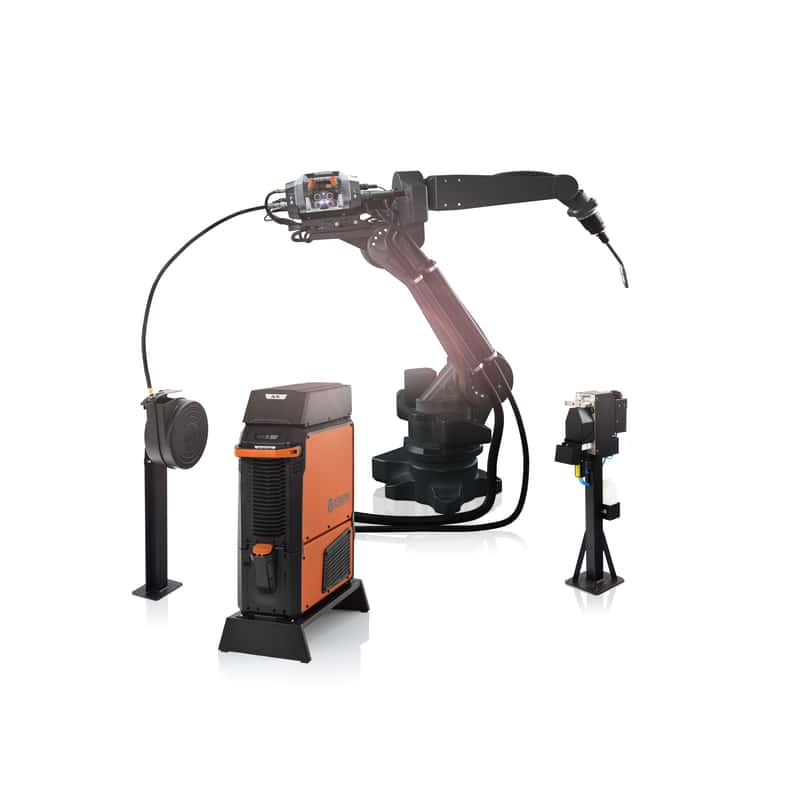
The Kemppi AX MIG Welder brings powerful performance and maximum productivity potential to your robotic welding system. Enjoy easy integration and ensure repeatable, high-quality welds with high-performance arc welding applications.
More blog posts
Cooperation helps Kemppi's partners succeed
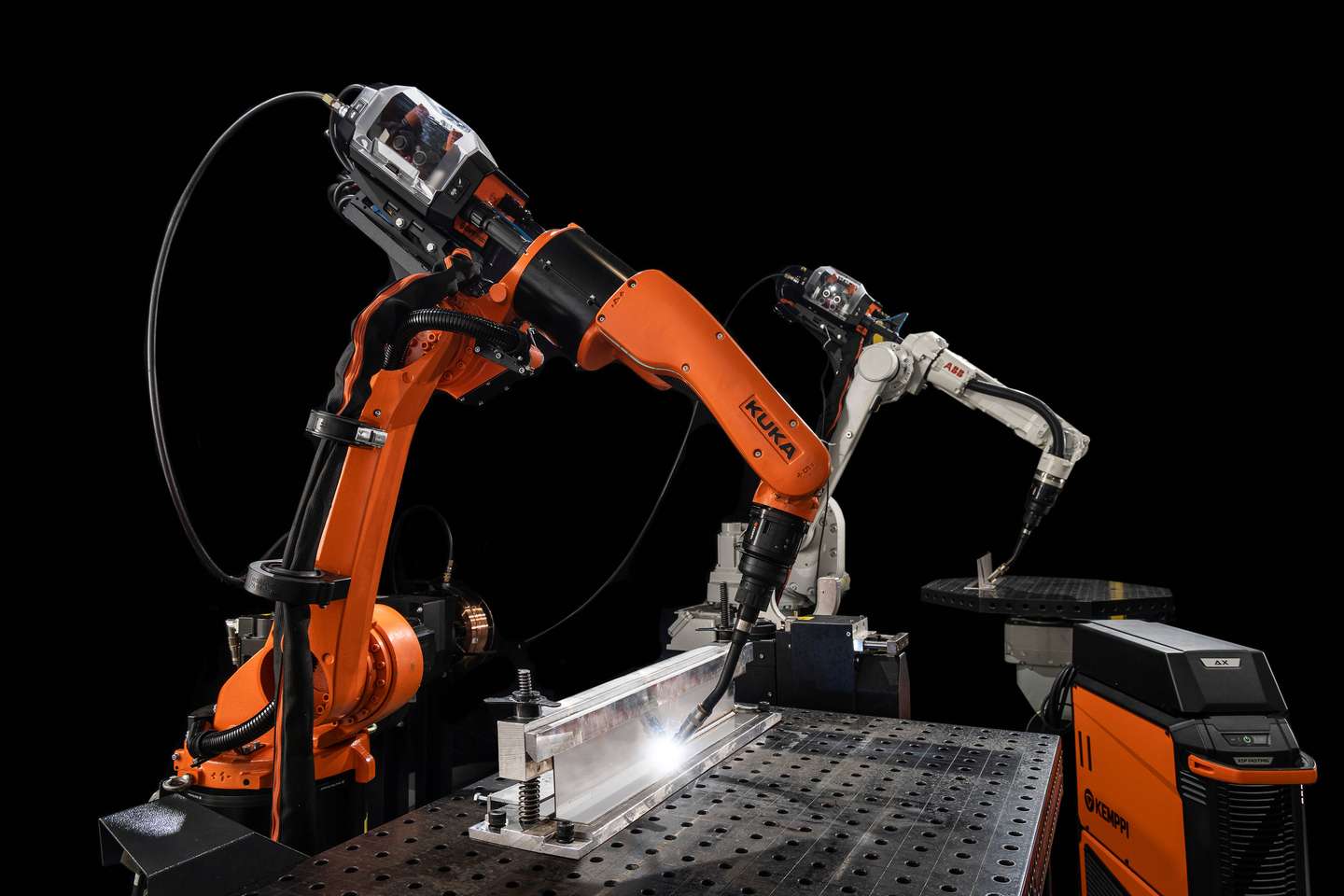
Robomatik offers welding design, installation and training, while also professionally installing and integrating Kemppi welding equipment. They are a growing company that thrives together with Kemppi.
Welding automation
Cobot welding - a passing trend or a new era for the industry?
Welding cobots, compact-sized welding robots working side by side with humans, have become trendy in the industry, not least because of the worldwide lack of welders. What are the benefits of cobots, and will they finally take over the welding world as we know it?
Welding automation
Power and Performance for Robotic Welding
Kemppi's new robotic welding machine is significantly more efficient and versatile than its predecessors. The AX MIG Welder is designed to maximize the potential of any robotic welding system – it offers powerful uninterrupted performance, an easy-to-use interface, and high-quality welds for more productive robotic arc welding operations.
Welding automation
How Rapid Welding and Kemppi Built a Partnership That Lasts
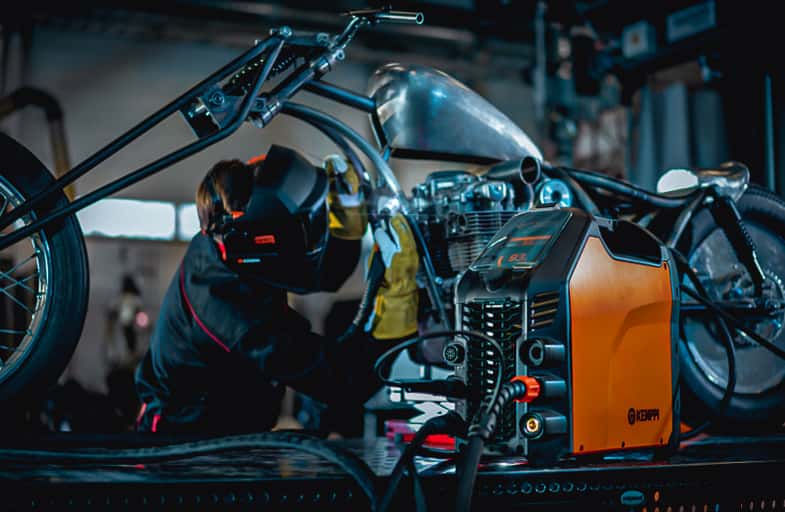
Rapid Welding has worked with Kemppi since the company opened in 1990. Co-founder and Managing Director Roy Edwards highlighted the principles behind that 36-year partnership, from choosing the right welding solution and supporting equipment throughout its life to addressing the skills shortage and finding the right place for automation and laser welding.
Welding automation, Manual welding, Welding ABC
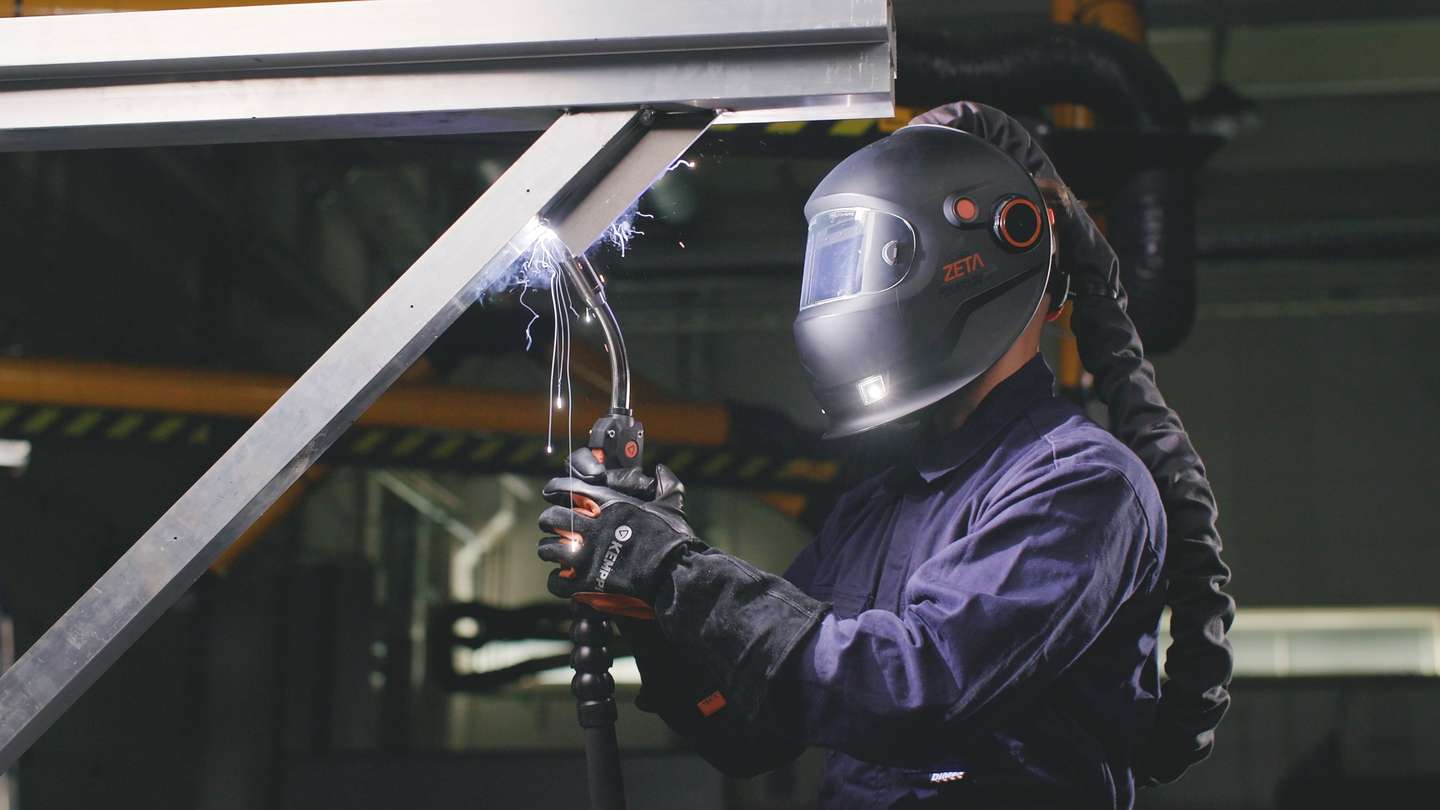
Safety that keeps up with welders' challenges and changing risks
Welding safety has become increasingly demanding. The hazards at the arc remain constant, but modern working conditions mean exposure can accumulate over longer shifts and in tighter indoor spaces. As a result, welding PPE needs to be treated as both protection for the welder and proof of compliance. At Kemppi, welding safety PPE is designed and validated in practice through clear requirements, welder-led feedback, and verified compliance with EU PPE Regulation 2016/425, CE marking processes, and relevant EN standards.
Safety, Welding ABC
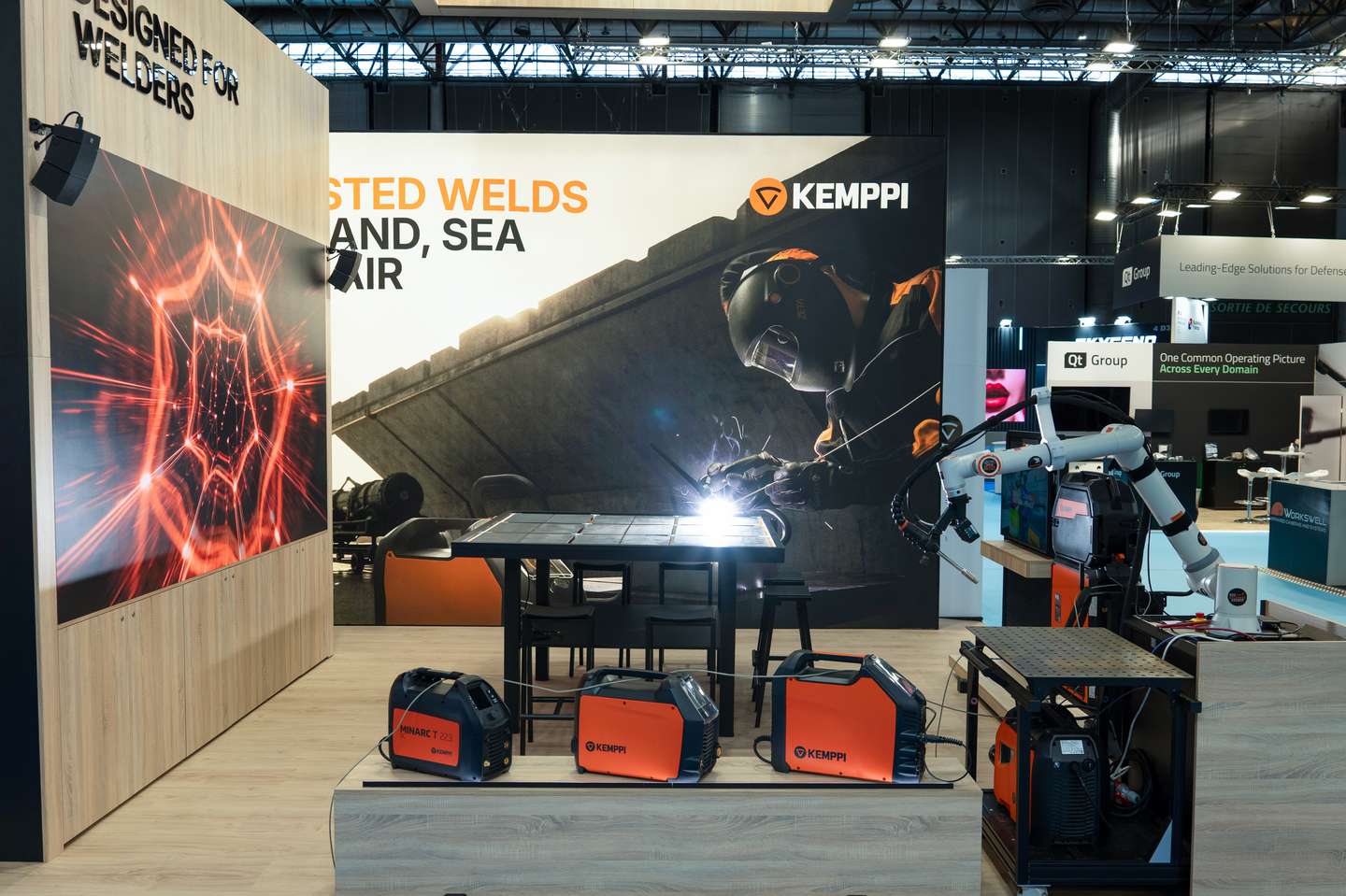
Eurosatory 2026 And the Future of Defence Manufacturing
Eurosatory 2026 highlighted a clear shift in modern defence manufacturing. While defence systems are becoming more digital, networked, and autonomous, their foundation remains physical. From armoured vehicles and artillery to industrial resilience, welding quality, steel structures, and production discipline remain paramount to defence readiness.
Digitalization, Innovation