Welding automation
How AI Supports Quality, Traceability, and Flexibility in Robotic Welding
16 June 2026
The AITOOLS1 webinar explored how AI-assisted process control, machine vision, synchronized data, and machine learning models are advancing robotic welding automation, improving quality management, traceability, and production flexibility for demanding industrial production.
Artturi Salmela
On June 9, 2026, the AITOOLS1 consortium hosted a comprehensive webinar bringing together leading industrial companies, research organizations, and technology providers to explore how artificial intelligence is transforming robotic welding. The project, titled “AI Toolbox for Lot-Size-One Robot Welding,” focused on developing advanced AI-assisted methods for adaptive process control and quality management.
As manufacturing continues to shift toward customization, traditional automation approaches are no longer efficient. The AITOOLS1 initiative highlights how AI can bridge this gap transforming rigid robotic systems into flexible, intelligent solutions capable of handling complex, variable production environments.
What is AITOOLS1?
The AITOOLS1 project aims to redefine robotic welding by introducing intelligent, data-driven solutions. By combining advanced programming technologies, machine vision, hybrid modelling, and AI models, the project enables robotic welding systems to handle small batch sizes with greater efficiency.
The concept of hybrid modelling combines measurement data with physical models. This allows machine learning systems to dynamically optimize welding processes based on real-world conditions rather than relying solely on predefined parameters. A key outcome of the project is full traceability across the manufacturing chain. By integrating process data, sensor inputs, and production information, every weld can be monitored and analyzed. This aligns with the broader industry shift toward digital welding ecosystems, where data is central to both quality assurance and continuous improvement.
This means manufacturers can move from reactive quality control—where defects are detected after production—to proactive systems that predict and prevent issues before they occur.
Reactive To Proactive and Why This Matters
Traditional robotic welding systems excel in high-volume production but often lack flexibility. Programming new parts can be time-consuming often taking two to three times longer than the actual welding process and variations in geometry or fit-up frequently require manual adjustments.
Weld quality is highly dependent on preparation and assembly accuracy, and current robot systems struggle to adapt to variability, especially in Lot-Size-One (LS1) production environments. Additionally, data-driven AI approaches are often limited by the lack of large, reliable datasets. These limitations result in increased manual intervention, reduced arc time, and inconsistent quality outcomes.
This is especially critical in industries such as shipbuilding, heavy machinery, and energy, where product variation is high and production volumes are low. In these environments, efficiency depends not only on speed but also on adaptability.
The AITOOLS1 project addresses these limitations by enabling adaptive welding processes that respond dynamically to changing conditions. This transition—from static automation to intelligent systems—is essential for manufacturers moving toward Lot-Size-One production.
Key Highlights from the Webinar
The webinar featured contributions from several industry leaders and researchers such as Raimo Mäki-Reini, Wärtsilä; Eric Coatanéa, Tampere University; Mika Sirén, VTT; Artturi Salmela and Jussi Sarén, Kemppi; Taito Alahautala, Cavitar Ltd.; Janne Tuominen, HT Laser Oy; and Juha Kytöharju, Visual Components, each offering valuable insights into the future of robotic welding.
Wärtsilä opened the discussion by outlining the industrial motivation behind the project. For large manufacturers, improving both productivity and weld quality is a strategic priority, especially in complex production environments where variability is unavoidable.
Tampere University presented research on synchronized data collection and machine vision. These technologies enable real-time monitoring of welding processes and provide the data foundation required for AI-driven decision-making. By capturing detailed process signals, systems can better understand how variations affect weld outcomes.
VTT Technical Research Centre of Finland introduced machine learning models designed to enhance welding quality management. These models analyze process data to support predictive quality control, helping identify potential defects early and reducing costly rework.
Kemppi demonstrated the use of OPC UA in welding automation. This proof-of-concept highlighted how welding equipment can be seamlessly integrated into broader production systems, enabling secure data exchange, improved traceability, connectivity, and process transparency.
Cavitar emphasized the importance of visibility in welding processes. Advanced imaging technologies enable seam tracking, gap detection, melt pool monitoring, and detection of defects such as porosity and lack of fusion. This shifts quality control from reactive inspection to proactive, real-time process control.
HT Laser showcased how precision laser cutting and controlled industrial testing improve positioning accuracy in sheet metal components. By introducing variations such as gaps and positioning errors, and scanning products before and after welding, they generated valuable datasets and analyzed process-induced distortions. Better fit-up leads directly to more consistent weld quality, reduced distortion, and fewer downstream corrections.
Visual Components presented advancements in automated offline programming (OLP). Their solutions enable CAD-driven robot programming, automatic path generation, collision-free simulation, and automatic selection of welding parameters (WPS). The platform supports the full workflow—from factory layout design and simulation to virtual commissioning and robot programming.
A key concept introduced was the increasing level of automation, including one-click programming, feature-based programming, and fully model-based definition (MBD) workflows. This significantly reduces programming time and dependency on manual robot teaching.
From Data to Intelligence
A central theme throughout the webinar was the critical role of data. In modern welding environments, data is the asset that drives decision-making and continuous improvement. By combining synchronized data collection, machine vision, hybrid modelling, and AI models, manufacturers can move toward intelligent welding systems that continuously learn and improve. This integration enables:
Real-time process optimization
Improved weld quality and consistency
Reduced need for manual intervention
Full traceability and compliance
Beyond these benefits, data-driven systems also support long-term process optimization by identifying trends, uncovering inefficiencies, and enabling predictive maintenance of equipment. This marks a clear transition from measuring results after welding to actively controlling the process in real time. These capabilities reflect a broader transformation in manufacturing, referred to as Industry 4.0, where digitalization and connectivity are driving smarter, more adaptive production systems.
Real-World Impact
The AITOOLS1 project goes beyond theory as the developed solutions have beeen tested in production environments, and variations tested in assembly and welding parameters while collecting extensive datasets. These trials ensure that the technologies are scalable, and compatible with existing production workflows, therefore, reducing potential risks with adopting new technologies and accelerating implementation.
Productivity improvements include faster program generation, potentially faster than the welding process itself, reduced ramp-up time, and better utilization of robotic systems. Quality improvements include consistent weld quality, compliance with strict industrial standards such as those required by Wärtsilä, and reduced rework and inspection effort.
Looking Ahead
The future of robotic welding lies in the seamless integration of AI, data, and automation. Systems will increasingly combine design data, process data, and real-time sensing to make autonomous decisions and optimize performance.
Emerging concepts such as digital twins—virtual representations of physical processes—will allow manufacturers to simulate and optimize welding operations before production begins. Combined with predictive analytics and adaptive control systems, these technologies will enable a new level of precision and efficiency.
As demonstrated by the AITOOLS1 project, automation must be integrated with intelligence. By leveraging AI, machine vision, hybrid modelling, and data-driven processes, manufacturers can achieve higher productivity, improved quality, and greater flexibility—especially in demanding Lot-Size-One production environments.
Welding is evolving into a connected, intelligent process that is deeply integrated into the digital manufacturing ecosystem. For companies investing in robotic welding, the message is clear: the competitive advantage will come from combining automation with intelligence, and that transformation is already underway.
Get access to the entire webinar by subscribing to our newsletter.
More blog posts
New technologies contribute to the development of heavy industry
Kemppi is actively developing the industry and offering its know-how for multidisciplinary innovation projects. With the means of cooperation, new ways of working are created, and operational processes are enhanced and refined.
Digitalization, Innovation
How Rapid Welding and Kemppi Built a Partnership That Lasts
Rapid Welding has worked with Kemppi since the company opened in 1990. Co-founder and Managing Director Roy Edwards highlighted the principles behind that 36-year partnership, from choosing the right welding solution and supporting equipment throughout its life to addressing the skills shortage and finding the right place for automation and laser welding.
Welding automation, Manual welding, Welding ABC
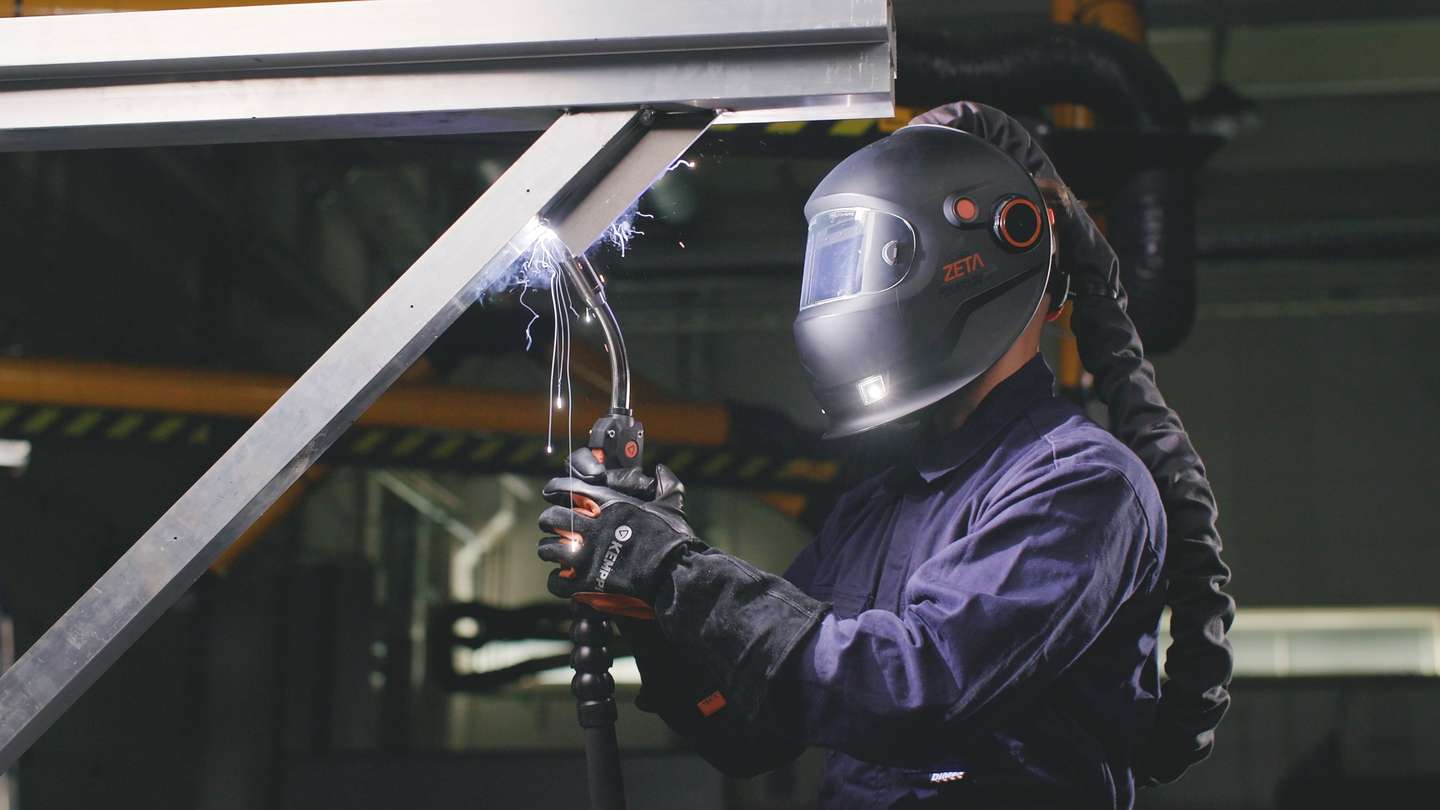
Safety that keeps up with welders' challenges and changing risks
Welding safety has become increasingly demanding. The hazards at the arc remain constant, but modern working conditions mean exposure can accumulate over longer shifts and in tighter indoor spaces. As a result, welding PPE needs to be treated as both protection for the welder and proof of compliance. At Kemppi, welding safety PPE is designed and validated in practice through clear requirements, welder-led feedback, and verified compliance with EU PPE Regulation 2016/425, CE marking processes, and relevant EN standards.
Safety, Welding ABC
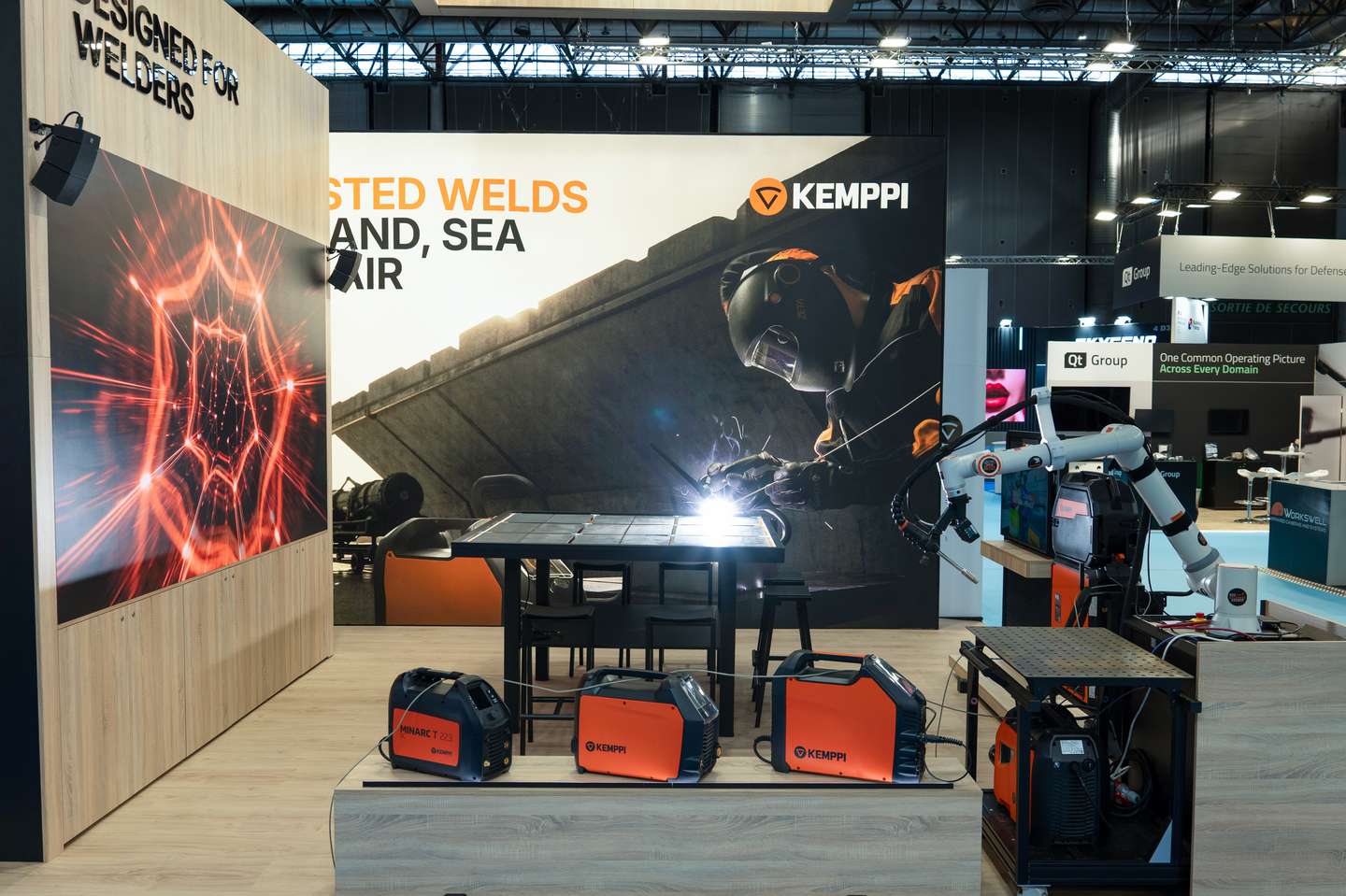
Eurosatory 2026 And the Future of Defence Manufacturing
Eurosatory 2026 highlighted a clear shift in modern defence manufacturing. While defence systems are becoming more digital, networked, and autonomous, their foundation remains physical. From armoured vehicles and artillery to industrial resilience, welding quality, steel structures, and production discipline remain paramount to defence readiness.
Digitalization, Innovation
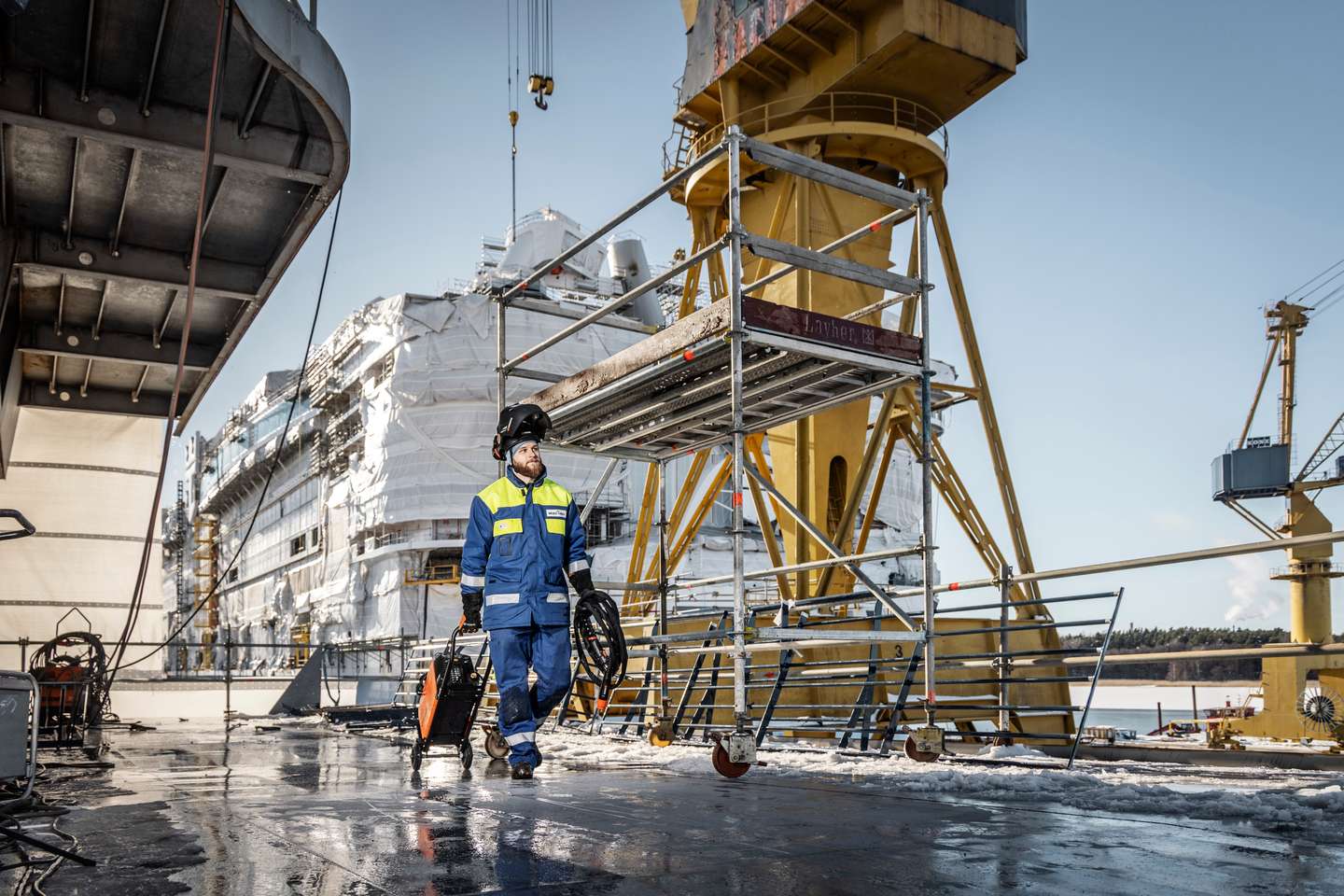
What Built to Last Really Means in Defence and Marine Welding
Critical defence and military vessels and marine structures are built for decades of demanding service. This article explores what 'built to last' means in welding, from harsh-condition reliability and repeatable weld quality to traceability across long vessel lifecycles.
Innovation, Digitalization
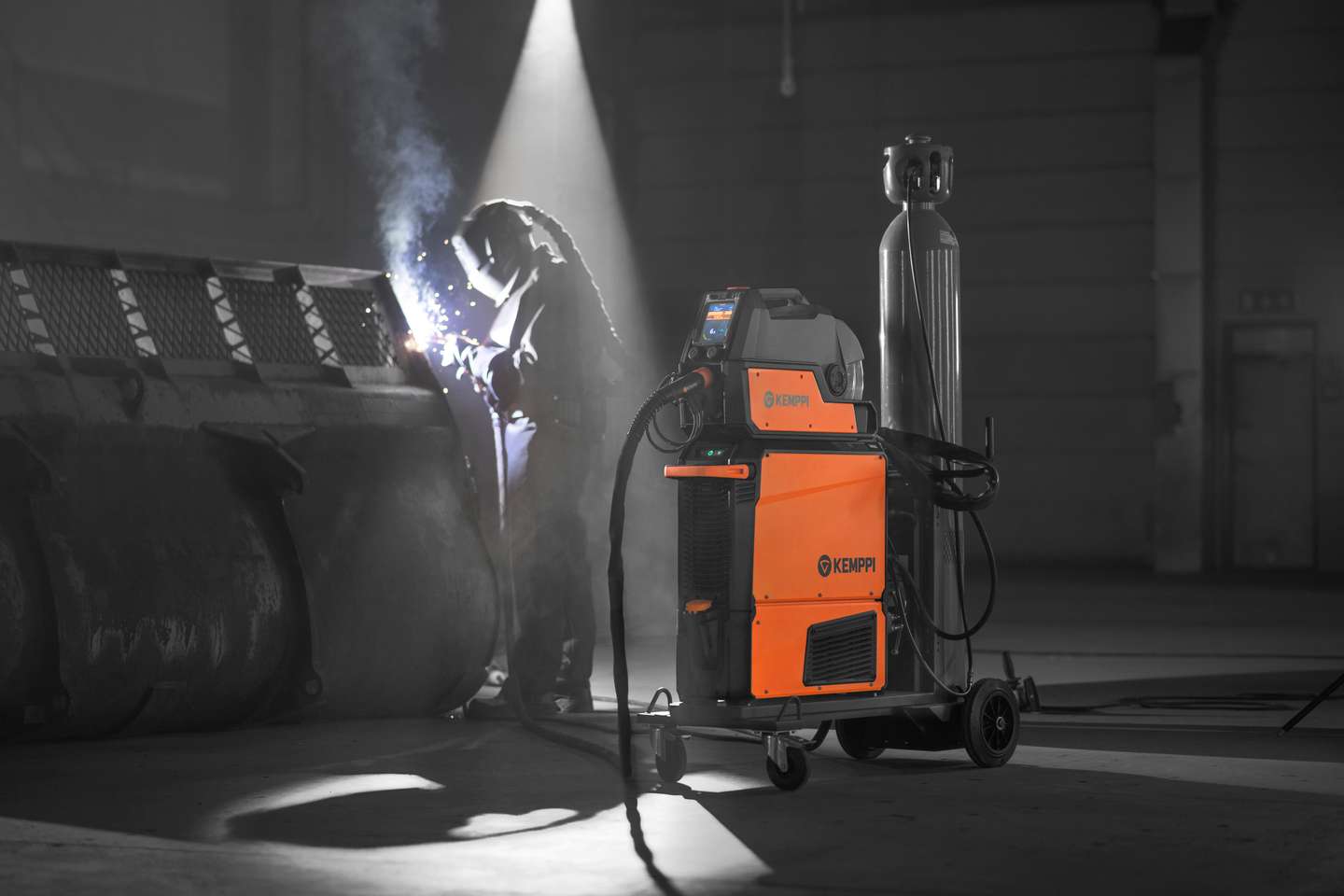
How Kemppi Supports Defence Shipyard Welding from Steel to Aluminium
Kemppi X5 FastMig supports reliable MIG/MAG welding, controlled heat input, traceability, and repeatable weld quality across steel, aluminium, and challenging production conditions.