Manual welding
How do standards challenge the European welding industry?
11 October 2016
The European welding industry is recreating itself. Our ambition is to transform the industry from 3D – dirty, dull, and dangerous – to 3C – cool, clean, and clever. We are entering an era of new buyer power, arising from redefined expectations for welding quality and documentation throughout the entire welding value chain.
Reetta Verho
The fact is that Europe’s future in welding will no more be mainly built on ordinary welding work. There has been huge hype over Industry 4.0 for years. We are now finally interpreting it through new ways of working and new kind of business thinking, powered by industrial connectivity.
Standards connect the welding industry
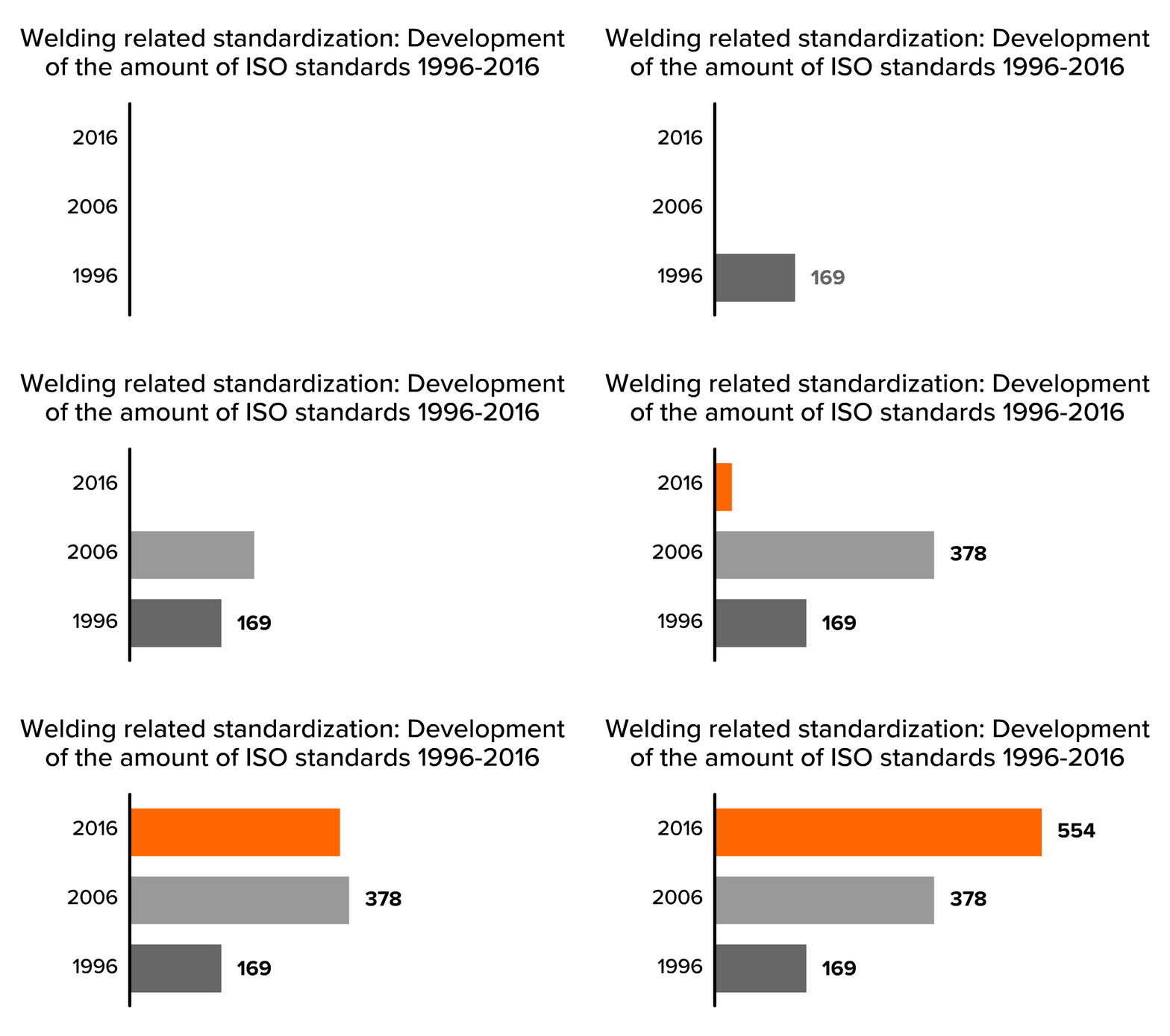
Standardization is one of the main drivers behind welding transformation. Standards change when something needs to be improved. Improvements may concern welding, but they may also involve related processes, industry-specific factors, or end product related factors, such as environment or safety.
Standards can be considered summaries of demands for different actors in the same value network. Even if there are international standards, such as ISO, their interpretation varies in different countries and even within the same region, such as Scandinavia.
One example of this was the update of the EN1090 standard in Europe a couple of years ago. It forced companies to radically renew their way of working and their welding management practices in order to get the CE marking. Incorrect interpretation of a standard may prevent a company from passing the quality audit which then causes problems with, for instance, deliveries, payments and other cash flow related issues.
Industrial connectivity redefines welding value
The key is to understand the production and value creation processes of manufacturing companies in the age of the IoT. How could we connect welding machines in a smart way to build a smart factory with a smart production process? How could we create a process that takes the buyers’ quality expectations as well as continuously developing industry standards and norms into consideration?
Kemppi wants to participate in standard development and keep standards practical. We help the European welding industry to maintain its welding quality and competitiveness in continuously changing circumstances by achieving a new level of operational efficiency. Our active input in standard development combined with our innovation capability in welding digitalization is unique in the world.
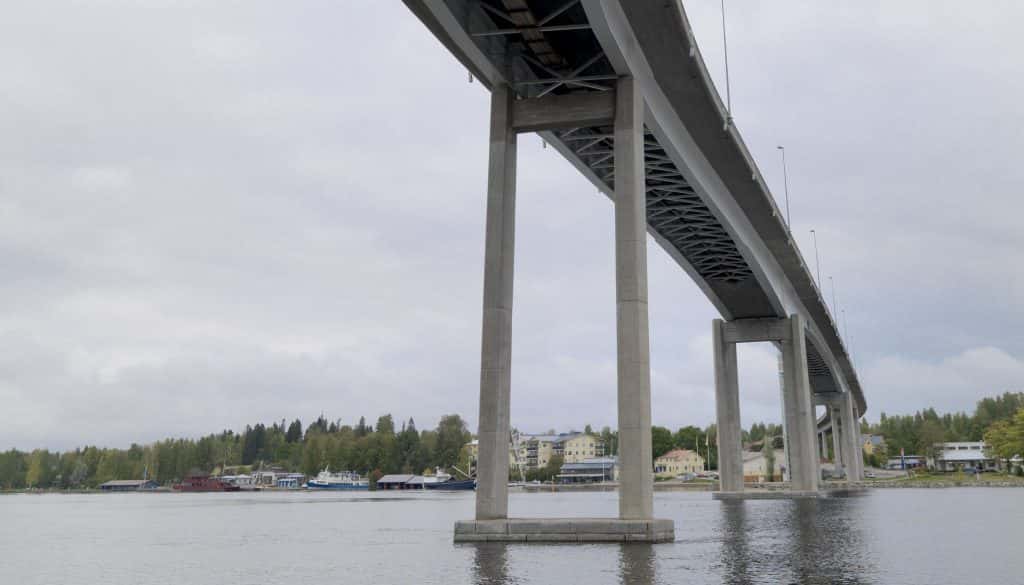
Welding is one of the most demanding processes that we know. It is used all around us although we do not always notice it. Bridges, public libraries, ships, oil rigs, gas pipes, milk tanks, cars – all welded. The question remains: how can you be sure that each weld and welder follows the right standards and WPS? Are there new ways to ensure the quality of your high end welding production?
It’s simply a matter of digitalization. Connect your welding equipment and upgrade your welding performance. Digitize the WPS and invest smart in universal cloud solutions. Benefit from global welding networks and redefine the value you can expect from your welding production.
Recreate your future in welding.
Frederic Lanz Vice President Sales, Europe & Export Countries, Kemppi Oy; Managing Director, Kemppi GmbH
Reetta Verho Manager, Welding Services, Kemppi Oy
Reetta Verho
Reetta Verho
Manager, Welding Services at Kemppi Oy. International Welding Engineer (IWE) who is an active member in ISO standardization committees. Board member in The Welding Society of Finland. Passionate about welding quality and the development of welding production. Member of: K105 National mirror committee for welding, ISO/TC44/SC10 Quality management in the field of welding ISO/TC44/SC11 Qualification requirements for welding and allied processes personnel.
More blog posts
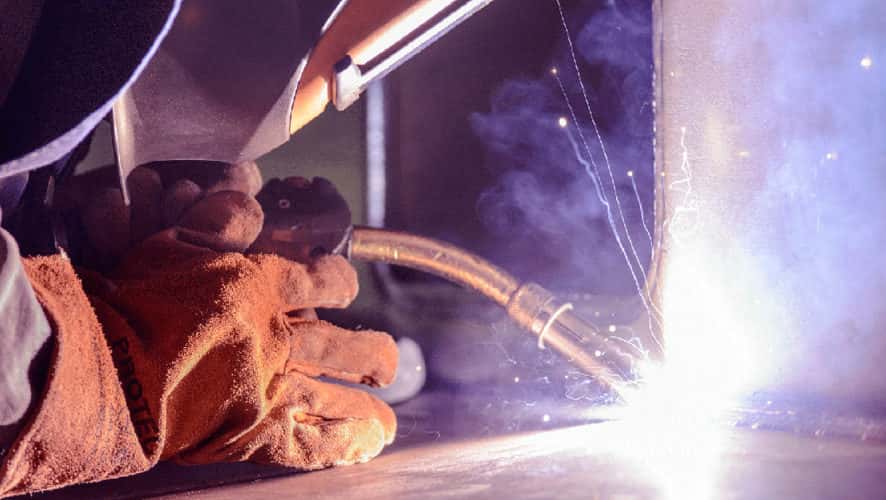
How to Avoid the Most Common MIG/MAG Welding Defects
The quality requirements in welding production increase with the optimization of structures as well as the development of materials and welding processes. Welding defects can, at worst, cause serious accidents and structural damage, so it is important to avoid them and understand the mechanisms that create them. In this text, we present the most common MIG/MAG welding defects and the ways to best avoid them.
Welding ABC
Stop the hassle and just get to work
Imagine 40 welders in a workshop. Each of them has 4–5 different welding qualifications which put the total at around a hefty 200 qualification certificates. As usual, these documents have to be prolonged every six months.
Digitalization
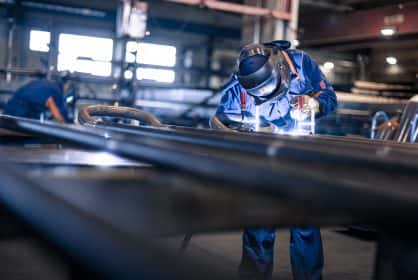
Standards in welding provide basis for the whole welding industry
Welding standards support the whole welding industry. They affect the industry and welding company operations on a wide scale from welding equipment to welding management software, services and documentation.
Manual welding
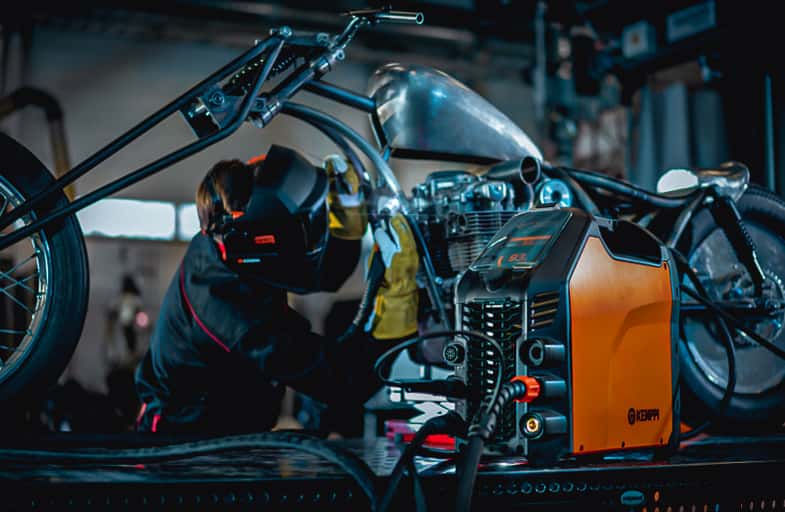
How Rapid Welding and Kemppi Built a Partnership That Lasts
Rapid Welding has worked with Kemppi since the company opened in 1990. Co-founder and Managing Director Roy Edwards highlighted the principles behind that 36-year partnership, from choosing the right welding solution and supporting equipment throughout its life to addressing the skills shortage and finding the right place for automation and laser welding.
Welding automation, Manual welding, Welding ABC
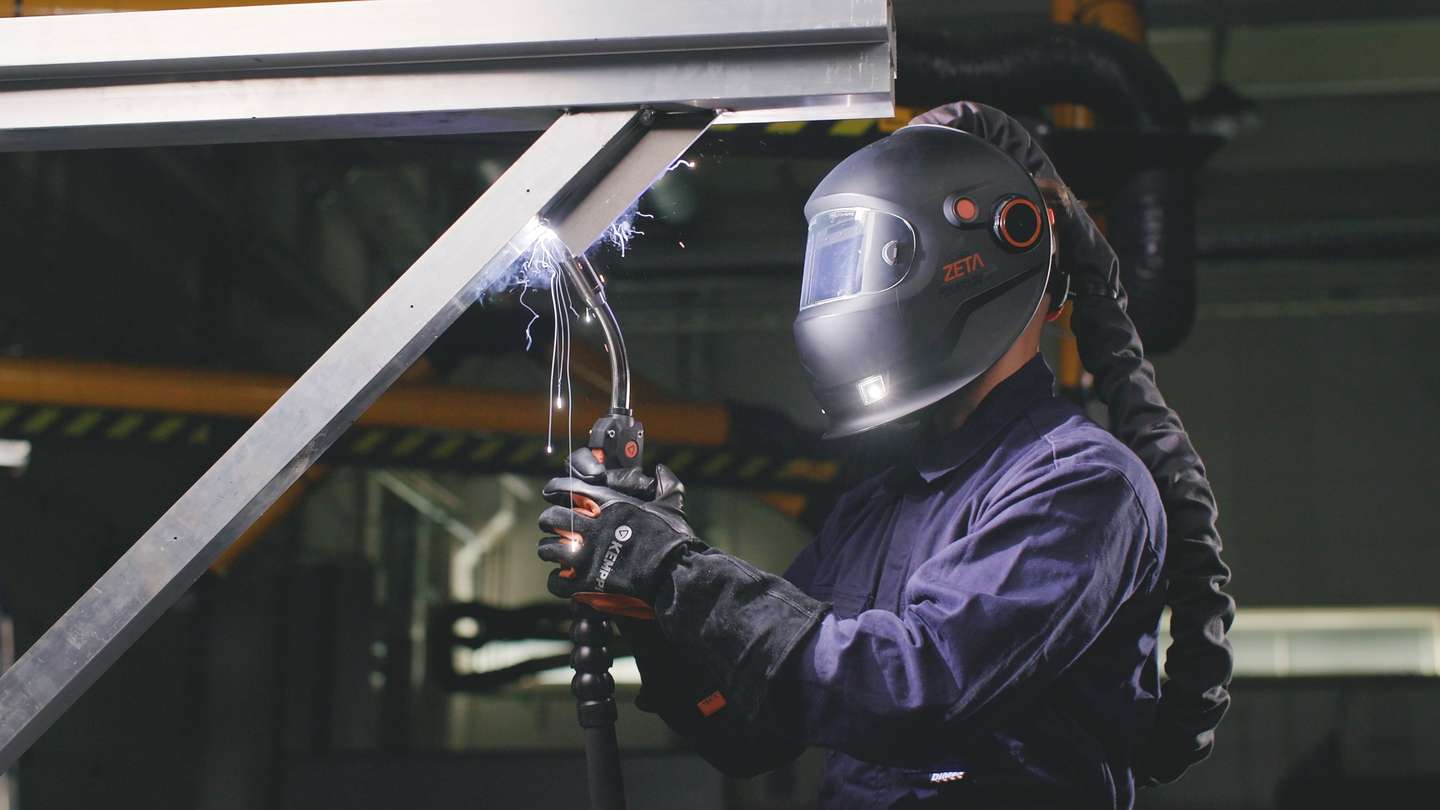
Safety that keeps up with welders' challenges and changing risks
Welding safety has become increasingly demanding. The hazards at the arc remain constant, but modern working conditions mean exposure can accumulate over longer shifts and in tighter indoor spaces. As a result, welding PPE needs to be treated as both protection for the welder and proof of compliance. At Kemppi, welding safety PPE is designed and validated in practice through clear requirements, welder-led feedback, and verified compliance with EU PPE Regulation 2016/425, CE marking processes, and relevant EN standards.
Safety, Welding ABC
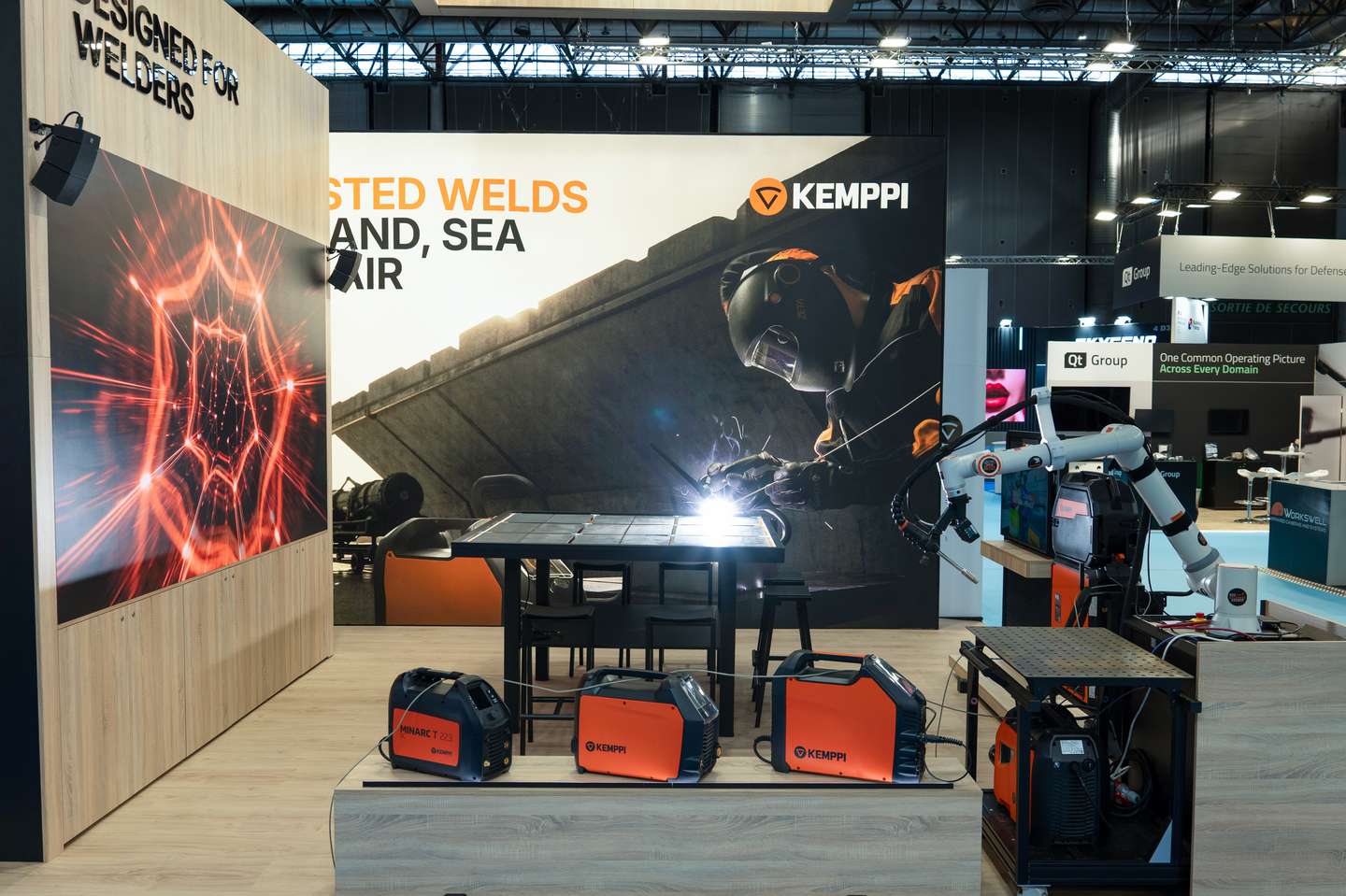
Eurosatory 2026 And the Future of Defence Manufacturing
Eurosatory 2026 highlighted a clear shift in modern defence manufacturing. While defence systems are becoming more digital, networked, and autonomous, their foundation remains physical. From armoured vehicles and artillery to industrial resilience, welding quality, steel structures, and production discipline remain paramount to defence readiness.
Digitalization, Innovation