Innovation
How Ready Are We for Green Steel?
20 June 2021
The steel industry is without a doubt one of the highest CO2-emitting industries and its effects on the environment raise concerns. High-strength and “green” steel can offer both environmental and financial benefits for manufacturers that contribute to sustainable development. But how ready are we to commit to it?
Jukka Kömi
There's a reason to talk about steel production and its role within global CO2 emits, as steel is the key material used to build e.g. heavy infrastructure from bridges to railways, pipes, and machinery. Its role within ecological development should also interest the welding industry as these very elements are welded together to stand the test of time.
Rising population growth, higher urban populations, growing automobile sectors, and increased spending on construction and infrastructure projects are expected to drive the market. In terms of geographical areas, China is a major contributor to global steel production, and India is the fastest-growing steel market.
The crucial fact from an environmental point of view is that the steel industry produces about 8 % of global CO2 emissions and is recognized as one of the main contributors to climate change due to the ore-based production technology that needs coal as a source of energy.
Turning talk into action
Talk about sustainable steel development started already 30 years ago, but development was slow until the 21st century when it rapidly increased due to the safety requirements of the automotive industry. The surprising fact is that the technology for producing more sustainable steel has been known since the late 1970s, but its practical application was so uncertain that there was trepidation in taking the first step.
Now there has been positive development within e.g. SSAB HYBRIT technology. It has the potential to reduce global carbon dioxide emissions with “green steel” where coal and coke are replaced with hydrogen gas as a sustainable alternative.
High-strength steel offers multiple environmental benefits
Another interesting development is related to high-strength steels with a standard yield strength of about 900 MPa - almost three times as strong as regular steel. It means that the same structural strength can be obtained with lighter, thinner end products which in turn reduces CO2 emissions due to fewer steel tons needed in production.
Using high-strength steel for e.g. manufacturing ship and heavy machinery parts leads to reduced fuel consumption due to lighter vehicles. Structural redesign can also reduce production costs, through durable structures that extend the lifecycle of the end-product.
Every part of the value chain matter
We shouldn't forget the consumers who demand sustainability. It pushes the industry forward at every point of the value chain which means that each actor needs to do their part in helping to meet the targets of zero emissions across all industry applications.
Moving towards a green industry demands companies and businesses but can also offer opportunities for players like Kemppi. There is interest and commitment. The technology exists. We just need to be prepared to invest in it and make decisions that support sustainability.
Kemppi has been an active player in sharing the welding expertise in testing the new steel materials and the right parameters when welding these advanced materials. In the future, I see Kemppi as a company that has a lot to give in playing a part in the new ecological value chain. The question is, how do you consider and want to tackle these new developments as the forerunner of arc welding?
Sources: 1. Hitsaustekniikka 2/2021: SSAB kohti fossiilitonta terästä HYBRIT-teknologian avulla Jarmo Lilja, Process Development Manager, SSAB Europe Oy
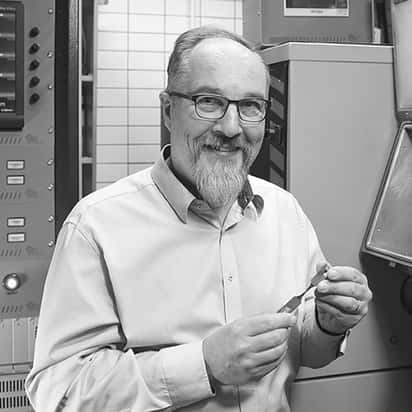
Jukka Kömi
Jukka Kömi
Professor, Physical Metallurgy; Head of Materials and Mechanical Engineering Unit, Executive Director of Centre for Advanced Steels Research (CASR) at University of Oulu.
More blog posts
Welding Trends: Predictions for 2021
Whenever the year changes, reviews of the past and forecasts for the future flood in from every channel imaginable. Let’s make no exception to the rule and have a look at the welding trends in 2021, which will (most probably) drive the industry – and businesses in general.
Safety, Welding automation
Calculation of heat input in MIG/MAG welding
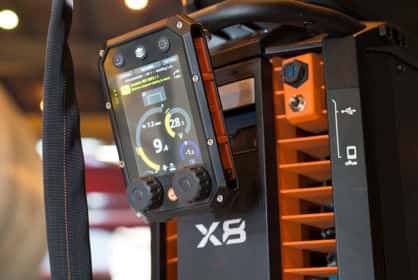
The new welding procedure test standard, EN-ISO 15614-1:2017, provides recommendations for the measurement and calculation of heat input. In concrete terms, what does this mean for MIG/MAG welding? And how can workshops carry out these calculations in practice?
Welding ABC
Welding in arctic conditions
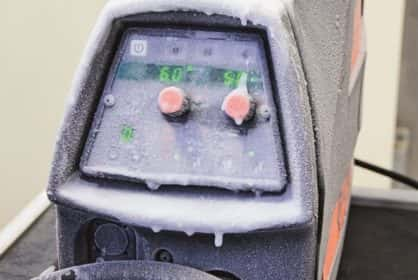
Today, Arctic areas are attracting much attention due to the large oil and natural gas deposits located there. As much as 13% of the Earth's unexploited oil reserves and 30% of natural gas reserves may be located in Arctic areas. The energy industry's largest projects to build gas and oil distribution networks are essentially based on steel construction and welding technology.
Manual welding
How Rapid Welding and Kemppi Built a Partnership That Lasts
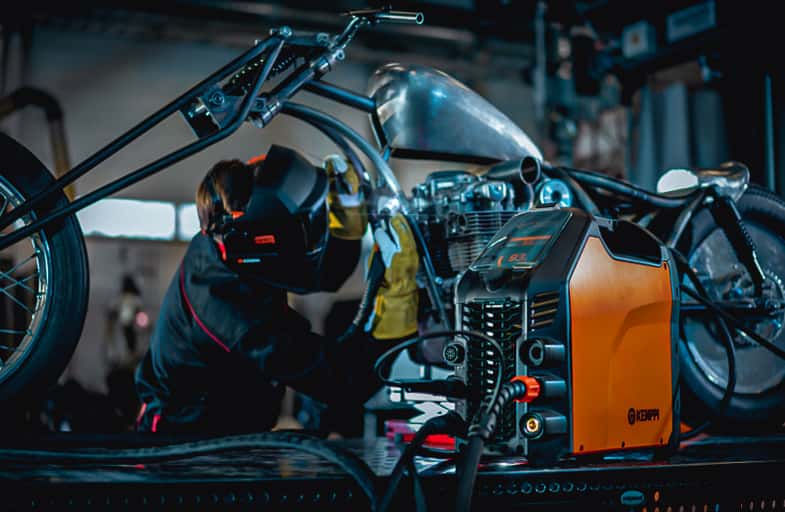
Rapid Welding has worked with Kemppi since the company opened in 1990. Co-founder and Managing Director Roy Edwards highlighted the principles behind that 36-year partnership, from choosing the right welding solution and supporting equipment throughout its life to addressing the skills shortage and finding the right place for automation and laser welding.
Welding automation, Manual welding, Welding ABC
Safety that keeps up with welders' challenges and changing risks
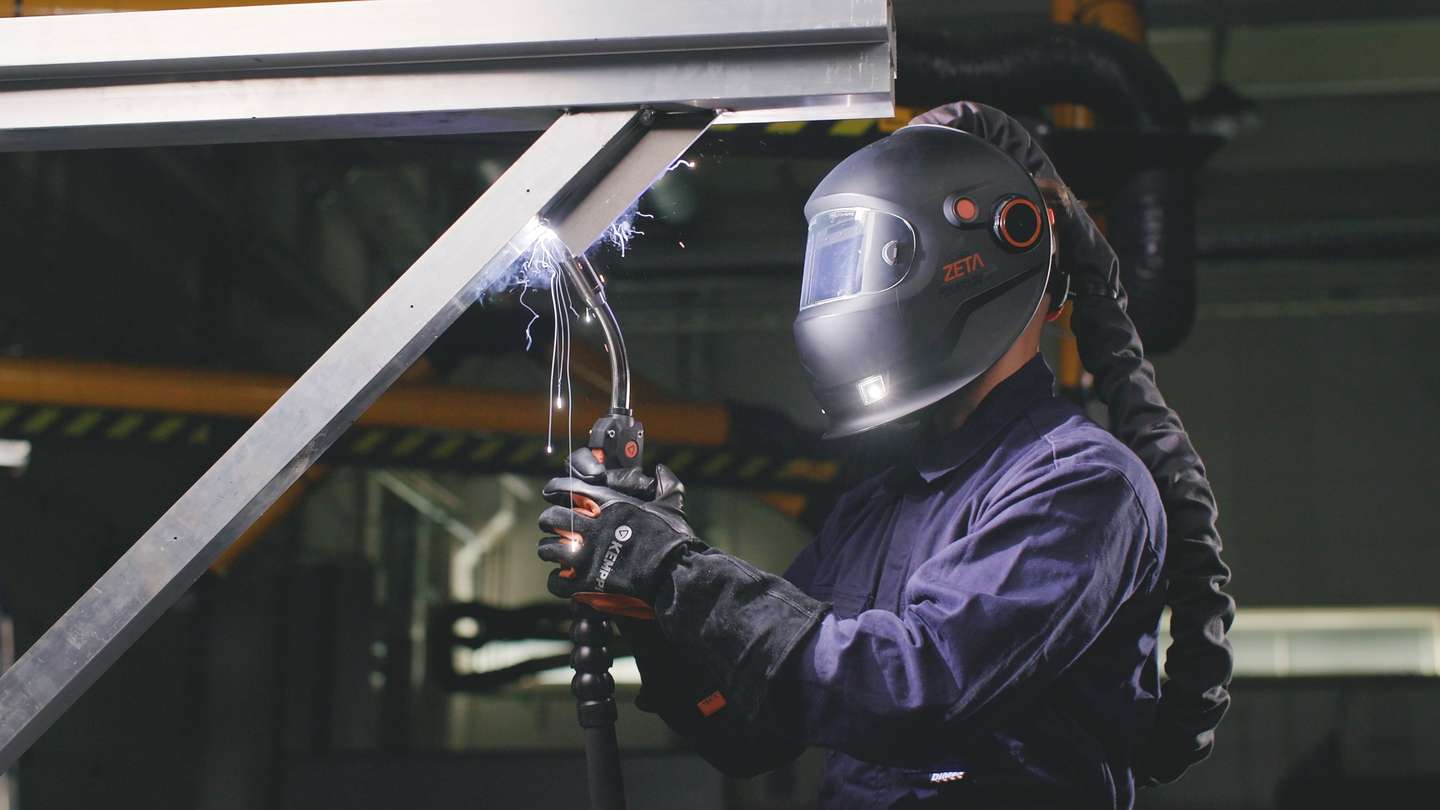
Welding safety has become increasingly demanding. The hazards at the arc remain constant, but modern working conditions mean exposure can accumulate over longer shifts and in tighter indoor spaces. As a result, welding PPE needs to be treated as both protection for the welder and proof of compliance. At Kemppi, welding safety PPE is designed and validated in practice through clear requirements, welder-led feedback, and verified compliance with EU PPE Regulation 2016/425, CE marking processes, and relevant EN standards.
Safety, Welding ABC
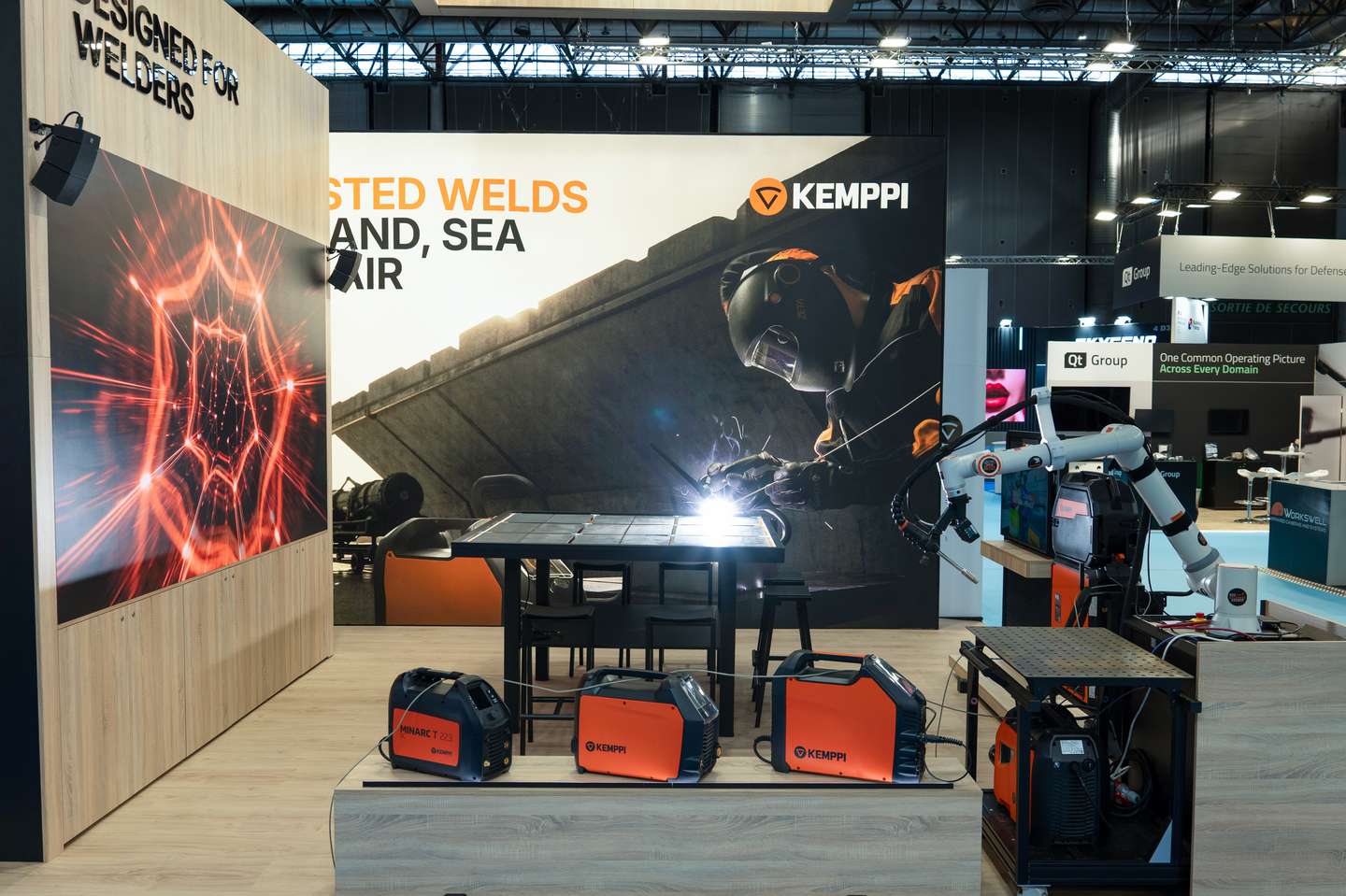
Eurosatory 2026 And the Future of Defence Manufacturing
Eurosatory 2026 highlighted a clear shift in modern defence manufacturing. While defence systems are becoming more digital, networked, and autonomous, their foundation remains physical. From armoured vehicles and artillery to industrial resilience, welding quality, steel structures, and production discipline remain paramount to defence readiness.
Digitalization, Innovation