Digitalization
How WeldEye welding management software sets the standard for welding traceability
27 May 2025
Welding traceability is becoming an increasingly essential requirement in industries where safety, quality, and compliance are paramount.
Risto Etelämäki
Why is welding traceability critical?
Welding traceability is becoming an increasingly essential requirement in industries where safety, quality, and compliance are paramount. Sectors such as energy, offshore, subsea, construction, and defense depend on welding traceability to ensure structural integrity, regulatory adherence, and risk mitigation. Traceability provides a transparent and verifiable record of every weld, offering both the contractor and client a means to track, verify, and validate welding processes.
With evolving industry standards and stringent regulations, the demand for enhanced traceability continues to grow. Organizations must comply with requirements that mandate rigorous documentation and monitoring of welding parameters. This shift reflects a broader trend across industries: traceability is no longer a luxury but a necessity to mitigate risks, optimize quality control, and enhance operational efficiency.
Without precise traceability, companies face substantial financial, legal, and safety risks. A lack of documented welding data can lead to undetected flaws, costly recalls, structural failures, and even catastrophic incidents. Ensuring end-to-end traceability helps prevent these issues and enhances overall production quality.
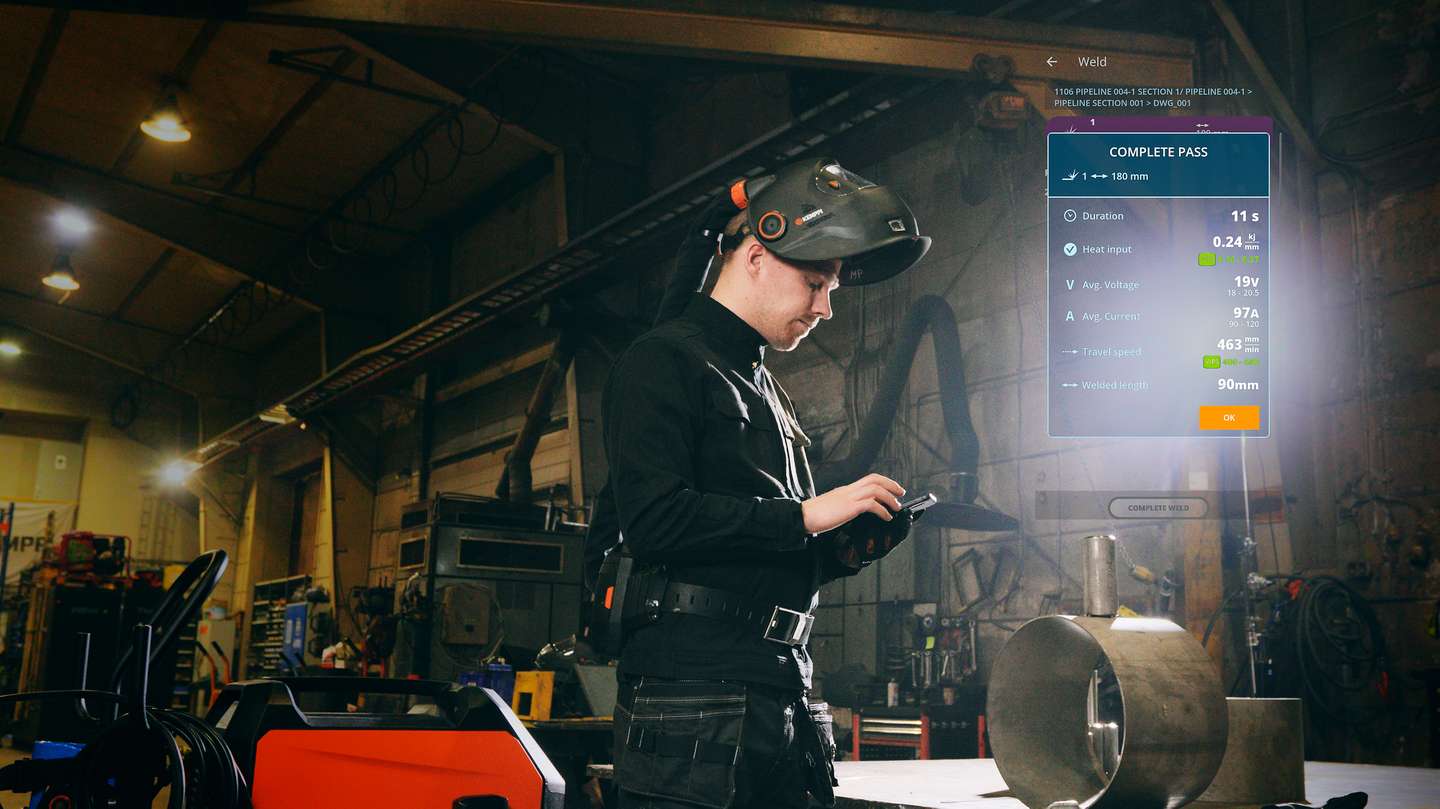
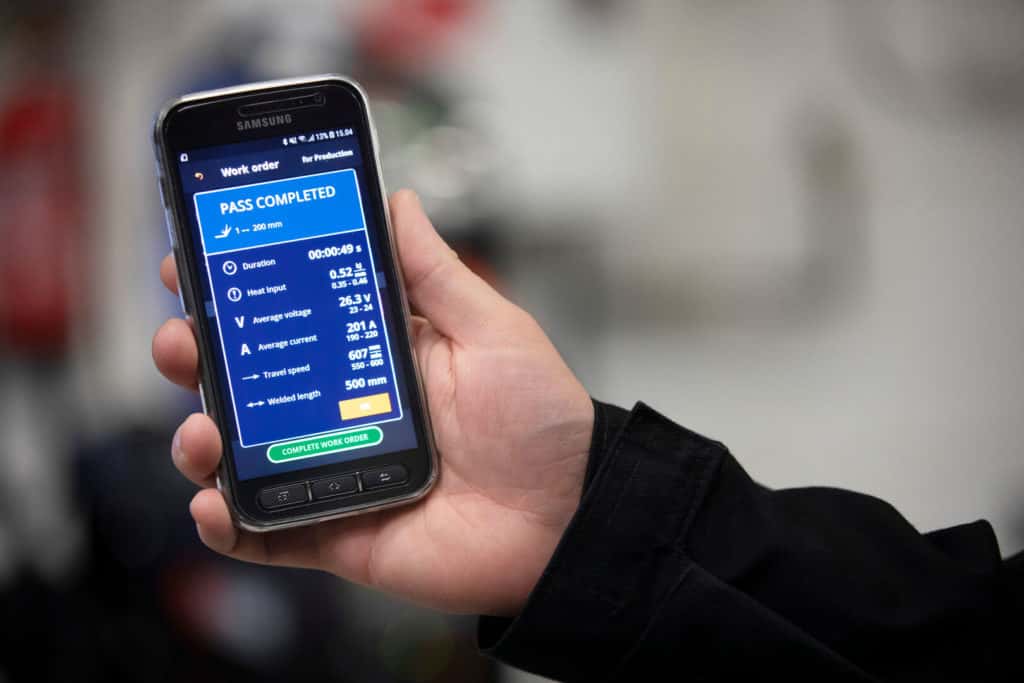
A welder receives a summary of the previous weld, including the calculated heat input.
How WeldEye ensures comprehensive welding data management
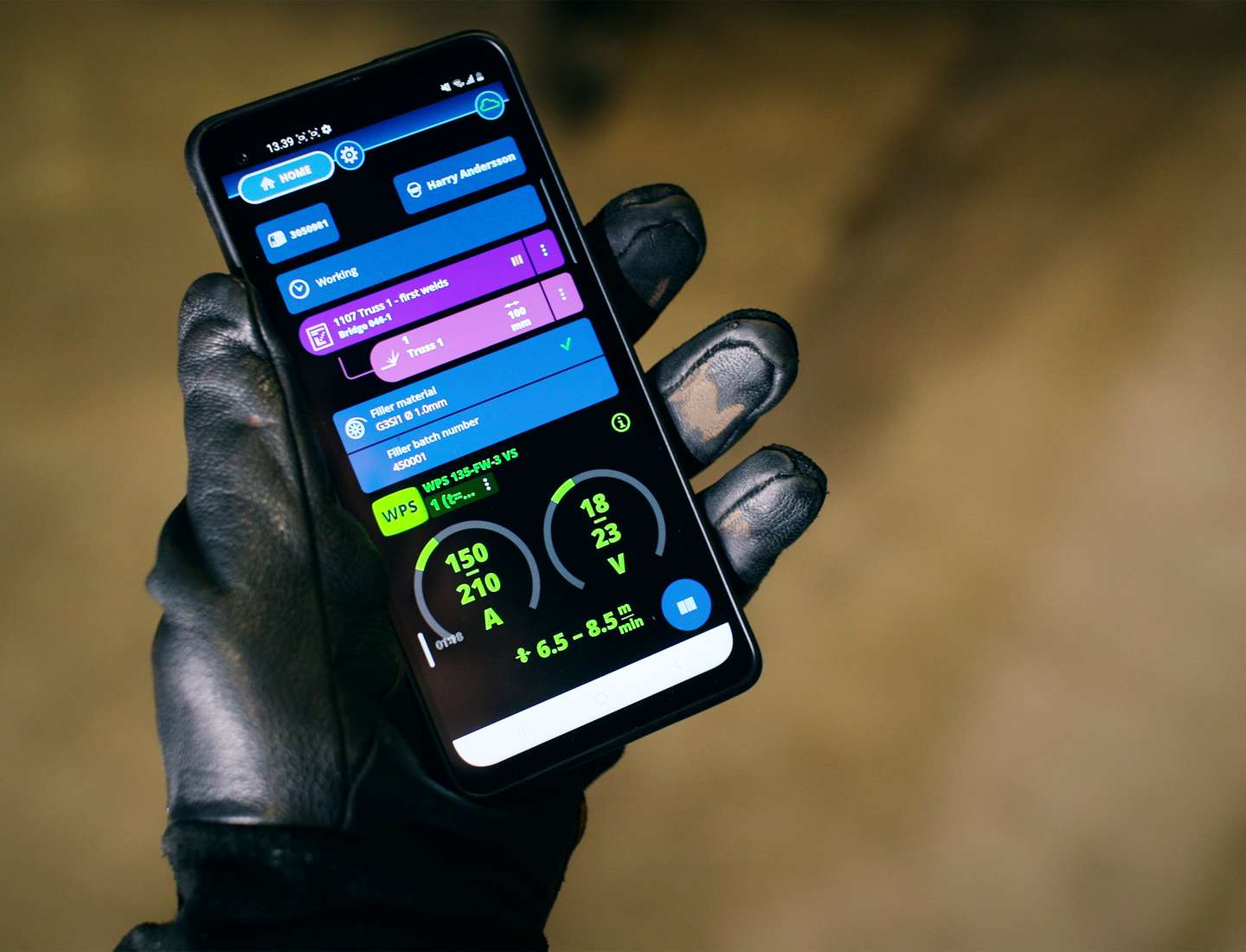
Kemppi’s WeldEye is a cloud-based welding management system designed to eliminate manual documentation errors and streamline traceability. It automatically collects and stores critical welding data, ensuring compliance with industry standards. WeldEye provides:
Complete tracking of who performed the welds, down to the individual weld seam level.
Documentation of welding procedure specifications (WPS) used.
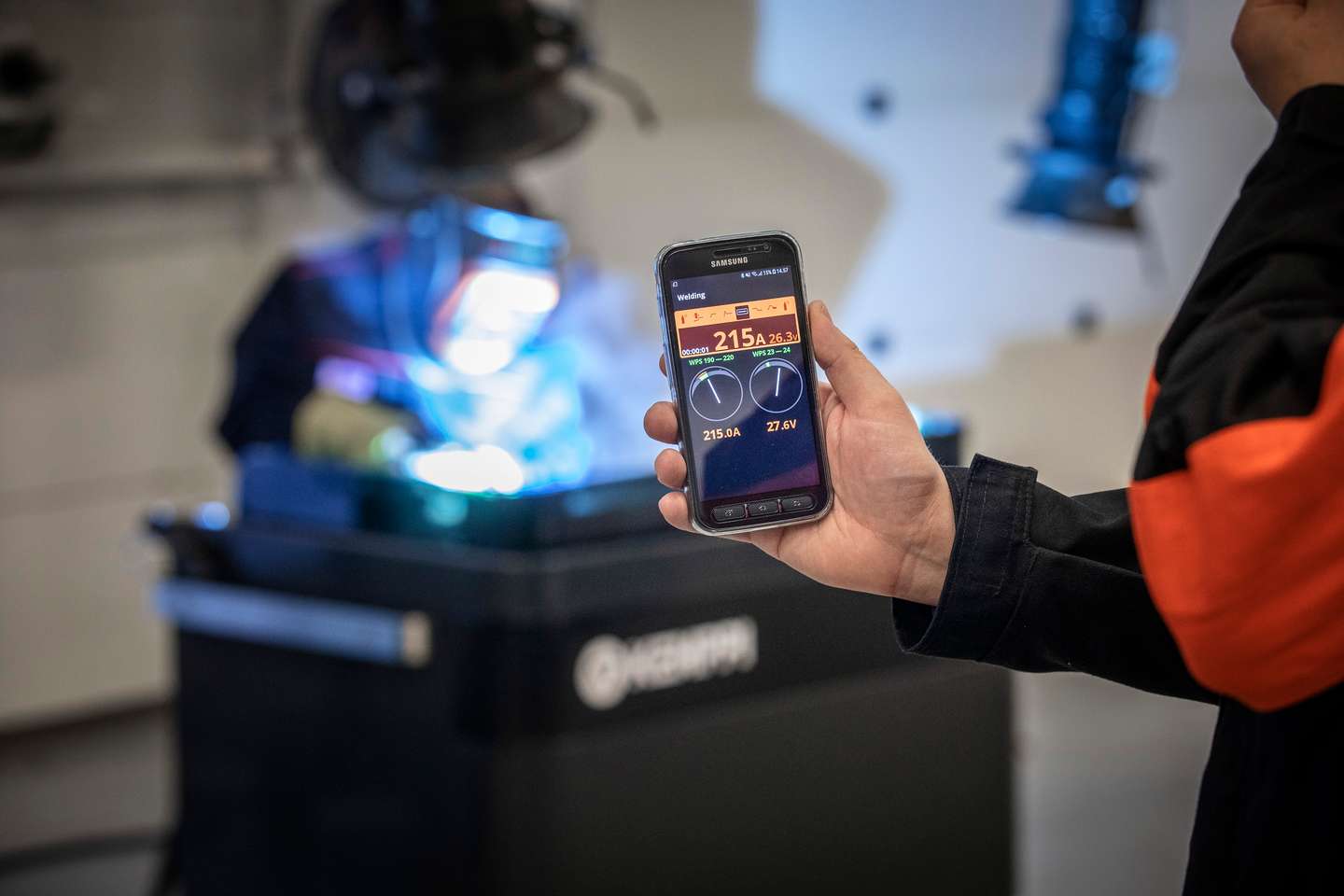
Monitoring of essential parameters such as welding voltage, current, and heat input.
Traceability of materials, including filler and shielding gas batch numbers.
According to Vesa Tiilikka, Manager, Digital Services at Kemppi: "Traceability acts as a mutual safeguard for both the contractor and the client. It provides clear insights into welding quality, even for aspects that are not visibly detectable."
When properly implemented, welding traceability ensures that any deviation can be quickly pinpointed. For example, if an issue is identified in a specific batch of filler material, all affected welds can be accurately located and evaluated. This targeted approach prevents unnecessary rework and enhances overall reliability.
How does WeldEye differ from traditional manual documentation?
Unlike manual documentation methods, which are time-consuming and prone to errors, WeldEye offers an automated and integrated solution:
Digital workflow: WeldEye eliminates paperwork by providing a cloud-based platform accessible directly via welding machine interfaces, mobile applications, or a PC/laptop.
Seamless integration: The system is compatible with almost all welding equipment and can be integrated with enterprise resource planning (ERP) systems, as well as other production and manufacturing control systems (e.g., MES), HR platforms, documentation tools, and KPI analytics software.
Real-time data collection: Welding data is captured in real-time and stored securely, allowing for instant traceability and quality verification.
Enhanced productivity: By reducing manual reporting efforts, WeldEye enables welding professionals to focus on production quality and efficiency.
Additionally, WeldEye collects arc time data, monitoring welding duration, current, and voltage—metrics that traditional documentation cannot accurately capture.
The role of heat input in welding traceability
One critical parameter in welding traceability is heat input. Accurate heat input measurement is crucial for ensuring the mechanical properties of welded structures, especially for high-strength steels, pressure vessels, and other demanding applications. If the heat input deviates from recommended values, the structural integrity of the weld can be compromised, leading to issues such as cracking, distortion, or reduced toughness.
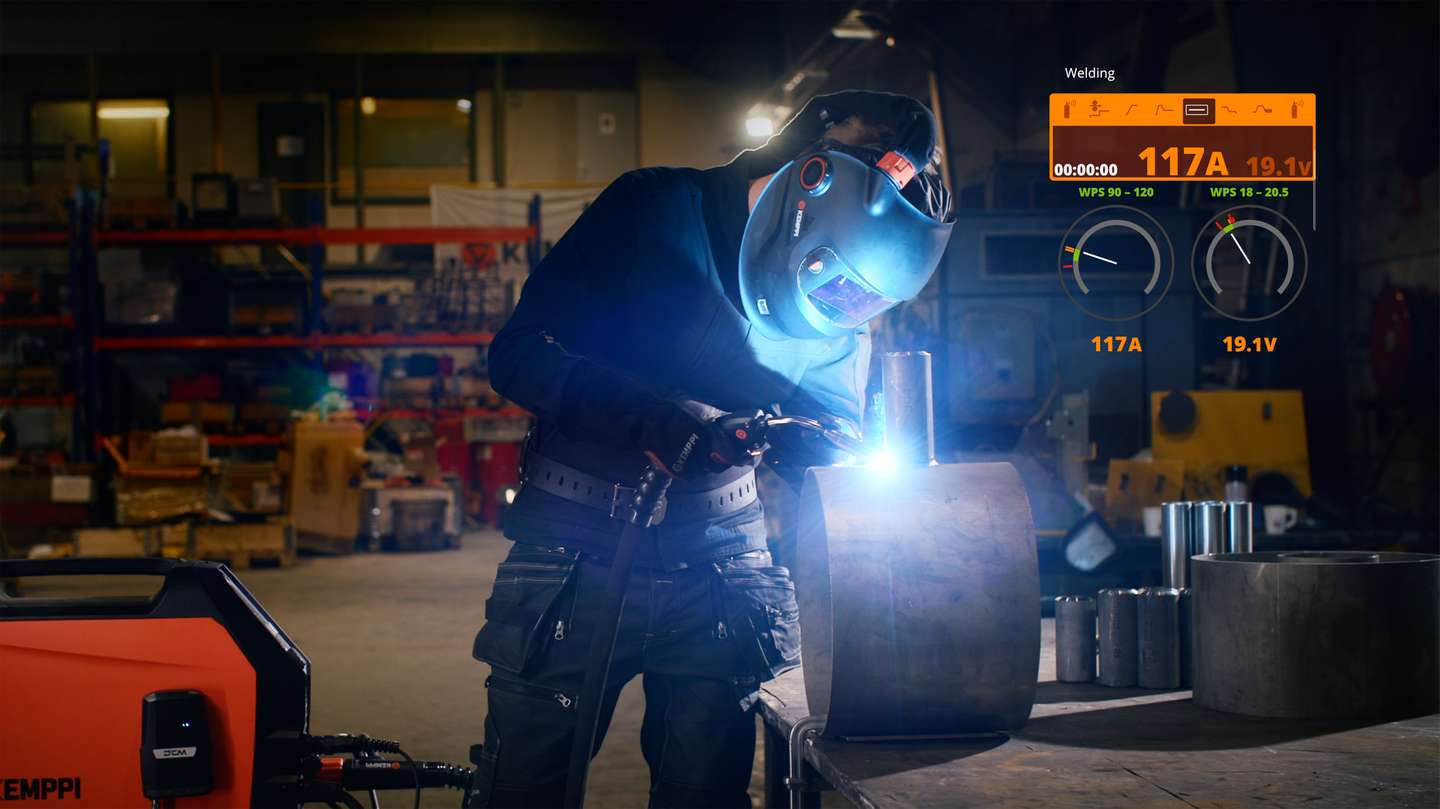
All welding parameters are collected and documented in the WeldEye software.
WeldEye allows manufacturers to:
Verify compliance with industry standards that require heat input documentation for critical welds.
Detect inconsistencies in welding processes and take corrective actions before defects occur.
Improve weld quality assurance by analyzing historical data for process optimization.
Minimize the risk of cold cracking and heat-affected zone (HAZ) issues by ensuring controlled energy input.
Certain materials, such as high-strength steels and exotic alloys, are particularly sensitive to variations in heat input. Inadequate control over heat input can lead to metallurgical changes that affect the durability and safety of the welded structure. WeldEye’s ability to capture, analyze, and document this data ensures that welding processes remain within the required parameters, reducing potential failures.
"With WeldEye, we can see beyond the surface of the weld. Proper heat input measurement ensures that even the invisible aspects of weld quality are verified", explains Tiilikka.
Practical benefits and future prospects
Companies that have adopted WeldEye have experienced significant improvements in welding traceability, quality control, and compliance. In large-scale projects, WeldEye reduces time spent on documentation while simultaneously improving accuracy and reducing costs associated with rework and quality assurance.
Looking ahead, the future of welding traceability will likely see increased integration of artificial intelligence (AI) and machine learning. Automated analysis of welding data can provide predictive insights, helping companies prevent defects before they occur. However, as Tiilikka notes, "While digitalization plays a significant role, manual welding will always involve external conditions that technology alone cannot control." For this reason, it is crucial that manual welders have access to the best possible tools and support to carry out their work with precision and reliability.
Conclusion
WeldEye is leading the way in welding traceability, offering an advanced, scalable, and user-friendly solution for ensuring compliance, quality, and efficiency. As industry regulations evolve, digital solutions like WeldEye will continue to redefine how companies manage and verify their welding operations, making complete traceability more accessible than ever.

Risto Etelämäki
Risto Etelämäki
A versatile and seasoned content professional with deep expertise in marketing communication strategy and design. A brand and concept expert who strongly believes in the power of brand as a key business driver. A multi-channel storyteller and writer with a passion for creative problem-solving and teamwork.
Related products

Product family
WeldEye is a universal solution to manage welding production.
More blog posts
Accurate welding data monitoring and cost-savings that count
When it comes to demanding welding tasks, quality matters more than quantity. Furthermore, the current standards – especially the norms applied to subsea welding – require that quality is constantly observed, measured, and reported. Without digital quality control systems, this task may prove to be overly costly and time-consuming. Kemppi’s WeldEye Quality Control is a universal software solution for verifying compliance of welding quality with welding procedure specifications. When integrated into the customer’s operating systems, WeldEye Quality Control brings considerable savings. Let’s listen to some user experiences from Norway.
Innovation
Industry 4.0 in welding – myth or reality?
Industry 4.0 refers to the Fourth Industrial Revolution. What does it mean, and how does it fit into the conservative world of welding? Can the intelligence of a welding machine truly bring additional value to an organization and benefit welders as well?
Innovation
WeldEye enables remote work in welding production
Managing welding production with a cloud-based software solution has considerable advantages. For one, it gives work supervisors or quality assurance teams the convenience of working remotely from home. It increases transparency, quality and efficiency, thanks to improved information flow and traceability. The welders also receive immediate feedback on their work.
Digitalization
How Rapid Welding and Kemppi Built a Partnership That Lasts
Rapid Welding has worked with Kemppi since the company opened in 1990. Co-founder and Managing Director Roy Edwards highlighted the principles behind that 36-year partnership, from choosing the right welding solution and supporting equipment throughout its life to addressing the skills shortage and finding the right place for automation and laser welding.
Welding automation, Manual welding, Welding ABC
Safety that keeps up with welders' challenges and changing risks
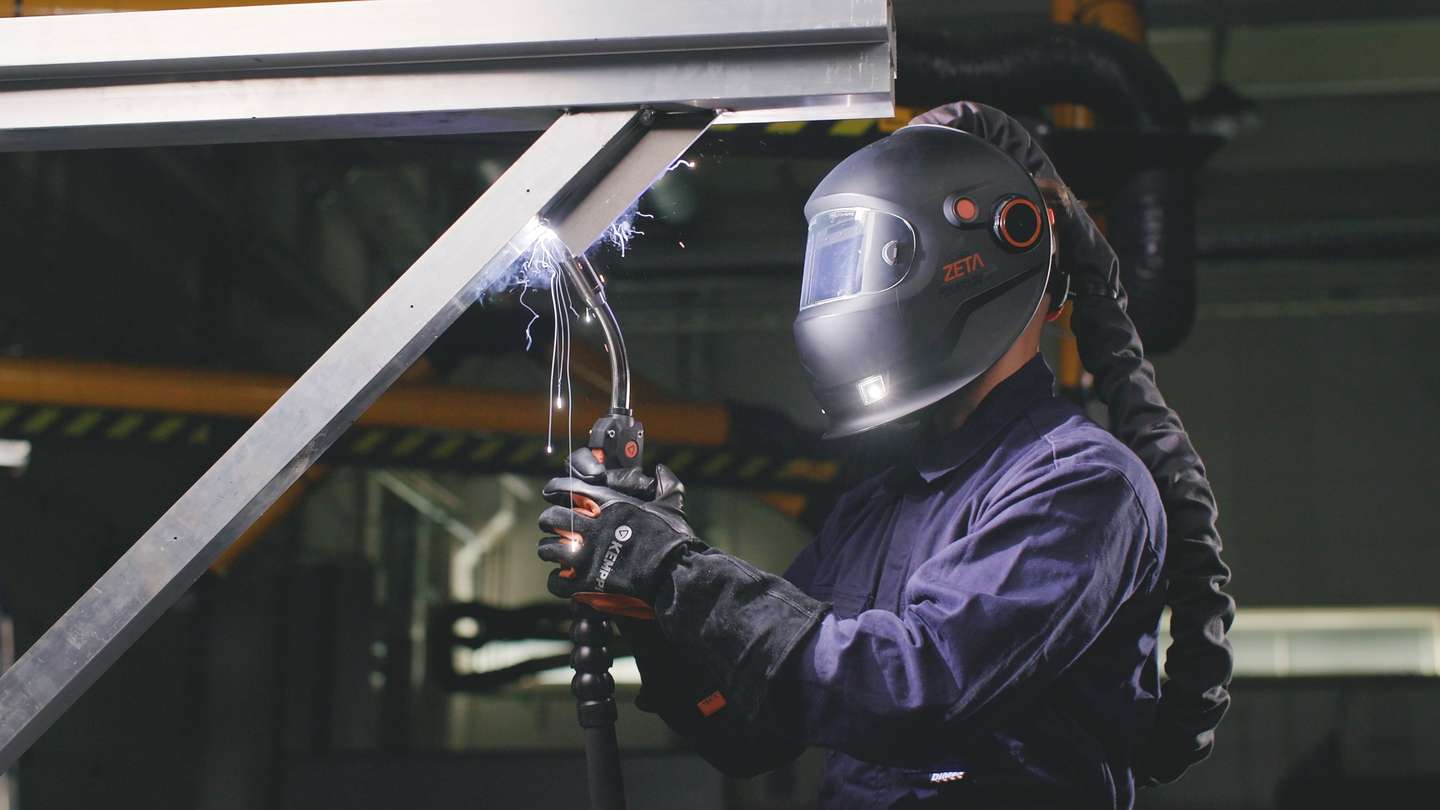
Welding safety has become increasingly demanding. The hazards at the arc remain constant, but modern working conditions mean exposure can accumulate over longer shifts and in tighter indoor spaces. As a result, welding PPE needs to be treated as both protection for the welder and proof of compliance. At Kemppi, welding safety PPE is designed and validated in practice through clear requirements, welder-led feedback, and verified compliance with EU PPE Regulation 2016/425, CE marking processes, and relevant EN standards.
Safety, Welding ABC
Eurosatory 2026 And the Future of Defence Manufacturing
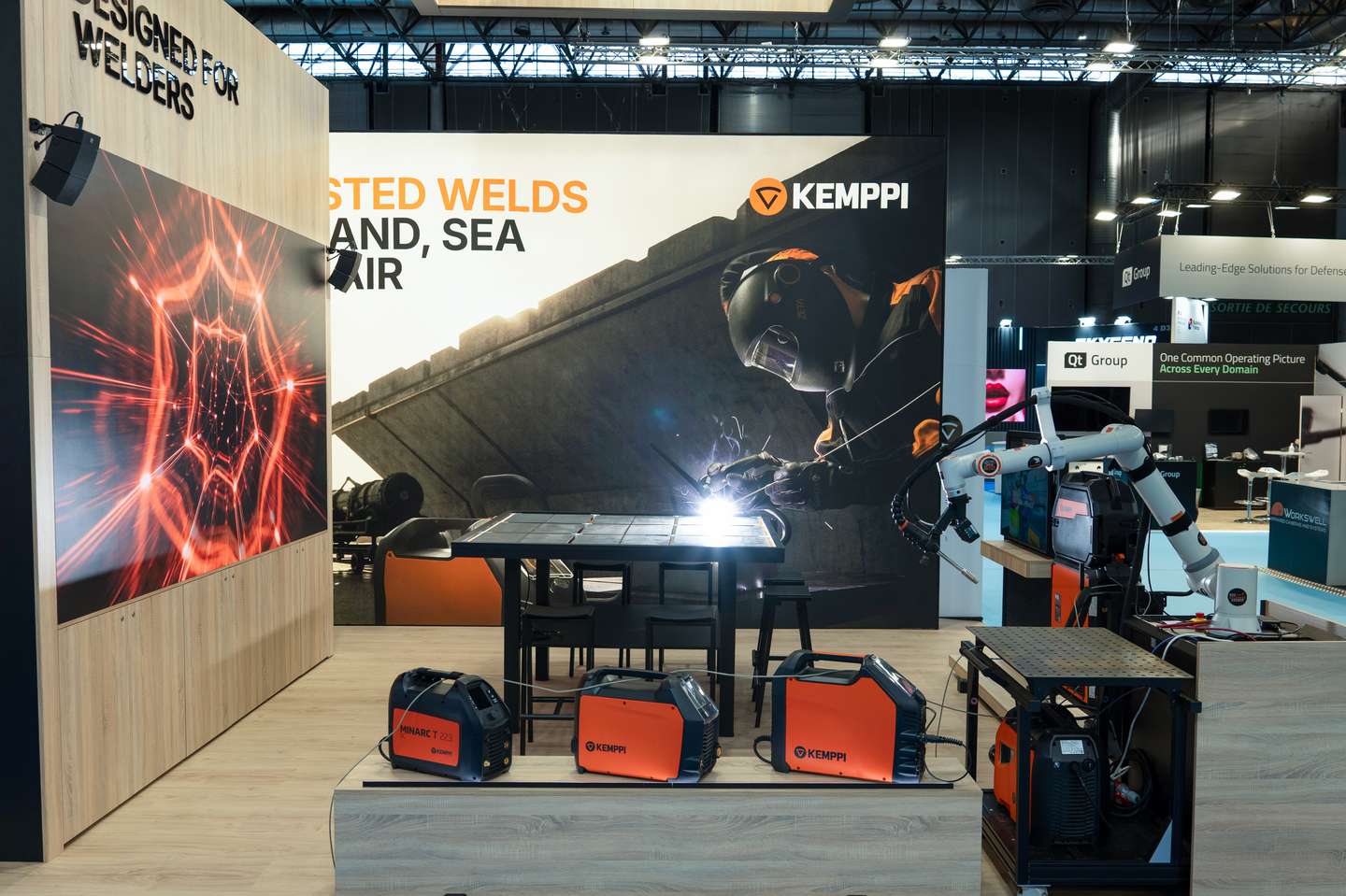
Eurosatory 2026 highlighted a clear shift in modern defence manufacturing. While defence systems are becoming more digital, networked, and autonomous, their foundation remains physical. From armoured vehicles and artillery to industrial resilience, welding quality, steel structures, and production discipline remain paramount to defence readiness.
Digitalization, Innovation