Welding ABC
TIG welding
28 January 2024
Applications, welders, and techniques for TIG welding
Kemppi marketing
THE TIG WELDING PROCESS AND MORE
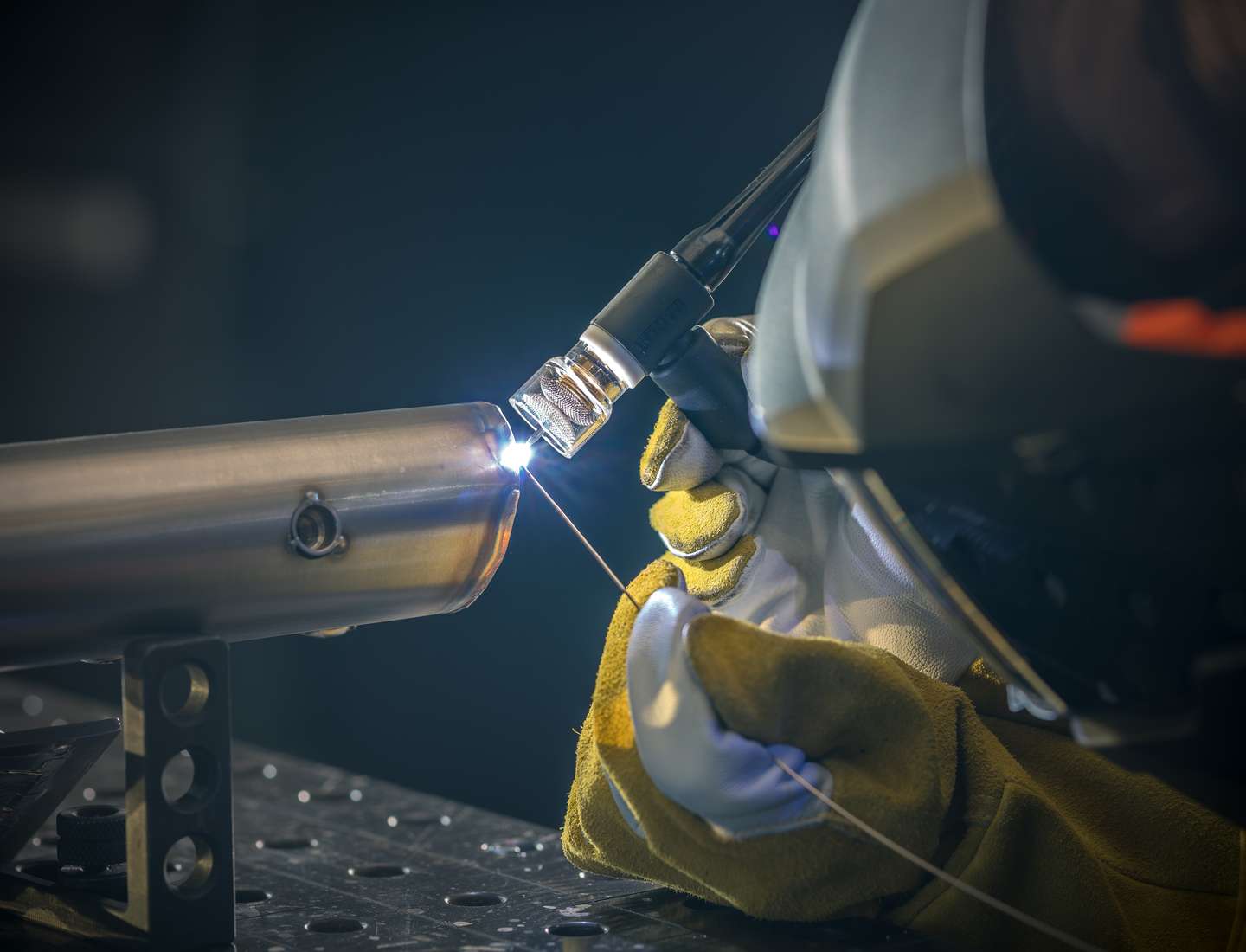
In TIG welding (Tungsten inert gas), the welding arc is formed between a non-consumable tungsten electrode and the workpiece. The shielding gas is always an inert gas that does not affect the welding process per se. Usually, the shielding gas is argon and it protects not only the molten weld but also the electrode in the torch from oxygenation.
The filler material may not be necessary for TIG welding. The pieces can be fused also by melting the groove together. If a filler is used, it is fed into the molten weld manually and not through the welding torch as in MIG/MAG welding. Therefore, the TIG welding torch has a completely different structure than a MIG/MAG torch.
Various TIG welding methods include, for example, the DC TIG welding method that uses direct current, AC TIG welding that utilizes alternating current and pulse TIG.
TIG WELDING IS SUITABLE FOR BOTH MANUAL AND MECHANIZED WELDING
The most important applications for TIG welding are pipeline and pipe welding. It is, however, used in many industries, such as aviation and aerospace and sheet metal industries when welding particularly thin materials and special materials such as titanium.
TIG welding is suitable for both manual and mechanized welding as well as for using welding robots.
TIG WELDERS DO NOT NEED WIRE FEEDERS
TIG welding equipment comprises a power source, grounding cable, welding torch, and shielding gas tank or gas network interface. The machine may also contain a liquid cooling unit. A wire feeder is not required as the filler material is manually fed.
Browse Kemppi TIG welding machines
TIG WELDING TECHNIQUE REQUIRES ACCURACY
TIG welding is used in sites where the appearance of the weld is important. This presents special requirements for the accuracy of the welding job. Additionally, TIG welding is more demanding because there are more issues to control in this welding technique than in the other techniques. In TIG welding, the torch is moved with one arm while the other feeds the filler material to the molten weld. A TIG welder must, therefore, accurately control both arms and one cannot be used for supporting the torch as in MIG/MAG welding.
These special requirements make TIG welding more difficult particularly in the beginning. However, the arms will soon adjust to the paths of motion required in welding and TIG welding becomes routine. Yet, demanding TIG welding is usually done by a welder who specializes in TIG welding.
TIG welding is done with a pushing torch motion. The filler can be fed into the weld either drop by drop or continuously, keeping the filler wire constantly in the molten weld.

Kemppi marketing
Kemppi marketing
Kemppi marketing aims to evoke discussion on the transformation of modern welding and bring you the latest stories from within the global welding industry, told by true experts in their respective fields.
Related products
Product family
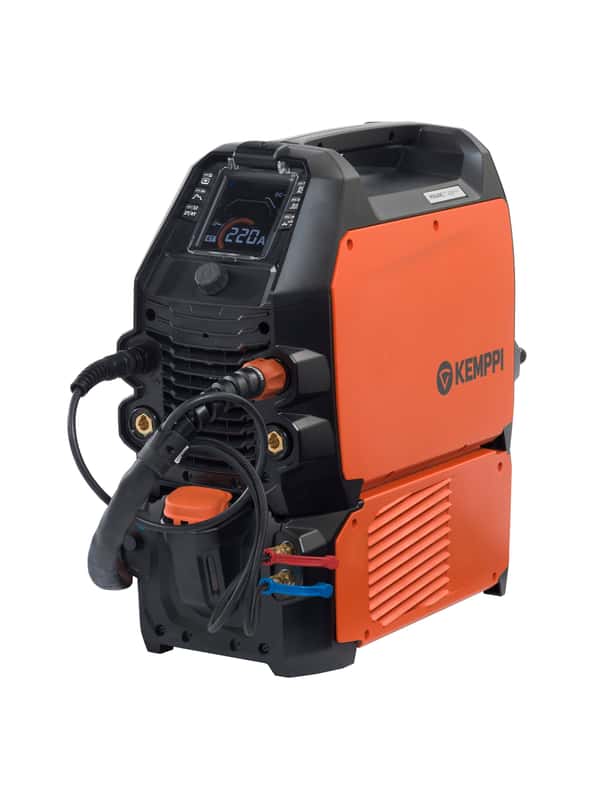
Minarc T ACDC is a portable multi-voltage welding machine that allows you to perform high-quality AC/DC TIG welding and professional weld cleaning with one machine.
Product family
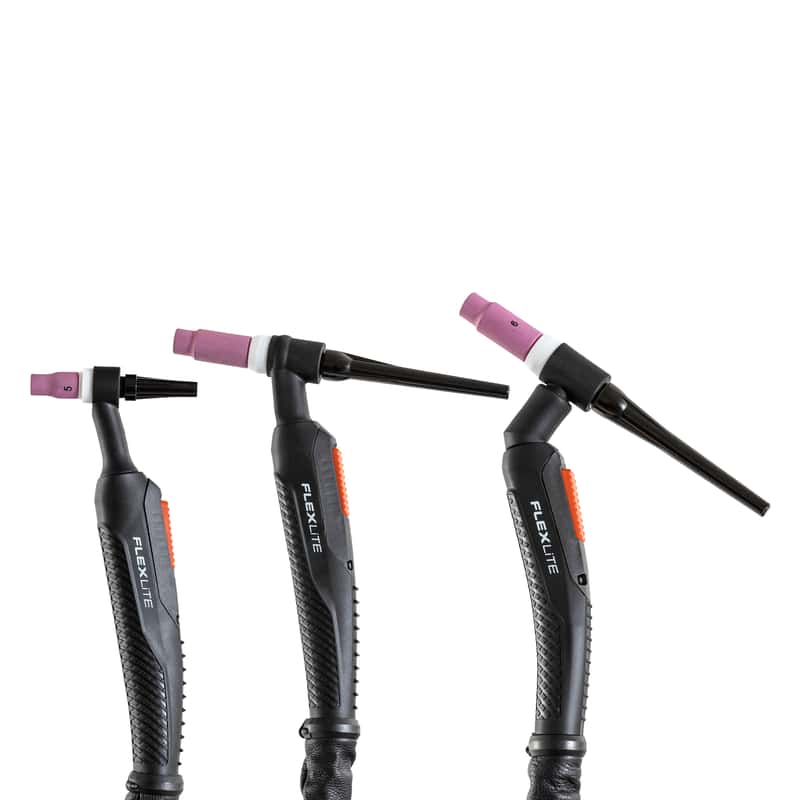
Flexlite TX welding torches are designed to be used with Kemppi's TIG welding equipment. The torch range includes several neck models, offering superb cooling performance and good access to challenging joint designs.
More blog posts

Other welding methods
MIG brazing and laser, submerged, plasma, spot, friction, and explosion welding
Welding ABC
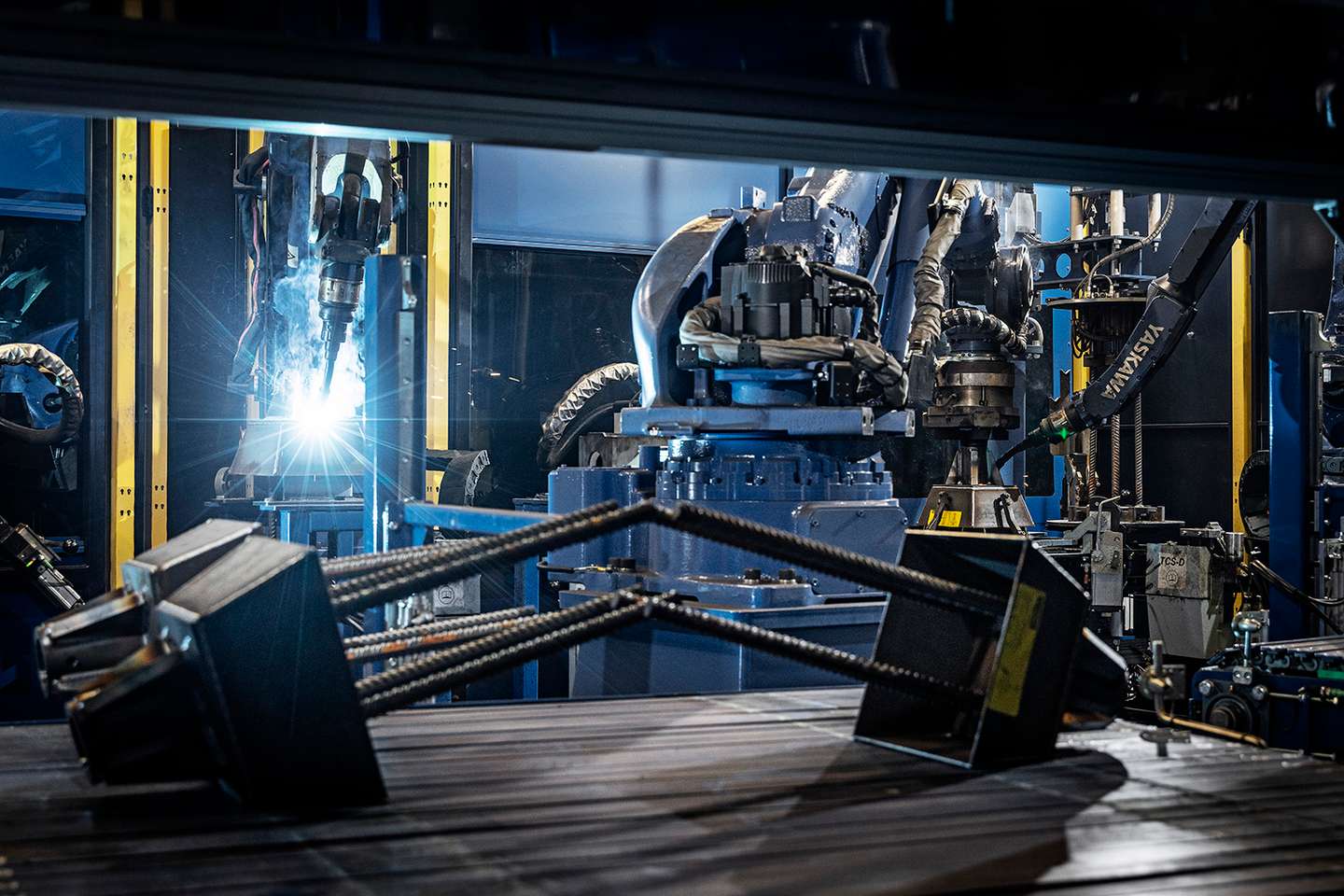
Robotic welding
Robotic welding applications, systems, and techniques
Welding ABC
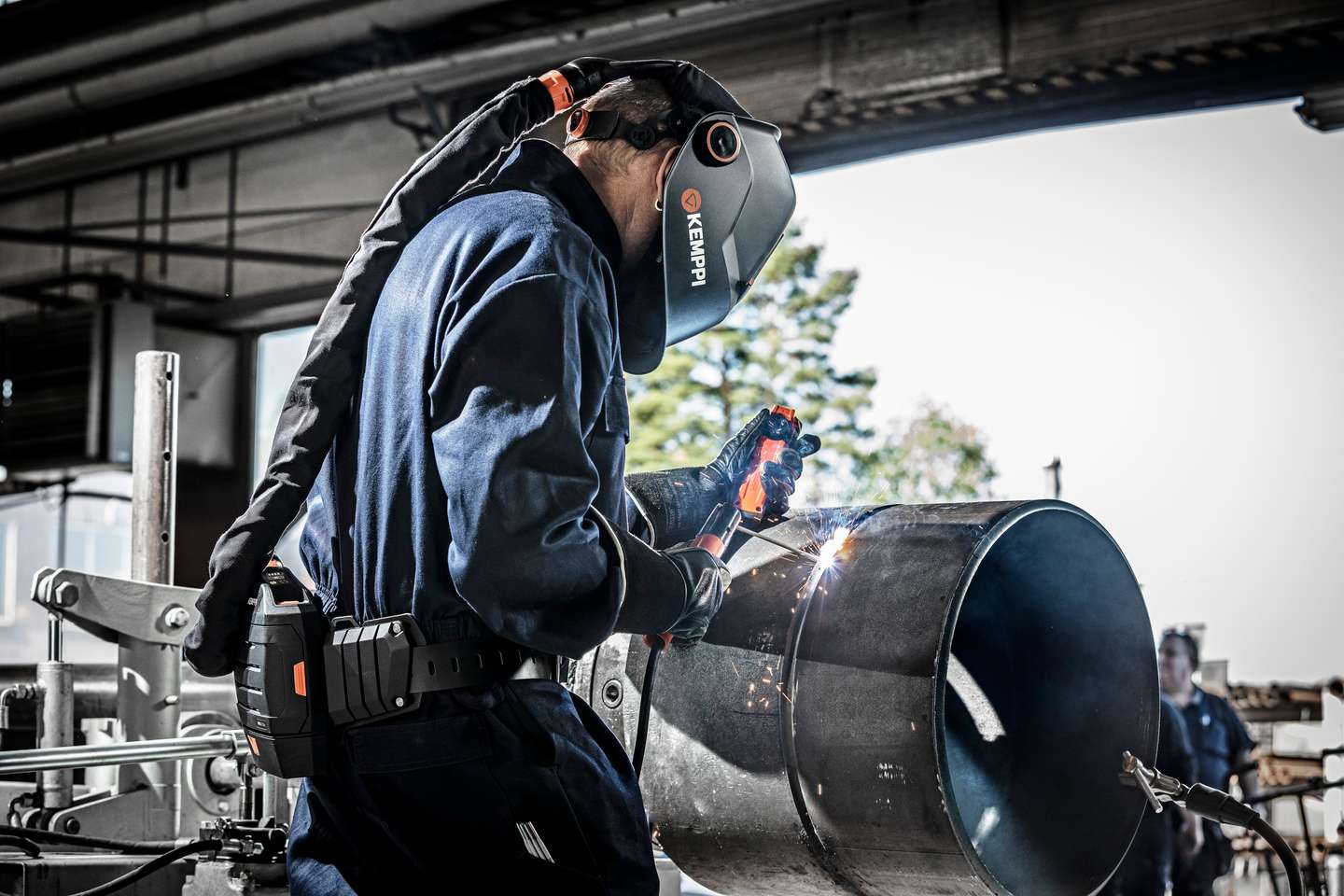
Stick welding
Applications, equipment, electrodes, and techniques for stick welding
Welding ABC
How Rapid Welding and Kemppi Built a Partnership That Lasts
Rapid Welding has worked with Kemppi since the company opened in 1990. Co-founder and Managing Director Roy Edwards highlighted the principles behind that 36-year partnership, from choosing the right welding solution and supporting equipment throughout its life to addressing the skills shortage and finding the right place for automation and laser welding.
Welding automation, Manual welding, Welding ABC
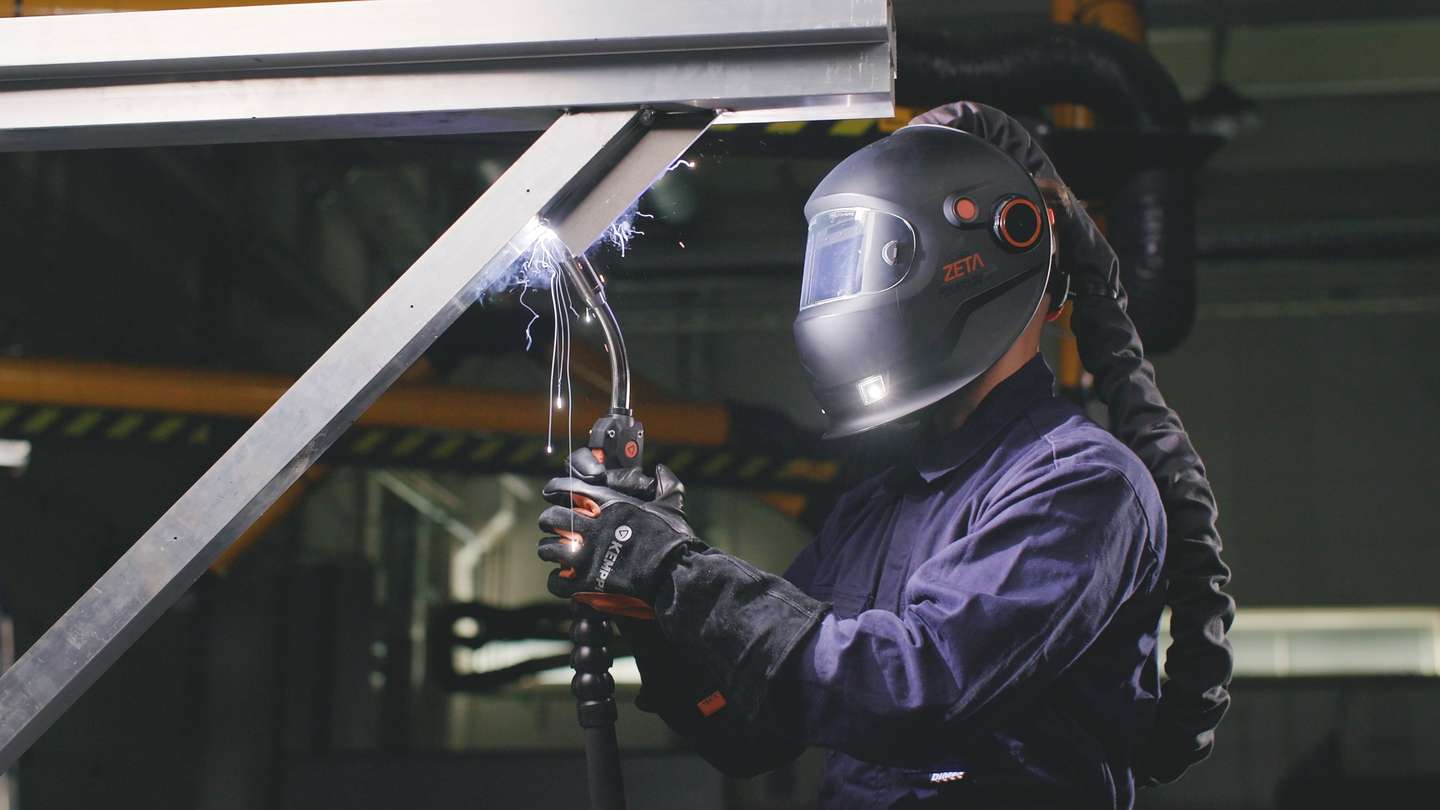
Safety that keeps up with welders' challenges and changing risks
Welding safety has become increasingly demanding. The hazards at the arc remain constant, but modern working conditions mean exposure can accumulate over longer shifts and in tighter indoor spaces. As a result, welding PPE needs to be treated as both protection for the welder and proof of compliance. At Kemppi, welding safety PPE is designed and validated in practice through clear requirements, welder-led feedback, and verified compliance with EU PPE Regulation 2016/425, CE marking processes, and relevant EN standards.
Safety, Welding ABC
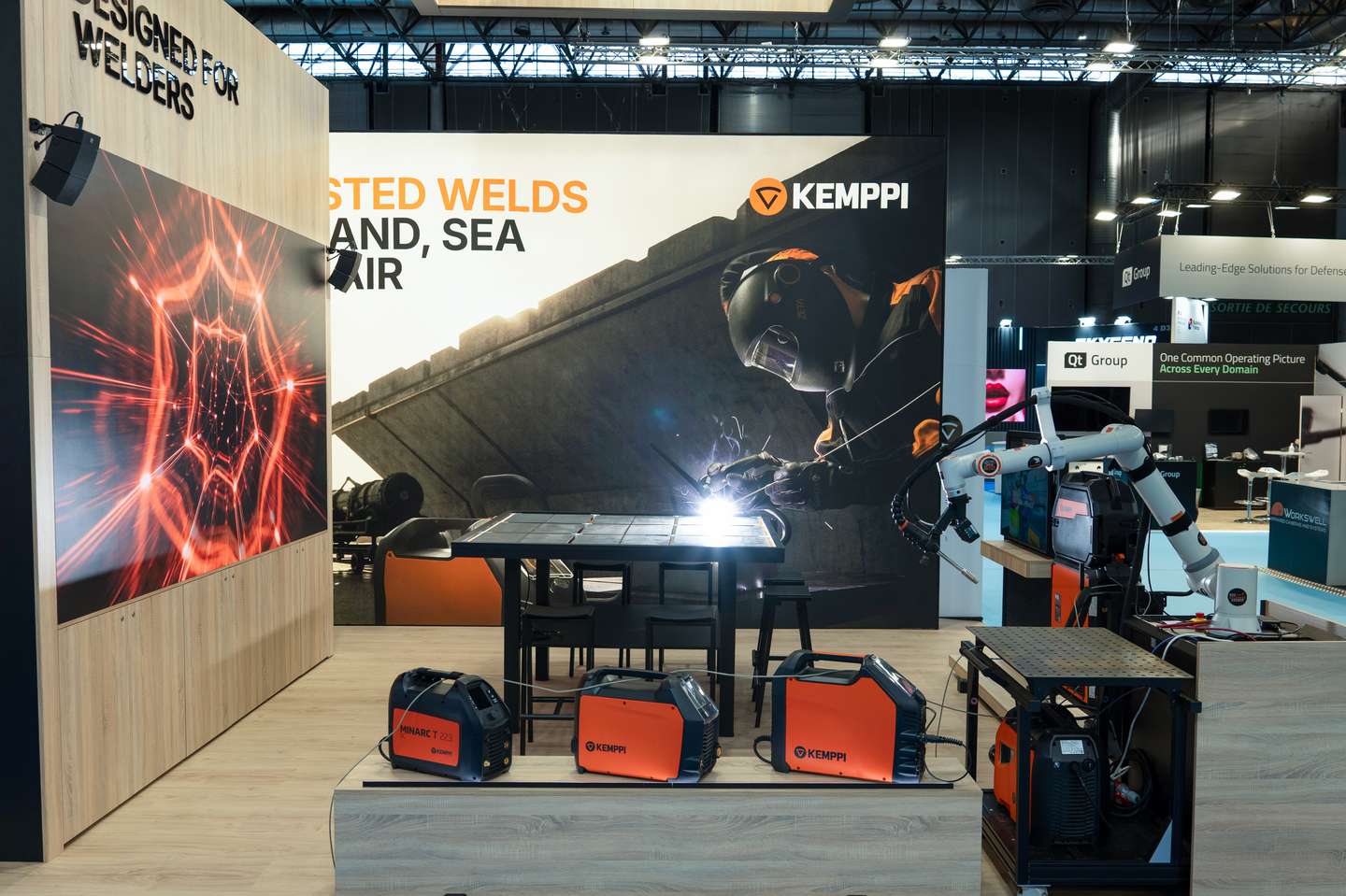
Eurosatory 2026 And the Future of Defence Manufacturing
Eurosatory 2026 highlighted a clear shift in modern defence manufacturing. While defence systems are becoming more digital, networked, and autonomous, their foundation remains physical. From armoured vehicles and artillery to industrial resilience, welding quality, steel structures, and production discipline remain paramount to defence readiness.
Digitalization, Innovation