Manual welding
How Kemppi Built a World-Record-Breaking Dive Site Using TIG Welding on Ice in Finland
29 April 2026
Behind this world record of 165 m under the ice lies high-precision TIG welding: the Minarc T enables precise assembly, precise control, and flawless finishes on stainless steel.
Varsha Saraogi
A world-record ice dive may be remembered for the athlete, the distance and the moment beneath the ice, but none of it happens in isolation.
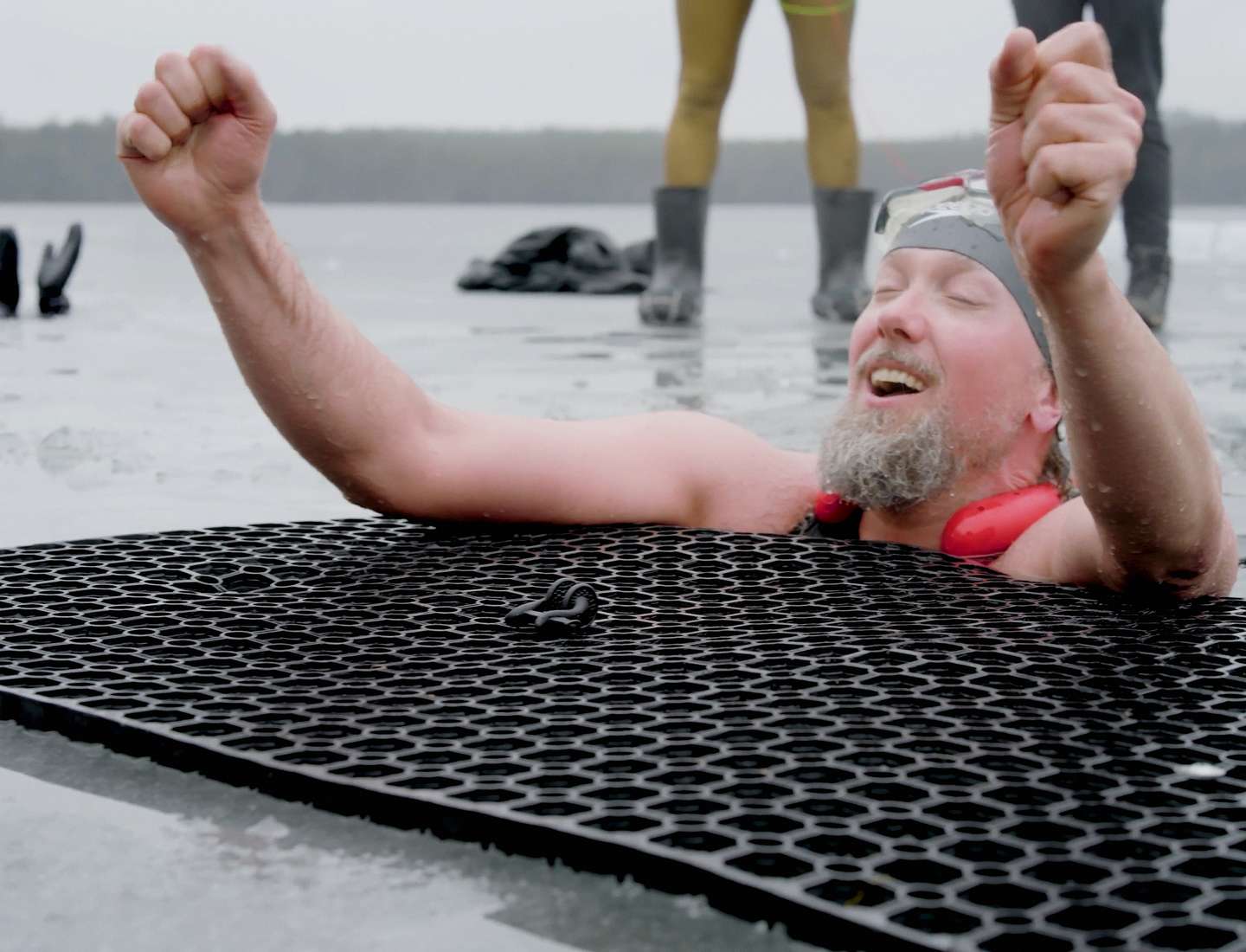
At Ice Challenge Finland 2026, sponsored by Kemppi, Finnish freediver Olavi Paananen reportedly extended his own under-ice world-record achievement to around 165 metres, raising the bar again after his officially published 107.08 m Guinness World Record in 2025. Yet before a record can be broken, the site itself has to be built to work flawlessly in one of the most unforgiving environments imaginable: on open ice, in freezing conditions, with structures that need to fit exactly where they will be used.
That made welding an essential part of the story.
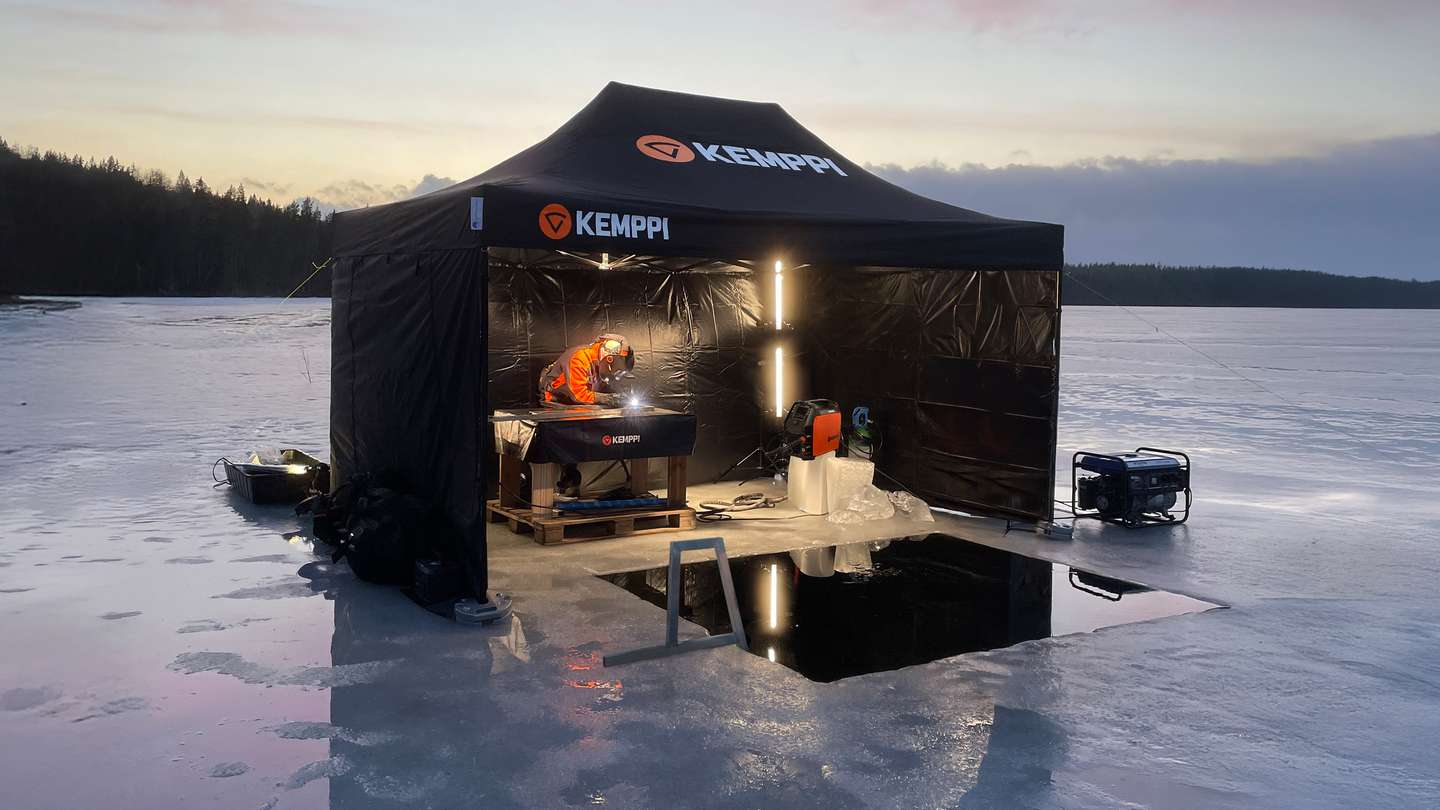
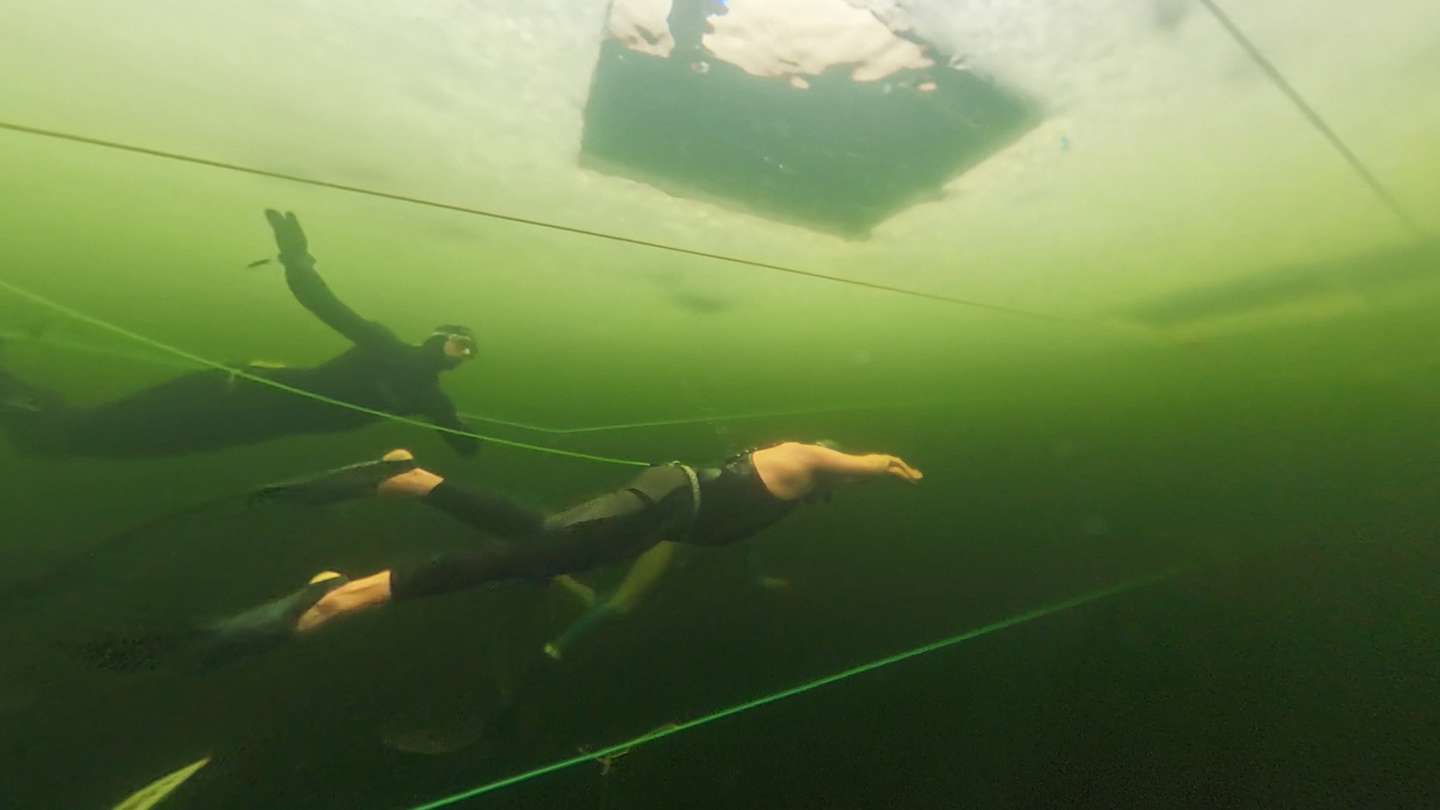
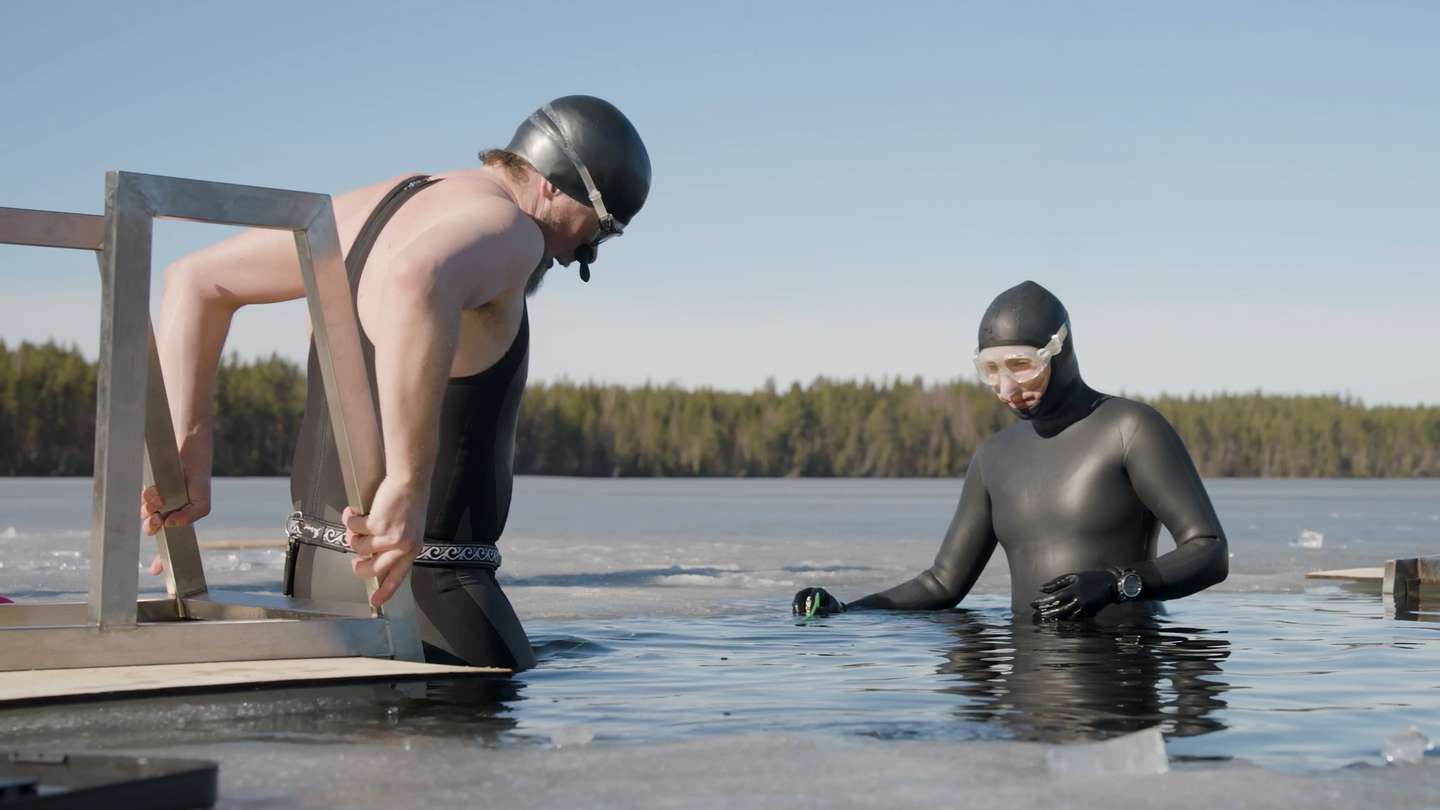
The ladders for the diving place were welded from stainless steel directly on the ice near the opening so that parts hefted during the construction phase could be fitted into their final position on site. Doing so made it possible to ensure the stands were exactly right for the location and that the finished parts functioned as intended in the real conditions of the dive setup.
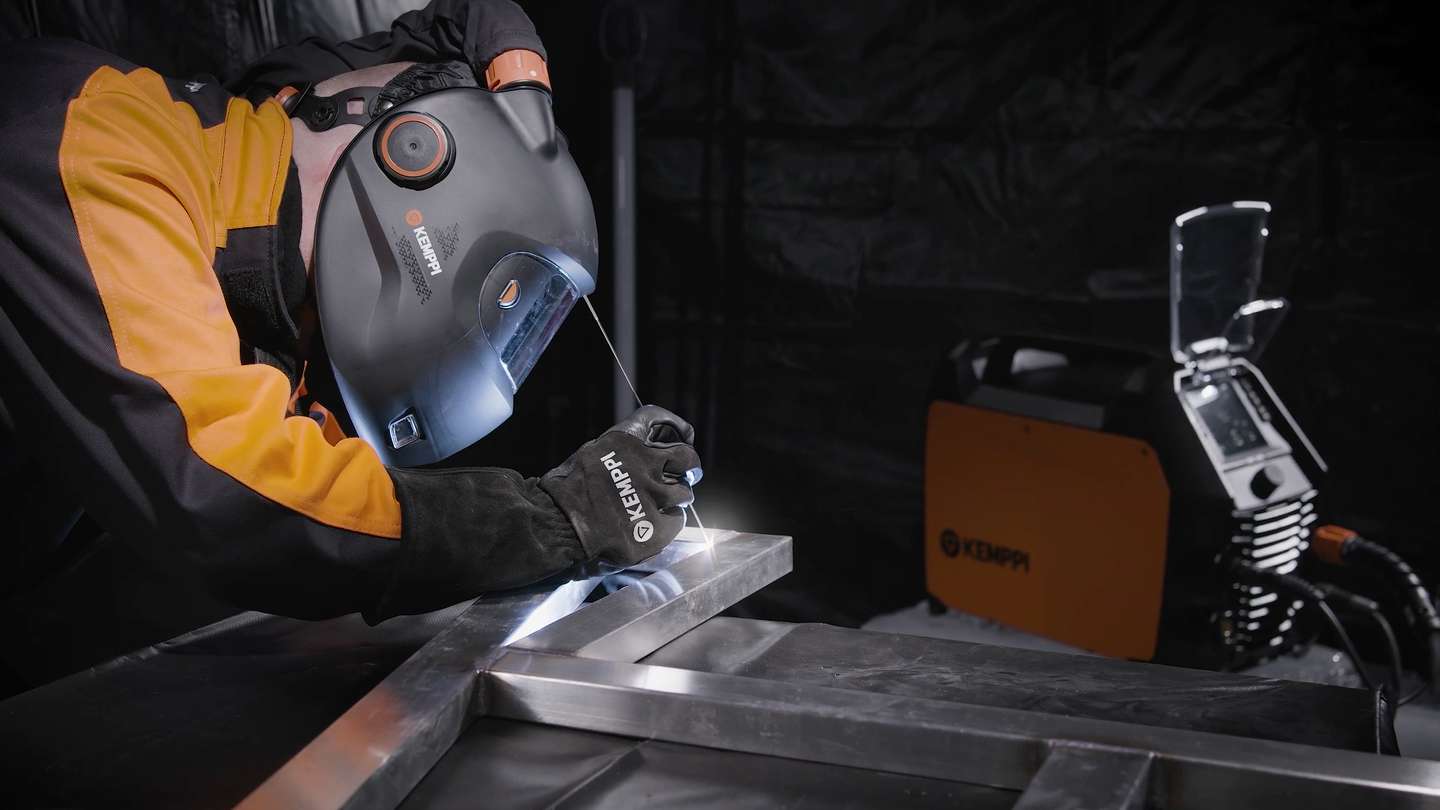
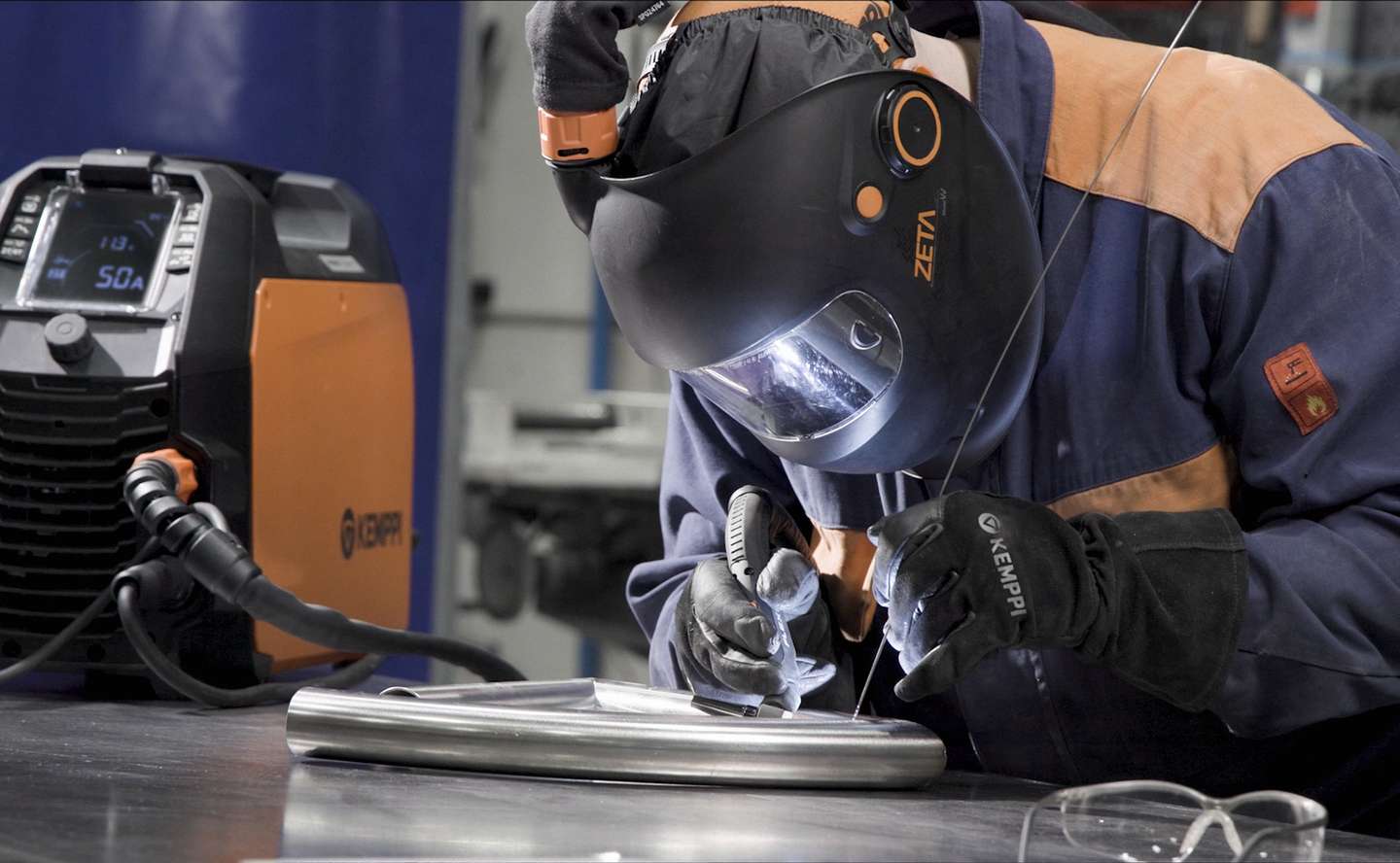
With thin RHS stainless profile, TIG was the natural choice. It offered the level of control needed for thin material, where melt management and heat input can quickly affect the result. And with no electricity available on site, the work was carried out with a generator-powered Minarc T 223 ACDC GM, designed for portable, professional use, with pulse control for thin materials and MAX WeldClean for electrolytic weld cleaning in the same workflow.
Using the machine’s pulse feature, our welder could reduce the effect of heat input on the stainless material and achieve easier melt control, which is particularly useful on thinner sections. Welding currents were approximately 60–85 A. After welding, the seams were cleaned using MAX WeldClean at around 30–35 A, with the brush head attached to the TIG torch and used together with a 10–60% phosphoric acid cleaning fluid, followed by water for neutralization. This allowed the welds to be cleaned and the finished parts to be fitted directly into the opening to verify their functionality immediately on site.
While the record attempt captured the attention, the work around it told another story too: one of careful preparation, field-ready equipment, and welding that had to deliver precision in one of the least forgiving jobsite environments imaginable.

Varsha Saraogi
Varsha Saraogi
Hails from a background in journalism and editorial strategy and brings an international B2B perspective to content and communications at Kemppi. Passionate about creating stories that connect welding technology with the people and industries it serves, combining technical substance with a clear and engaging voice. Work has been published in specialist titles such as Airport Technology, Railway Technology, Ship Technology, FinTech Global, and RegTech Analyst, reflecting experience across a wide range of industrial and business sectors.
Related products
Product family
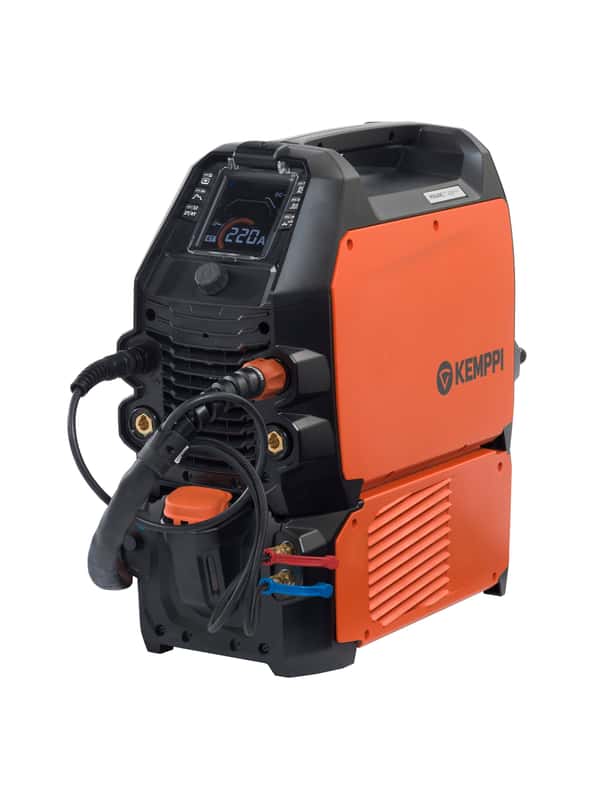
Minarc T ACDC is a portable multi-voltage welding machine that allows you to perform high-quality AC/DC TIG welding and professional weld cleaning with one machine.
More blog posts
Kemppi Minarc T 223 ACDC: A professional welder's hands-on test
When it comes to welding equipment, real-world performance matters. Three professional welders put the Kemppi Minarc T 223 ACDC to the test.
Manual welding, People
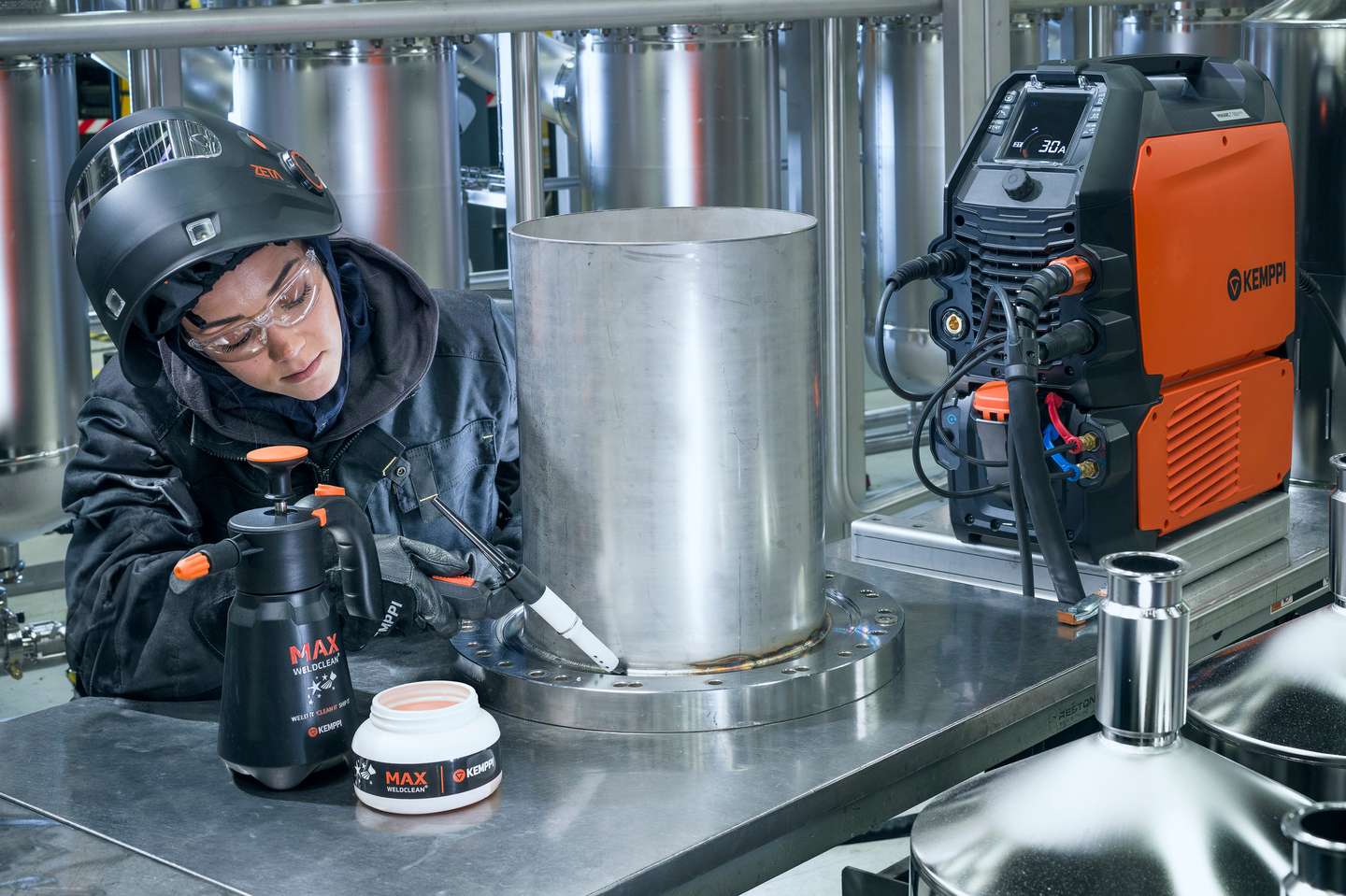
Making weld cleaning easy and cost-efficient
Welding is all around us. It binds together the metals to build structures essential to our everyday lives. However, beyond the visible sparks and strong connections, there's an aspect often underestimated: weld cleaning. Especially with stainless steels, proper weld cleaning not only improves the aesthetic appearance of the weld but also ensures its strength, durability, and overall quality.
Innovation
Kemppi Minarc T 223 ACDC: A professional welder's hands-on test
When it comes to welding equipment, real-world performance matters. Three professional welders put the Kemppi Minarc T 223 ACDC to the test.
Manual welding, People
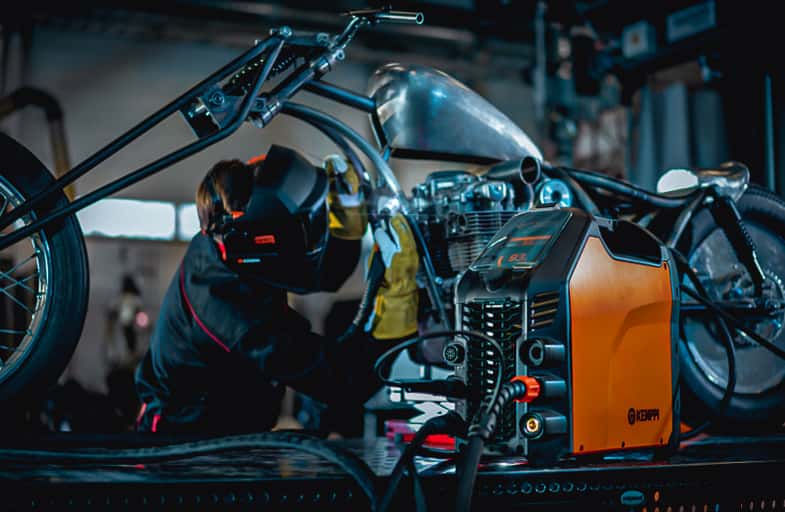
How Rapid Welding and Kemppi Built a Partnership That Lasts
Rapid Welding has worked with Kemppi since the company opened in 1990. Co-founder and Managing Director Roy Edwards highlighted the principles behind that 36-year partnership, from choosing the right welding solution and supporting equipment throughout its life to addressing the skills shortage and finding the right place for automation and laser welding.
Welding automation, Manual welding, Welding ABC
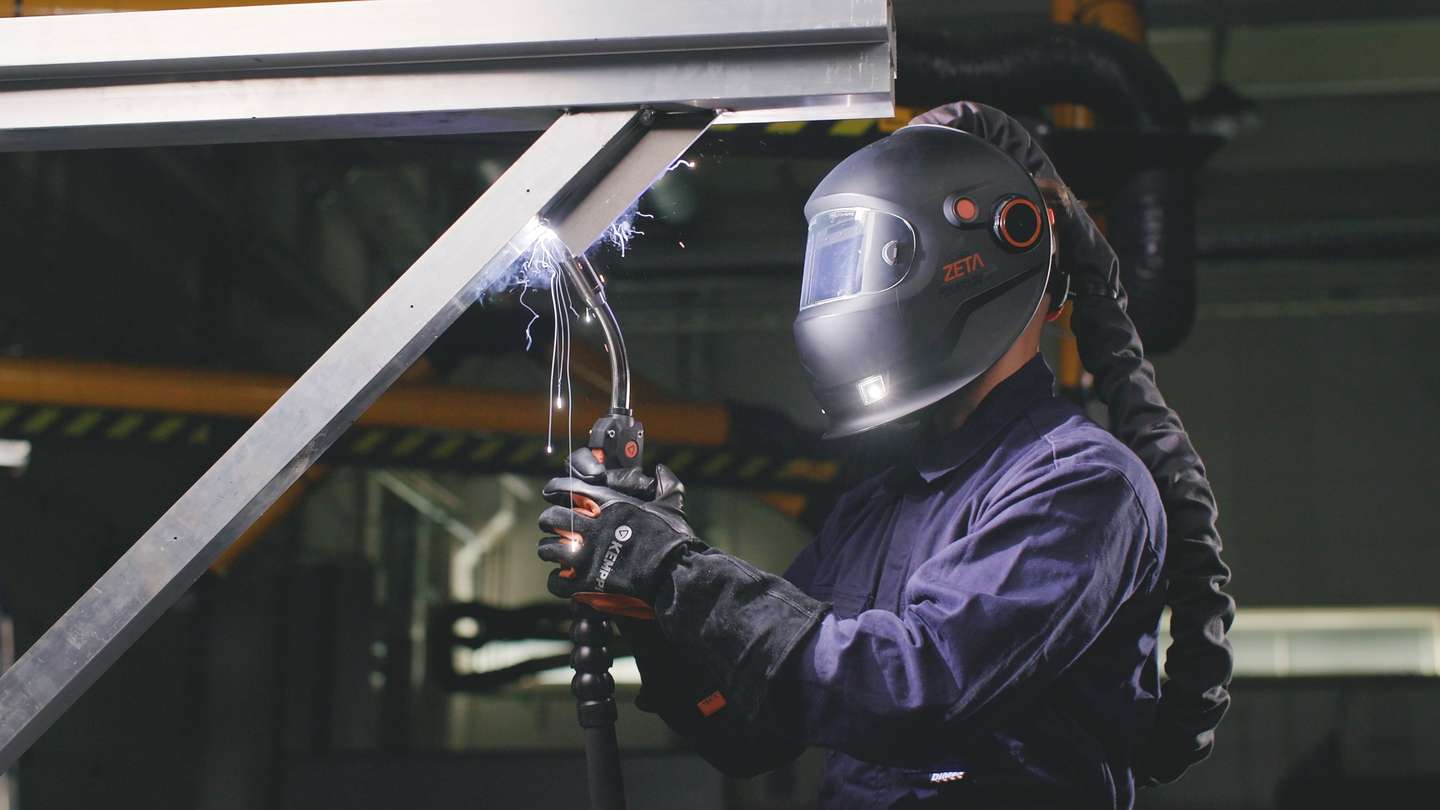
Safety that keeps up with welders' challenges and changing risks
Welding safety has become increasingly demanding. The hazards at the arc remain constant, but modern working conditions mean exposure can accumulate over longer shifts and in tighter indoor spaces. As a result, welding PPE needs to be treated as both protection for the welder and proof of compliance. At Kemppi, welding safety PPE is designed and validated in practice through clear requirements, welder-led feedback, and verified compliance with EU PPE Regulation 2016/425, CE marking processes, and relevant EN standards.
Safety, Welding ABC
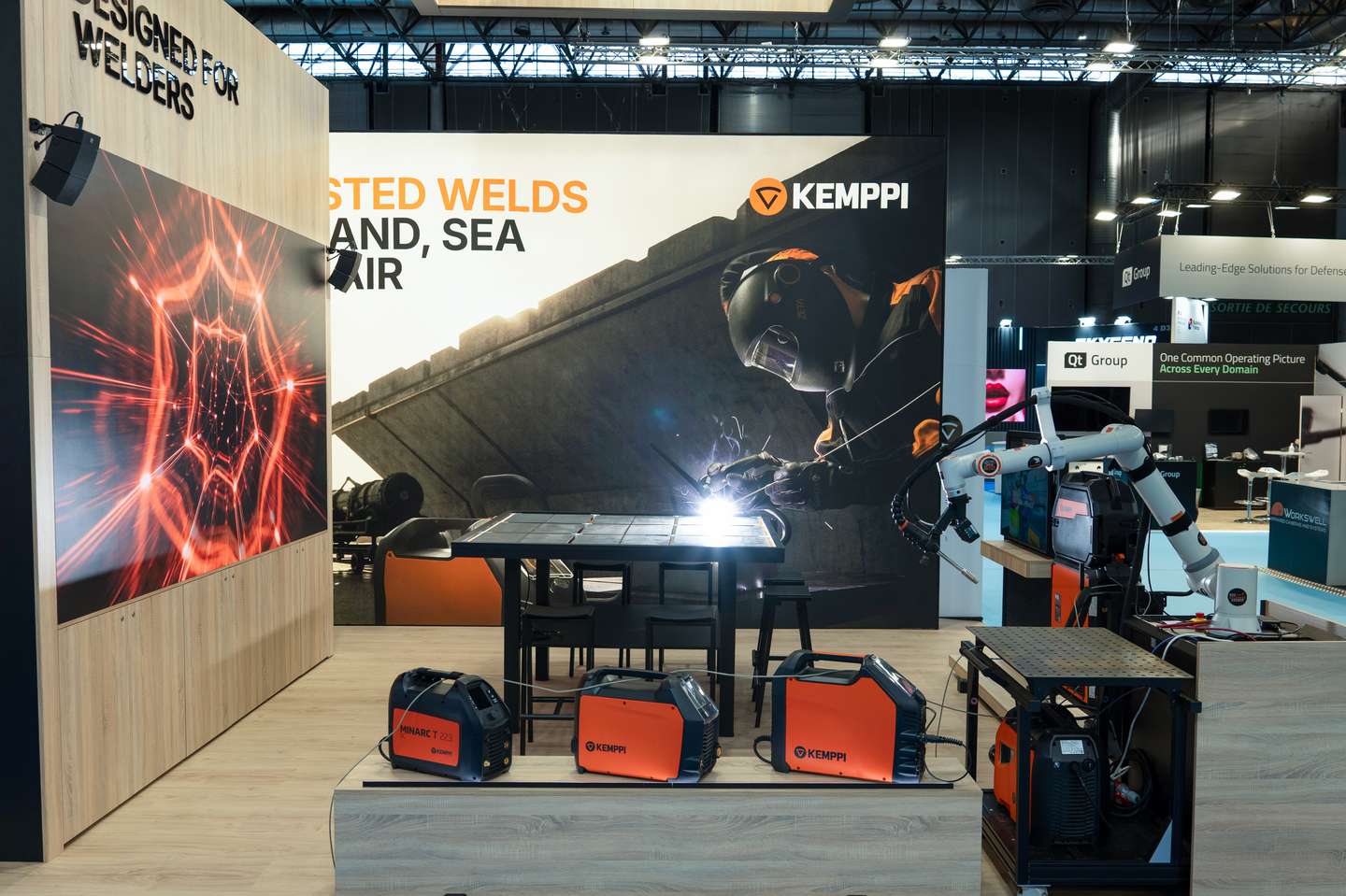
Eurosatory 2026 And the Future of Defence Manufacturing
Eurosatory 2026 highlighted a clear shift in modern defence manufacturing. While defence systems are becoming more digital, networked, and autonomous, their foundation remains physical. From armoured vehicles and artillery to industrial resilience, welding quality, steel structures, and production discipline remain paramount to defence readiness.
Digitalization, Innovation