RMC
Building Naval Vessels with Repeatable Welding Quality at Rauma Shipyard
RMC is building four Pohjanmaa-class multi-purpose corvettes for the Finnish Navy. To support these demands, the shipyard combines mechanised production, robotic welding solutions such as the Kemppi AX welding cell, and manual welding using systems like the Kemppi X5.
At Rauma Marine Constructions (RMC), welding directly impacts structural integrity, repeatability, workflow efficiency, and the long-term performance of naval vessels designed to operate in some of the harshest Baltic Sea conditions.
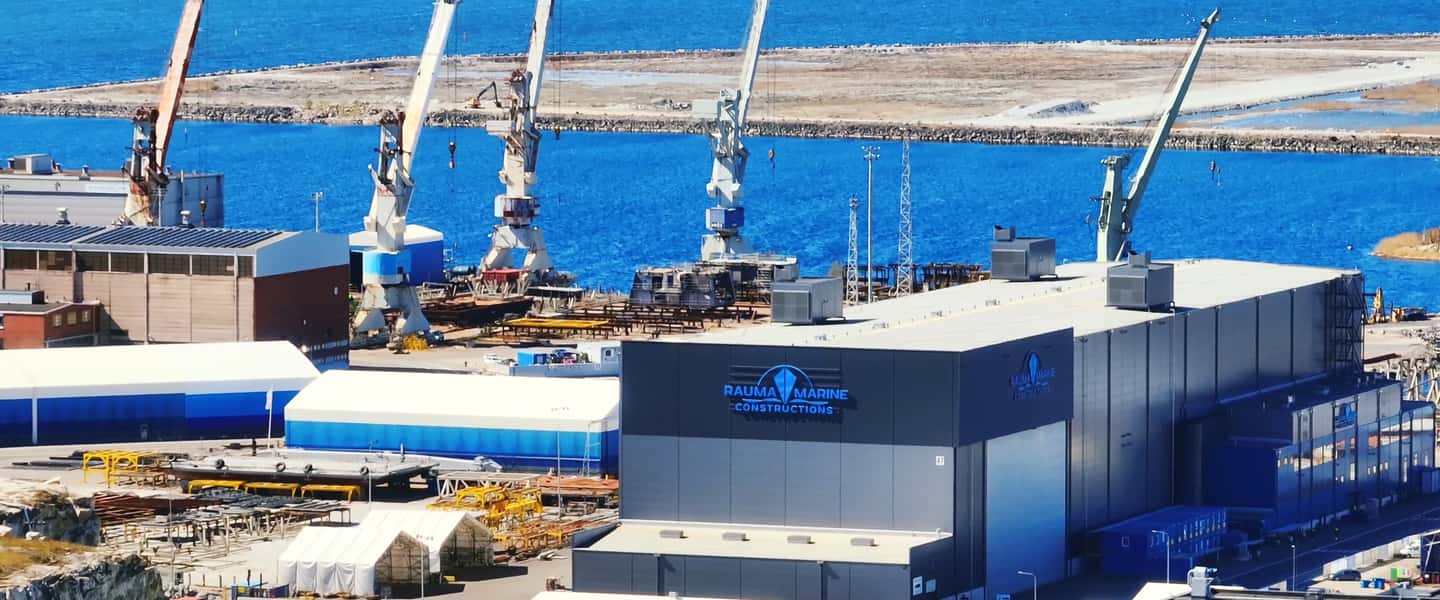
As part of Finland’s Squadron 2020 programme, RMC is building four Pohjanmaa-class multi-purpose corvettes for the Finnish Navy. All four vessels are now simultaneously under construction at the Rauma shipyard, a major milestone for one of the most advanced naval projects currently underway in Northern Europe.
The Pohjanmaa-class corvettes are designed for year-round operation in all Baltic Sea conditions, including ice operations. These vessels, approximately 117 metres long, are built for demanding multi-role naval operations, and form part of a programme with a direct employment impact of approximately 3,600 person-years in Finland.
To support these demands, the shipyard combines mechanised production, robotic welding solutions such as the Kemppi AX welding cell, and manual welding using systems like the Kemppi X5.
Industrialised Welding
According to Ari Ahto from Rauma Shipyard, maintaining consistency across multiple vessels under simultaneous production requires highly standardised processes from the earliest stages of hull construction.
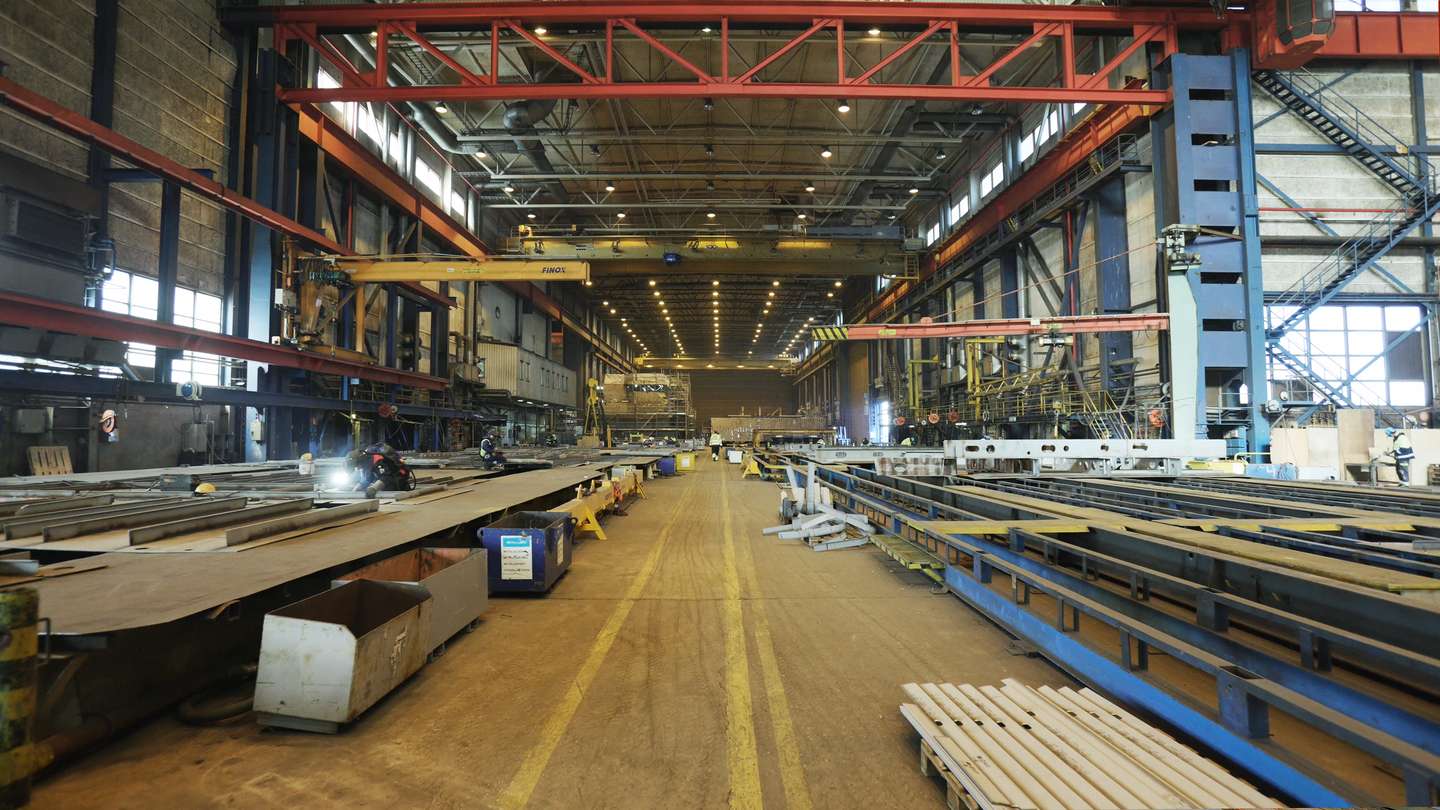
“Flat block production is highly mechanised, which helps ensure repeatability,” says Ari.
The same subcontractors are used throughout block production and hull assembly across all vessels, helping maintain a consistent construction approach while ensuring welding procedures are continuously monitored.
This aligns closely with RMC’s wider industrialisation strategy. As RMC CEO Mika Nieminen said in a previous statement, the shipyard has “industrialised procedures and construction processes” to meet the requirements of increasingly demanding projects.
Managing Quality in Naval Structures
Naval shipbuilding combines high-strength steels, varying material thicknesses, and complex geometries, all of which place significant demands on welding quality and process control.
For Rauma Shipyard, maintaining consistency starts with close supervision and parameter monitoring throughout production. “A strong focus has been placed on supervision and parameter monitoring. For high-strength steels, NDT inspections have been doubled,” explains Ari.
The growing use of stronger steels is increasing quality requirements not only in naval projects but across shipbuilding more broadly.
According to Ari, “Customers are paying more attention to welding quality, and the industry is moving toward the use of stronger steels even in traditional vessels.”
Controlling Accuracy Across Large Hull Sections
In large hull assemblies, dimensional accuracy between blocks becomes one of the most critical factors affecting downstream welding and assembly. As a result, additional intermediate-stage measurements have been introduced throughout production to detect deviations as early as possible.
“The biggest risks relate to dimensional accuracy between blocks. Intermediate-stage measurements have been significantly increased so that deviations can be identified as early as possible,” says Ari.
This becomes increasingly important as production scales up. The first Pohjanmaa-class corvette was launched in May 2025, while the remaining vessels continue simultaneously through hull assembly and outfitting phases.
Where Robotic Welding Adds Value
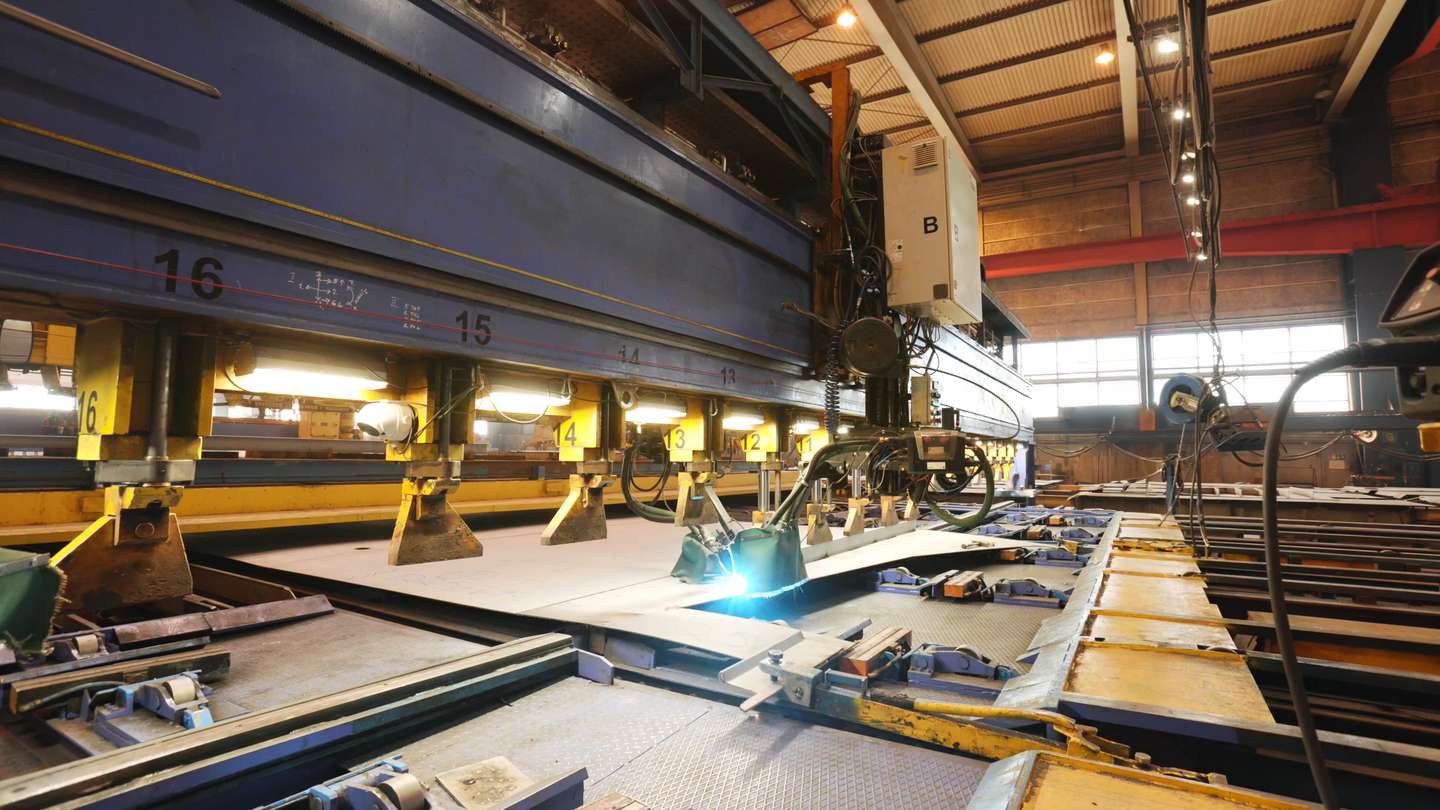
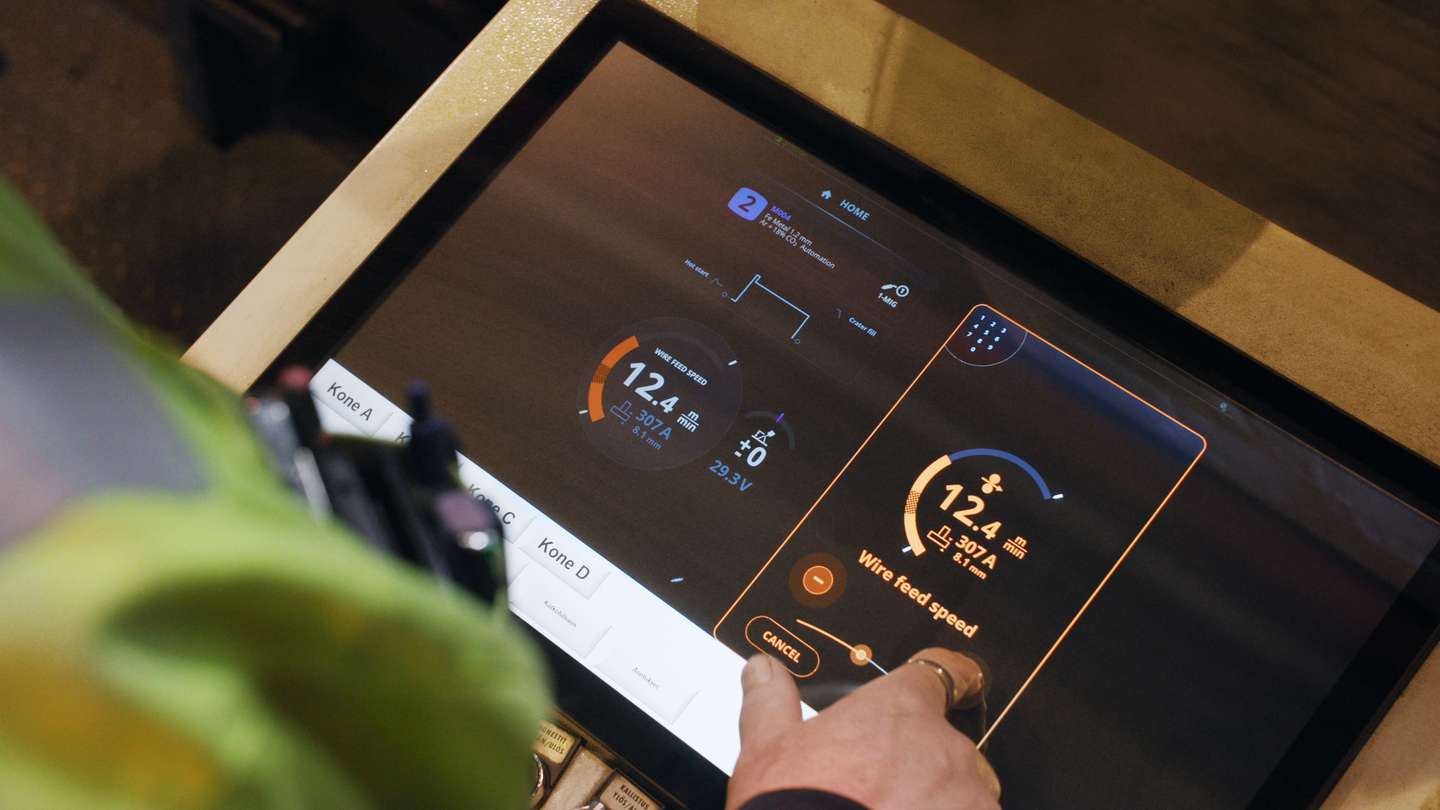
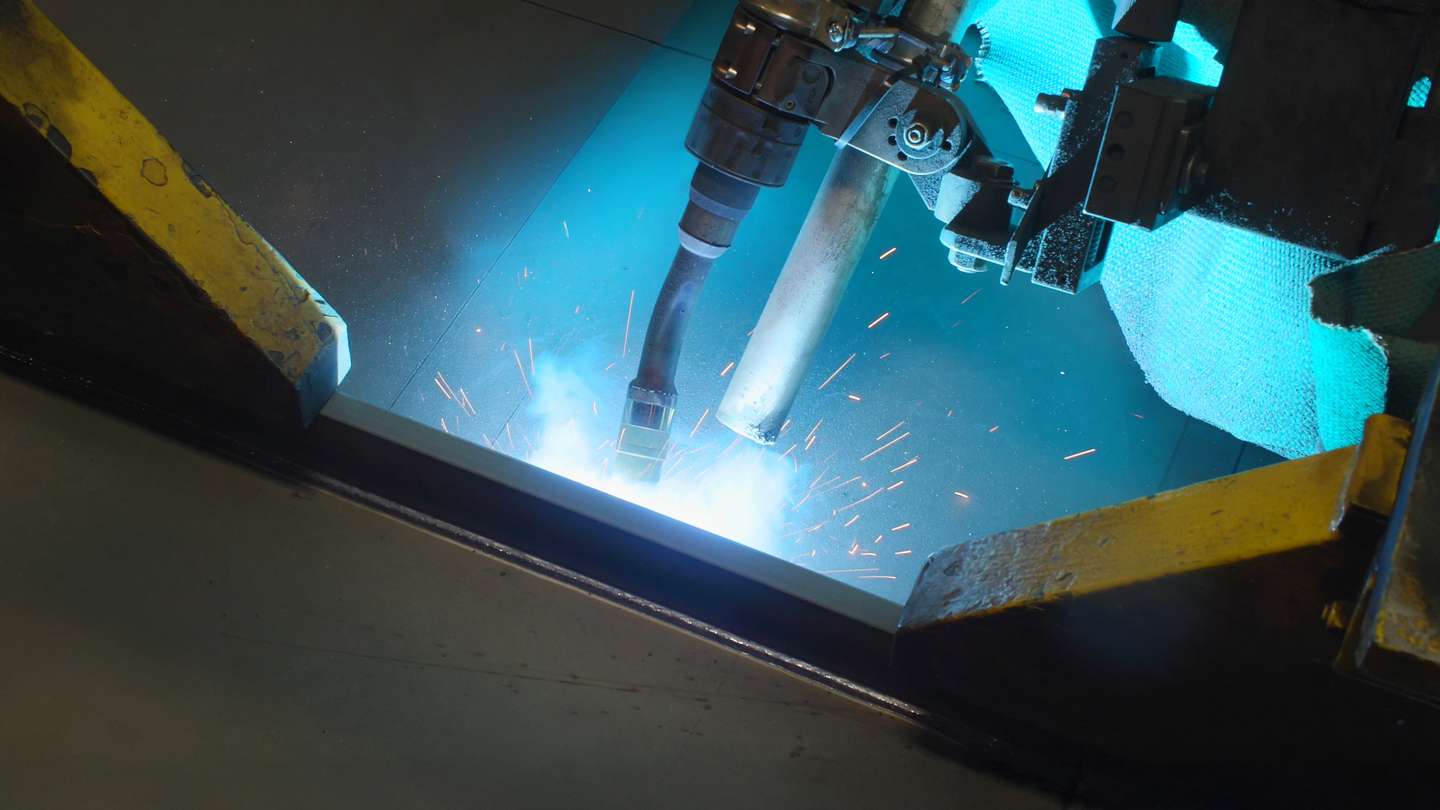
“Long, repetitive welds benefit the most from robotic welding,” says Ari. “Applications like these are well suited for automated welding solutions such as the Kemppi AX welding cell, where repeatability and stable production performance are essential.”
From Rauma’s experience, the AX system has delivered strong consistency in continuous production environments. “Quality has remained consistent and production interruptions have been minimal.”
Ari also highlights that automated welding provides significant advantages over manual welding in suitable applications. “In automated welding, productivity is at least twice as high compared to manual welding. Quality is easier to control and repeatability is strong.”
When integrating the AX welding cell into production, the most important priorities were parameter definition and workflow alignment.
Why Manual Welding Remains Essential
While the automated beam production uses four Kemppi AX MIG Welders capable of simultaneous high-duty-cycle welding to support continuous production, other stages continue relying on Kemppi X5 FastMig welding machines for manual welding.
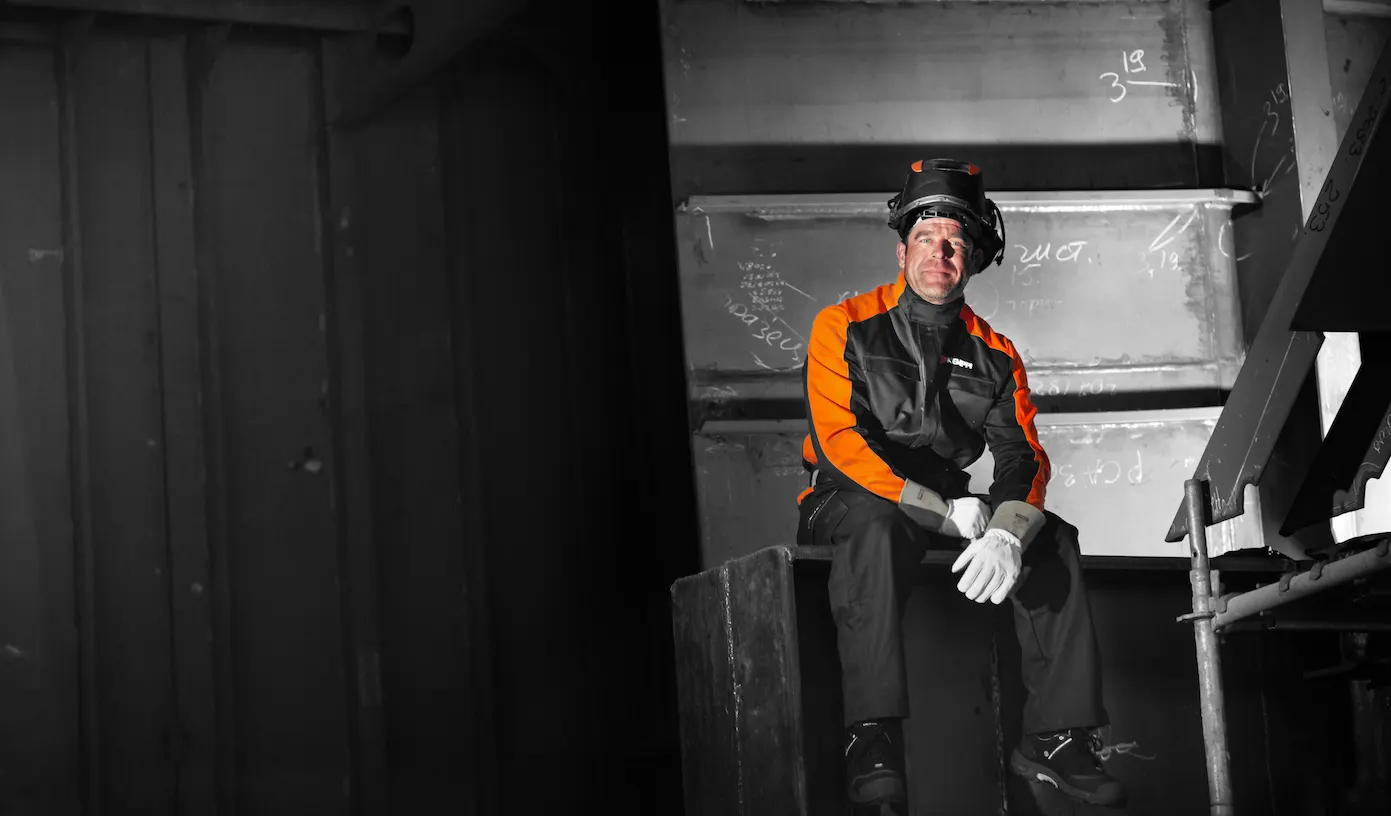
The reason manual welding remains critical in naval shipbuilding is due to production inside confined spaces. “The confined spaces found especially in naval vessels still require manual welding,” explains Ari.
In many cases, mechanised equipment cannot physically be brought into these areas. Even when possible, the usable area may be too limited to make automation economically viable.
According to Ari, one of the key advantages of systems like the Kemppi X5 is how the equipment supports the welder through controllable and easy parameter management. “The system supports the welder almost automatically. Parameter management is highly controllable.”
Stored welding parameters also help maintain repeatability between shifts while accounting for variables such as material thickness, weld size, and filler wire diameter.
Supporting Welders Through Technology
“Equipment weight has been significantly reduced and machine sizes have become smaller. Improvements in welding torch ergonomics have also considerably reduced physical strain on welders,” according to Ari.
Modern welding equipment also increasingly assists welders directly during operation through built-in parameter recommendations and automatic adjustments.
“Modern equipment contains a large amount of pre-stored data that the machine can recommend once variables are set. The equipment can also automatically compensate for changes such as arc length variation, helping ensure consistent quality.”
Shaping the Future
As naval shipbuilding becomes increasingly demanding, Rauma Shipyard sees the biggest opportunity in further improving process control.
With all four Pohjanmaa-class corvettes now under simultaneous construction and additional large-scale projects underway at the Rauma shipyard, welding technology continues to play a critical role in supporting repeatability, quality, and production efficiency in modern naval shipbuilding.
Easy parameter adjustment is especially important as material thicknesses and welding applications vary significantly throughout production. “Material thicknesses vary considerably in shipbuilding, so operators need to be able to adjust parameters easily while maintaining consistent quality,” Ari says.
Featured products
Product family
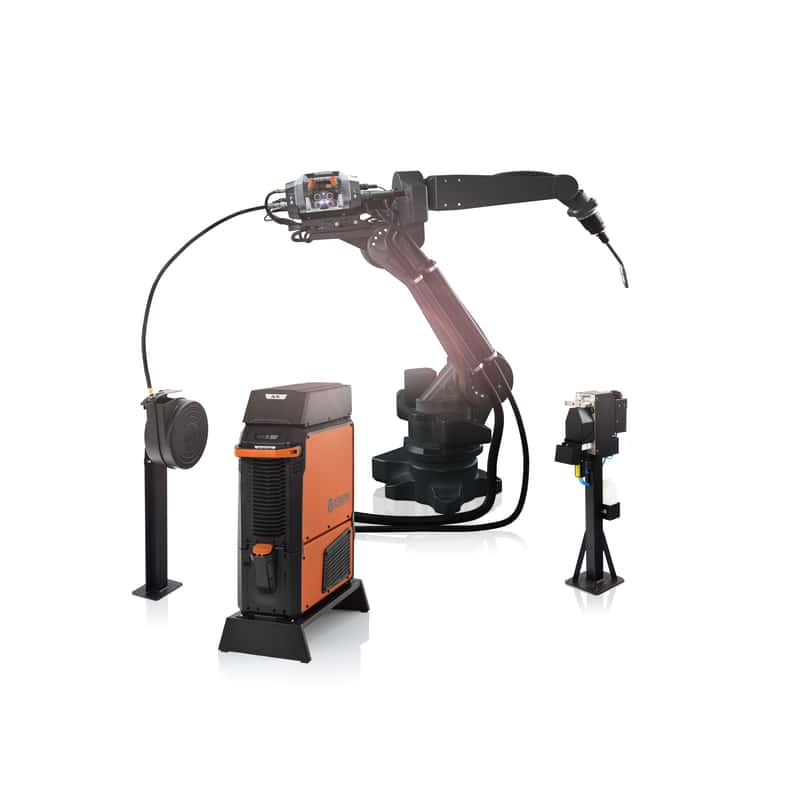
The Kemppi AX MIG Welder brings powerful performance and maximum productivity potential to your robotic welding system. Enjoy easy integration and ensure repeatable, high-quality welds with high-performance arc welding applications.
Product family
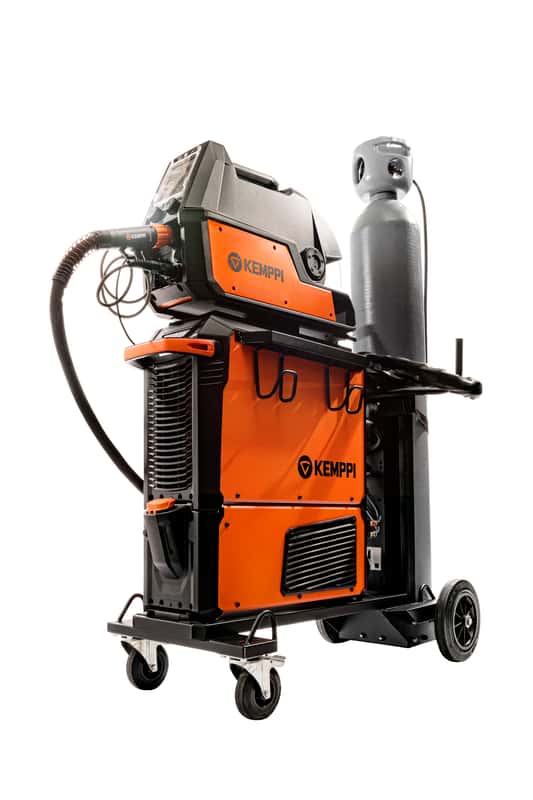
The 360-degree modular multi-process welder primarily focuses on high-performance MIG/MAG welding. X5 FastMig offers setup options for manual, synergic, and pulse welding. A wide range of accessories brings flexibility and efficiency to welding production processes.