ABC della saldatura
What is pulsed MIG welding, and for what you can use it?
26 febbraio 2024
Pulsed MIG/MAG welding is a significant improvement in welding technology, offering accuracy, productivity, and flexibility that conventional welding methods can hardly compete with. This advanced process has become popular for professionals looking to improve weld quality, especially in demanding applications. Here's a closer look at how pulsed MIG/MAG welding works and the situations where it truly shines.
Susanna Norja
Argomenti:
Understanding pulsed MIG/MAG welding
Pulsed MIG/MAG welding is an advanced variant of MIG (Metal Inert Gas) or MAG (Metal Active Gas) welding that changes the welding current at set intervals, producing a series of high-peak currents mixed with lower background currents. This controlled pulsing action allows transferring single droplets of molten metal from the electrode to the weld pool during the high-peak phase while maintaining the arc and minimizing heat input during the lower background phase. Later in this article, we will only use the term MIG welding, but we will refer to both MIG and MAG welding.
How pulsed MIG welding works
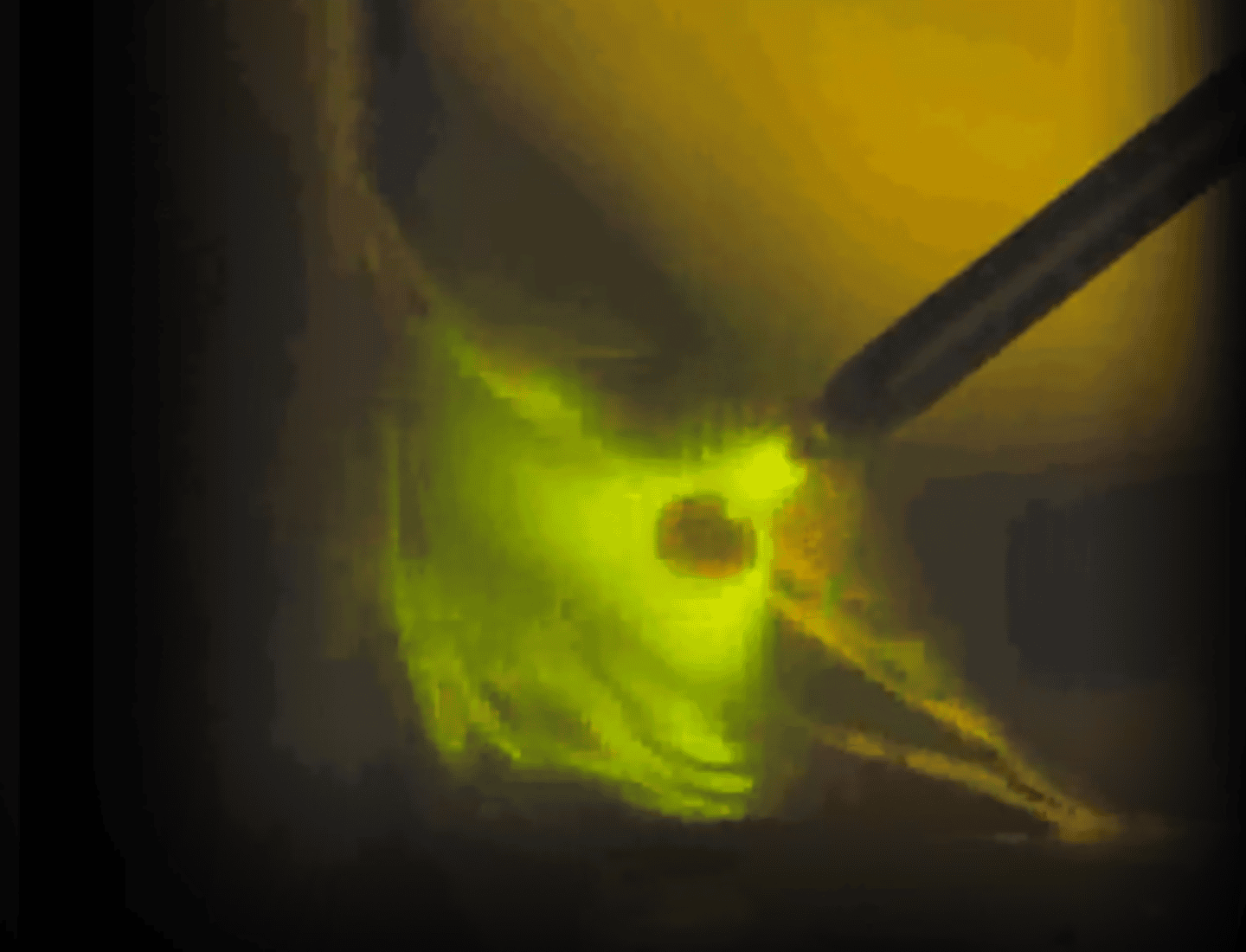
The output current alternates between high and low values for each pulse. This alternating current creates an arc that switches between hot and warm phases during welding. The high current melts the filler wire into the weld pool. The low current phase is where the magic happens. It prevents burn-through and deformation by minimizing heat input. Imagine it as a dance: hot steps for penetration, followed by gentle steps to avoid overheating.
Advantages of pulsed MIG welding
Say goodbye to post-weld cleanup nightmares. Pulsed MIG welding gives welders greater control over the weld bead profile, penetration, and overall aesthetics. It is ideal for welding, where managing the weld pool and heat input is critical.
This method significantly reduces spatter and allows welding at lower overall heat inputs. The result is a cleaner weld area and minimized risk of welding deformation and distortion, which is particularly beneficial for thin and heat-sensitive materials or complex shapes.
When do you need pulsed MIG welding
Welding thin materials
The pulsed MIG welding process is ideal for working with thin materials because of its low heat input characteristic, which reduces the risk of burn-through and distortion. However, various short arc welding processes are often the best option for welding very thin steels.
Welding Aluminum and Stainless Steel
This is why it's also an excellent welding method for Aluminum and Stainless Steel. You can prevent issues like cracking or distortion by having precise control and lower heat input.
When you need high aesthetic results
When the application requires high aesthetic standards, pulsed MIG welding can produce clean, visually appealing beads with minimal cleanup required.
When you want to improve throughput time
The reduction in spatter improves the weld's quality and decreases post-weld cleanup time, enhancing overall productivity.
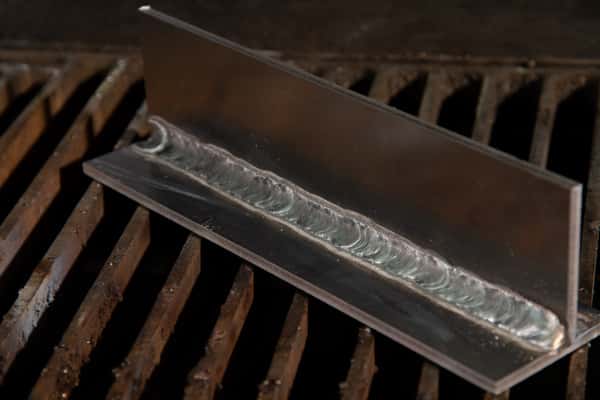
AlMg5-4mm-AlMg5-1.2mm-Argon
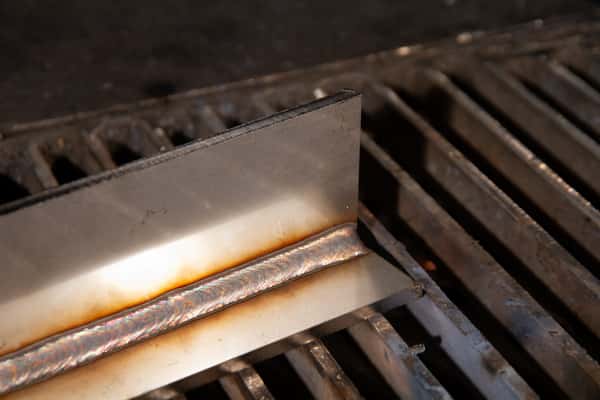
316RST-5mm-316LSi-1.0mm-Ar+2%co²
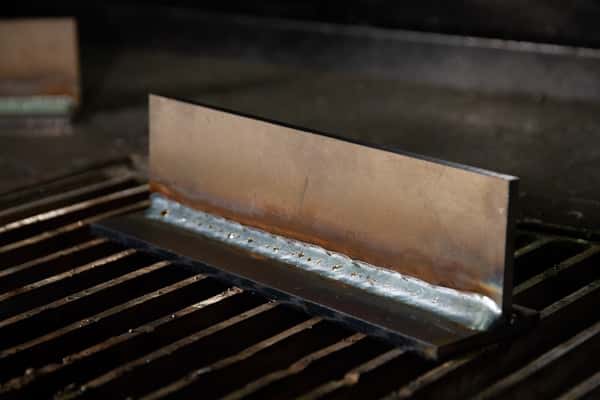
Fe-5mm-fe-1.0mm-Ar+18%co²
Conclusion
Pulsed MIG welding is an advanced technique that combines the advantages of standard MIG welding with better control over heat input and metal transfer. It can lower spatter, reduce distortion, and provide superior control, making it a valuable tool for any welder, especially for applications that need accuracy and skill. Pulsed MIG welding is a technique that can elevate the quality of your welding projects to new heights.
Discover Kemppi's handy single-phase pulse MIG welding machine >>> Master M 205

Susanna Norja
Susanna Norja
Editor-in-chief of the Kemppi blog, content producer, and Social Media Manager at Kemppi until March 2024.
Prodotti correlati
Famiglia di prodotti
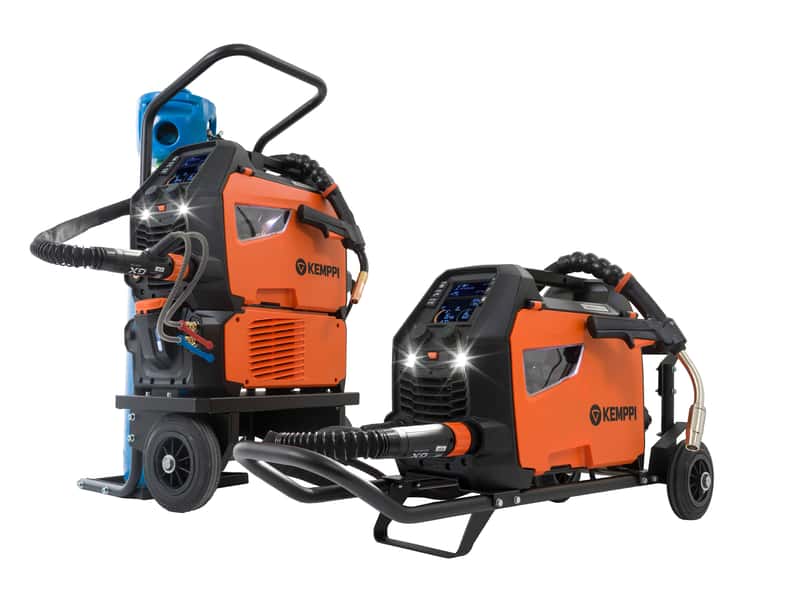
Master M 205 e Master M 323 stabiliscono nuovi standard di potenza e prestazioni in una saldatrice MIG portatile. Con un design compatto e leggero, facile da trasportare, scoprirai i vantaggi di una saldatrice MIG portatile che può essere spostata ovunque sia necessario.
Altri articoli del blog
Understanding and preventing common welding defects
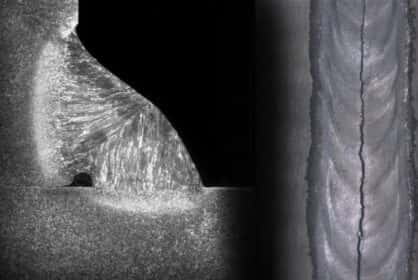
Welding demands precision, but even skilled welders can encounter defects. Understanding common welding issues is critical to ensure high-quality results. Here are some frequent welding defects and how to avoid them.
ABC della saldatura
Tipologie di arco nella saldatura MIG/MAG
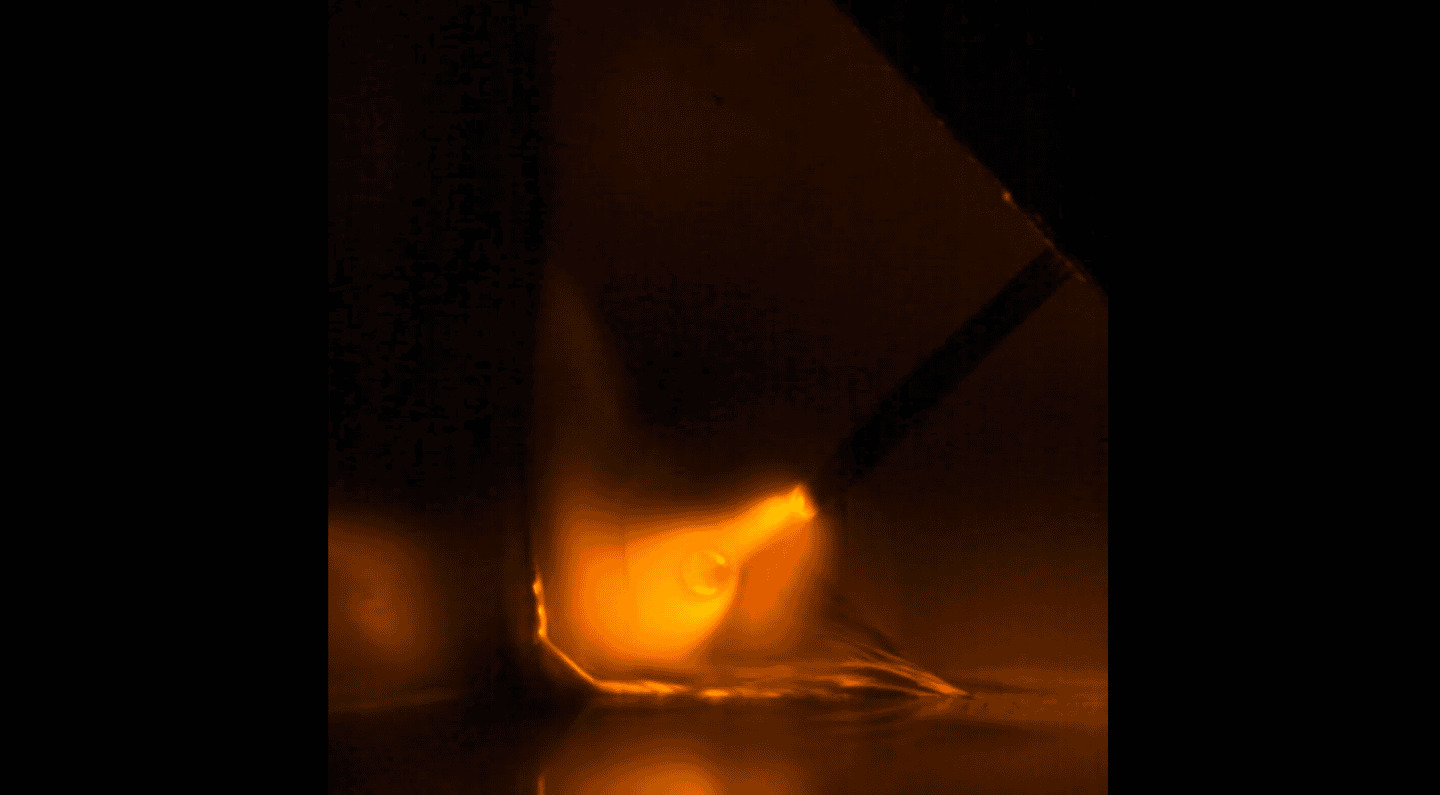
Nella saldatura MIG/MAG, la modalità di trasferimento del materiale tra il filo di apporto e il bagno di saldatura cambia in base alla corrente di saldatura.
ABC della saldatura
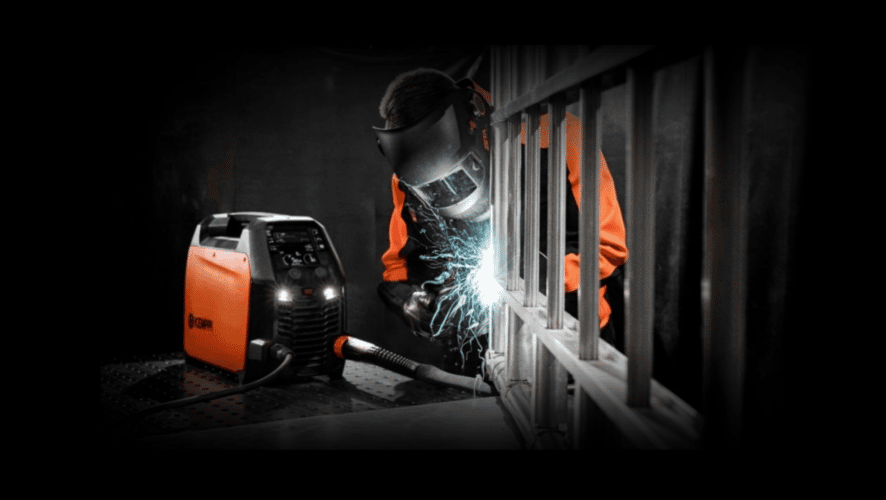
Saldatura pulsata di alta qualità con una saldatrice MIG/MAG monofase
La versatilità delle apparecchiature di saldatura portatili è stata tradizionalmente limitata dalla mancanza della saldatura MIG/MAG pulsata. Da sempre si è sostenuto che solamente con una potenza trifase sarebbe stato possibile ottenere una saldatura MIG/MAG a impulsi di alta qualità.
Saldatura manuale
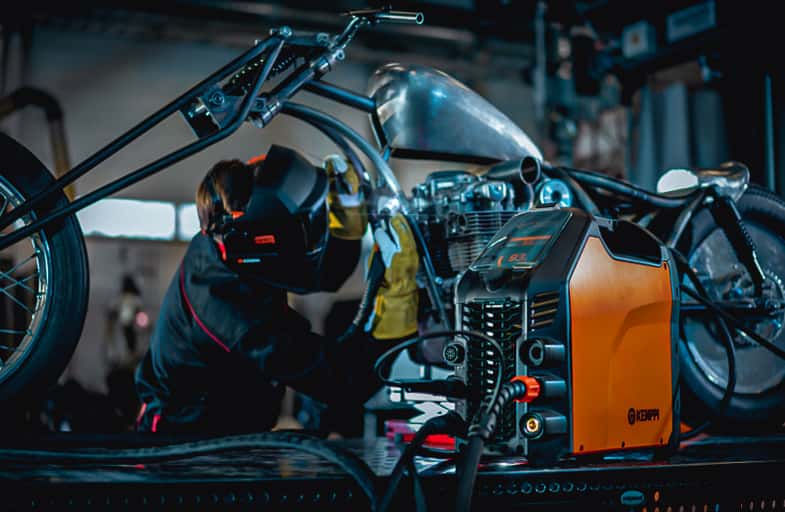
Come Rapid Welding e Kemppi hanno costruito una partnership che dura nel tempo
Rapid Welding collabora con Kemppi fin dalla propria fondazione, nel 1990. Roy Edwards, cofondatore e amministratore delegato, illustra i principi alla base di questa partnership lunga 36 anni: dalla scelta della soluzione di saldatura più adatta e dall'assistenza alle apparecchiature lungo tutto il loro ciclo di vita, fino alla carenza di competenze e alla ricerca del ruolo più appropriato per l'automazione e la saldatura laser.
Automazione della saldatura, Saldatura manuale, ABC della saldatura
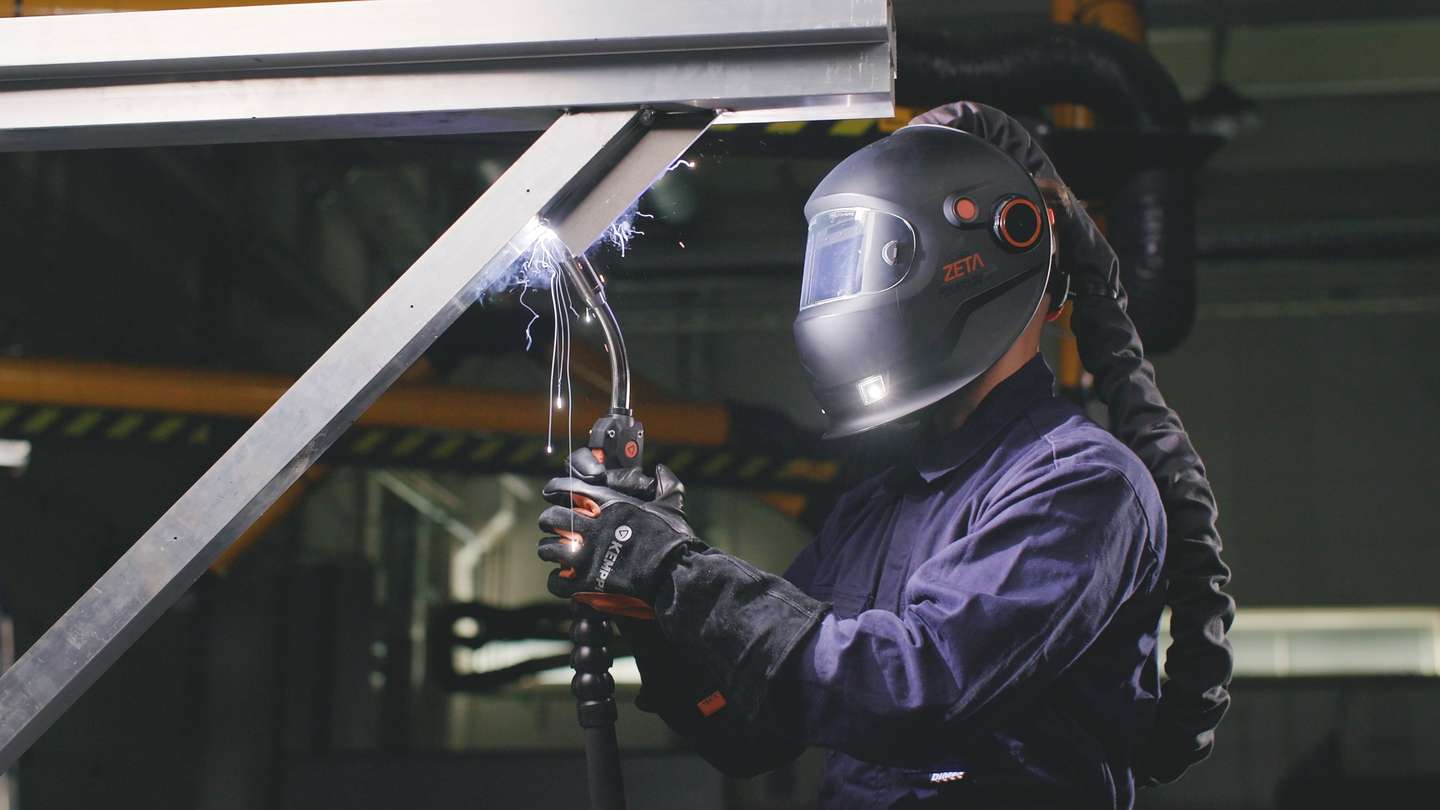
Safety that keeps up with welders' challenges and changing risks
Welding safety has become increasingly demanding. The hazards at the arc remain constant, but modern working conditions mean exposure can accumulate over longer shifts and in tighter indoor spaces. As a result, welding PPE needs to be treated as both protection for the welder and proof of compliance. At Kemppi, welding safety PPE is designed and validated in practice through clear requirements, welder-led feedback, and verified compliance with EU PPE Regulation 2016/425, CE marking processes, and relevant EN standards.
Sicurezza, ABC della saldatura
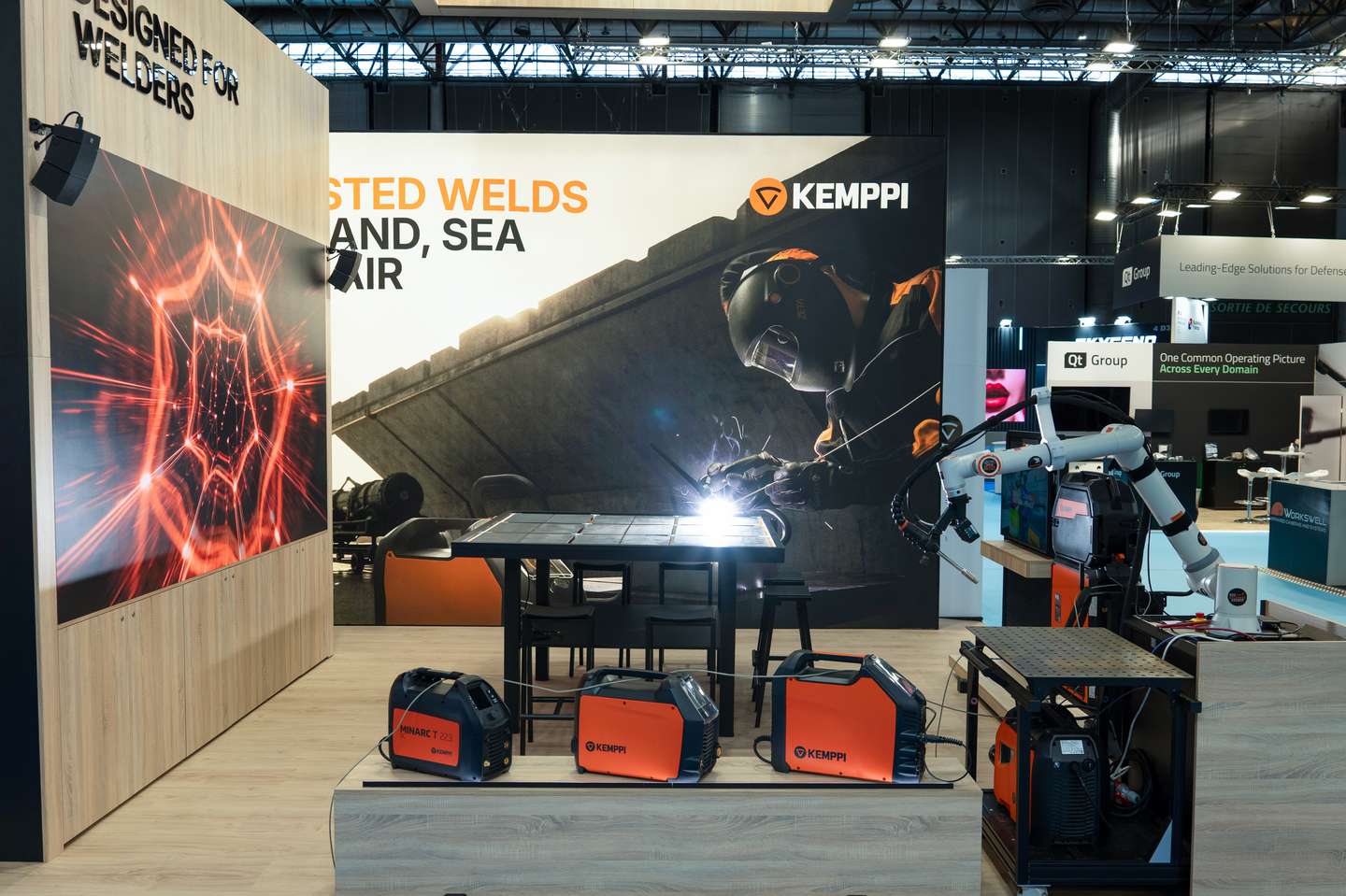
Eurosatory 2026 e il futuro dell'industria della difesa
Eurosatory 2026 ha messo in luce un netto cambiamento nel settore della produzione moderna nel campo della difesa. Sebbene i sistemi di difesa stiano diventando sempre più digitali, interconnessi ed autonomi, la loro base rimane fisica. Dai veicoli corazzati all’artiglieria, passando per la resilienza industriale, la qualità della saldatura, le strutture in acciaio e la disciplina produttiva rimangono fondamentali per la prontezza operativa nel settore della difesa.
Digitalizzazione, L'innovazione