How Kemppi Supports Defence Shipyard Welding from Steel to Aluminium
18. maj 2026
Varsha Saraogi
Demand for defence industry shipbuilding is developing rapidly. As naval development programmes expand across the Nordics and wider Europe, shipyards are facing growing pressure to increase productivity with strict quality, traceability and compliance requirements.
According to SIPRI, global military expenditure reached $2.44 trillion in 2023, with Europe seeing one of the sharpest rises in defence spending in decades. Modern naval vessels are becoming more complex, combining high-strength steels, marine aluminium, varying material thicknesses, and confined structures that place increasing demands on welding operations.
Welding quality directly affects structural integrity, distortion control, production timelines, and rework. Long seams, positional welds, changing environments, and large hull sections make repeatability increasingly important, especially when multiple vessels are simultaneously under construction.
For Nordic shipyards, the environment adds another layer of difficulty. Welding often takes place in sub-zero ambient temperatures, outdoor staging areas and confined compartments, with long cable runs and rapidly changing work locations. In some circumstances, welding power systems may also need to operate using electrical power generators during temporary infrastructure setups, dockside repairs, or situations where stable grid power is unavailable.
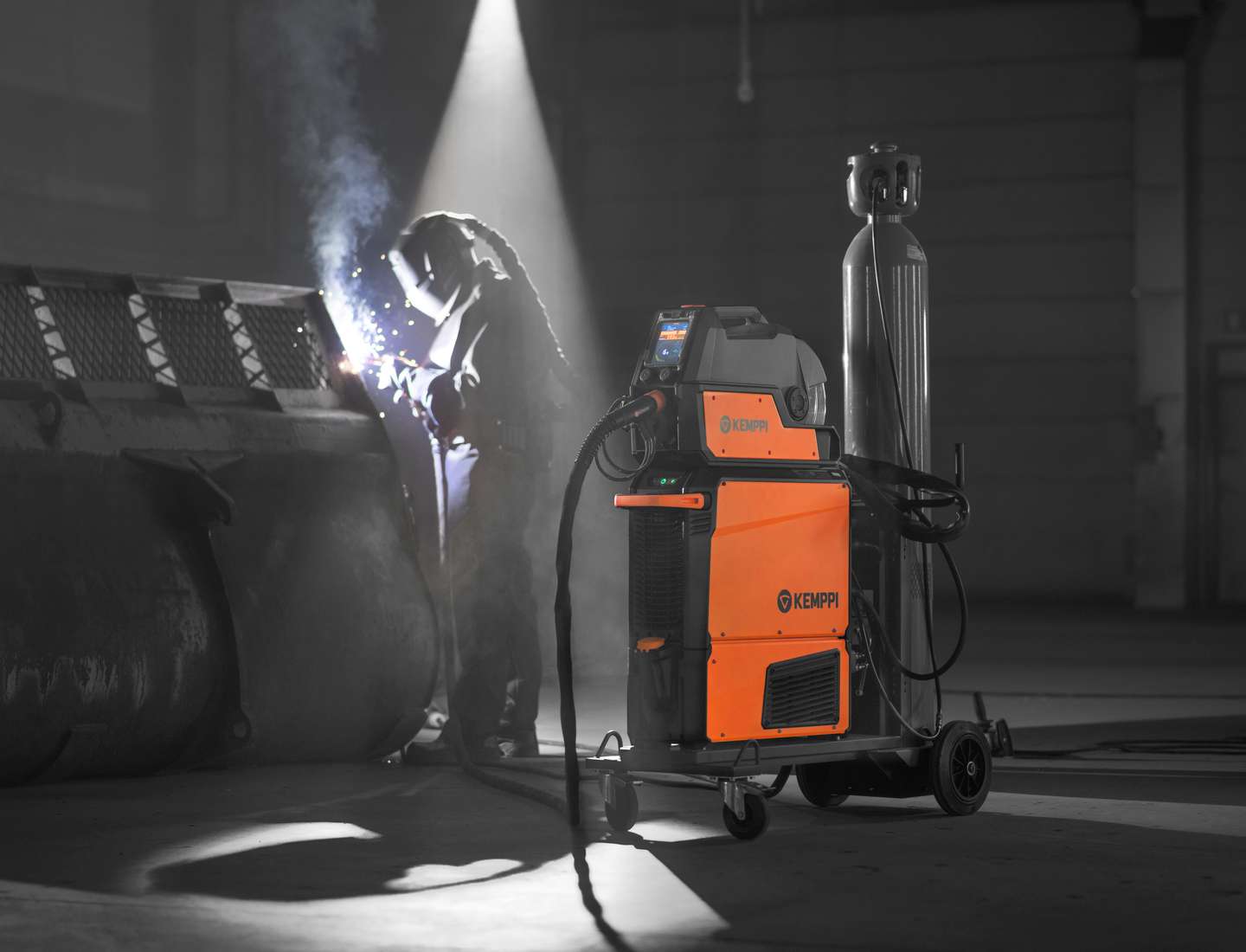
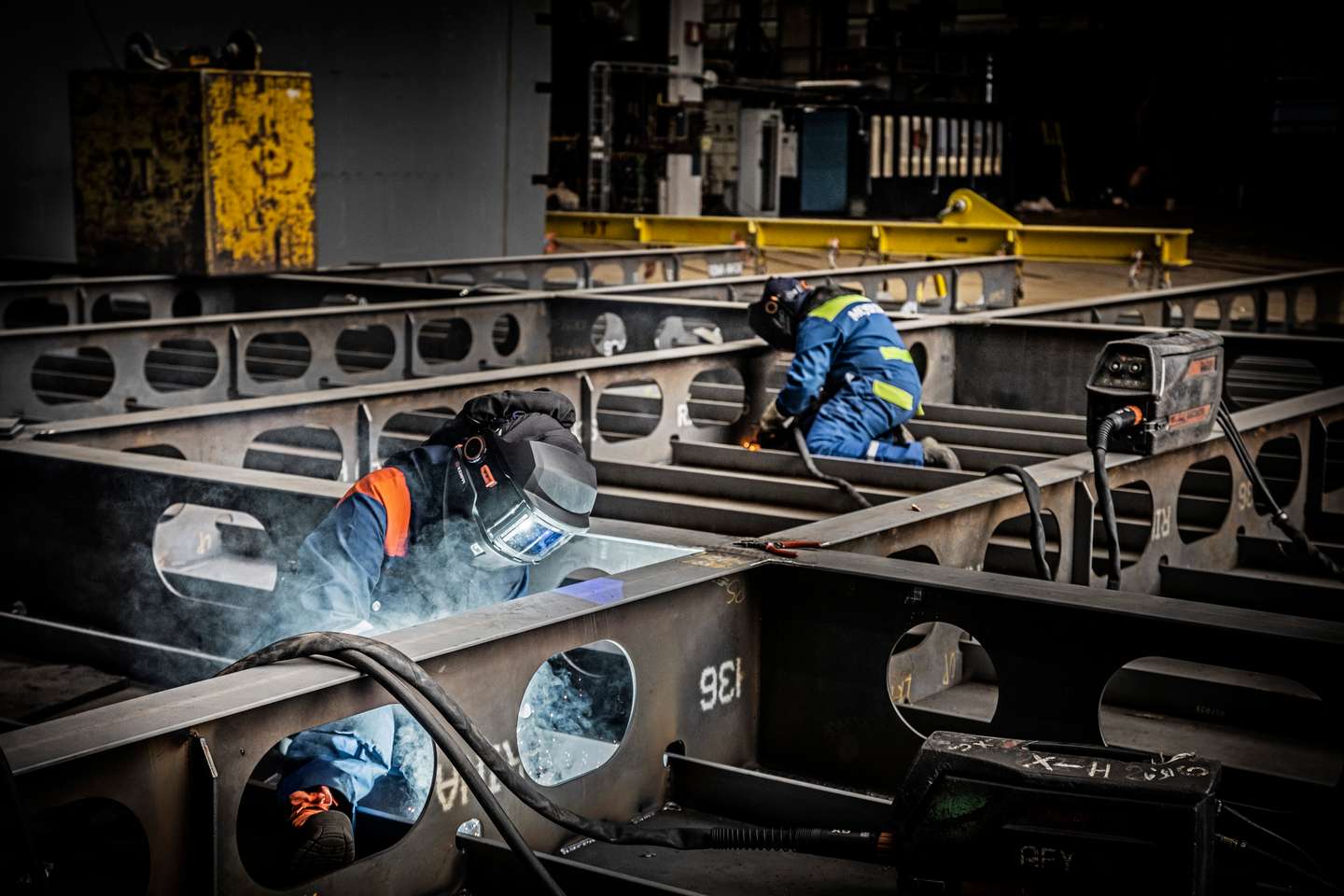
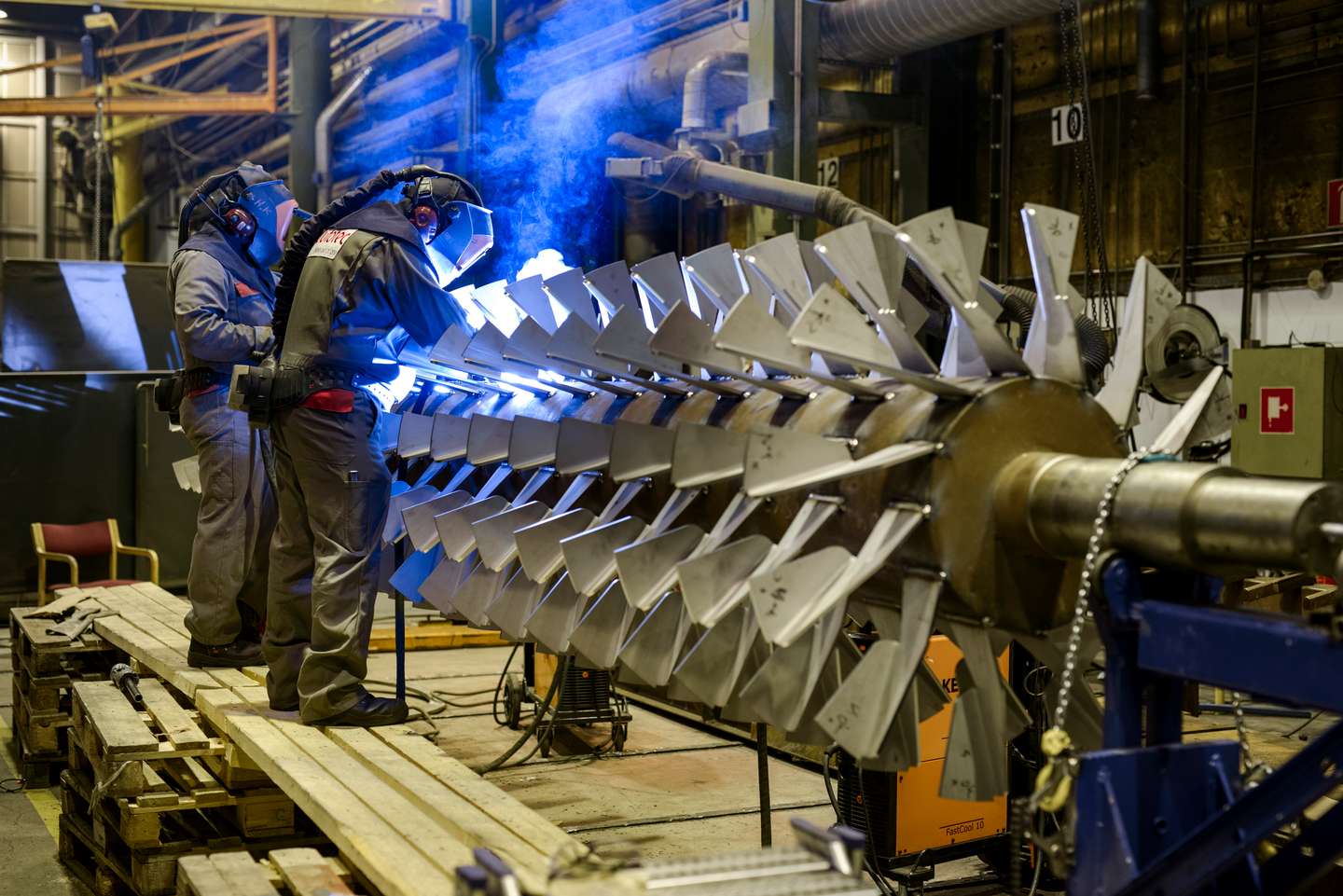
Kemppi design and manufacture welding solutions that specifically meet shipbuilding needs, offering portable, compact and system class equipment that resolve the many alternative and complex needs for shipbuilders. Kemppi X5P FastMig for example is developed for demanding industrial welding environments where stable arc performance, controlled heat input, repeatability and parameter validation are critical. X5 FastMig combines alternative MIG/MAG process options, including pulse and double-pulse capability, WISE and MAX arc optimisation processes, alternative robust wire feeding system options, and compatibility with long cable setups for reach & access, plus the ability to run from generated power supplies.
Generations of customer experience and feedback have shaped Kemppi welding solution development. Examples include Meyer Turku shipyard and Turula Engineering, combining welding gun, portable and system class equipment, including use of X5P FastMig with its digital WPS and WeldEye capability, plus Leimet’s AX MIG Welder pilot in robotic welding production.
We spoke to John Frost, Product Manager at Kemppi, who explains some of the key welding challenges facing modern defence shipyards and how the X5P is designed to support them.
Reducing process variability
“In marine fabrication, one of the biggest challenges and risks is parameter and process variability, leading to quality issues,” says Frost. “Inconsistent equipment setting can lead to welding defects, penetration issues and/or excessive heat input, impacting product quality, increased rework, welding cost elevation and impacts on downstream production.”
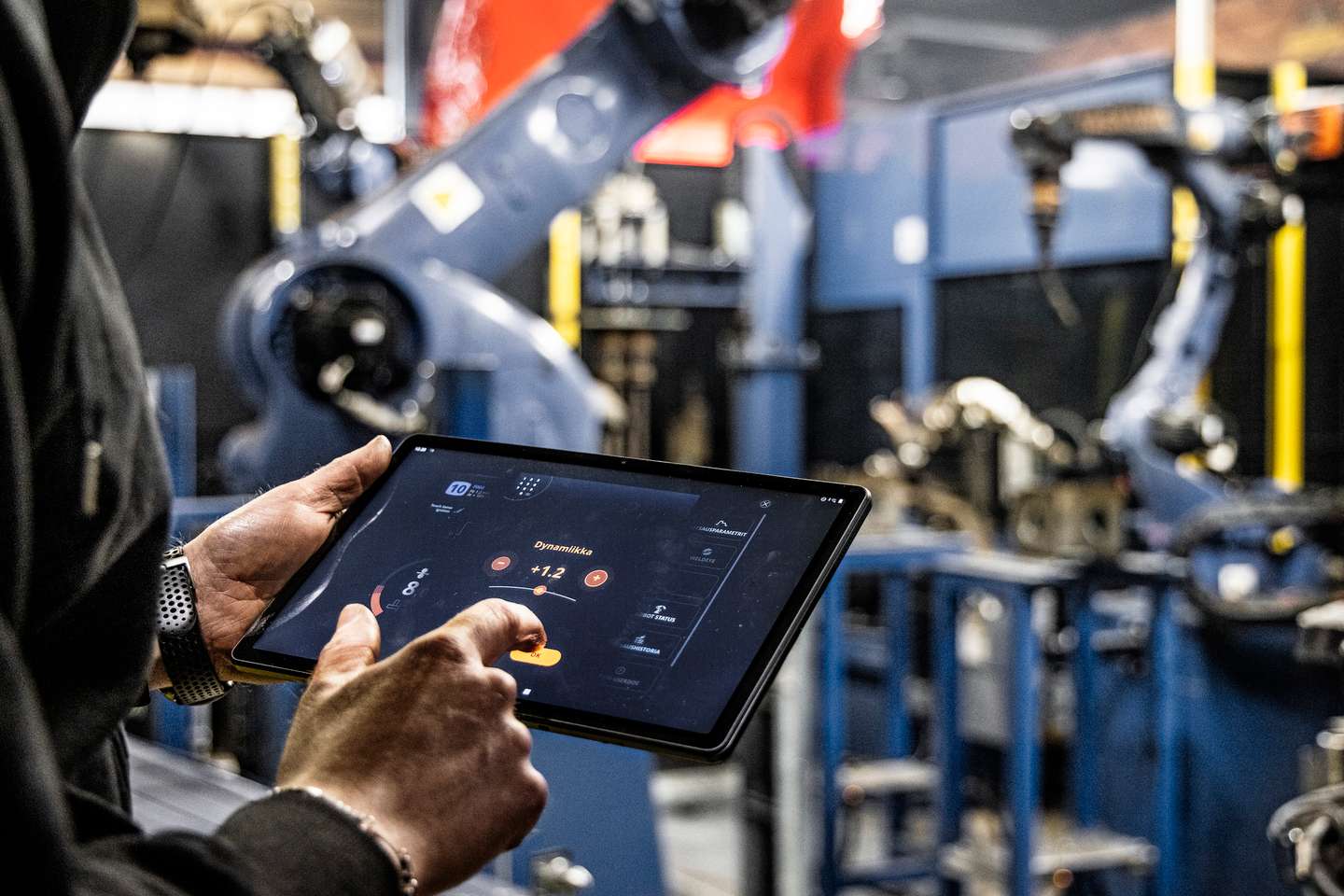
Kemppi X5P FASTMIG is designed to regulate welding quality. Digital WPS integration option helps regulate welding quality, including controlled heat input across long seams and positional welding. Performance tools such as WiseFusion, WiseSteel, Max Cool, Max Speed and Max position support usability, productivity and repeatable weld quality, particularly in changing welding conditions and multi-operator shift working.
Welding high-strength steel and marine aluminium
Military vessel fabrication often involves both thick black steel structures and lightweight marine aluminium applications.
“With aluminium, heat control and transfer stability become critical because of the material’s conductivity and inherent oxide layer,” Frost explains. “With steel, the focus is maintaining defined parameter specification across variable material sections and joint types.”
The X5P FastMig supports reliable and repeatable welding quality through integrated digital control, offering customers wide ranging synergic welding programs, that help standardise parameter control across different materials, operators and work areas.
Why shipyard hardware matters
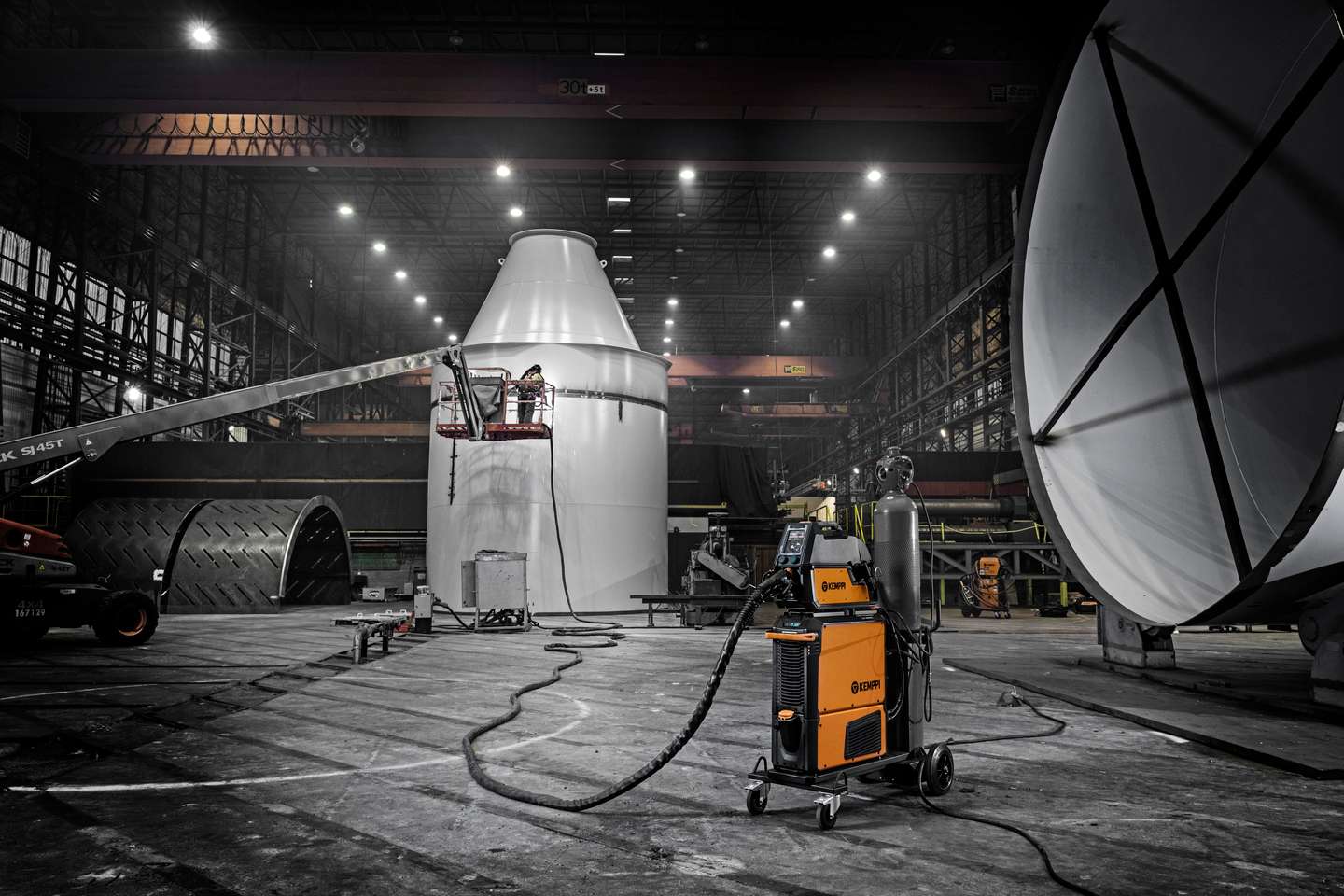
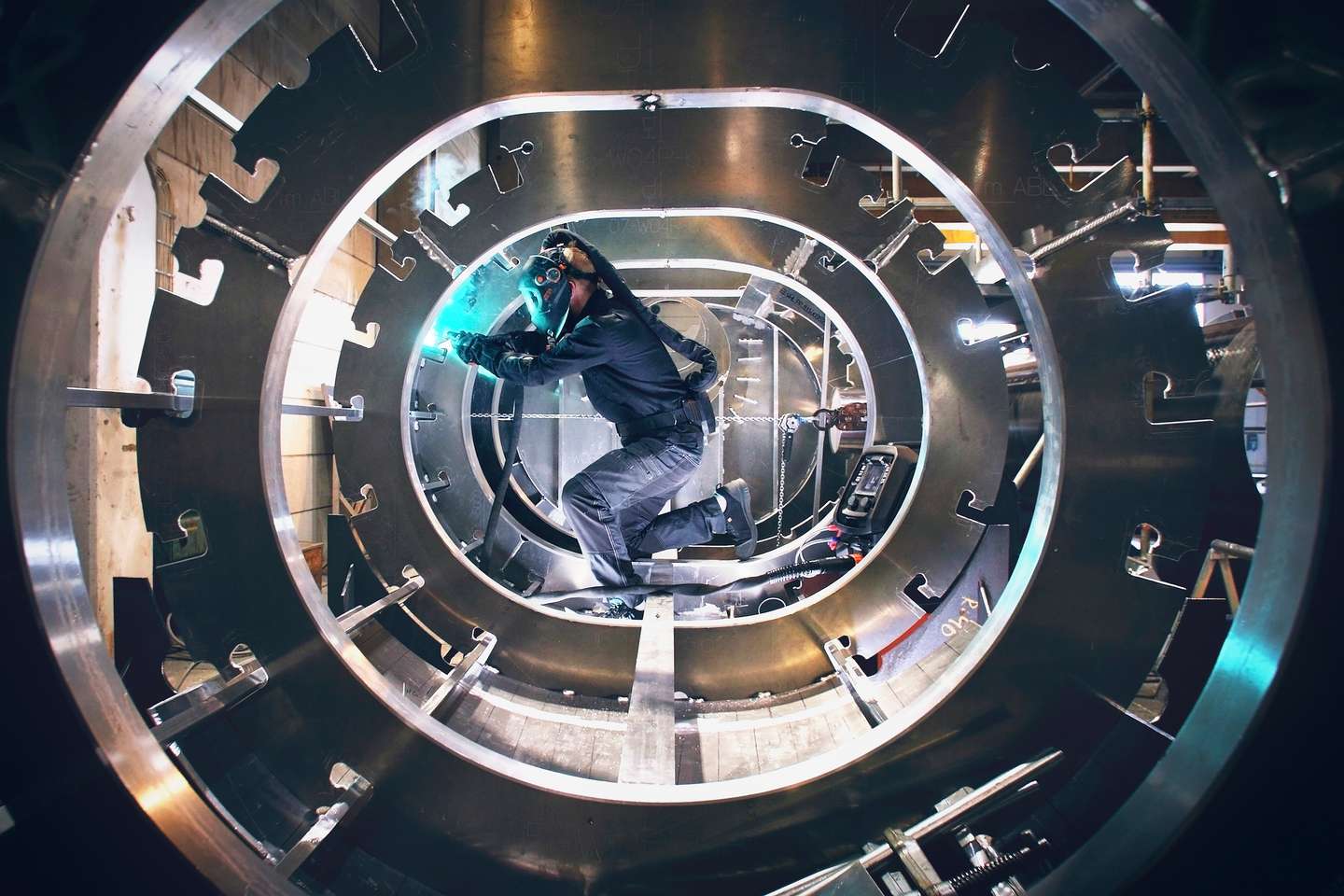
Shipyards present practical challenges beyond the weld itself. Confined space and small compartmental areas, long distance, outdoor work areas, and constantly changing setups at distance from the welding power source, present unique challenges for welding management.
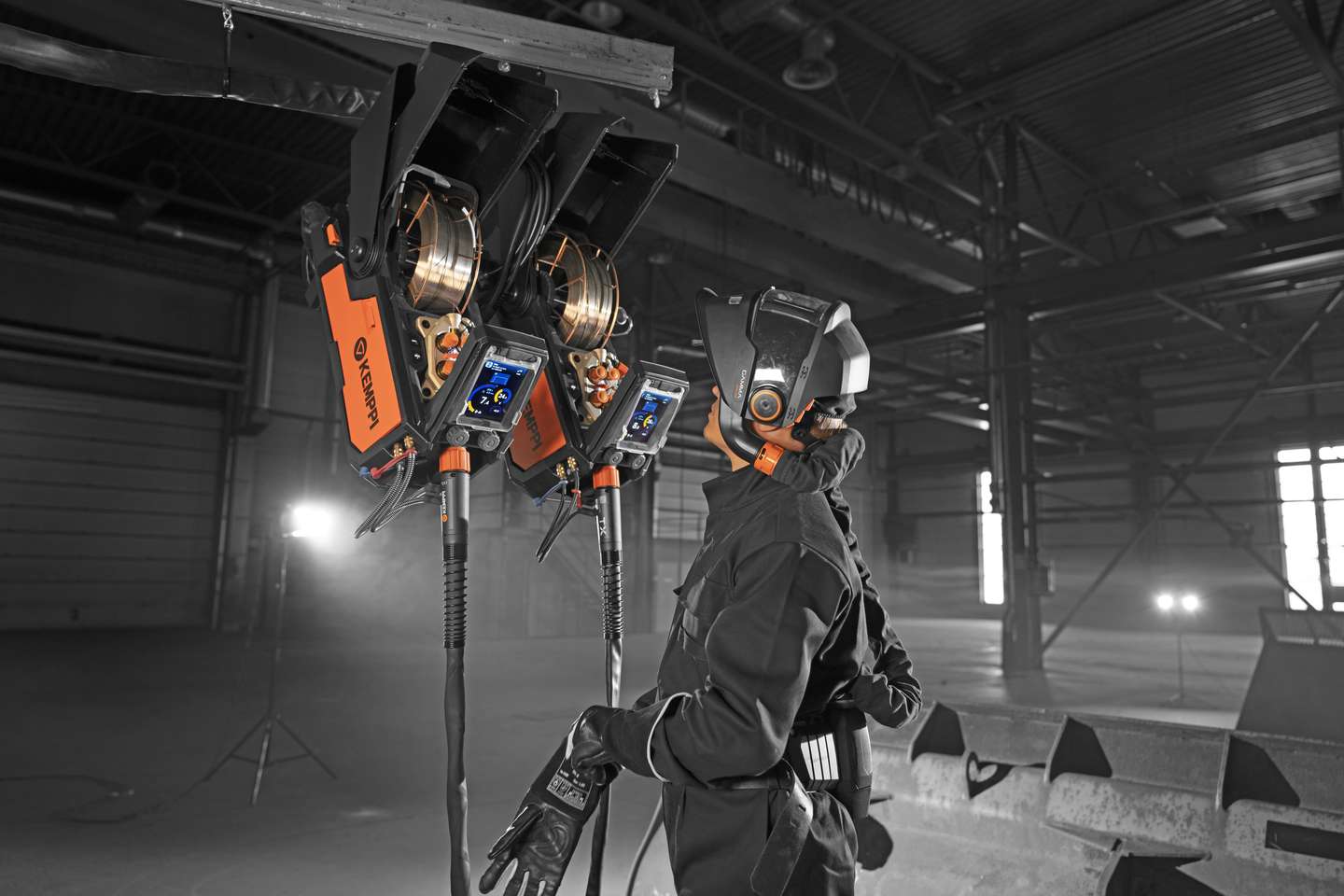
Kemppi offer alternative wire feeding solutions and cabinet sizes meeting reach and access challenges. For example, X5 Wire Feeder HD200 AP and APC are designed for demanding industrial MIG/MAG welding including robust, impact absorbing structures, while the Kemppi SuperSnake intermediate wire feeder extends reliable wire feeding distances up to 30 metres from the main feeder cabinet. This allows the power source to remain outside confined workspaces, while still reaching challenging weld locations and offering excellent operational mobility.
Managing unstable power conditions
Large shipyard environments rarely provide fixed production conditions. Cable lengths, staging areas, and work locations can change throughout vessel construction.
“Welding quality comes from measured values, aligning WPS parameters with real arc conditions, even when setups change,” says Frost. “The X5P FastMig includes welding cable calibration feature (without an additional voltage-sensing cable), ensuring welding parameters and measured values compensate for electrical resistance changes across long cable runs and welding circuit loops.”
Generator-powered compatibility can also become important in temporary production zones, dockside repairs, or environments where stable grid power is unavailable.
Process control and repeatability
As defence shipbuilding becomes more industrialised, shipyards are placing greater emphasis on process control, repeatability, and welding traceability.
Customers are increasingly demanding visibility into welding quality and documentation, particularly as stronger steels become more common across both military and commercial vessels.
At the same time, shipyards across Europe continue facing skilled labour shortages, making process guidance, stored parameters, and consistent welding behaviour increasingly valuable for maintaining quality across teams and shifts.
“The challenge today is not simply achieving weld quality once,” Frost says. “It’s maintaining repeatable quality across changing environments, operators, and production stages while keeping productivity and compliance under control.”

Varsha Saraogi
Varsha Saraogi
Hails from a background in journalism and editorial strategy and brings an international B2B perspective to content and communications at Kemppi. Passionate about creating stories that connect welding technology with the people and industries it serves, combining technical substance with a clear and engaging voice. Work has been published in specialist titles such as Airport Technology, Railway Technology, Ship Technology, FinTech Global, and RegTech Analyst, reflecting experience across a wide range of industrial and business sectors.
Relaterede produkter
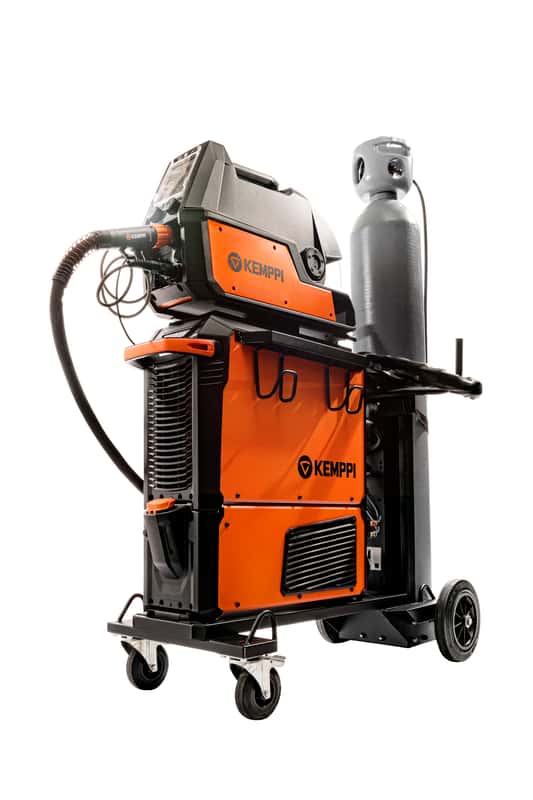
Produktfamilie
360-graders modulær multiproces-svejser, der primært anvendes med højtydende MIG/MAG-svejsning. X5 FastMig tilbyder opsætningsmuligheder for manuel, synergisk og pulssvejsning. Et omfattende udvalg af tilbehør er med til at gøre svejseproduktionsprocesserne fleksible og effektive.
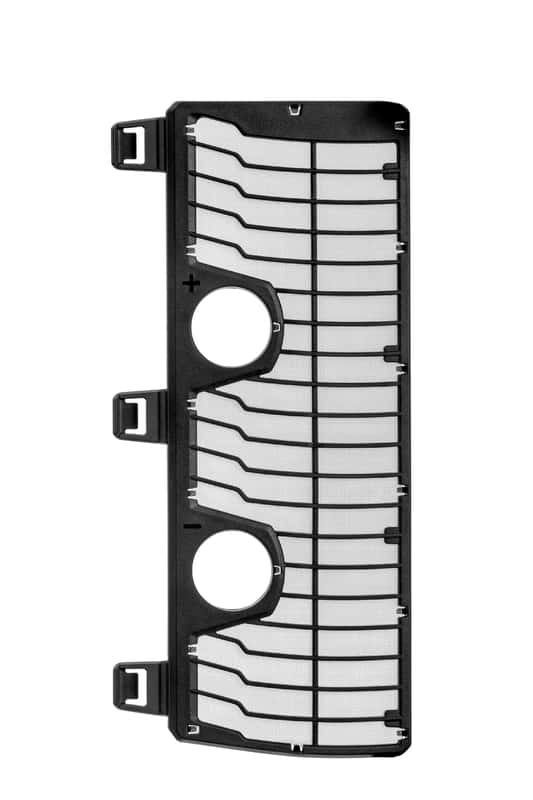
SP016870
Produkt
Ekstra beskyttelse til strømkilden, så der sikres en effektiv luftgennemstrømning i støvfyldte miljøer.
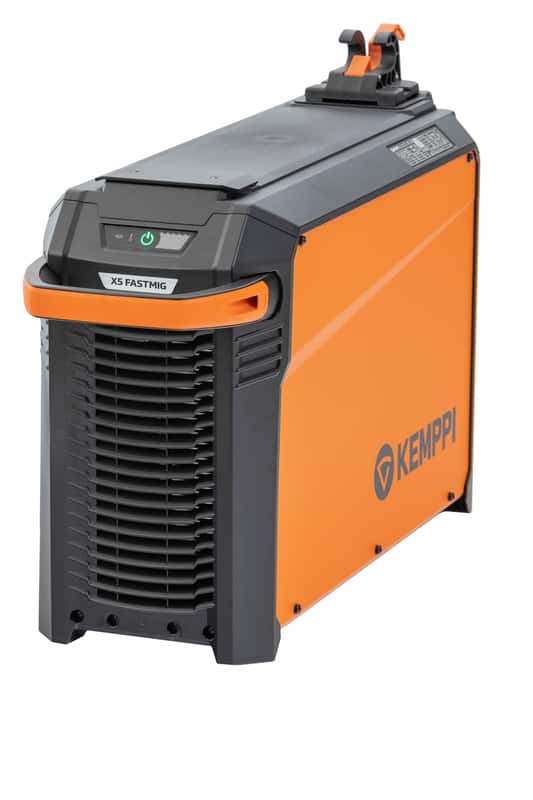
X5100500010
Produkt
Multiproces-svejsestrømkilde, der giver 500 A med 60 % intermittens. Vælg mellem Manuelle, synergiske, puls- og dobbeltpulssvejsning. Inkluderer WiseSteel og WiseFusion svejseprocesser og X5 Work Pack Pulse med 54 svejseprogrammer. Kompatibel med alle MAX-svejseprocesser samt svejseprocesserne WisePenetration, WiseRoot+, WiseThin+. I robotsvejseapplikationer er TIG- og MMA-processer ikke tilgængelige. 5 års garanti ved registrering som slutbruger i MyFleet-tjenesten.
Flere blogindlæg
Welding value with X5 FastMig
Small improvements in welding efficiency can positively influence overall productivity and establish valuable cost savings. By investing in robust, reliable, and versatile equipment, you can improve and better manage welding project costs.
Manuel svejsning
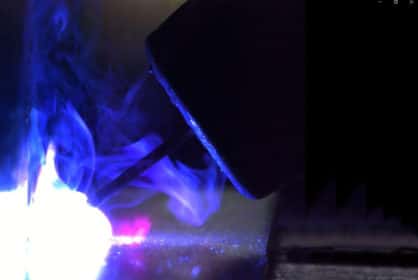
Stable arc ignition improves welding quality and reduces costs
In MIG/MAG welding, arc ignition plays a key role in welding quality. Any instability will result in the post-weld cleaning of spatters, which eats up resources and hinders productivity in industrial environments. Available in modern welding equipment, new ignition-enhancing technologies offer additional control of the arc and support the craftsmanship of welders.
Manuel svejsning
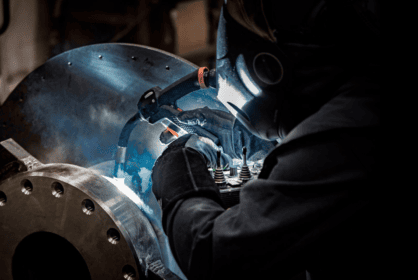
A multi-process welding machine for challenging applications
A skilled and experienced welder can handle different kinds of material, welding applications and positions – even in demanding conditions. However, it is not only the skills that count – without appropriate high-quality welding equipment, excellent welds are only a dream. The performance of a welding machine also has a direct impact on the time spent on welding tasks. Significant cost-savings are only possible when work is done in minimal time with maximum results.
Manuel svejsning
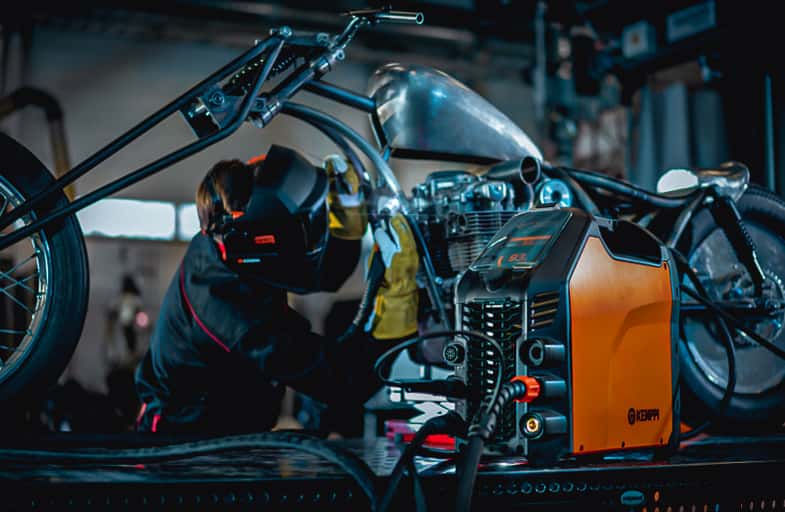
How Rapid Welding and Kemppi Built a Partnership That Lasts
Rapid Welding has worked with Kemppi since the company opened in 1990. Co-founder and Managing Director Roy Edwards highlighted the principles behind that 36-year partnership, from choosing the right welding solution and supporting equipment throughout its life to addressing the skills shortage and finding the right place for automation and laser welding.
Automatisering af svejsning, Manuel svejsning, Svejsningens ABC
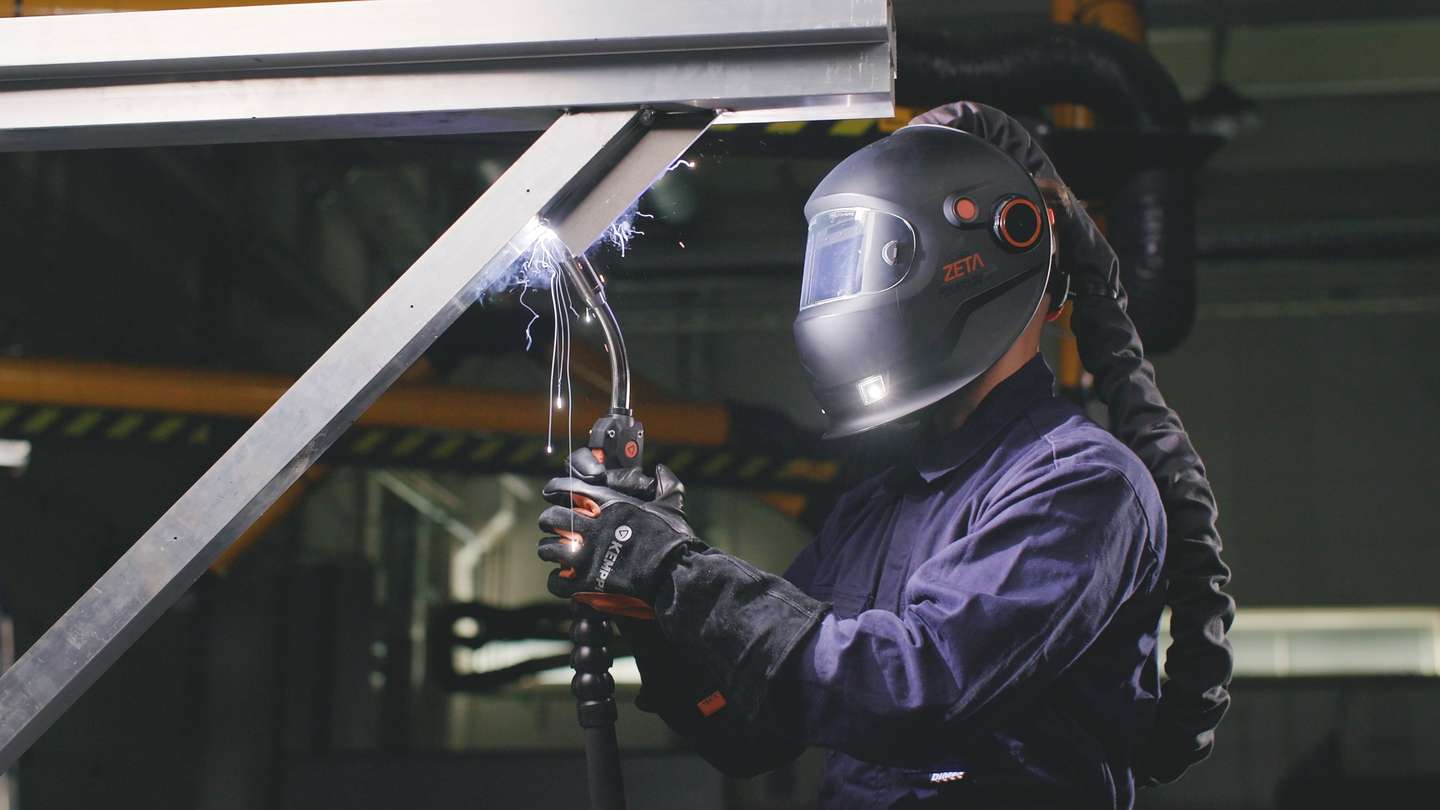
Sikkerhed, der holder trit med svejsernes udfordringer og skiftende risici
Svejsesikkerhed er blevet stadig mere krævende. Risikoen er den samme, men moderne arbejdsforhold betyder, at eksponeringen kan hobe sig op i løbet af længerevarende arbejdsskift og i trange indendørs rum. Det betyder, at personlige værnemidler til svejsning både skal ses som beskyttelse af svejseren og som overholdelse af regler. Hos Kemppi designes og valideres personlige værnemidler til svejsesikkerhed i praksis gennem klare krav, feedback fra svejsere og verificeret overholdelse af EU's PPE-forordning 2016/425, CE-mærkningsprocesser og relevante EN-standarder.
Sikkerhed, Svejsningens ABC
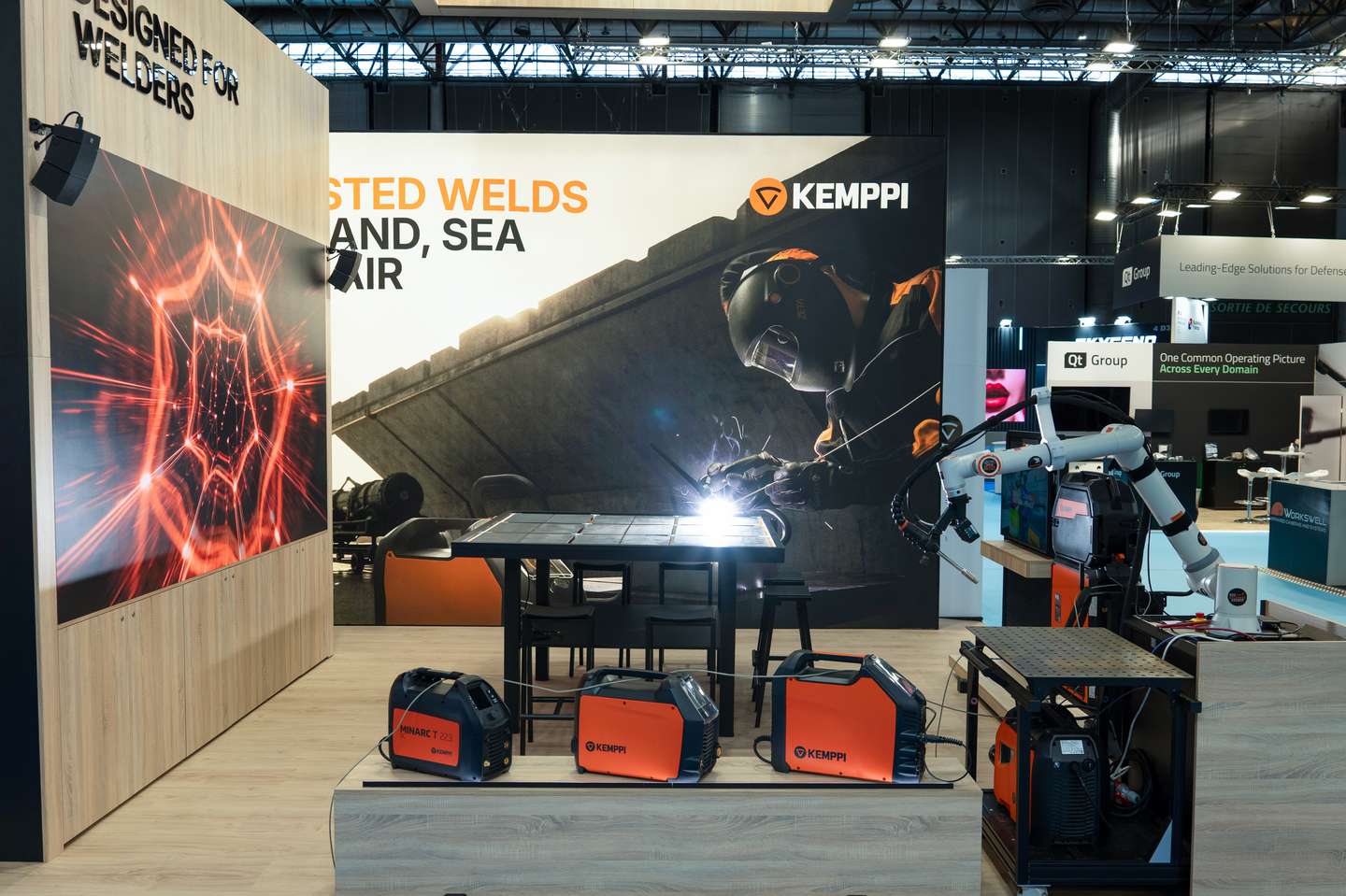
Eurosatory 2026 And the Future of Defence Manufacturing
Eurosatory 2026 highlighted a clear shift in modern defence manufacturing. While defence systems are becoming more digital, networked, and autonomous, their foundation remains physical. From armoured vehicles and artillery to industrial resilience, welding quality, steel structures, and production discipline remain paramount to defence readiness.
Digitalisering, Innovation