Innovation
What Built to Last Really Means in Defence and Marine Welding
28 May 2026
Critical defence and military vessels and marine structures are built for decades of demanding service. This article explores what 'built to last' means in welding, from harsh-condition reliability and repeatable weld quality to traceability across long vessel lifecycles.
Varsha Saraogi
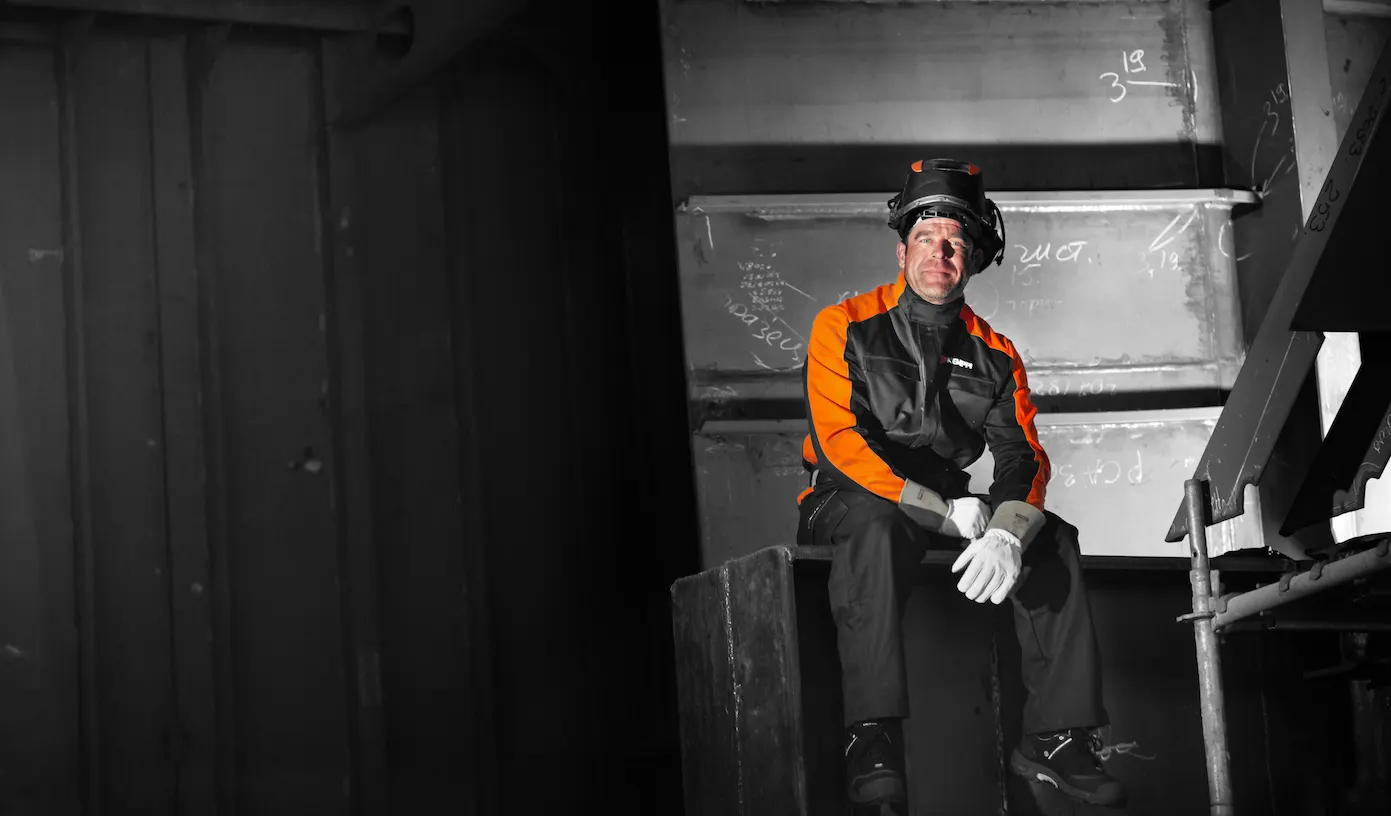
An icebreaker has to push through frozen waters year after year. A bridge has to carry daily traffic through wind, rain, snow, and decades of use. A defense vessel has to perform in demanding operational environments, often far from ideal production or maintenance conditions.
In all these cases, welding goes beyond production to long-term reliability. That is why welding equipment cannot be judged by how it performs in controlled workshop conditions. The real question is how well it supports welders when the access is difficult, the material requirements are strict, the schedule is tight, and consistency matters across every weld, shift, and production stage.
Being built to last is the durability of the machine as well as the reliability of the structure it helps make possible.
Earned in demanding environments
Kemppi welding technology has been trusted in environments where machines need to support long working hours, changing work locations, strict quality requirements, and welds that will be tested after production is complete.
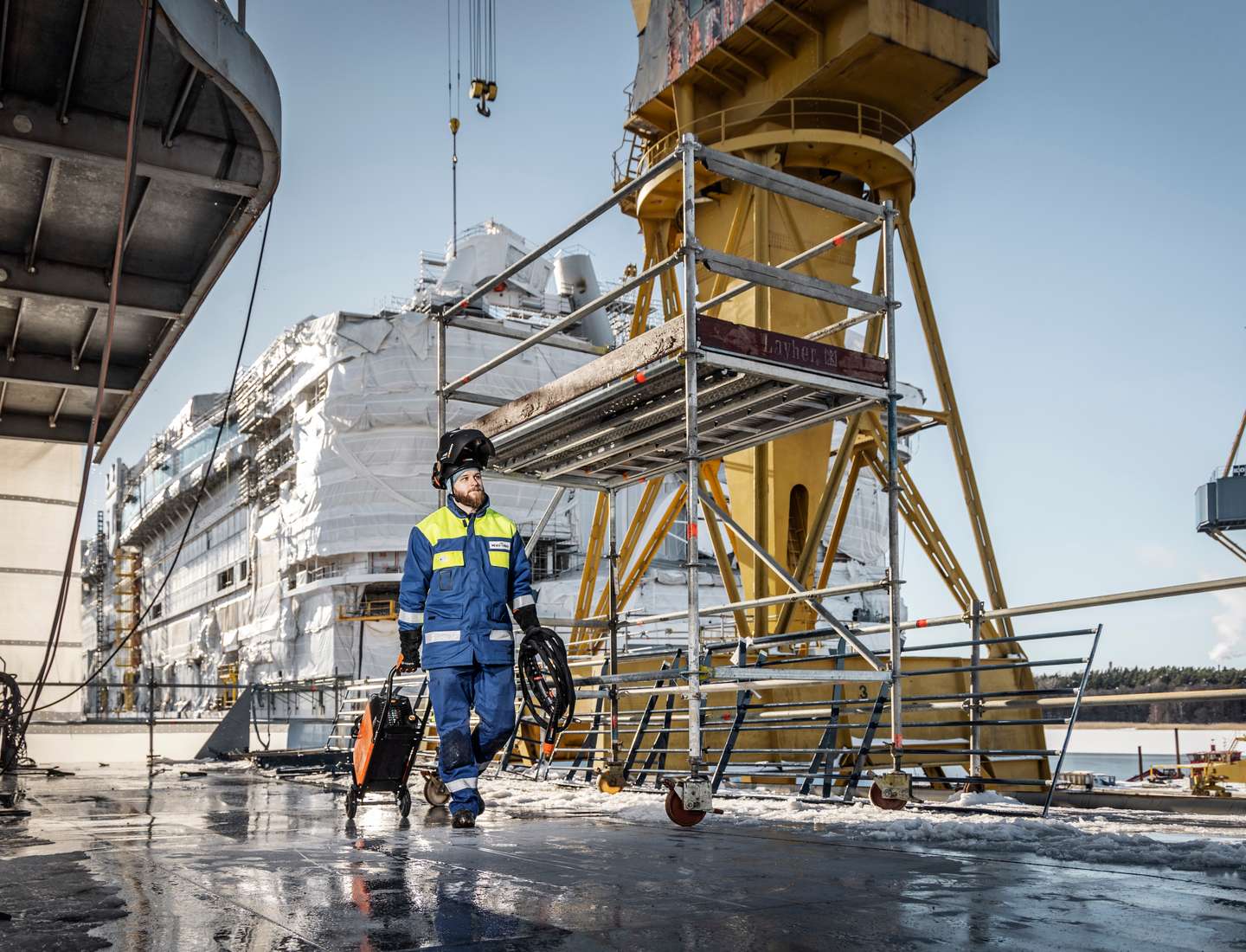
In Finland, Kemppi’s Reduced Gap Technology has been used by Arctech Helsinki Shipyard in mechanized welding for icebreaker construction, helping reduce groove angles and improve welding quality in block-section production. On the Kruunuvuori Bridge in Helsinki, Kemppi’s X5P FastMig has been publicly highlighted in connection with welding work on Finland’s longest bridge, a structure with over 170 kilometers of welds in its steel deck. In shipbuilding, Kemppi’s Master M 323 reference with Meyer Turku shows how portability, power, and easy parameter control matter in the practical realities of yard work.
Why this matters in defense shipbuilding
Defense and military vessel fabrication brings many of these demands together. Firstly, military ships, patrol vessels, coast guard vessels, and icebreakers may remain in operation for decades with lifecycles of 50 years or more.
The timing also matters. EU member states’ defense expenditure was expected to reach €381 billion in 2025, increasing the pressure on Europe’s defense industrial base to deliver with speed, quality, and consistency.
In addition, a military vessel needs to operate in harsh weather, challenging waters, remote locations, and high-pressure situations. During production, this means shipyards are often dealing with thick steel sections, aluminum components, long seams, positional welding, confined spaces, strict inspection requirements, and work that moves between workshops, blocks, bays, docks, and outdoor staging areas.
Welding equipment has to do more than deliver power. It has to support stable arc performance when conditions change. A machine that is difficult to set up, inconsistent in performance, or poorly suited to harsh conditions can slow down production and increase the chance of rework. A reliable machine, on the other hand, gives welders and production teams a stronger foundation to work from.
Built for the reality of shipyards
Shipyard welding entails outdoor yards or temporary stations. Power supply may not be ideal. Cable runs can be long. Weather can become part of the workday.
Features such as generator compatibility, reliable wire feeding, portability, memory channels, and process support often affect how smoothly the task at hand is done.
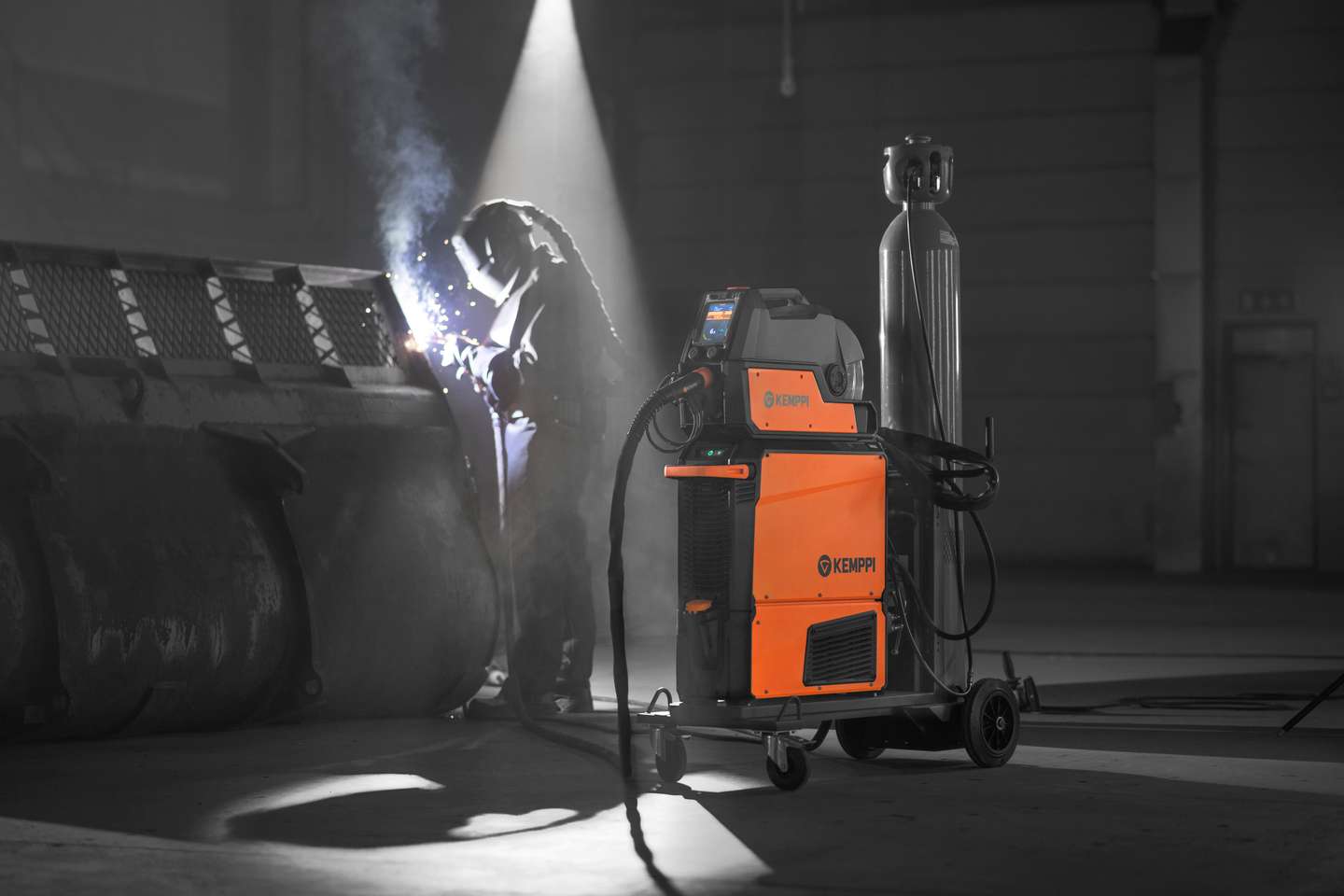
Kemppi’s X5 FastMig, for example, is designed for demanding MIG/MAG welding applications and supports industrial production where weld quality, usability, and repeatability matter. In defence and marine fabrication, this means moving between locations, maintaining consistent parameters, and supporting welders across changing production needs.
Why durability matters
When people talk about durable welding equipment, they often think about the physical machine: the casing, components, protection class, cables, and how well it survives industrial use. We make sure we test all our machines thoroughly.
Durability also has another side. A welding machine built to last should help welders produce consistent results across different tasks, materials, and shifts, where the work may involve black steel, stainless steel, aluminium, repairs, long seams, thick sections, and positional welds within the same broader production environment.
The future of defense welding
In defense and marine projects, documentation, traceability, welding procedure control, inspection records, and quality data are becoming part of the production conversation. Teams need to know not only that a weld was completed, but how it was completed.
Which parameters were used?
Was the correct procedure followed?
Can the information be traced later?
Can quality be shown clearly during inspection or audit?
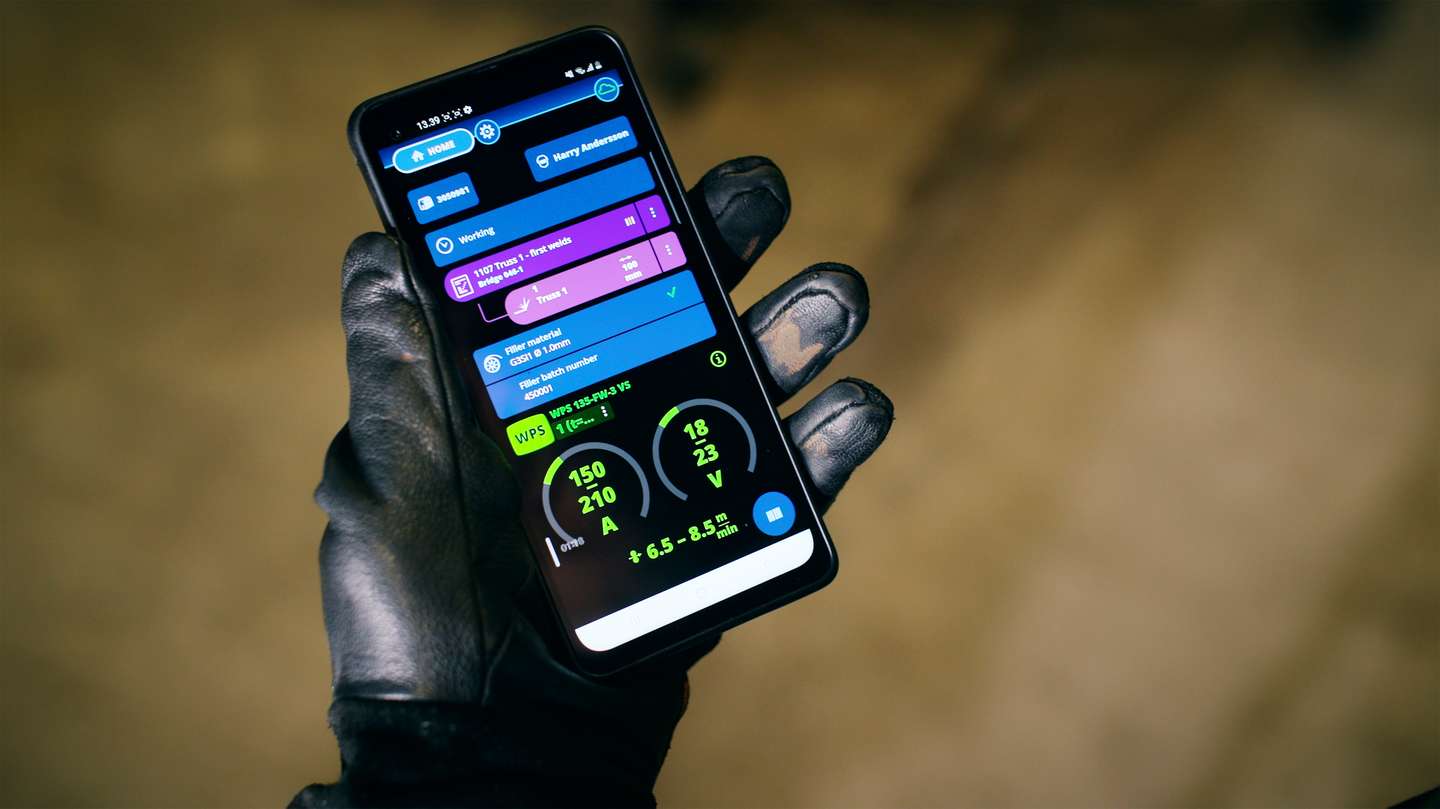
This is where welding machines and welding management systems begin to work together. The machine supports the weld. The digital workflow supports the proof behind the weld.
From cruise ships and bridges to defense vessels
Icebreakers, bridges, and military vessels may look like very different applications. But from a welding perspective, they share a common demand and that is the work has to be reliable beyond the production phase.
The structure must withstand its environment. The welds must support long-term performance. The equipment used in production must help teams work consistently, especially when the conditions are difficult.
The same thinking that supports welding in harsh marine, infrastructure, and shipyard environments also matters in defense: practical usability, stable performance, repeatable quality, and equipment that can follow the work.

Varsha Saraogi
Varsha Saraogi
Hails from a background in journalism and editorial strategy and brings an international B2B perspective to content and communications at Kemppi. Passionate about creating stories that connect welding technology with the people and industries it serves, combining technical substance with a clear and engaging voice. Work has been published in specialist titles such as Airport Technology, Railway Technology, Ship Technology, FinTech Global, and RegTech Analyst, reflecting experience across a wide range of industrial and business sectors.
Related products
Product family
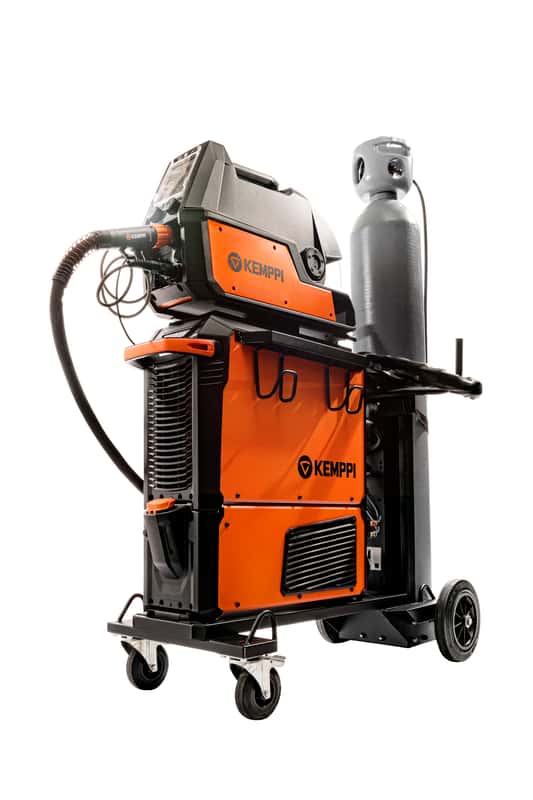
The 360-degree modular multi-process welder primarily focuses on high-performance MIG/MAG welding. X5 FastMig offers setup options for manual, synergic, and pulse welding. A wide range of accessories brings flexibility and efficiency to welding production processes.

Product family
WeldEye is a universal solution to manage welding production.
Product family
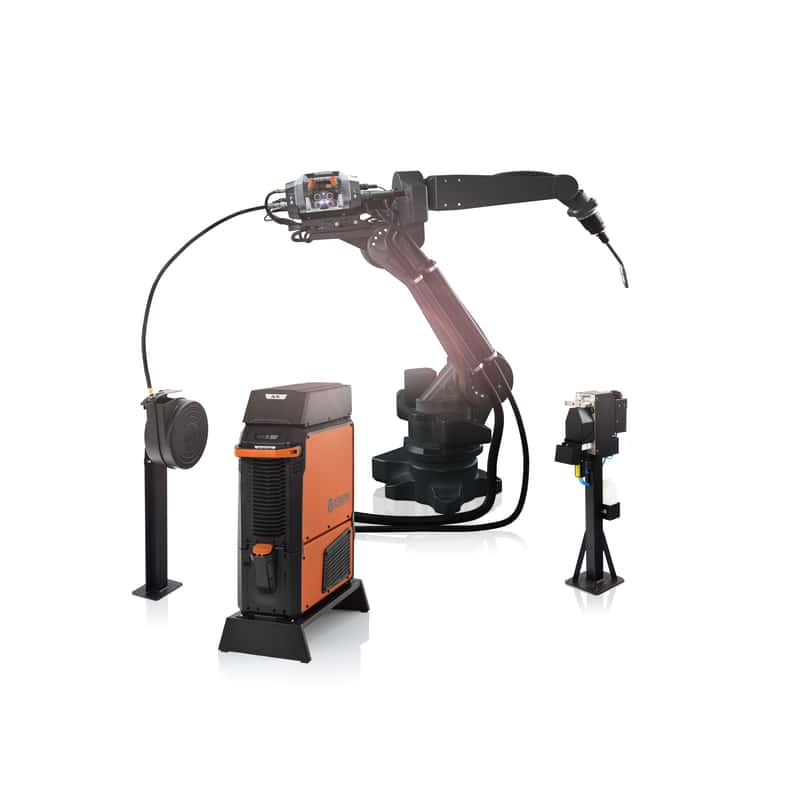
The Kemppi AX MIG Welder brings powerful performance and maximum productivity potential to your robotic welding system. Enjoy easy integration and ensure repeatable, high-quality welds with high-performance arc welding applications.
More blog posts
How Kemppi Supports Defence Shipyard Welding from Steel to Aluminium
Kemppi X5 FastMig supports reliable MIG/MAG welding, controlled heat input, traceability, and repeatable weld quality across steel, aluminium, and challenging production conditions.
How WeldEye welding management software sets the standard for welding traceability
Welding traceability is becoming an increasingly essential requirement in industries where safety, quality, and compliance are paramount.
Digitalization
The significance of usability in industrial welding
We asked two professional welders – Meyer’s Jukka Hahko and Dinolift’s Pasi Laakso – what good usability means in industrial welding.
Innovation
How Rapid Welding and Kemppi Built a Partnership That Lasts
Rapid Welding has worked with Kemppi since the company opened in 1990. Co-founder and Managing Director Roy Edwards highlighted the principles behind that 36-year partnership, from choosing the right welding solution and supporting equipment throughout its life to addressing the skills shortage and finding the right place for automation and laser welding.
Welding automation, Manual welding, Welding ABC
Safety that keeps up with welders' challenges and changing risks
Welding safety has become increasingly demanding. The hazards at the arc remain constant, but modern working conditions mean exposure can accumulate over longer shifts and in tighter indoor spaces. As a result, welding PPE needs to be treated as both protection for the welder and proof of compliance. At Kemppi, welding safety PPE is designed and validated in practice through clear requirements, welder-led feedback, and verified compliance with EU PPE Regulation 2016/425, CE marking processes, and relevant EN standards.
Safety, Welding ABC
Eurosatory 2026 And the Future of Defence Manufacturing
Eurosatory 2026 highlighted a clear shift in modern defence manufacturing. While defence systems are becoming more digital, networked, and autonomous, their foundation remains physical. From armoured vehicles and artillery to industrial resilience, welding quality, steel structures, and production discipline remain paramount to defence readiness.
Digitalization, Innovation