Individu
Future welding - as seen by the welders
24 août 2017
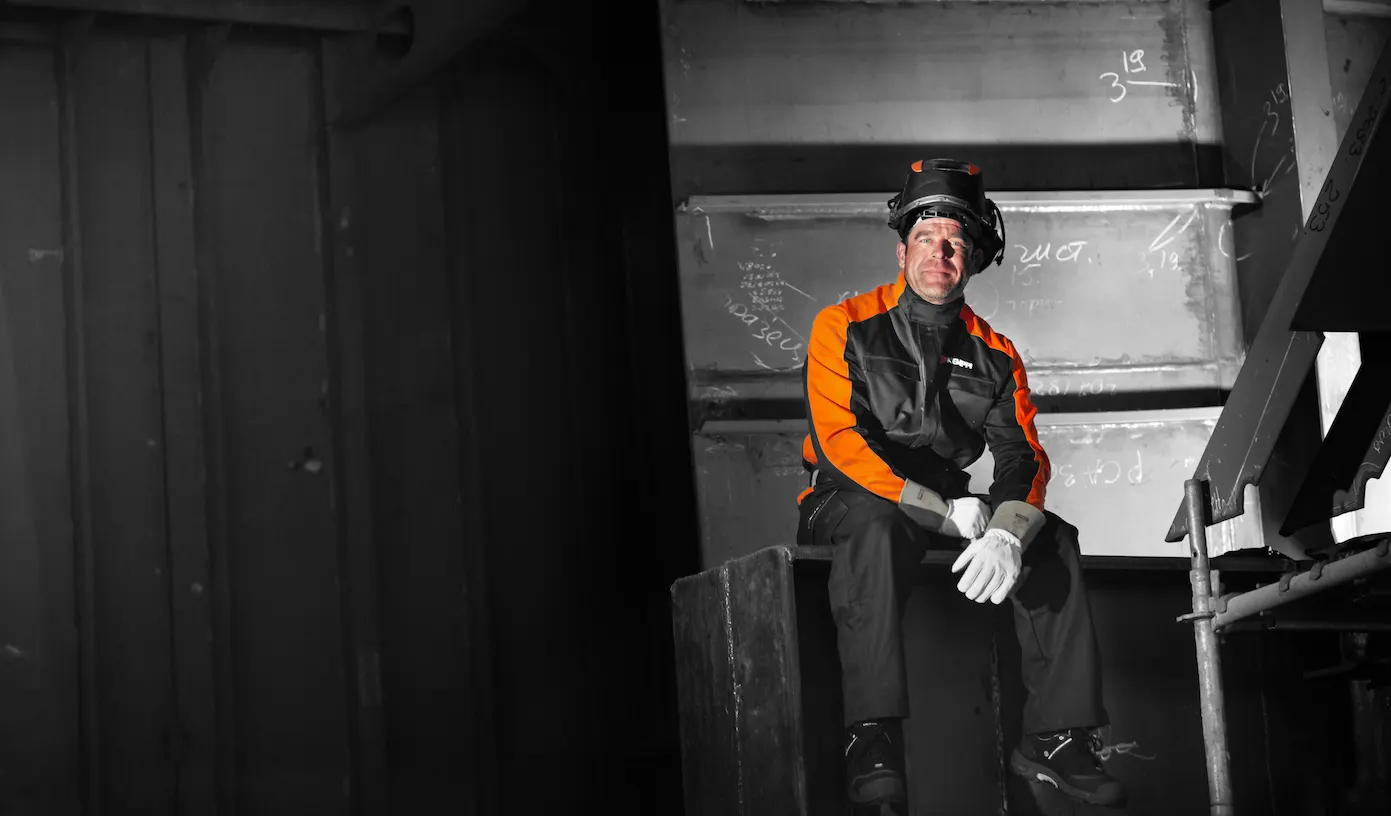
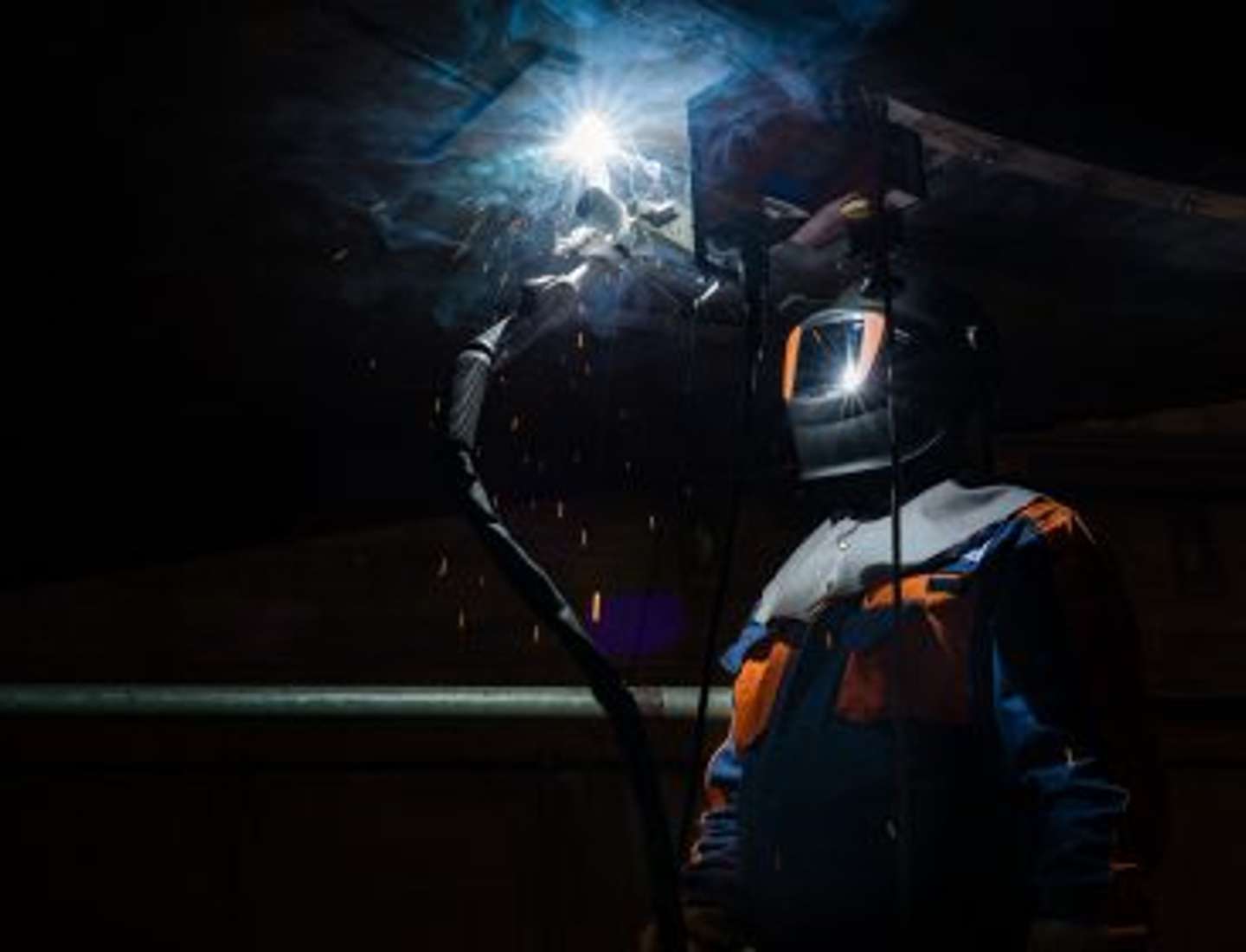
In the world of welding, innovation is guided by the needs of both the industries using welding systems, and the individual welders who work with them from day to day. To draw a picture of the future of welding, we asked two welders to give us their insights on the road ahead.
Sonja Airikka
Hanna Bechtel, metal worker in training from Sälzer GmbH in Marburg, Germany, works on substructures and steel frames for doors, windows and facades. Hanna predicts that TIG welding will be the most common technique, but others will continue to be used as well. However, robotization might change the content of the work and replace the human touch in many situations.
“Every technique has its own range of applications and advantages, so I wouldn’t say any of them will be completely abandoned. But I think that in the future, there will be tools for which you only have to set the material and thickness and the machine makes all further adjustments on its own. I would not like to see robots replacing welders – a passionate like me would rather do the job herself than let a machine do it for me,” Hanna says.
Welder Juho Nissinen, from Leppävirta, Finland, believes that the work content of the welders of the future may include programming of machines and call for development of IT skills. However, the young professional, who will represent Finland in the WorldSkills competition in Abu Dhabi in October 2017, thinks that welding by hand will not be fully replaced.
“Stick welding may be less popular in the future, but it will not be given up entirely. There will continue to be situations in which manual welding is the only way of getting the job done."
Mechanized welding improves speed and quality
Juho sees mechanized welding as the biggest trend of the future, and expects to see strong development in the area.
"Mechanized welding increases speed and creates more even quality. It is already possible to record and duplicate the welding parameters and manipulate the arc – welding machines are not that far from computers even now,” Juho says. “I think we will see new techniques that produce spatter-free welds, allowing for faster finishing.”
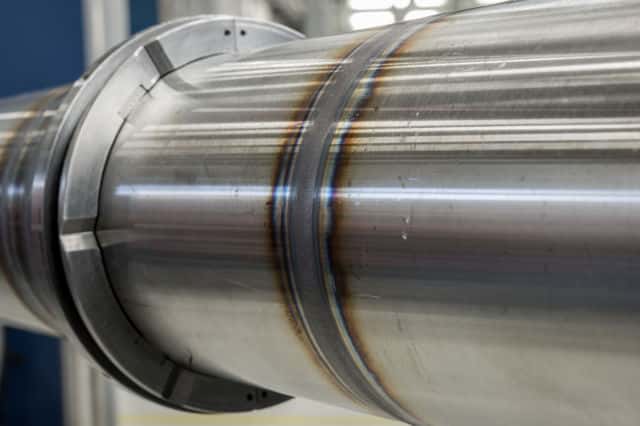
Hanna agrees that digitalization and mechanized welding make sense when absolutely clean welds are needed for products that are under extreme pressure, such as gas tanks. She foresees future needs for welding in the construction of pipelines, containers, bridges and offshore oil platforms in particular – all applications requiring uncompromising quality.
Safety first, now and tomorrow
The safety of welders is naturally a key factor in the day-to-day work. New safety innovations are developed alongside the welding equipment to ensure that welders can work in as hazard-free conditions as possible. Hanna expects to see further improvements to safety gear in the future.
“Concerning safety, techniques should be developed so that e.g. in MAG welding no beads or sparks can develop. Work wear could be more comfortable and lighter. By these measures, accidents at work can be reduced and some even avoided.”

Sonja Airikka
Sonja Airikka
Communications Specialist, Content Marketing at Kemppi Oy until January 2022. Content marketing professional who is interested in branding and the Asian market. Devoted to storytelling, passionate about great content. Managing editor of Welding Value blog 2015-2021.
Plus d'articles de blog
Say bye-bye to costly weld repairs with 100% WPS compliance
No matter who you are, what you do or where you are in the world, you are never far from a weld. People might not always realize it when they go about their business, but high-quality welding has a daily role in our built environments. Welds hold buildings, ships and steel frames hidden within walls securely together.
Digitalisation

Welding value with digitalization
Did you know, that a large oil rig may involve more than 100 000 welds? Or that building an oil rig employs dozens of contractors in the most demanding working conditions?
Digitalisation

Welder, dare to dream
All innovations start with a dream. Whether it is the dream of a welder or an engineer, technology will always need visionaries who are able to see beyond the ordinary. The welding industry’s orientation is firmly forward, and a lot has happened even in the past few decades.
Innovation
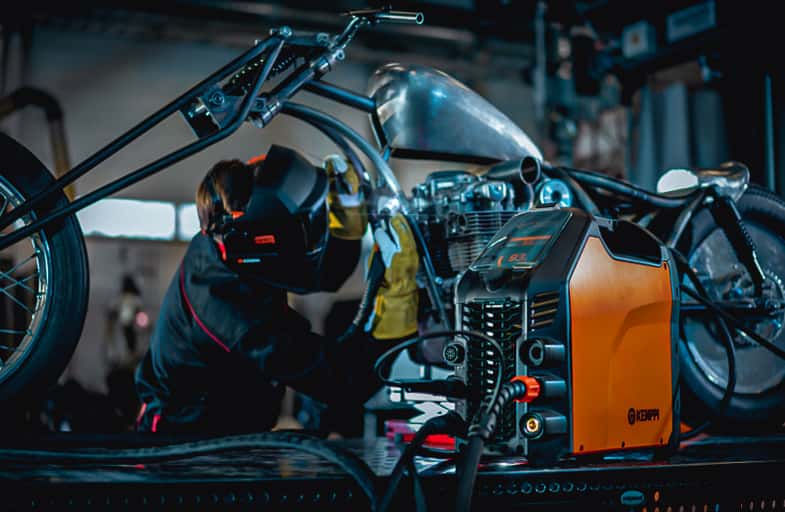
Comment Rapid Welding et Kemppi ont bâti un partenariat qui dure
Rapid Welding travaille avec Kemppi depuis la création de l'entreprise en 1990. Roy Edwards, cofondateur et directeur général, présente les principes qui sous-tendent ce partenariat de 36 ans : choisir la bonne solution de soudage, accompagner les équipements tout au long de leur durée de vie, répondre à la pénurie de compétences et déterminer la place appropriée de l'automatisation et du soudage laser.
Automatisation du soudage, Soudage manuel, ABC du soudage
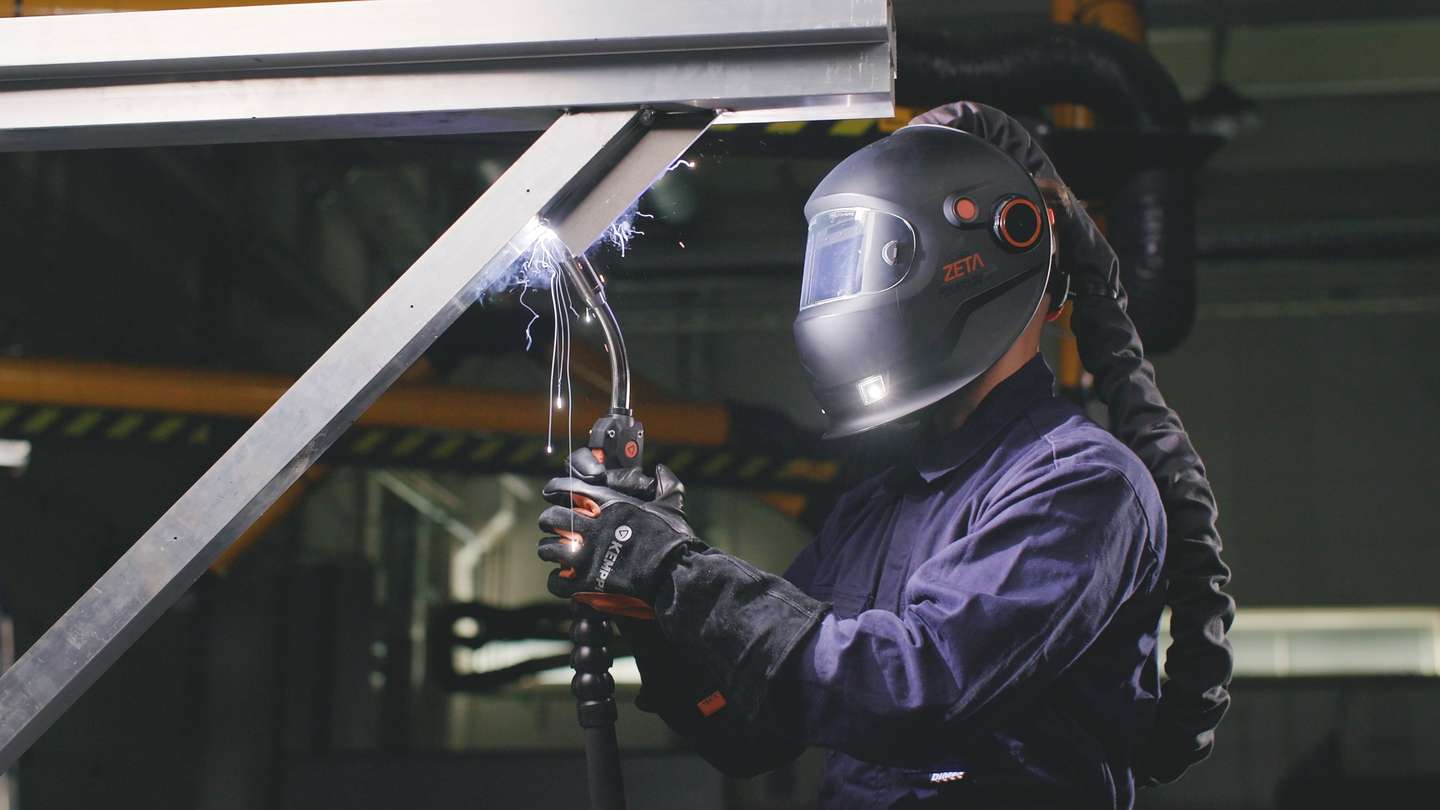
Une sécurité qui s'adapte aux défis des soudeurs et à l'évolution des risques
Les exigences en matière de sécurité dans le domaine de soudage sont de plus en plus strictes. Les dangers à l’arc restent constants, mais les conditions de travail modernes font que l’exposition peut s’accumuler sur des périodes de travail plus longues et dans des espaces intérieurs plus confinés. Par conséquent, les EPI de soudage doivent être considérés à la fois comme une protection pour le soudeur et comme une preuve de conformité. Chez Kemppi, les EPI de sécurité pour le soudage sont conçus et validés en conditions réelles, sur la base d’exigences claires, des retours d'expérience des soudeurs, ainsi que d’une conformité vérifiée au Règlement européen EPI 2016/425, aux processus de marquage CE et aux normes EN applicables.
Sécurité, ABC du soudage
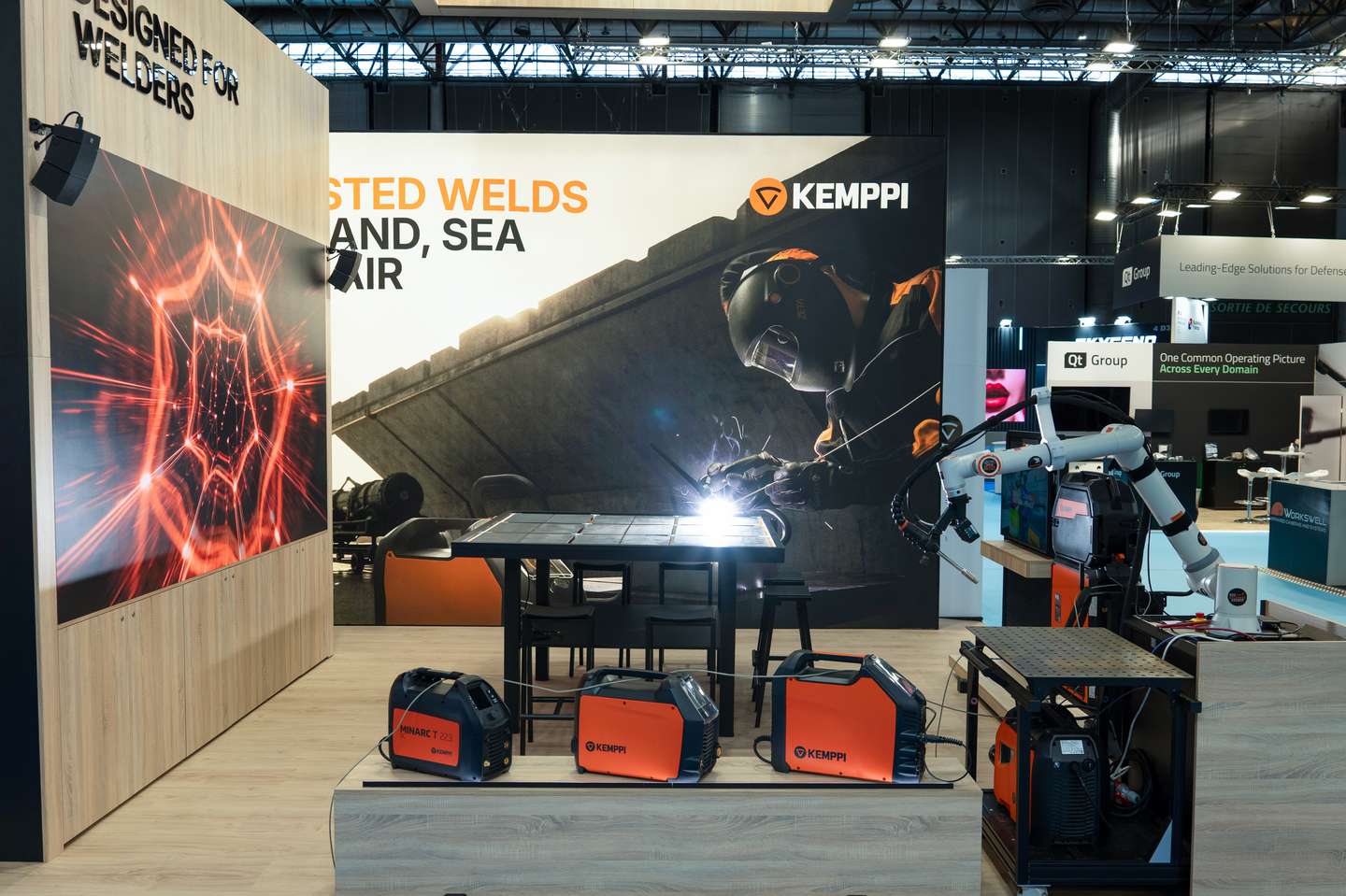
Eurosatory 2026 et l'avenir de l'industrie de la défense
Eurosatory 2026 a mis en lumière une évolution claire de l’industrie de défense moderne. Si les systèmes de défense deviennent de plus en plus numériques, connectés et autonomes, leur fondement reste profondément matériel. Des véhicules blindés aux systèmes d’artillerie, en passant par la résilience industrielle, la qualité des soudures et les structures métalliques, l’acier, les procédés de fabrication et la rigueur de production demeurent au cœur de la préparation opérationnelle.
Digitalisation, Innovation