ABC van het lassen
What is pulsed MIG welding, and for what you can use it?
26 februari 2024
Pulsed MIG/MAG welding is a significant improvement in welding technology, offering accuracy, productivity, and flexibility that conventional welding methods can hardly compete with. This advanced process has become popular for professionals looking to improve weld quality, especially in demanding applications. Here's a closer look at how pulsed MIG/MAG welding works and the situations where it truly shines.
Susanna Norja
Onderwerpen:
Understanding pulsed MIG/MAG welding
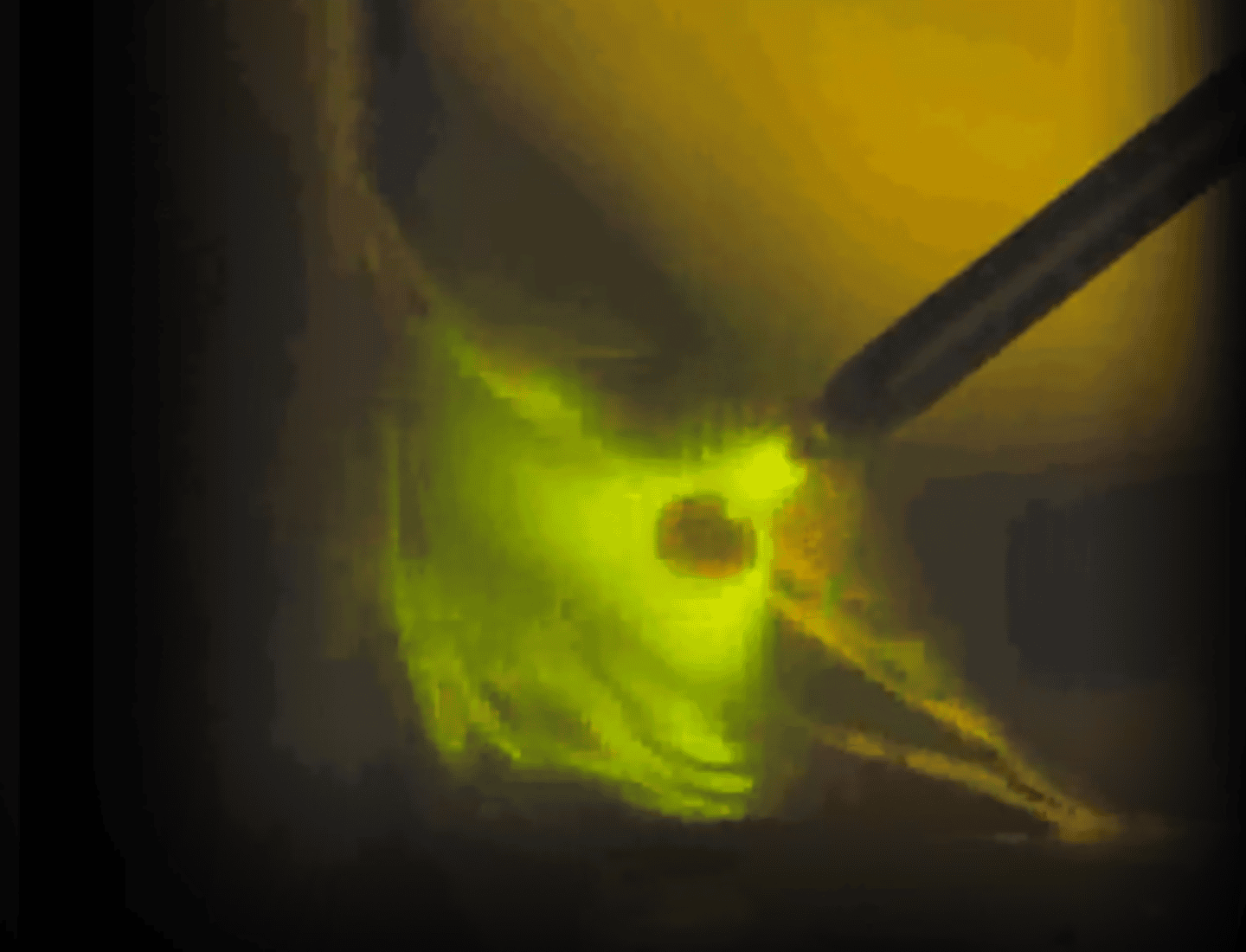
Pulsed MIG/MAG welding is an advanced variant of MIG (Metal Inert Gas) or MAG (Metal Active Gas) welding that changes the welding current at set intervals, producing a series of high-peak currents mixed with lower background currents. This controlled pulsing action allows transferring single droplets of molten metal from the electrode to the weld pool during the high-peak phase while maintaining the arc and minimizing heat input during the lower background phase. Later in this article, we will only use the term MIG welding, but we will refer to both MIG and MAG welding.
How pulsed MIG welding works
The output current alternates between high and low values for each pulse. This alternating current creates an arc that switches between hot and warm phases during welding. The high current melts the filler wire into the weld pool. The low current phase is where the magic happens. It prevents burn-through and deformation by minimizing heat input. Imagine it as a dance: hot steps for penetration, followed by gentle steps to avoid overheating.
Advantages of pulsed MIG welding
Say goodbye to post-weld cleanup nightmares. Pulsed MIG welding gives welders greater control over the weld bead profile, penetration, and overall aesthetics. It is ideal for welding, where managing the weld pool and heat input is critical.
This method significantly reduces spatter and allows welding at lower overall heat inputs. The result is a cleaner weld area and minimized risk of welding deformation and distortion, which is particularly beneficial for thin and heat-sensitive materials or complex shapes.
When do you need pulsed MIG welding
Welding thin materials
The pulsed MIG welding process is ideal for working with thin materials because of its low heat input characteristic, which reduces the risk of burn-through and distortion. However, various short arc welding processes are often the best option for welding very thin steels.
Welding Aluminum and Stainless Steel
This is why it's also an excellent welding method for Aluminum and Stainless Steel. You can prevent issues like cracking or distortion by having precise control and lower heat input.
When you need high aesthetic results
When the application requires high aesthetic standards, pulsed MIG welding can produce clean, visually appealing beads with minimal cleanup required.
When you want to improve throughput time
The reduction in spatter improves the weld's quality and decreases post-weld cleanup time, enhancing overall productivity.
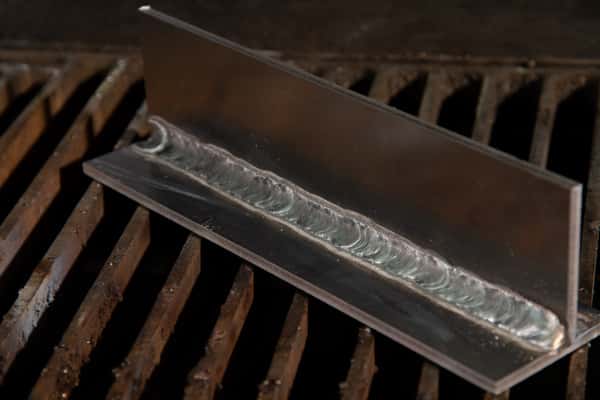
AlMg5-4mm-AlMg5-1.2mm-Argon
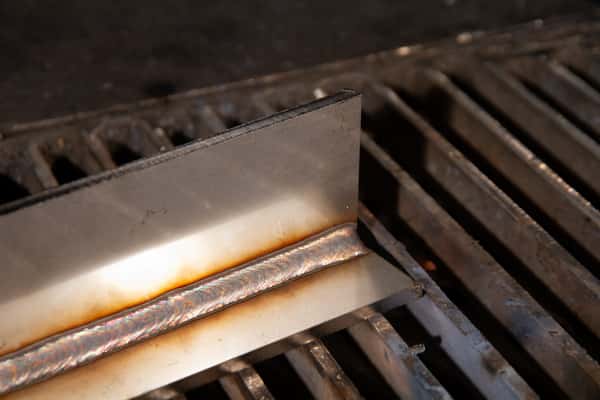
316RST-5mm-316LSi-1.0mm-Ar+2%co²
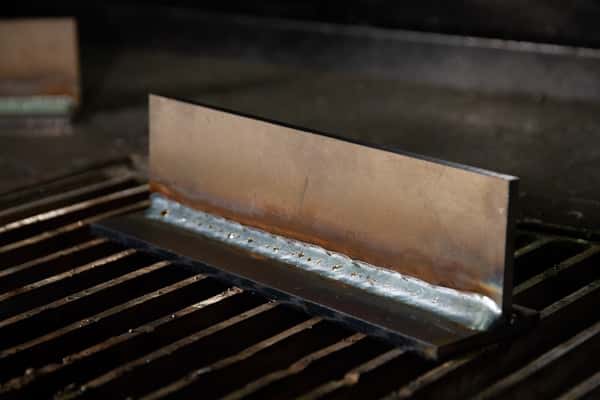
Fe-5mm-fe-1.0mm-Ar+18%co²
Conclusion
Pulsed MIG welding is an advanced technique that combines the advantages of standard MIG welding with better control over heat input and metal transfer. It can lower spatter, reduce distortion, and provide superior control, making it a valuable tool for any welder, especially for applications that need accuracy and skill. Pulsed MIG welding is a technique that can elevate the quality of your welding projects to new heights.
Discover Kemppi's handy single-phase pulse MIG welding machine >>> Master M 205

Susanna Norja
Susanna Norja
Editor-in-chief of the Kemppi blog, content producer, and Social Media Manager at Kemppi until March 2024.
Gerelateerde producten
Productfamilie
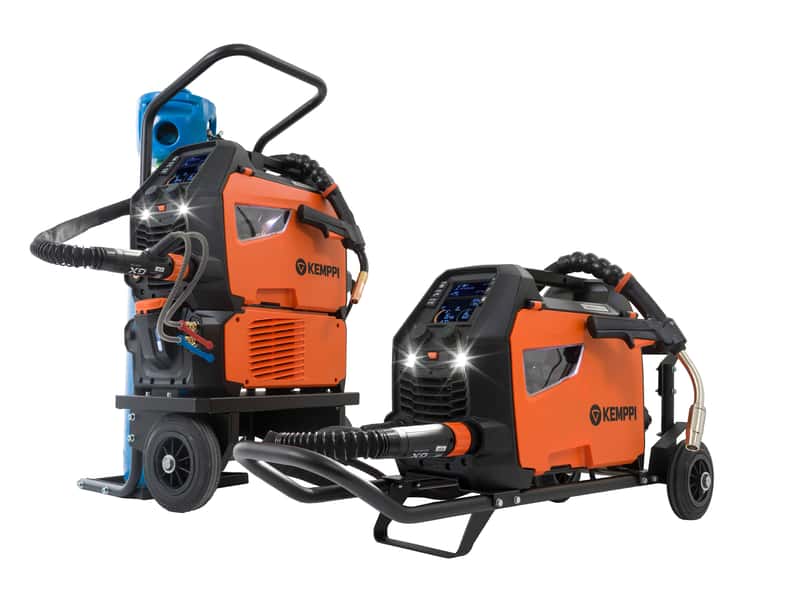
De Master M 205 en Master M 323 stellen een nieuwe norm voor vermogen en prestaties van draagbare MIG-lasapparaten. Dankzij het compacte, lichtgewicht ontwerp, zult u veel plezier beleven aan een draagbaar MIG-lasapparaat dat u mee kunt nemen waar u maar wilt.
Meer blogberichten
Understanding and preventing common welding defects
Welding demands precision, but even skilled welders can encounter defects. Understanding common welding issues is critical to ensure high-quality results. Here are some frequent welding defects and how to avoid them.
ABC van het lassen
MIG/MAG welding arc types
In MIG/MAG welding, the mode of material transfer between the filler wire and the weld pool changes in line with the welding current.
ABC van het lassen
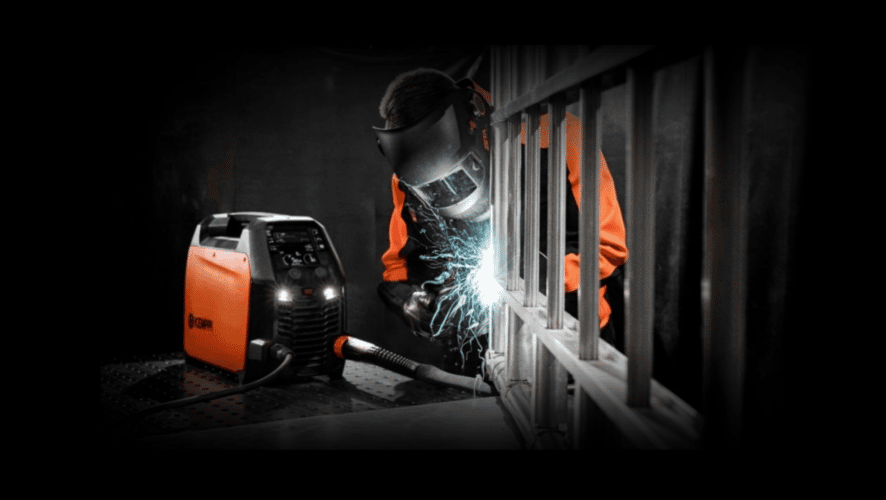
High-quality pulse welding with a 1-phase MIG/MAG welding machine
The versatility of portable welding equipment has traditionally been limited by the lack of pulsed MIG/MAG welding. It has been argued that three-phase power is required to achieve high-quality MIG/MAG pulse welding.
Handmatig lassen
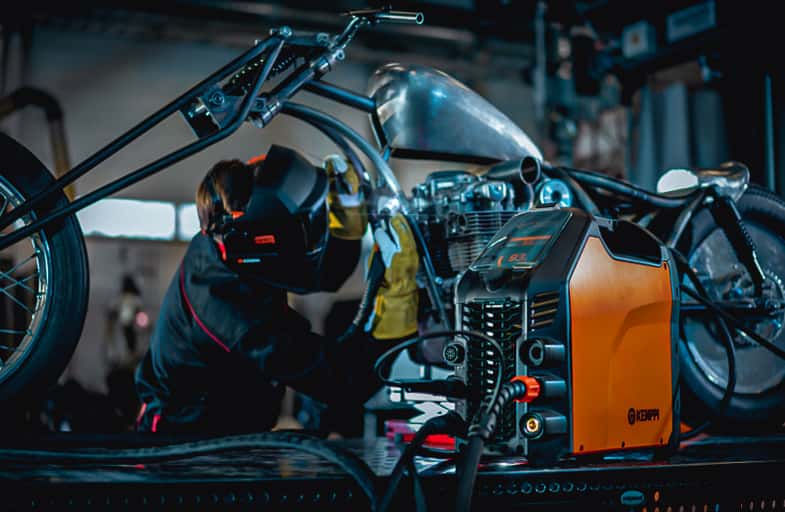
How Rapid Welding and Kemppi Built a Partnership That Lasts
Rapid Welding has worked with Kemppi since the company opened in 1990. Co-founder and Managing Director Roy Edwards highlighted the principles behind that 36-year partnership, from choosing the right welding solution and supporting equipment throughout its life to addressing the skills shortage and finding the right place for automation and laser welding.
Lasautomatisering, Handmatig lassen, ABC van het lassen
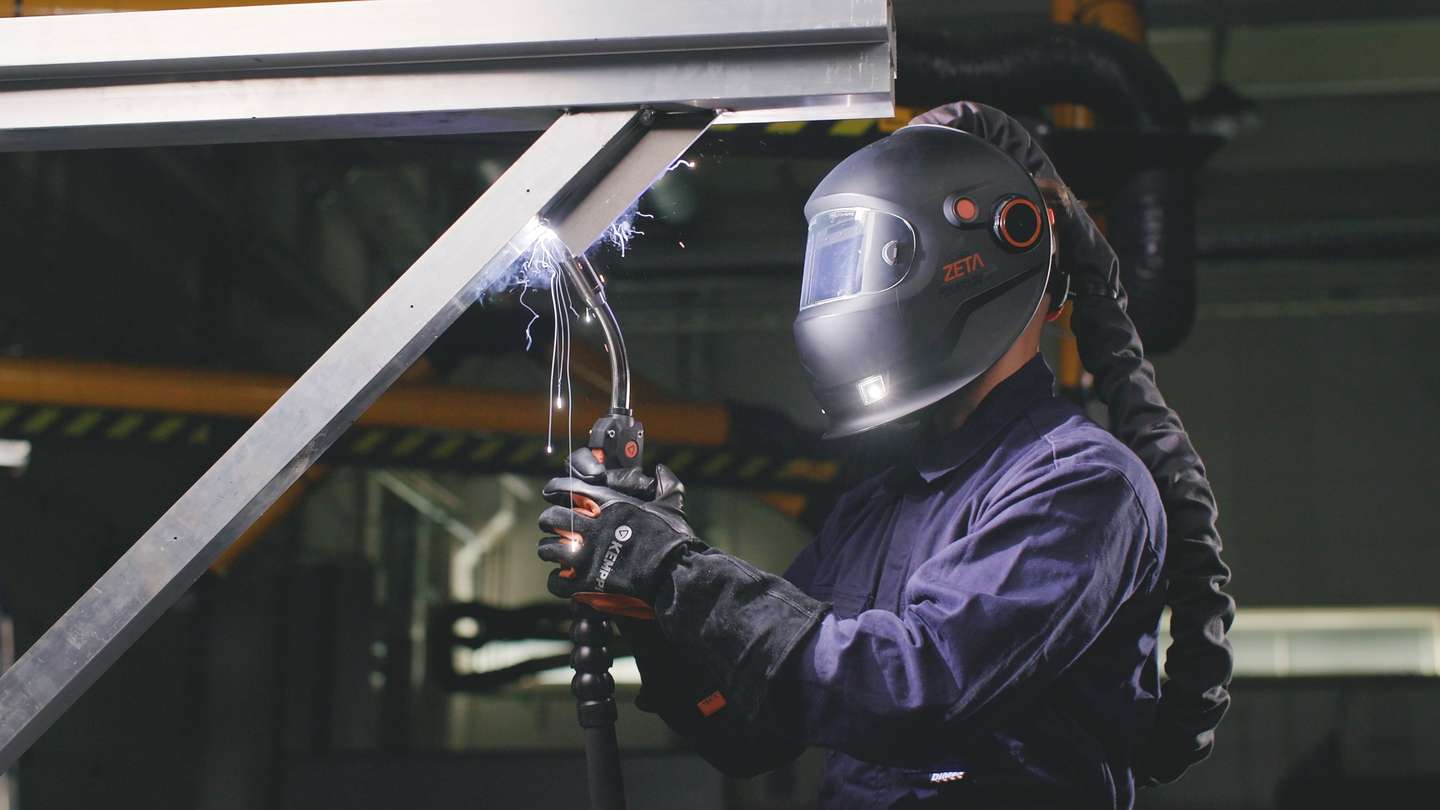
Safety that keeps up with welders' challenges and changing risks
Welding safety has become increasingly demanding. The hazards at the arc remain constant, but modern working conditions mean exposure can accumulate over longer shifts and in tighter indoor spaces. As a result, welding PPE needs to be treated as both protection for the welder and proof of compliance. At Kemppi, welding safety PPE is designed and validated in practice through clear requirements, welder-led feedback, and verified compliance with EU PPE Regulation 2016/425, CE marking processes, and relevant EN standards.
Veiligheid, ABC van het lassen
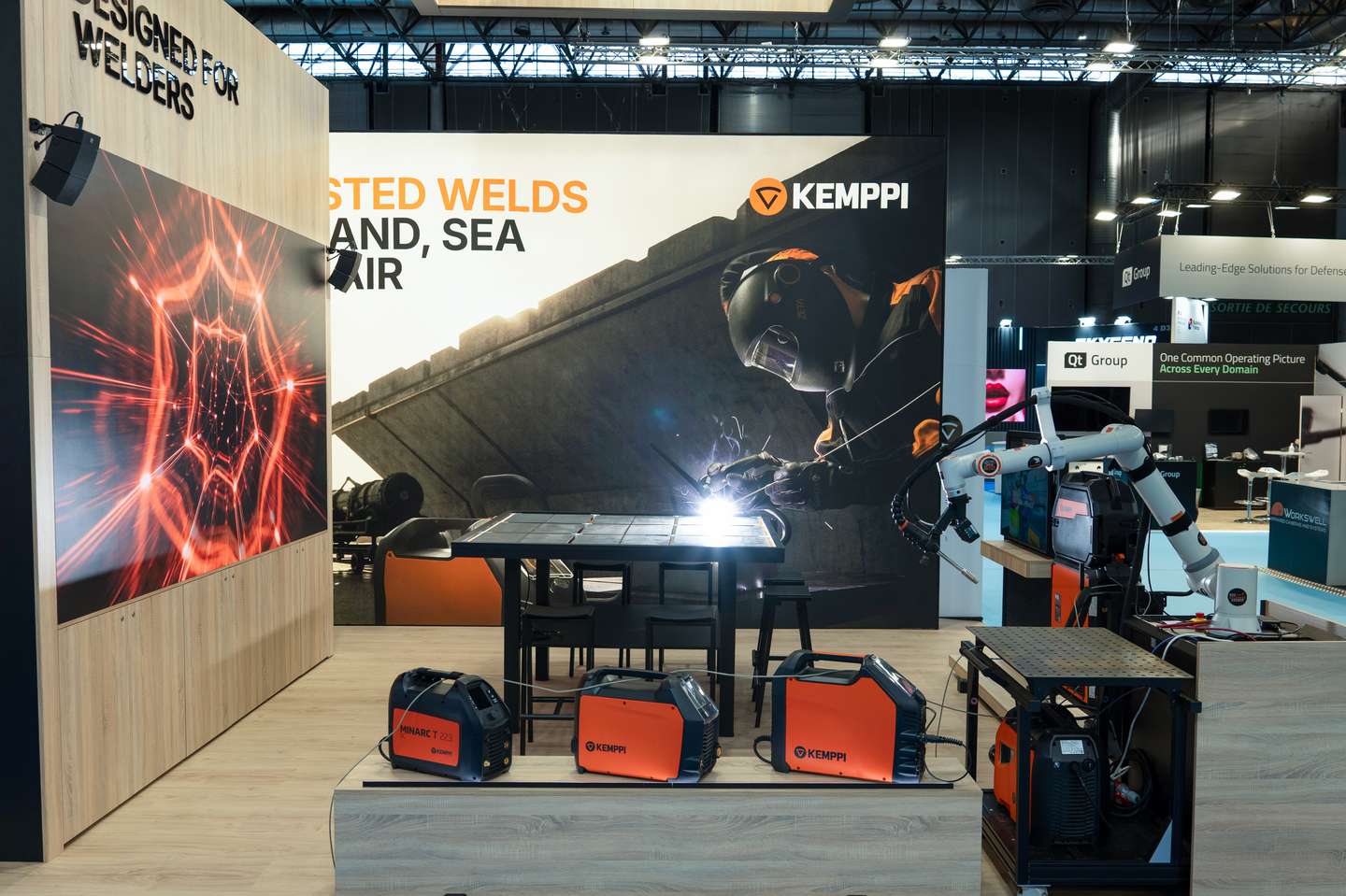
Eurosatory 2026 And the Future of Defence Manufacturing
Eurosatory 2026 highlighted a clear shift in modern defence manufacturing. While defence systems are becoming more digital, networked, and autonomous, their foundation remains physical. From armoured vehicles and artillery to industrial resilience, welding quality, steel structures, and production discipline remain paramount to defence readiness.
Digitalisering, Innovatie